
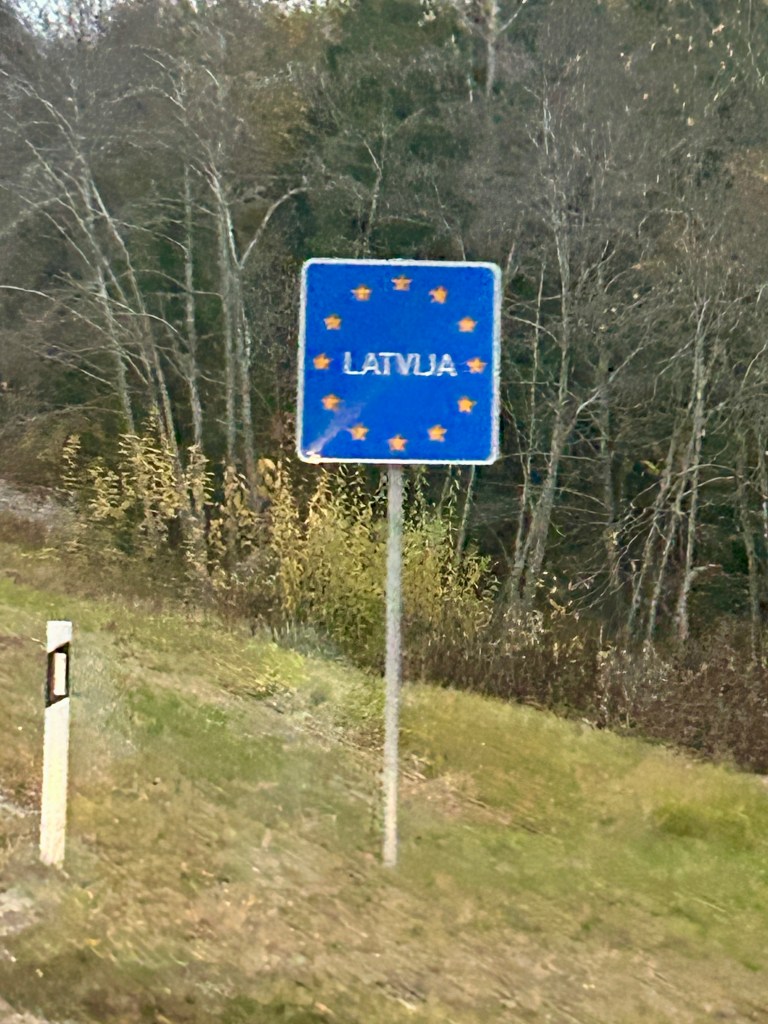
We crossed the border into Latvia and immediately hit the most horrendous bumpy road! We bounced along like Skippy for about 8 miles, sometimes down to about 20 miles an hour on what would be classed an A road in the UK, until we got to a place we were both really excited to see. What do you mean we are strange people??
Yep, our idea of a good day out is to visit an old, abandoned, creepy, secret Soviet nuclear missile base! It was so secret not even the locals knew what was happening here at the time, as the Soviets put a MIG jet outside to make it look like your common or garden airbase. The Soviets did not employ any local people, instead they brought people in from remote areas of Russia, and then ensured they had everything they needed on base so there was practically no need to leave.
It amazes me how easy it is to visit today. It is a fascinating relic of the Cold War, built in the 1960s as part of the Soviet Union’s efforts to establish missile bases across Eastern Europe. The base housed four nuclear-capable ballistic missiles of 1 megaton each, aimed at Western Europe and was strategically designed to blend into the surrounding forest, hidden from aerial view. It was manned by 300 soldiers and had full facilities, including barracks, storage, and underground bunkers.
We have previously visited the Minuteman nuclear launch bases in the remote areas of South Dakota in the US. These were solid-fuel rockets hidden in launch bunkers that could be launched within a minute of a given command. In contrast, the missiles at Zeltini pre-dated this technology and were liquid-fueled. This meant that launch time was measured in hours because the missile body had to have its nuclear warhead mounted then driven out to a launch pad and erected vertically. Engineers would then fuel the rocket up with a concoction of different liquid gases that were extremely hazardous, with dangers of asphyxiation and explosion, so the men were dressed in rubber suits. The fuelling could take several hours and was extremely manual. To get a missile targeted it had to be precisely aligned so it could launch at the correct angle, direction, and an appropriate burn time, because once the missile is launched it would free fall through the atmosphere of the earth onto its intended target. The R12s at this site had an effective range of 2000 miles, so the scope of targets included much of Western Europe, including the UK. They did not have the range to hit the US.
As a point of interest, the Cuban Missile Crisis was to prevent R12s from being based approximately 70 miles from Florida, allowing them to easily target much of the Eastern Seaboard including Washington and, at their extreme limits New York. You can appreciate America’s fears at this time, even though NATO had similar missiles based in Turkey targeting Russia.
As you drive in you pass thousands of tonnes of timber as there is now a charcoal factory there. The smell of wood was amazing.


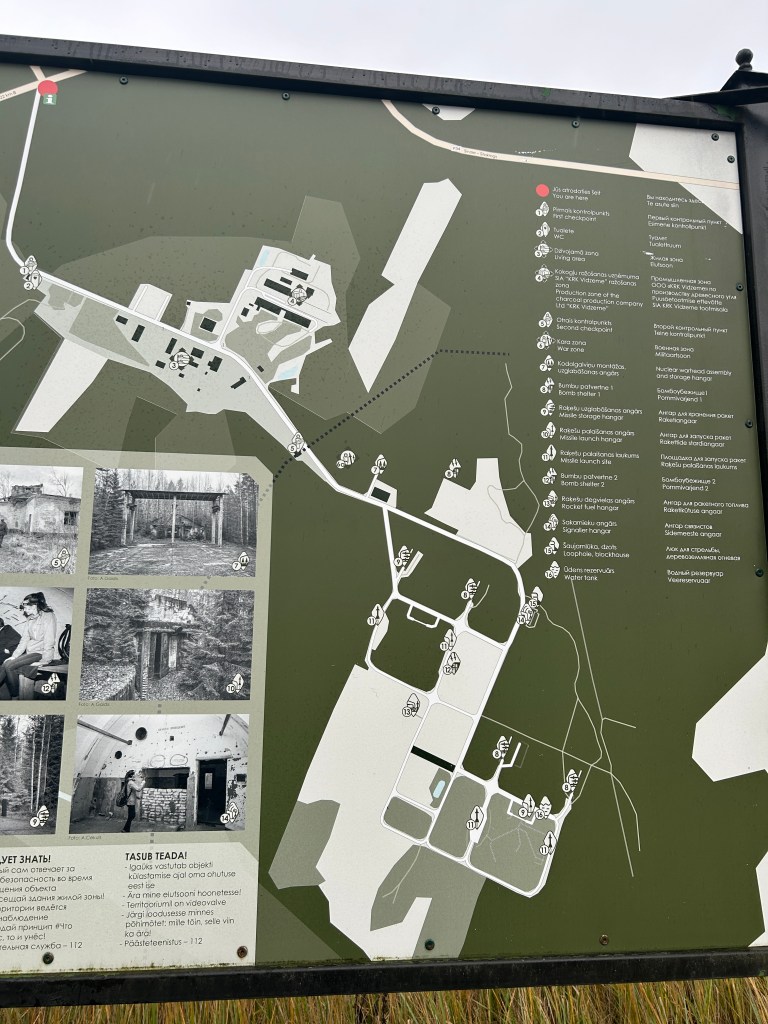
You first see a checkpoint as you enter, then the barracks which are falling apart and not safe to explore, with sandbags piled up inside. You then come to an inner checkpoint, which encircled the actual missile launch facility, using a concentric ring approach of security as you approach the live weapons.
I
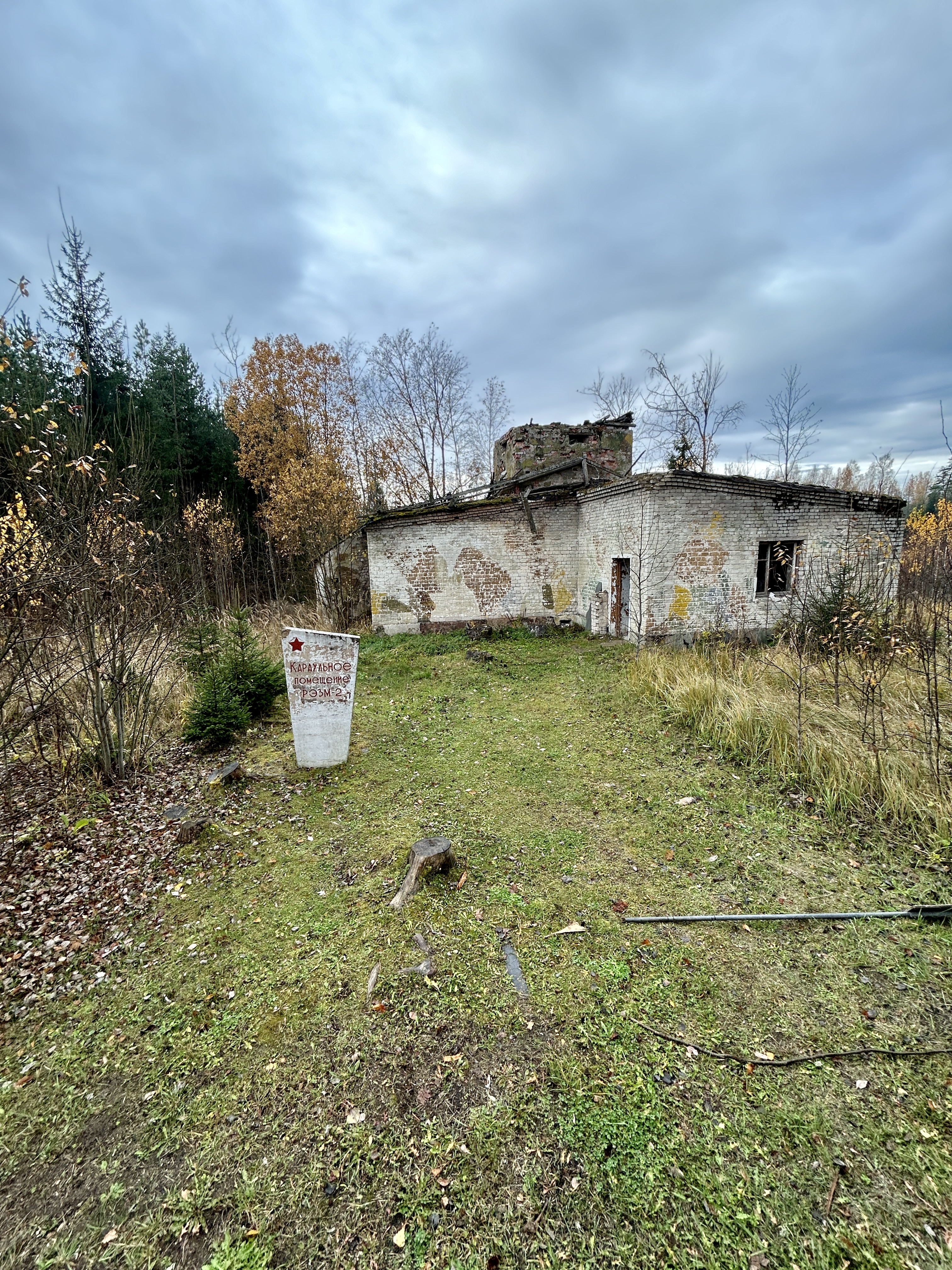
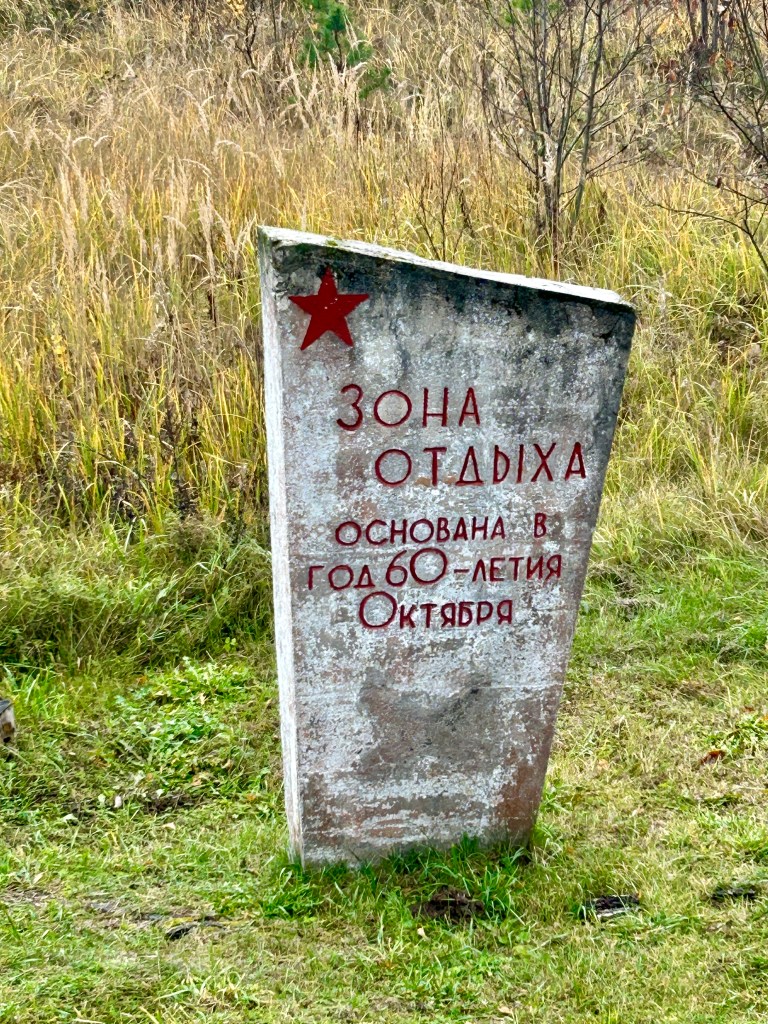
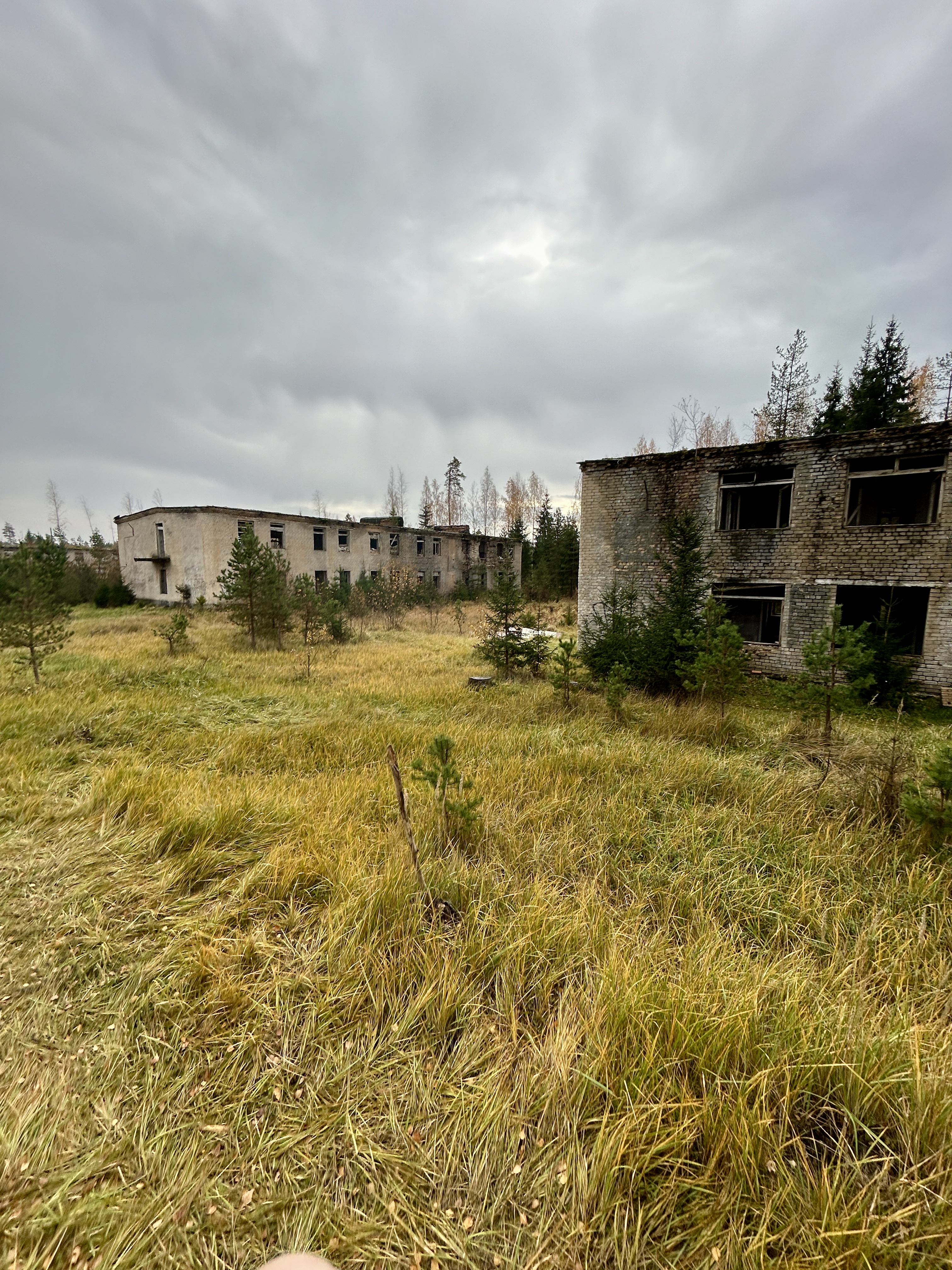
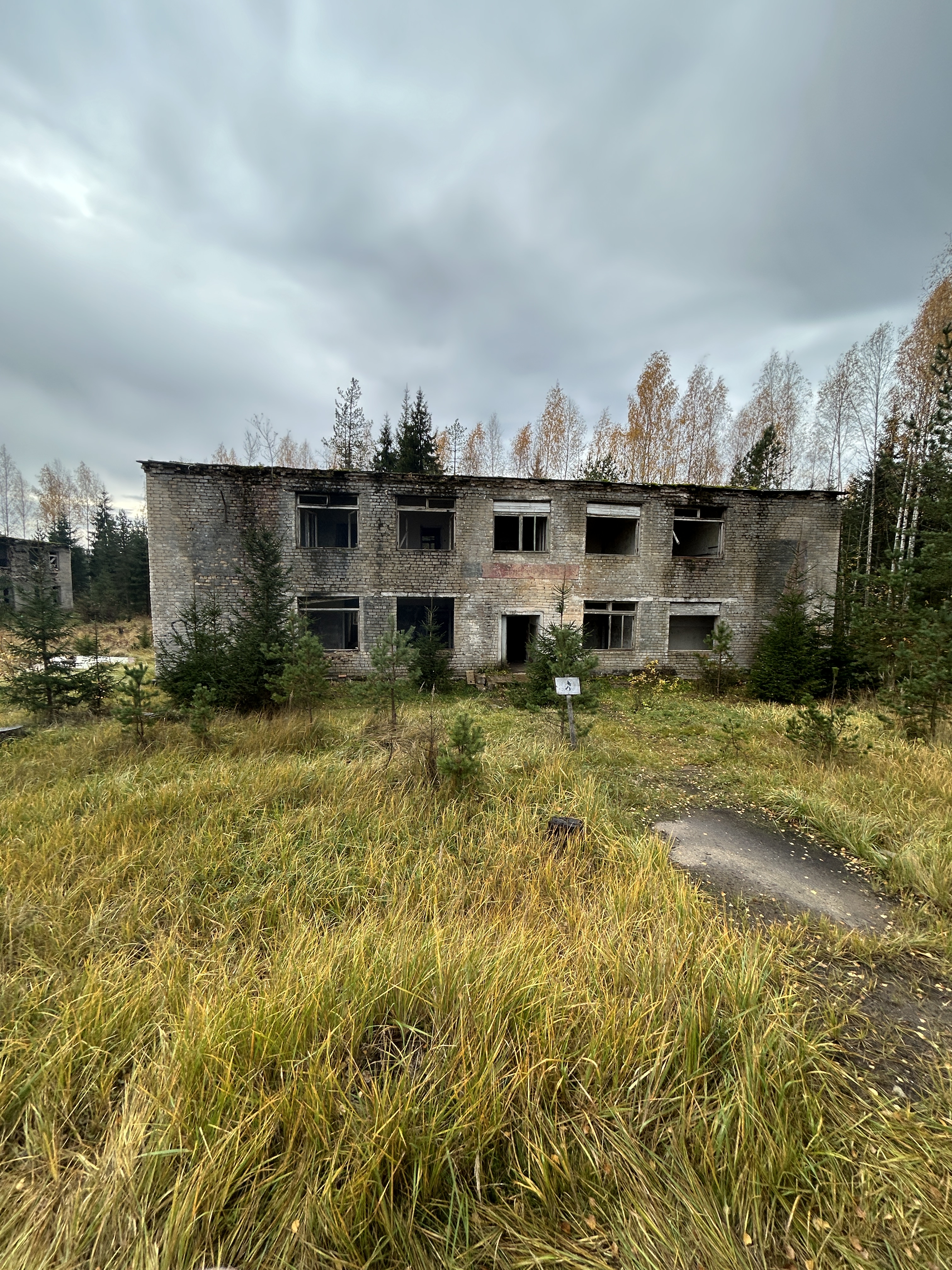
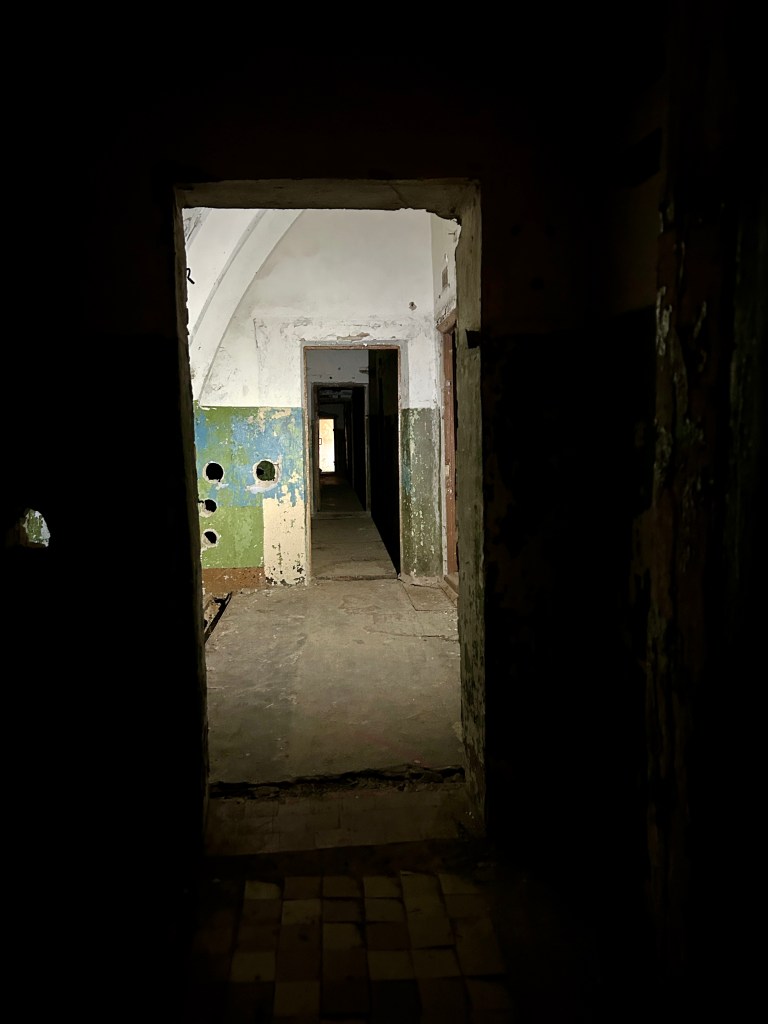
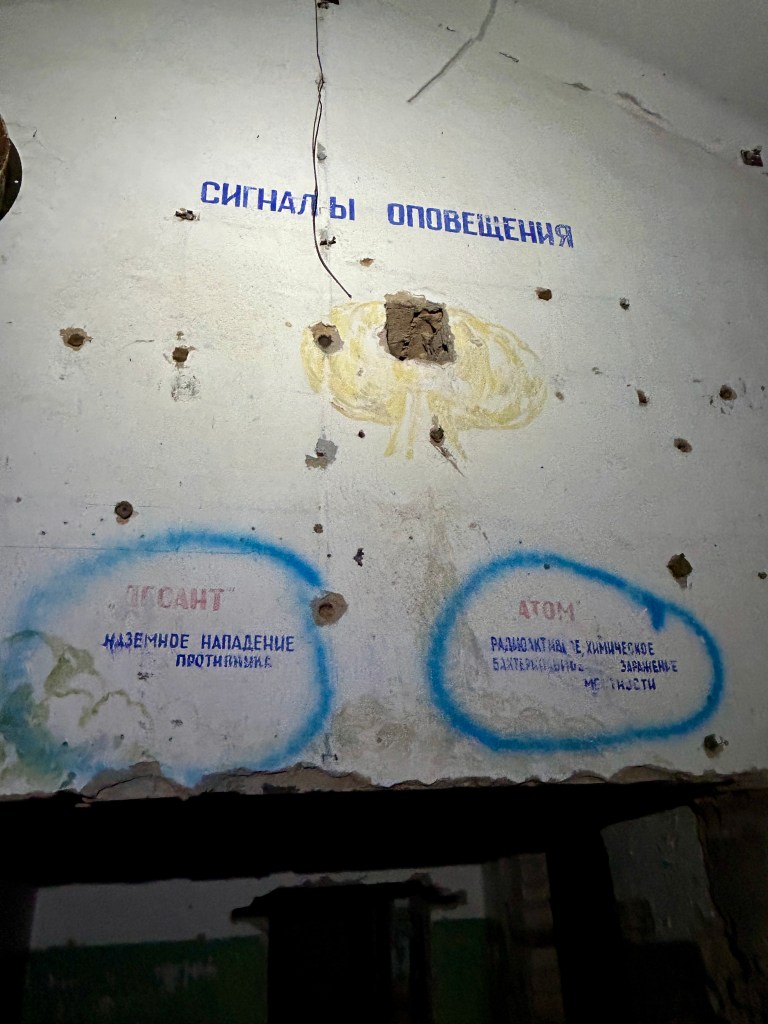
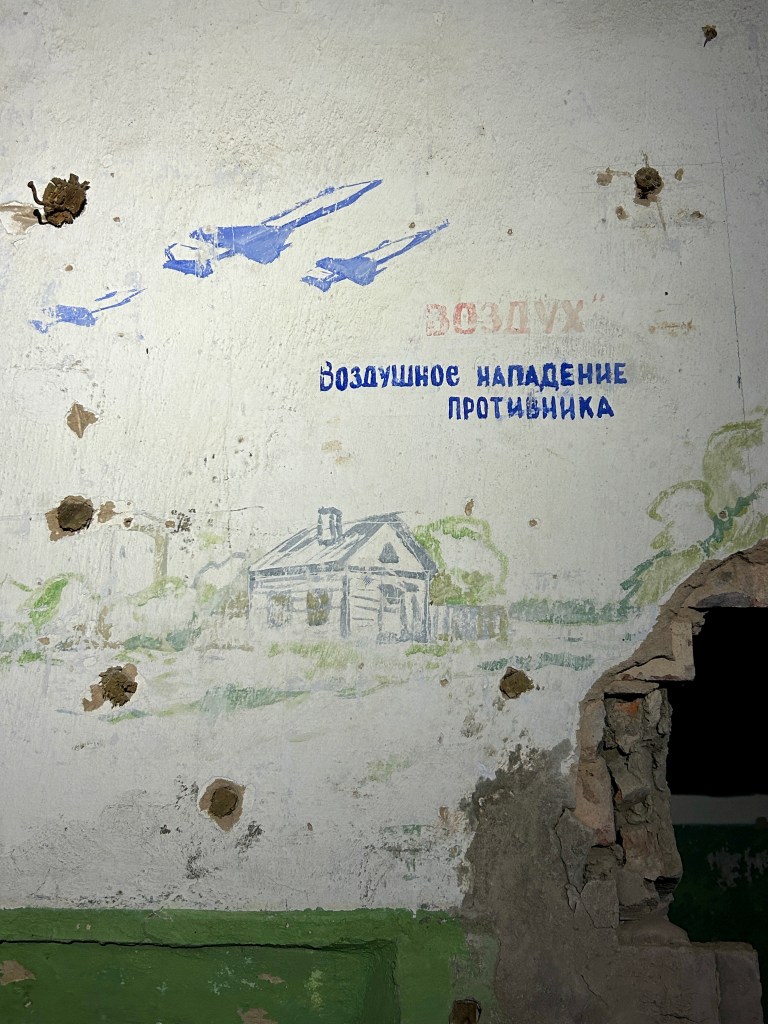
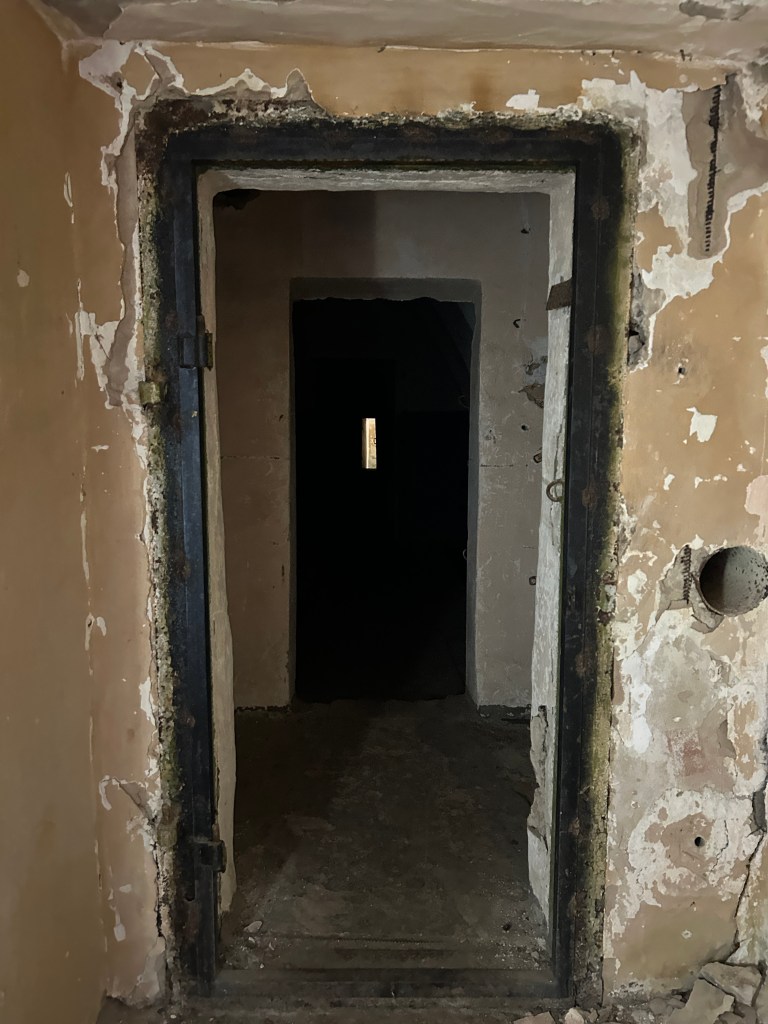
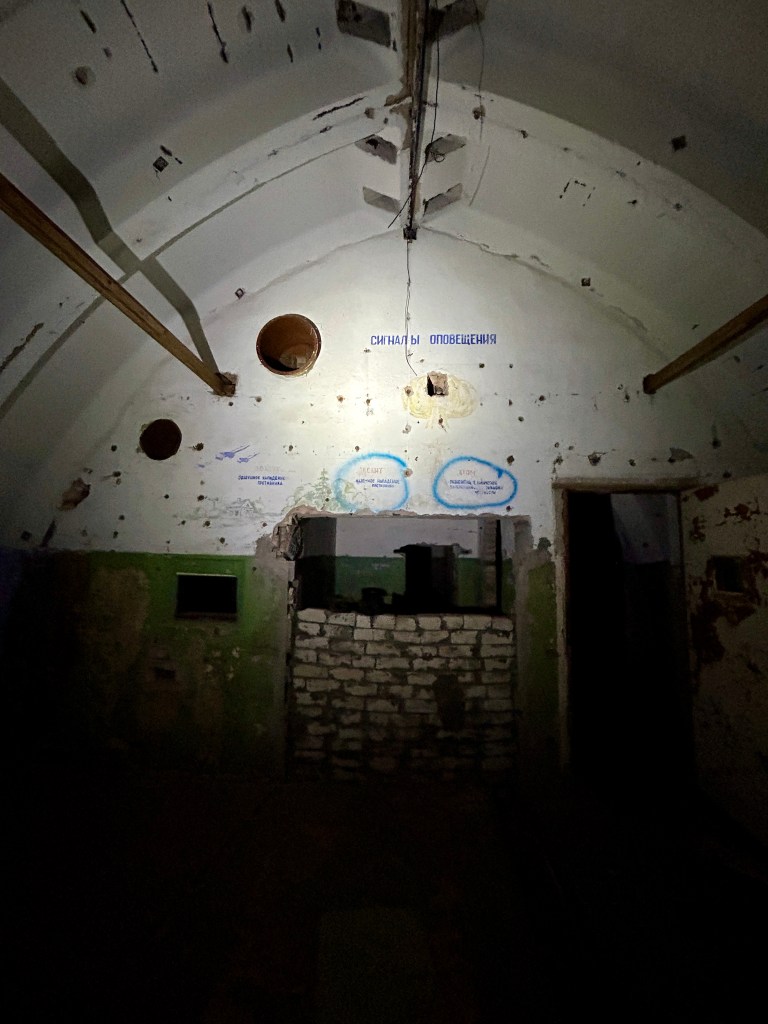
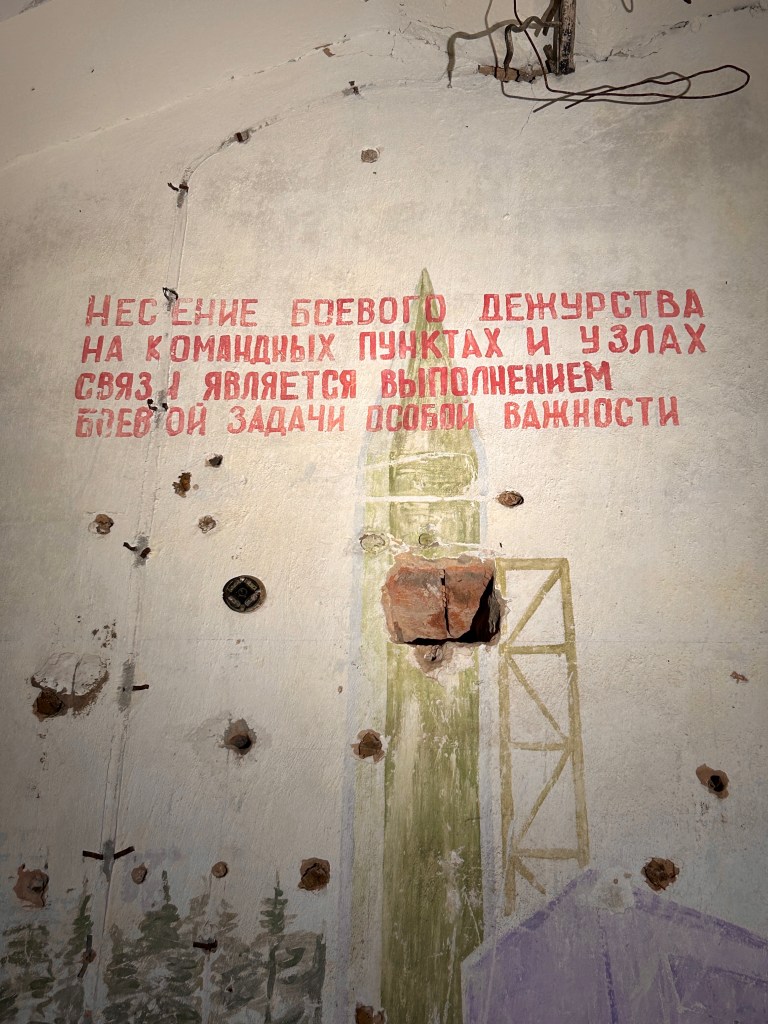
It was quite creepy driving and walking around the base, discovering structures almost hidden in the trees and decaying badly. We climbed a few steps to go into the Command Bunker. It was so eerie inside and we needed a torch to look around the rabbit warren of rooms, the main one with pictures drawn still visible on the walls. It made me really uncomfortable to be in there, so I tried to rationalise it out in that nobody had died there (I assume!) it was just a place of work. Then I started to think again about the nature of the work, and began to feel even more uncomfortable! I was glad to get out.




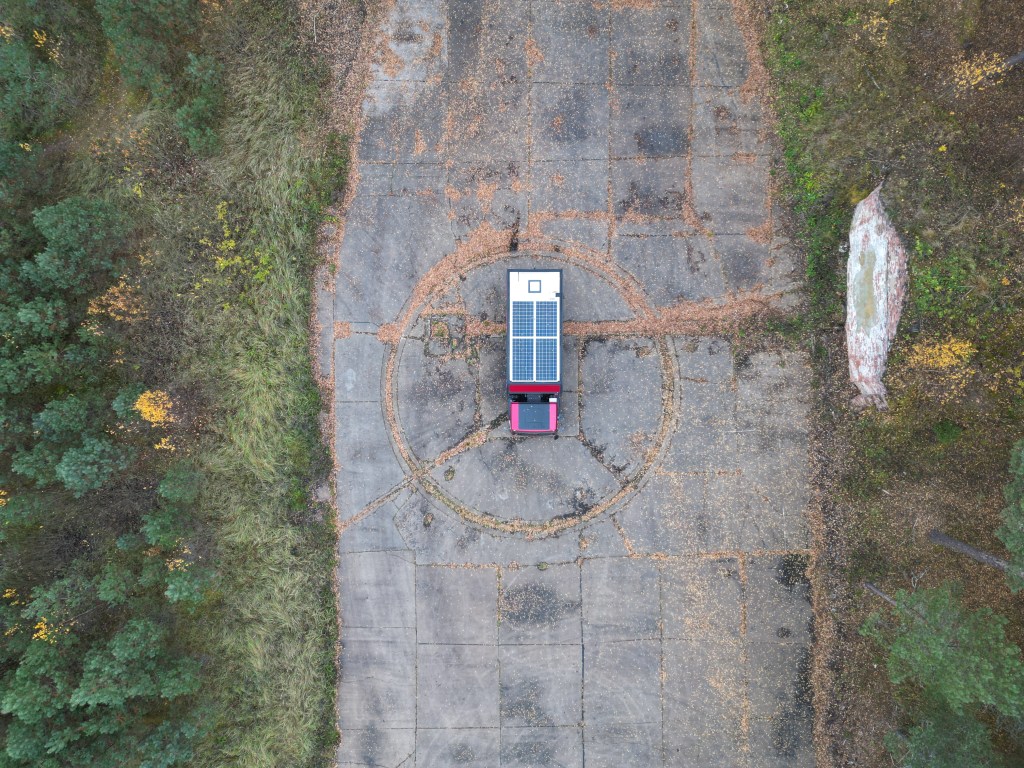
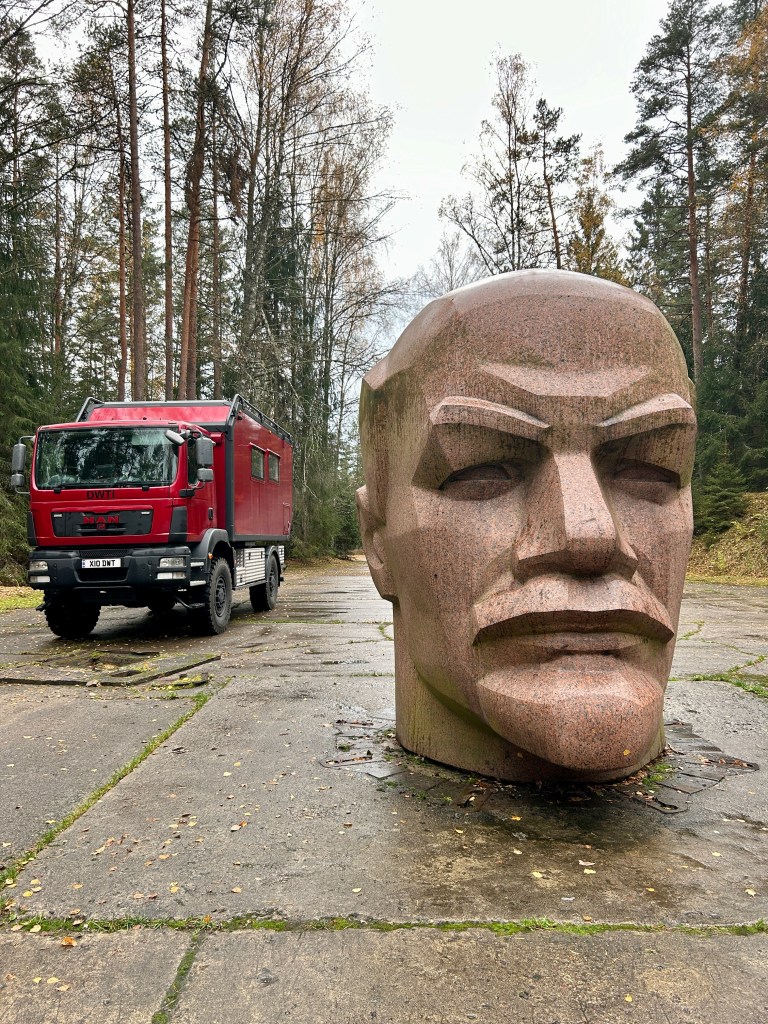
We then drove on to one of the launch pads. We tried to find it, and then realized we were actually walking on it! It was a big circle with some metal pieces in the floor in a large concrete area. Only when you stop looking do you stand and realise you are in the centre of all the old buildings, where the missiles were driven out from, where the nuclear heads were kept under cover in secret and where all the different fuelling vehicles were kept. It was cool to get a photo of Dwti on top!
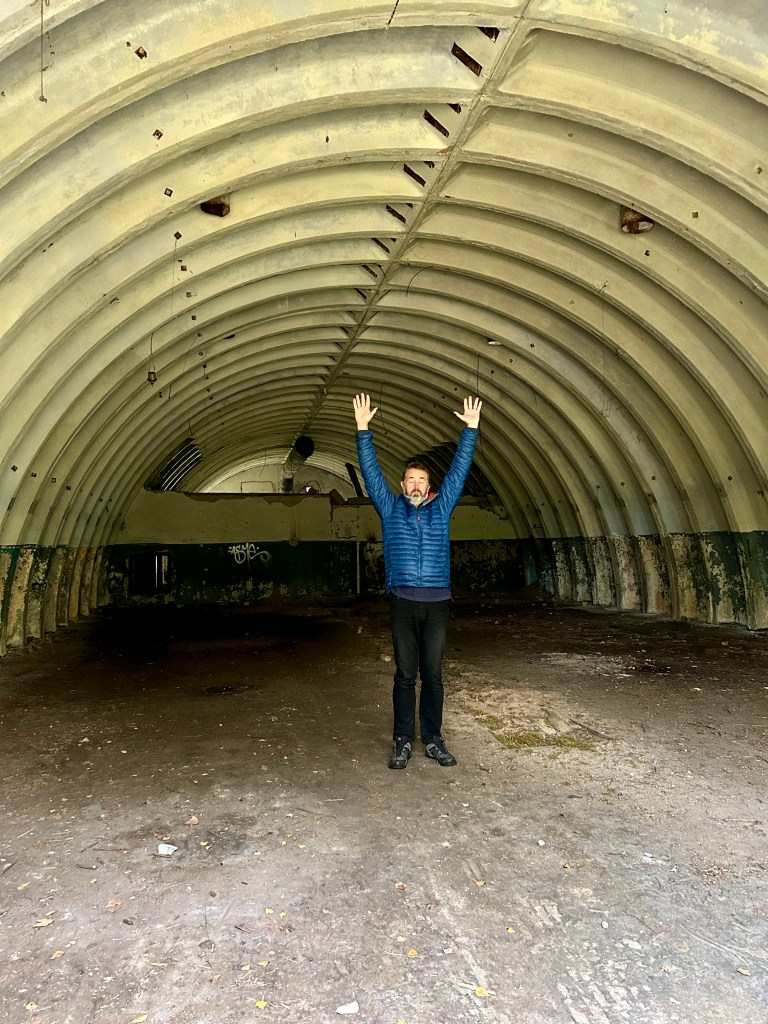
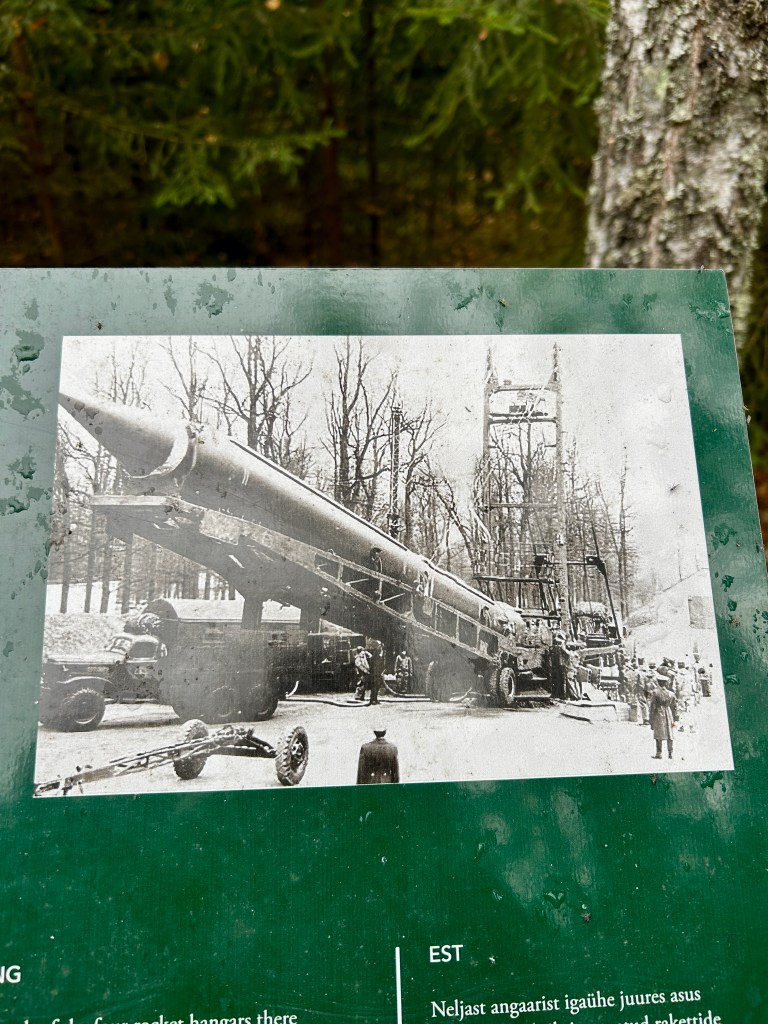


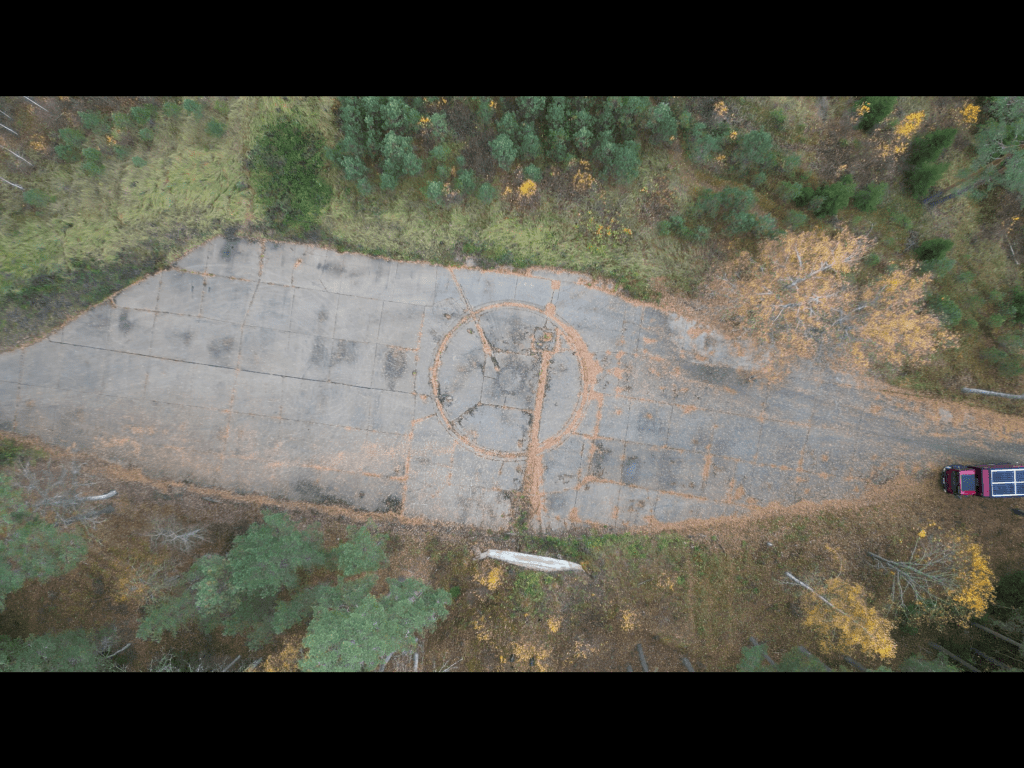

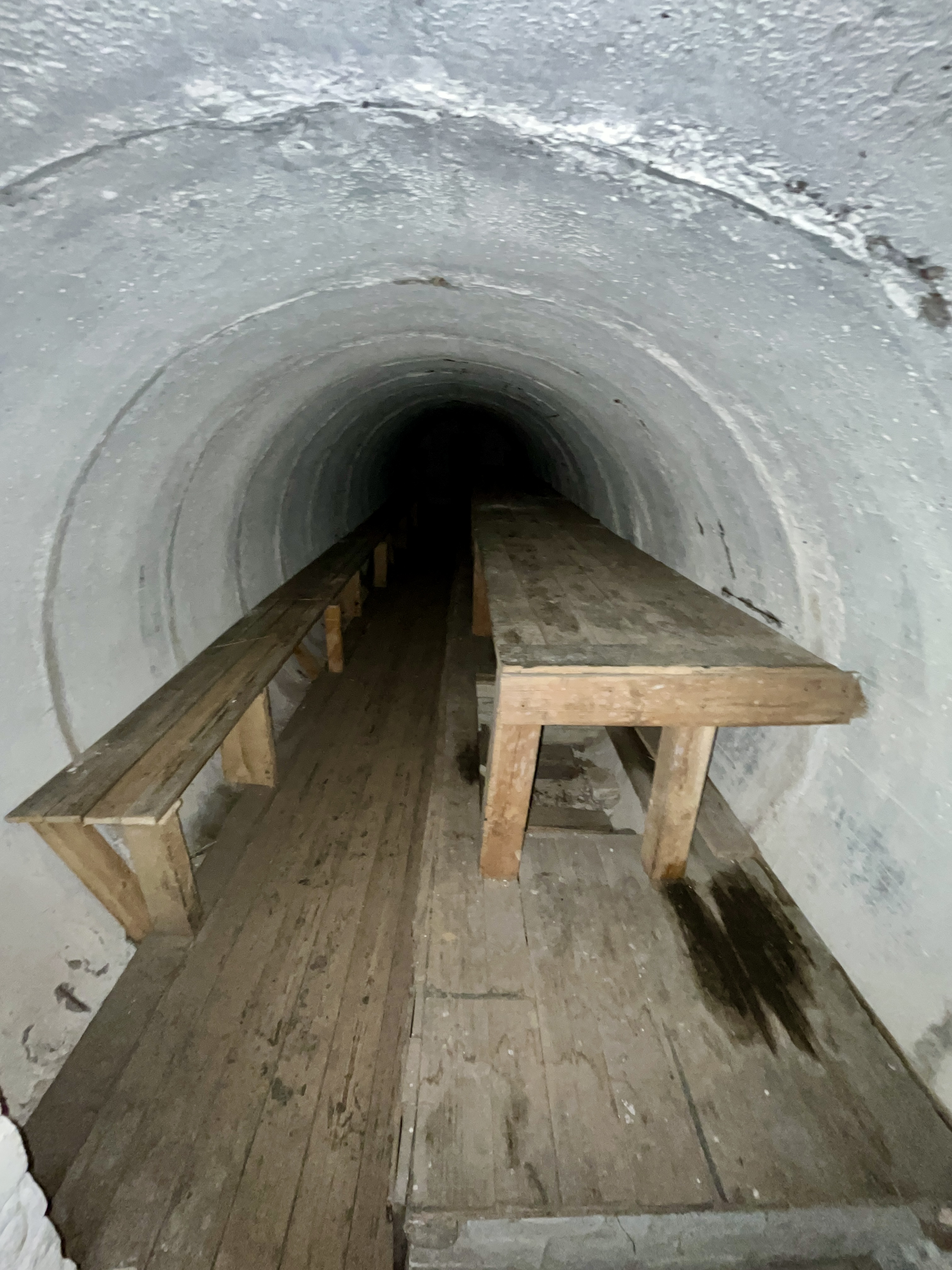
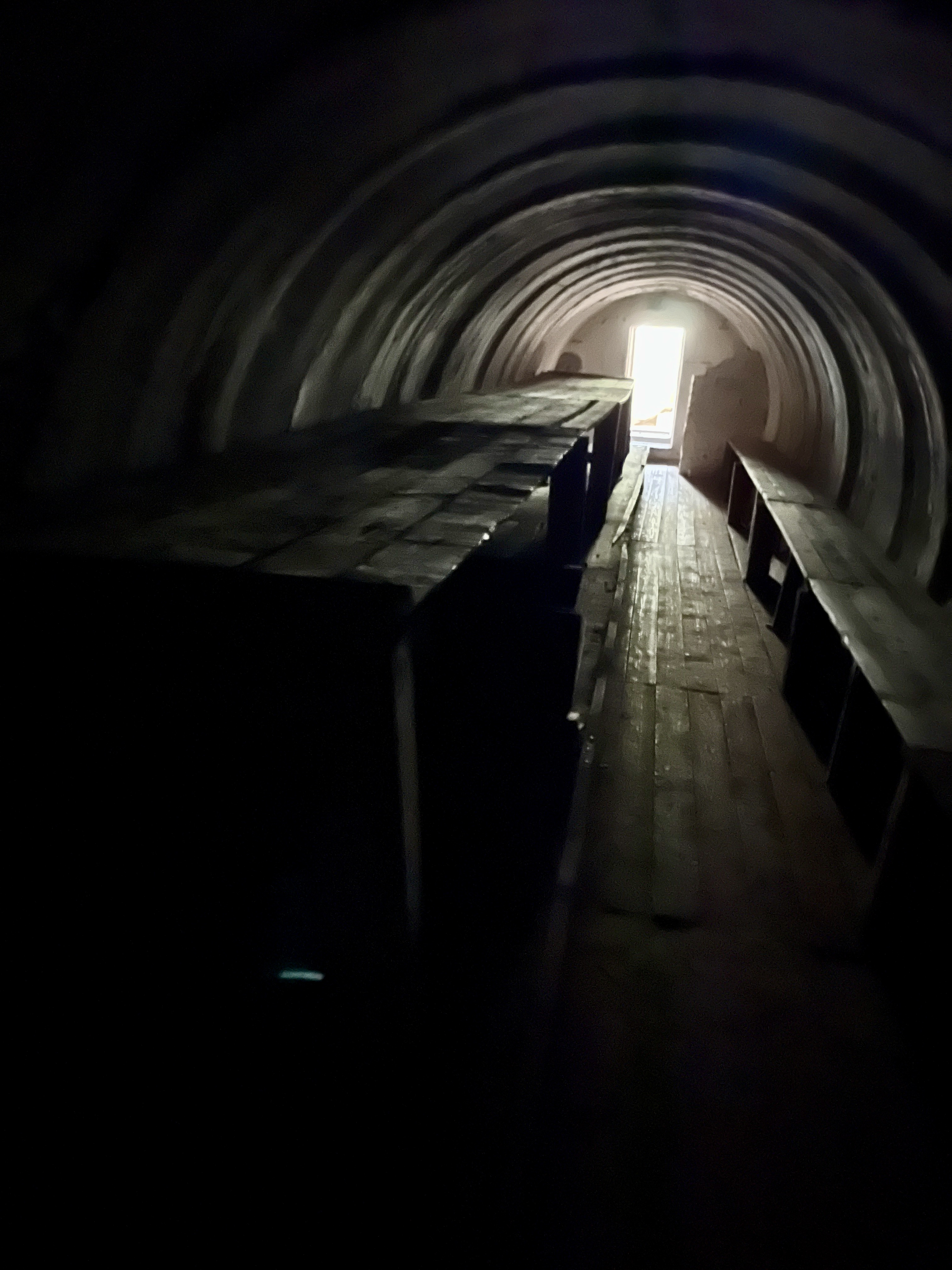
We sat just off the launch pad and had some lunch, when a tour bus rolled up. They stood on the launch pad listening to the guide, then went off into the woods. When they had gone Lyn retraced their footsteps and found one of the old bunkers where the soldiers would have gone into for shelter in acse of a nuclear strike. It was a triple walled, long, low building, with narrow wooden beds. It is hard to believe anyone would have survived should the worst had happened.
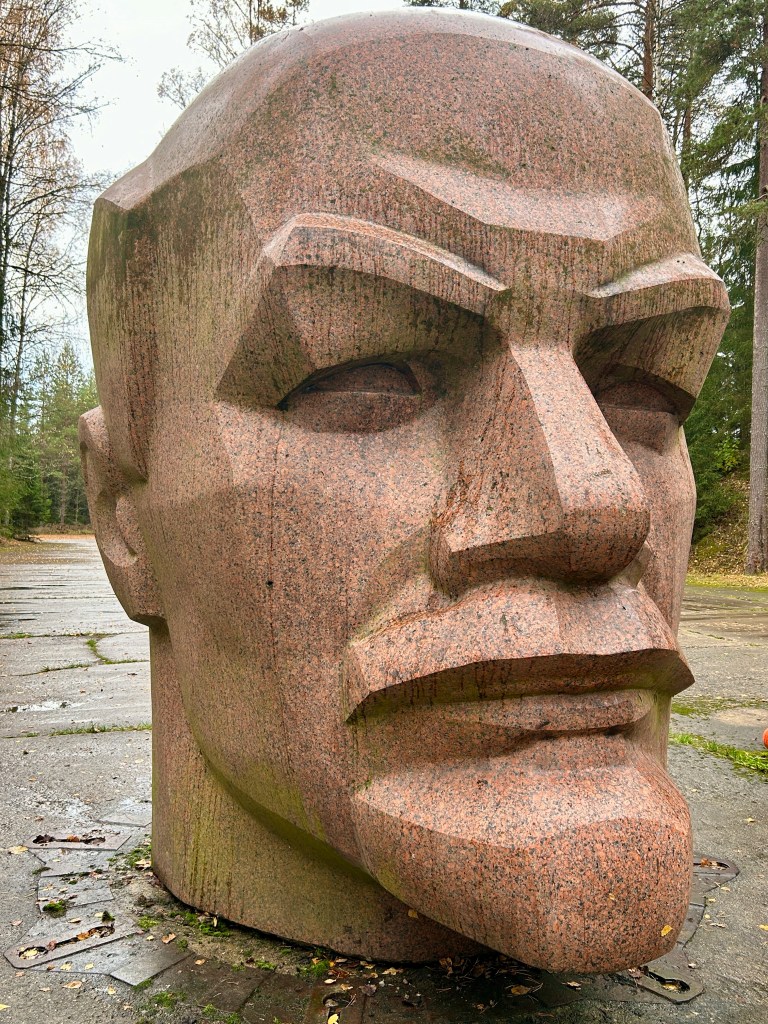
There was also an area with statues, including a large, almost Easter Island type statue of Lenin’s head which was part of a bigger statue that had been relocated here. What made this area even more surreal is that there was a gang of youths hiding pumpkins around the statues. Lyn spoke to them, and they told him they were organising a Hallowe’en hunt for children in 2 hours time. As we left the area, a car passed us with the driver wearing a scary clown mask, and there were also silent hunters, dressed in orange, with their rifles stood every 20 metres looking into the woodlands. It just all made this place even more surreal.

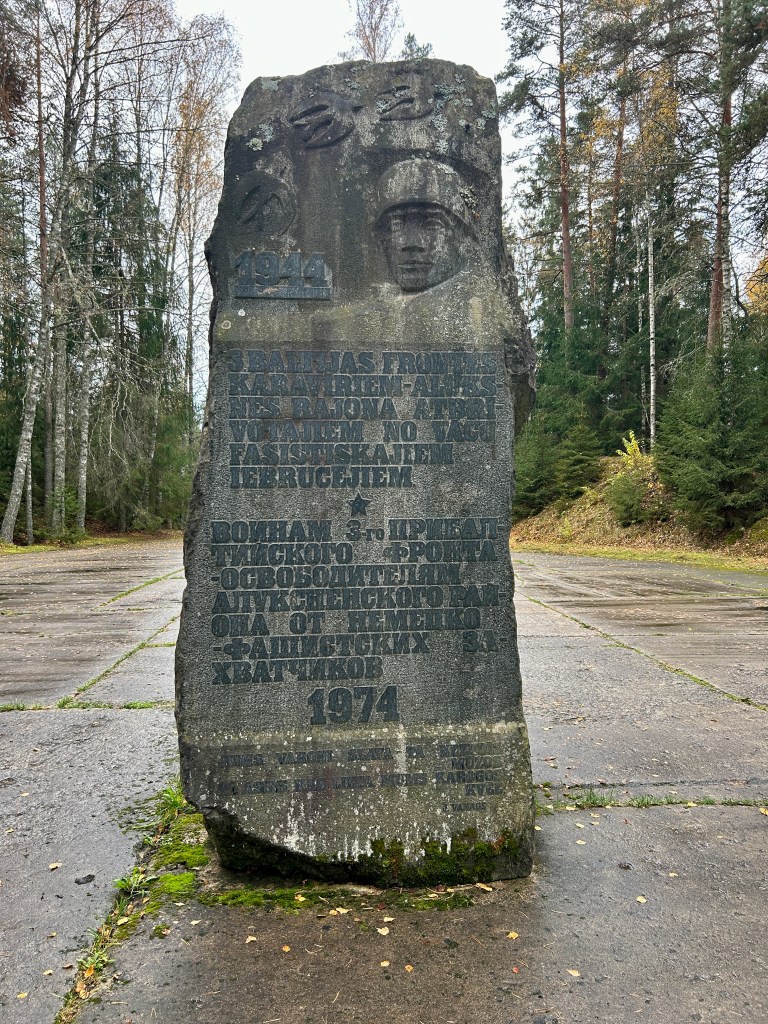
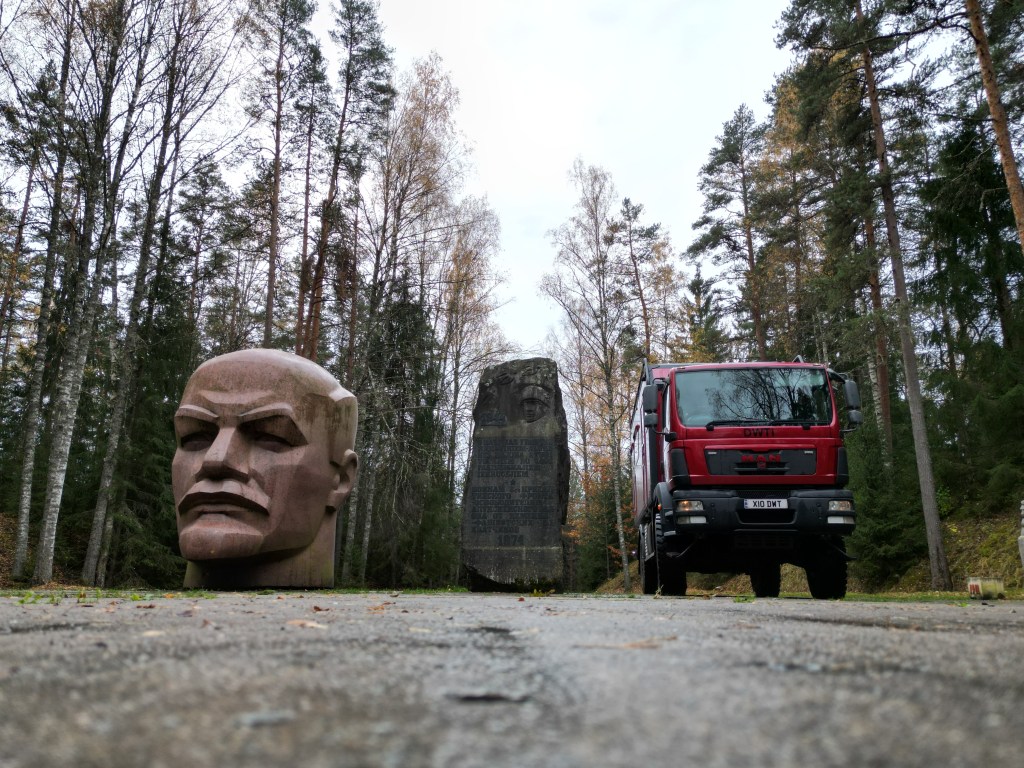
Zeltini’s role was primarily as a surface to surface missile launch site with its missiles able to reach targets in Western Europe but thankfully it was never activated in a real conflict, but it remained on high alert, especially during crises like the Cuban Missile Crisis, which brought the world within touching distance of nuclear war. It is strange to think of the locals using it today to entertain kids, and also the lack of health and saftey around the site which was unlike anything we are used to. Visitors are expect to explore “at their own risk. This is a totally refreshing approach which we appreciate on our travels.
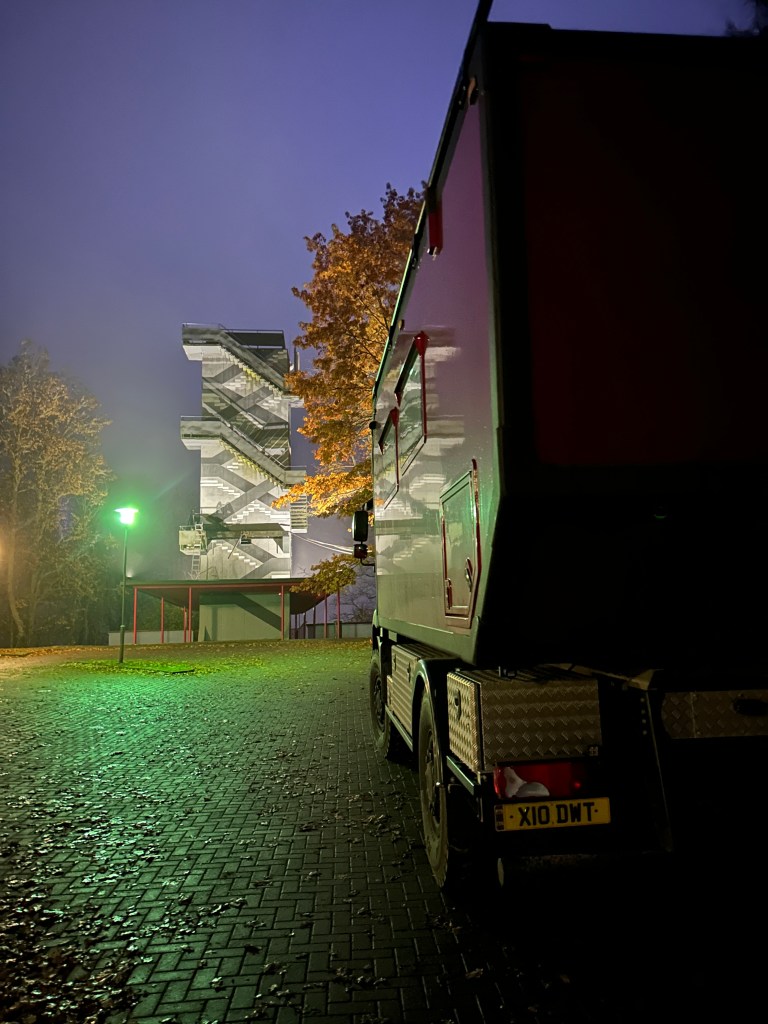
From this eerie site we drove on to the town of Siglund to try and find a park up for the night. As seems to be the case in Latvia, this again proved problematic, with bumpy roads, roadworks and dirt roads. We failed at the first park up as it was too busy and ended up driving at night, with Dwti’s dire lights, getting more and more frustrated, although we did have a positive experience in our first Latvian supermarket! More on that and their sweet flavoured cream cheese bites in another blogpost! We ended up parking at a cable car car park and had a quiet night.


 Dwti Draig
Leave a reply to funinstantd16a3e5953 Cancel reply