
Oh Gdansk! How do I even begin to try and describe this beautiful city? I must admit Gdansk would not have previously ever featured on my Top 100 European Cities to Visit list. It was more a case of, well, we are here, so let’s go! What started off booked as a 3-night stay eventually developed into a 6-nights as we couldn’t bear to drag ourselves away. I guess that’s the beauty of travel like this; we are lucky enough to be free to do as we please, with no hard and fast agendas.
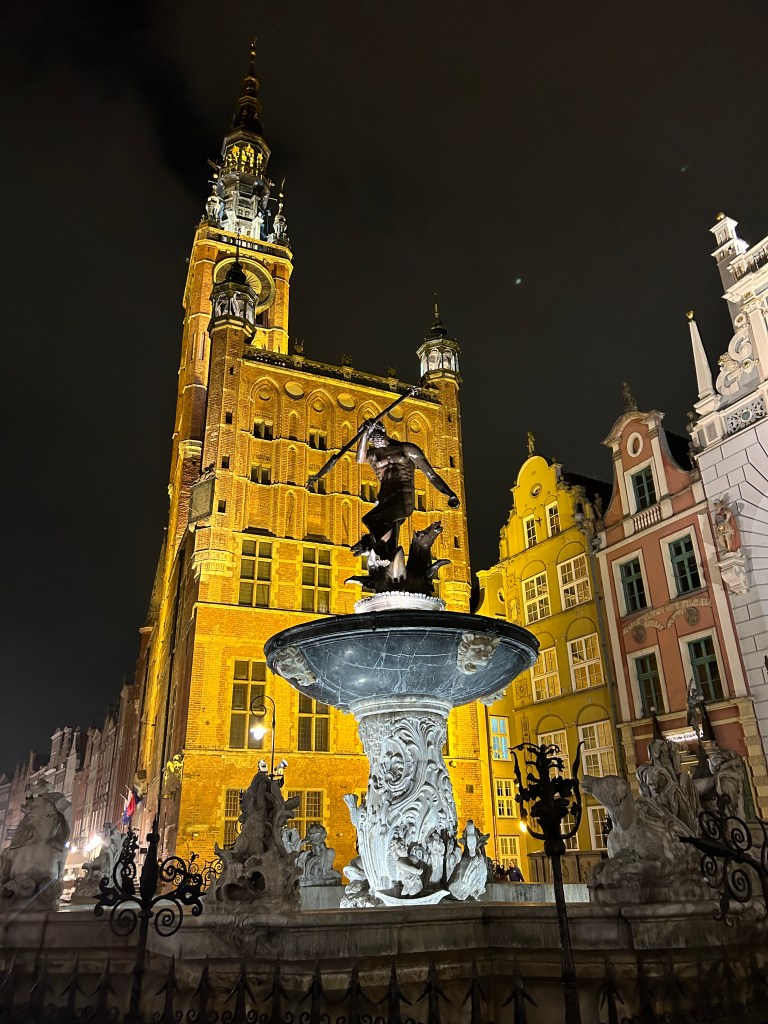
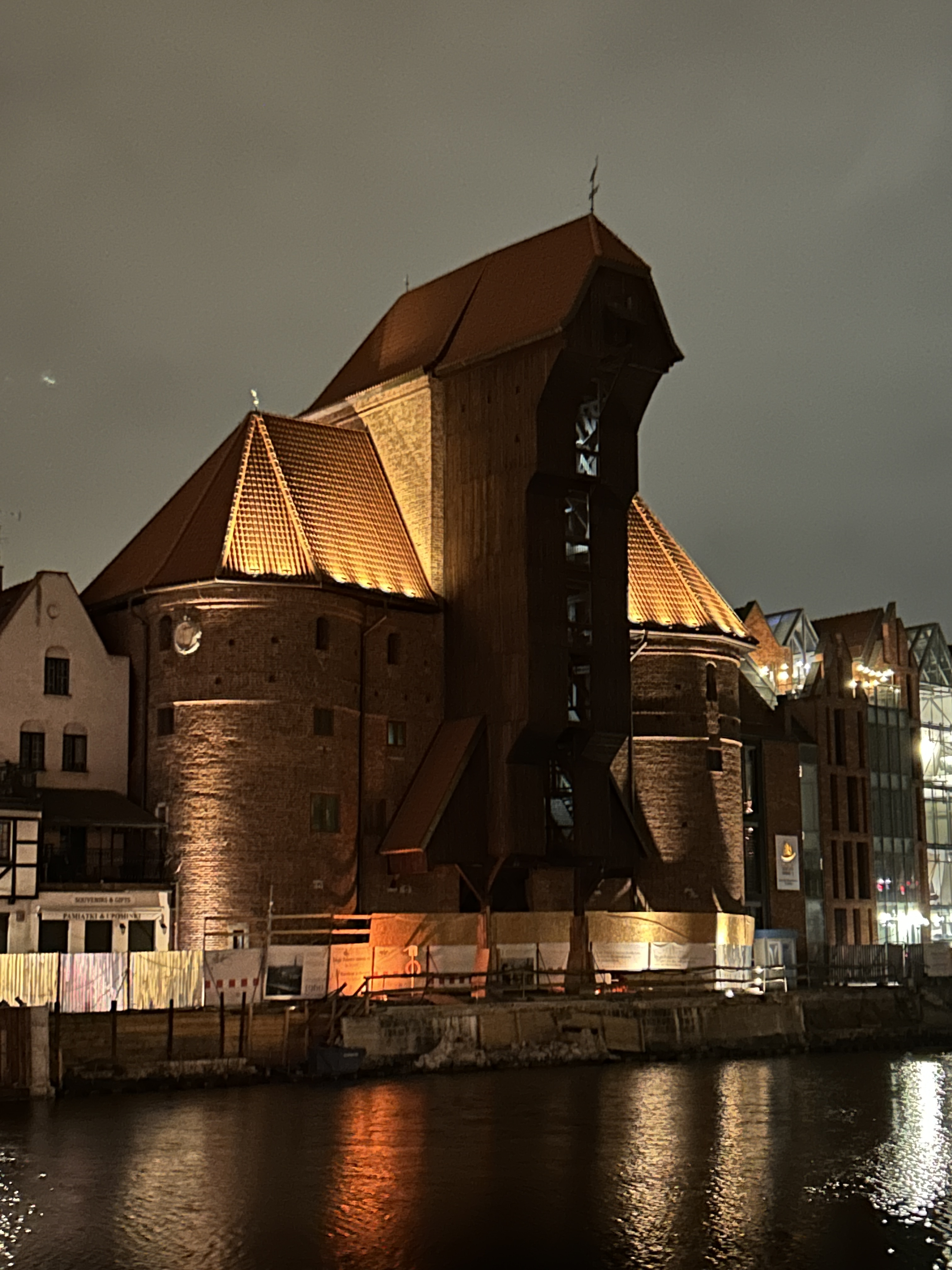
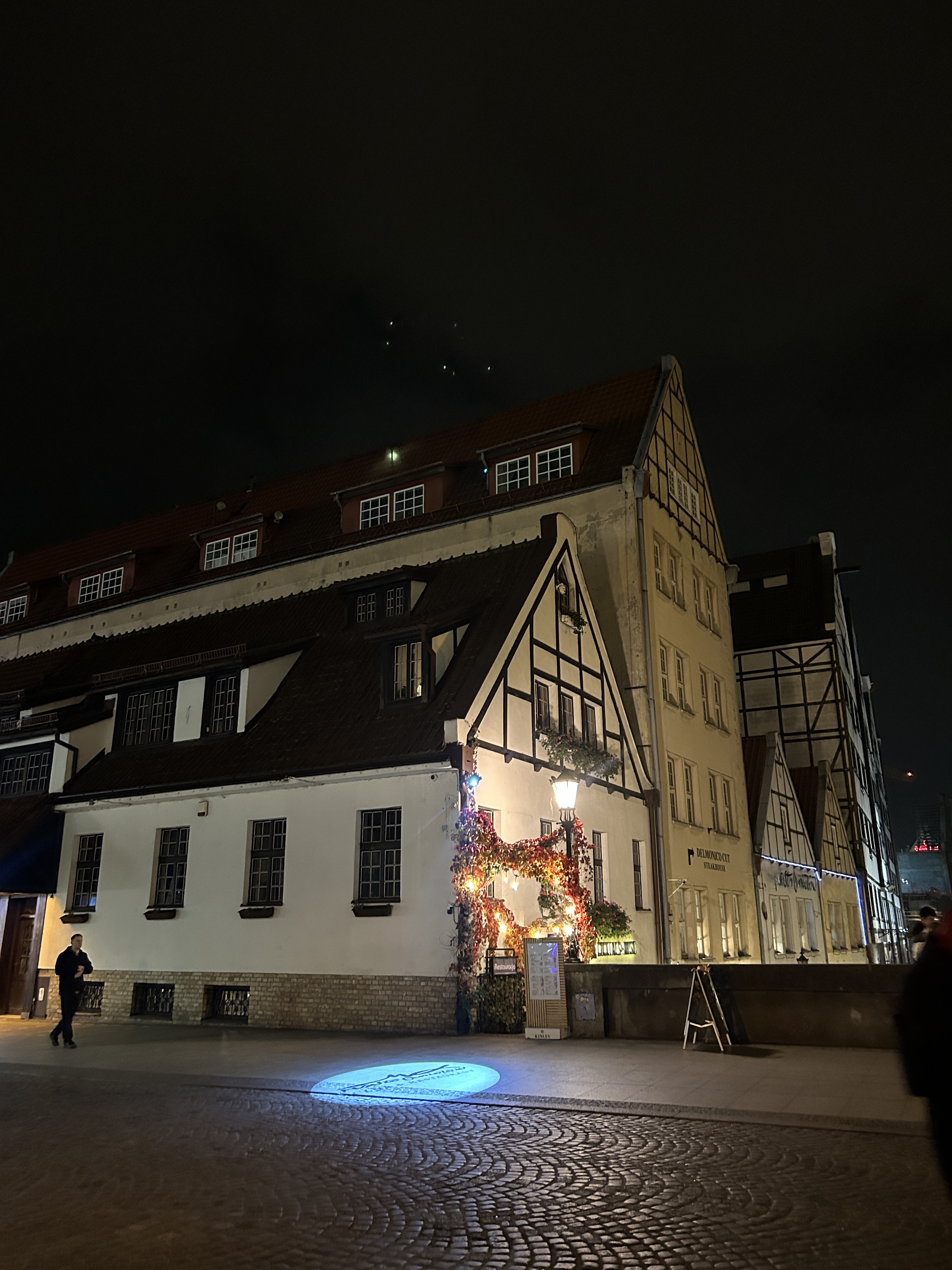
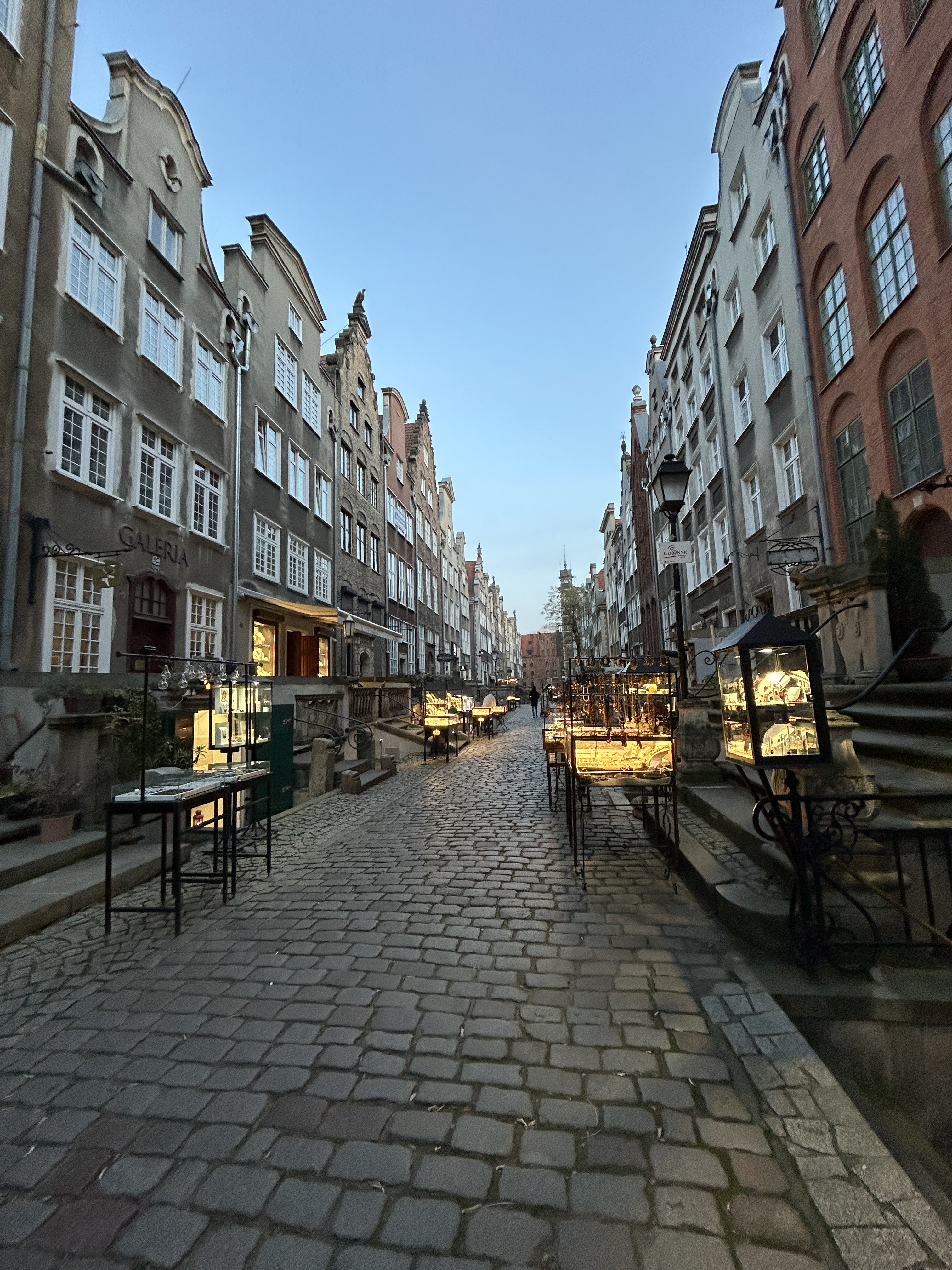
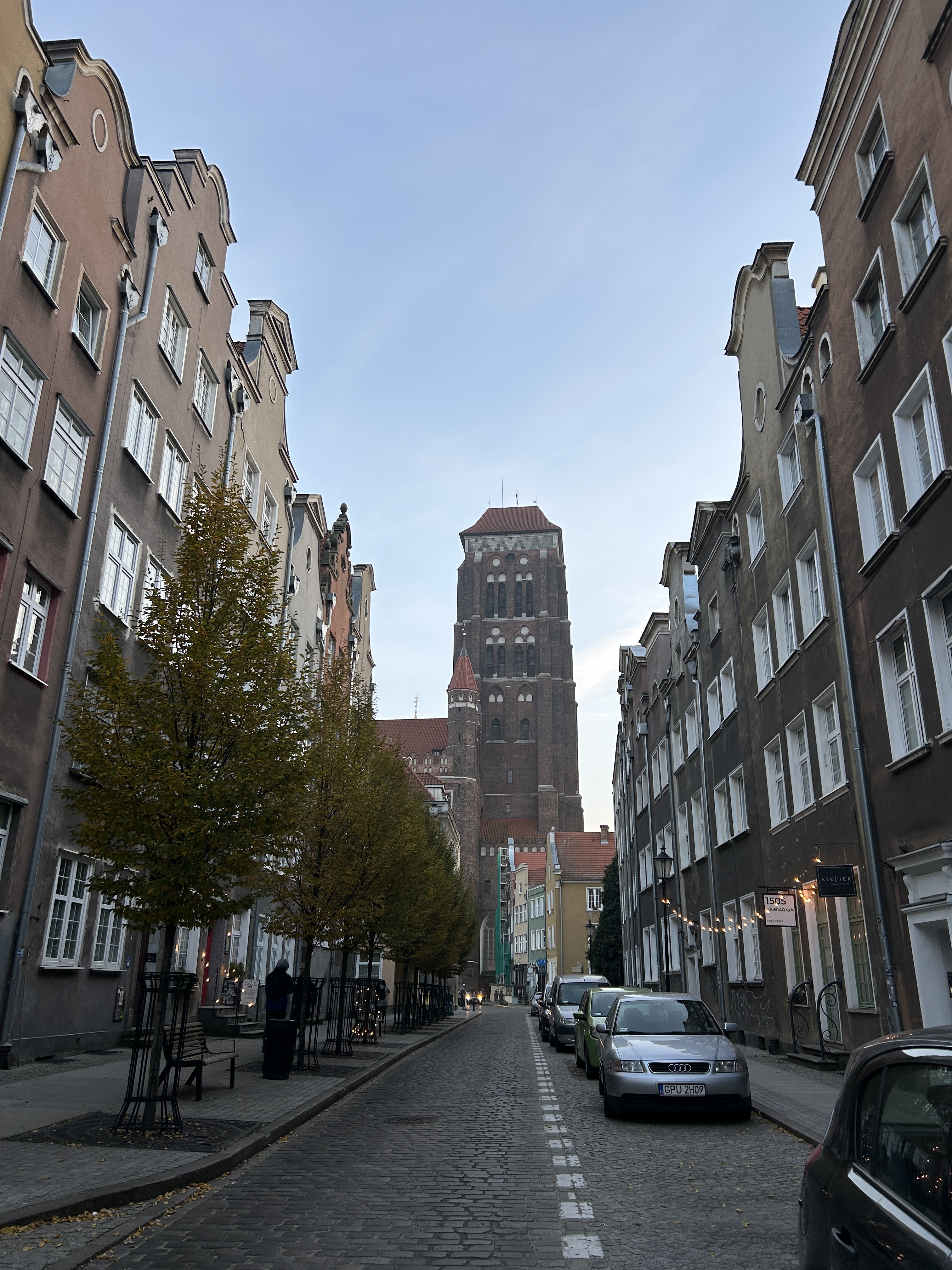
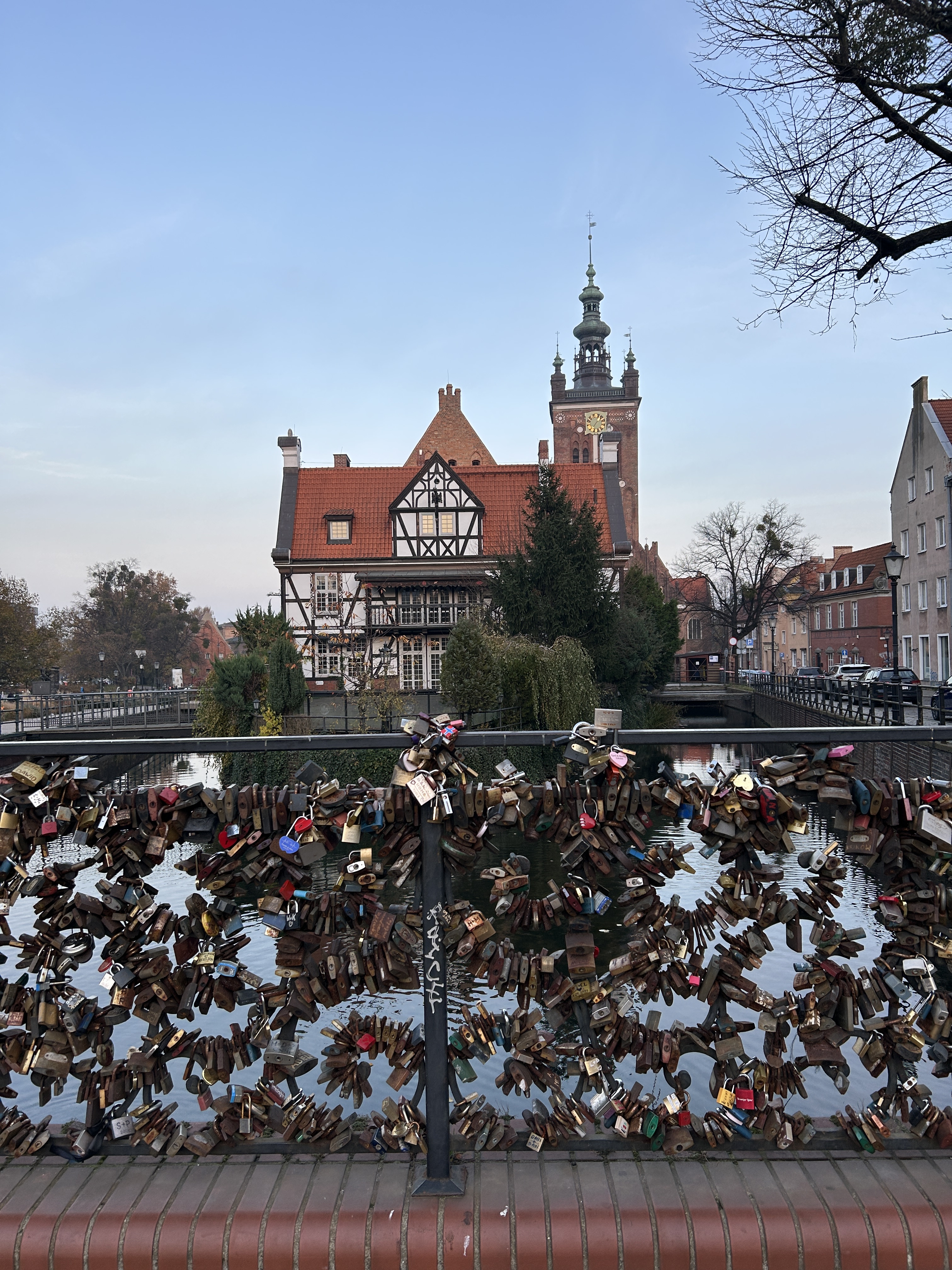
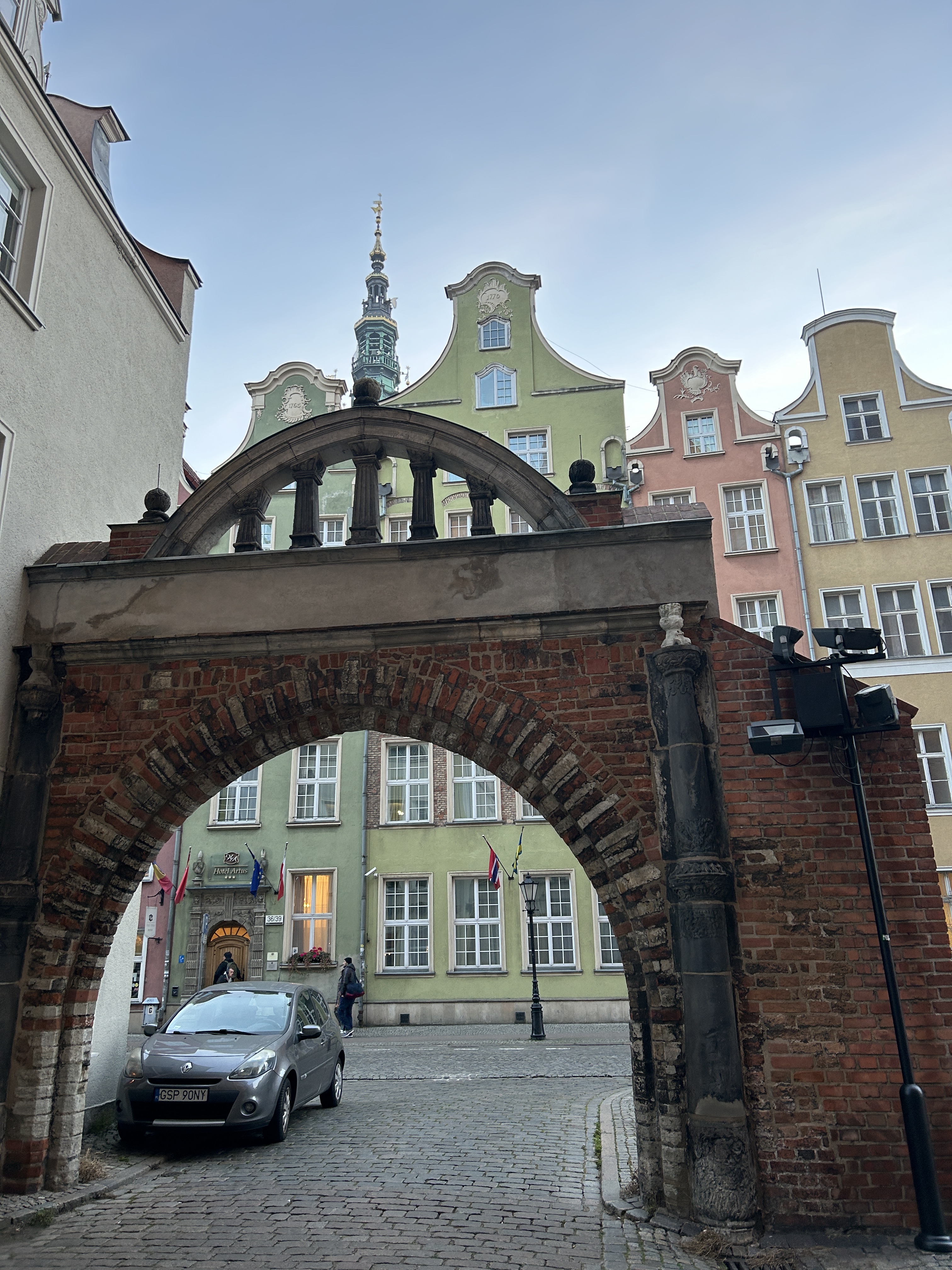
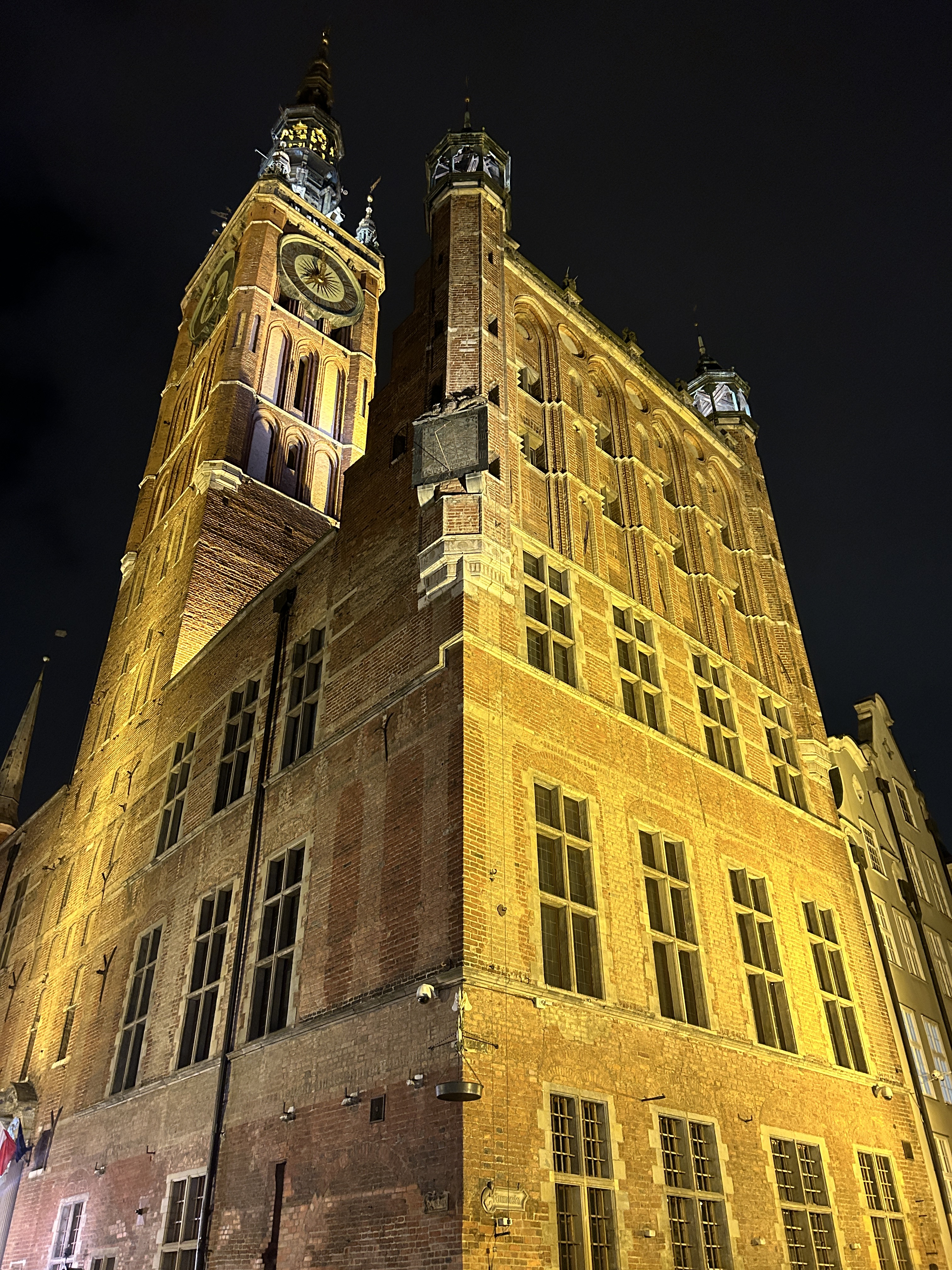
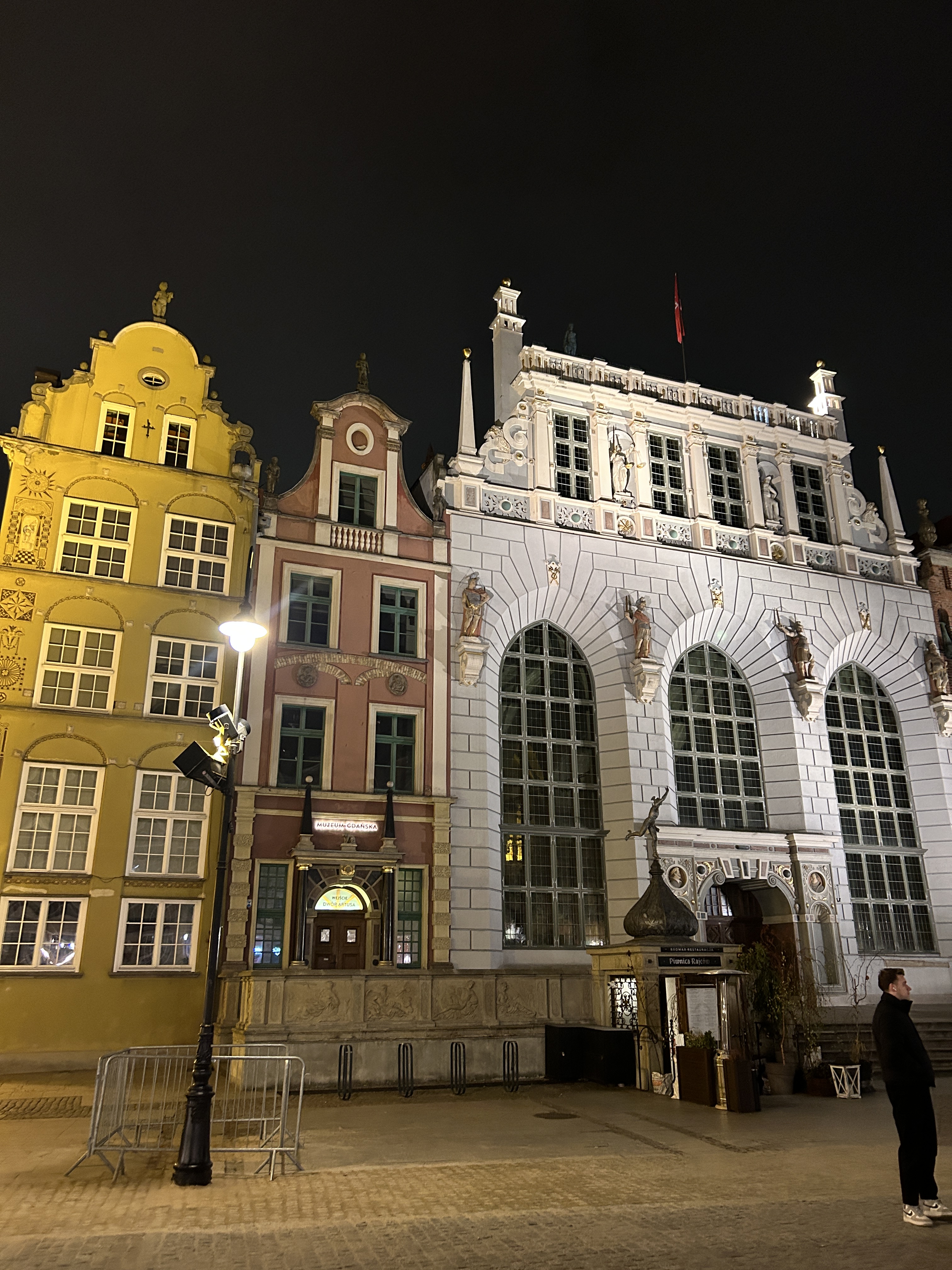
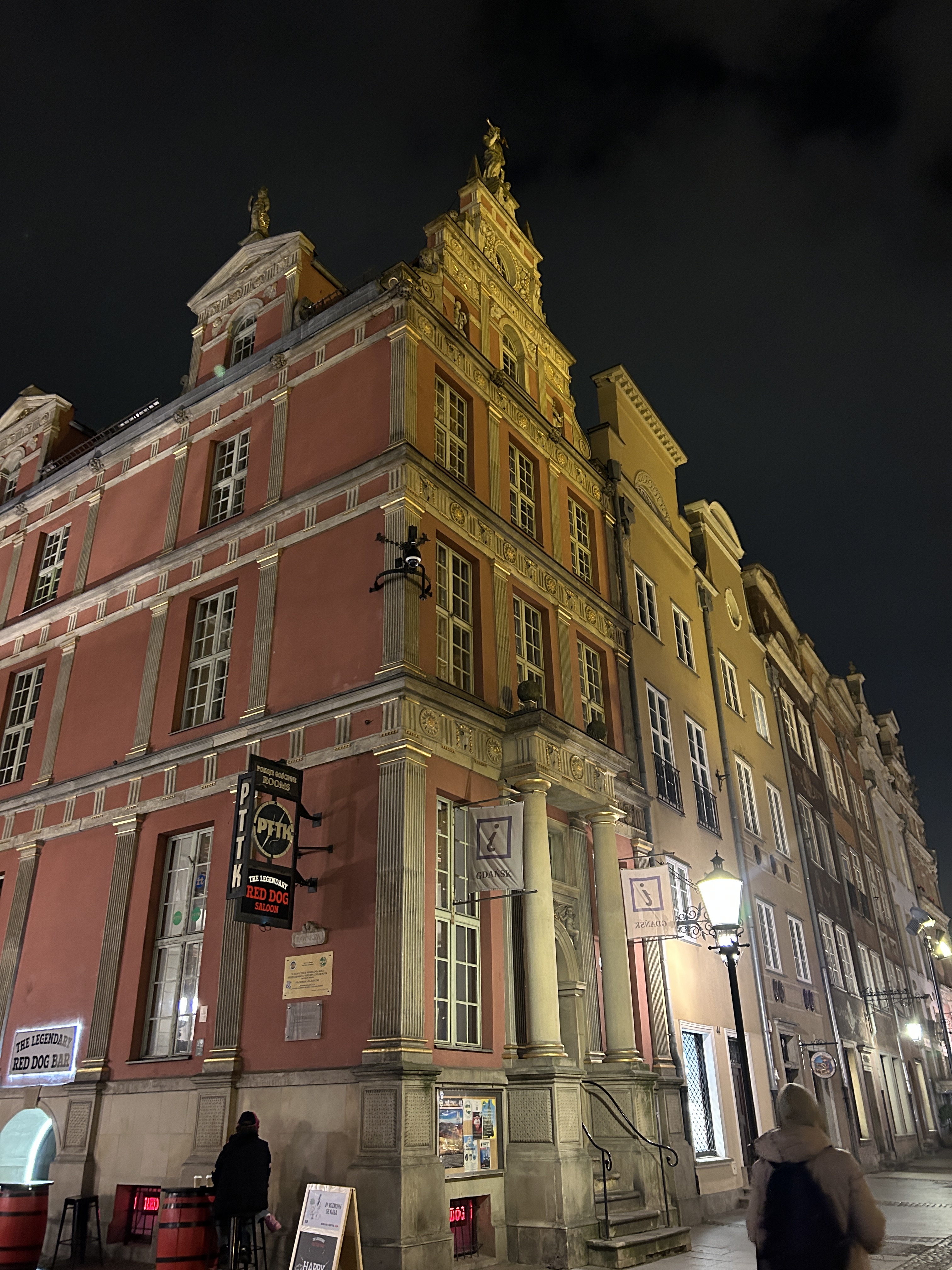
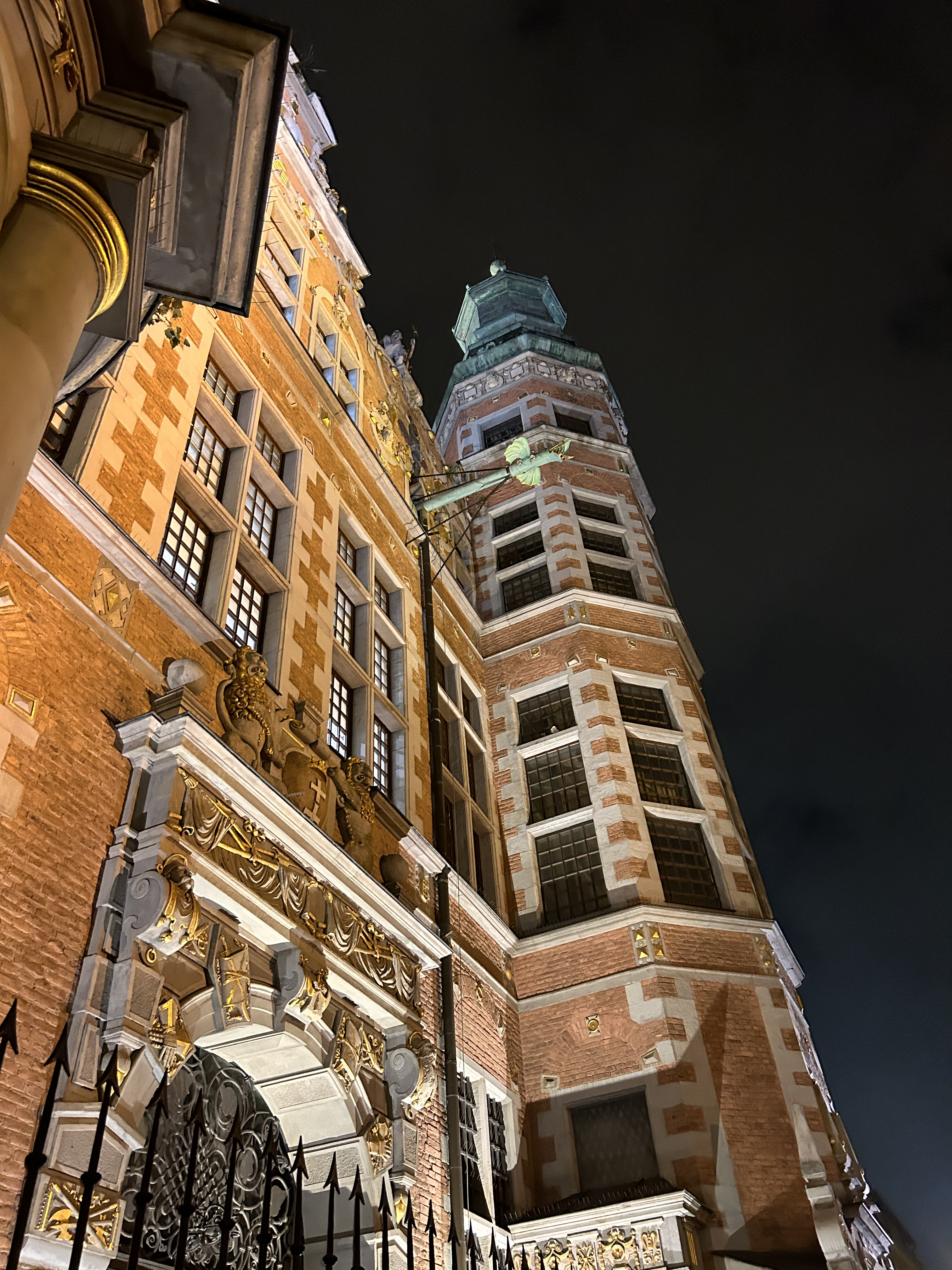
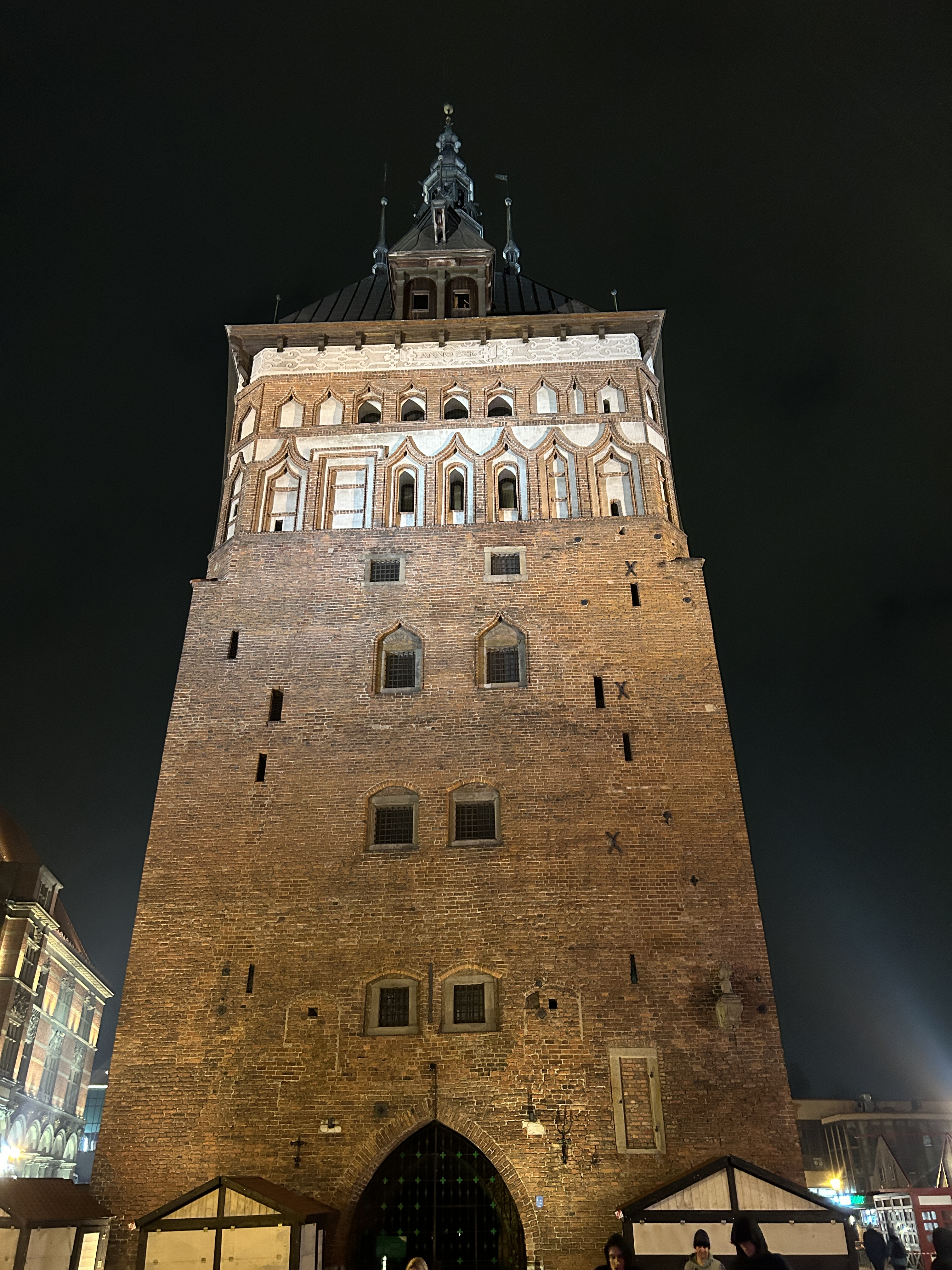
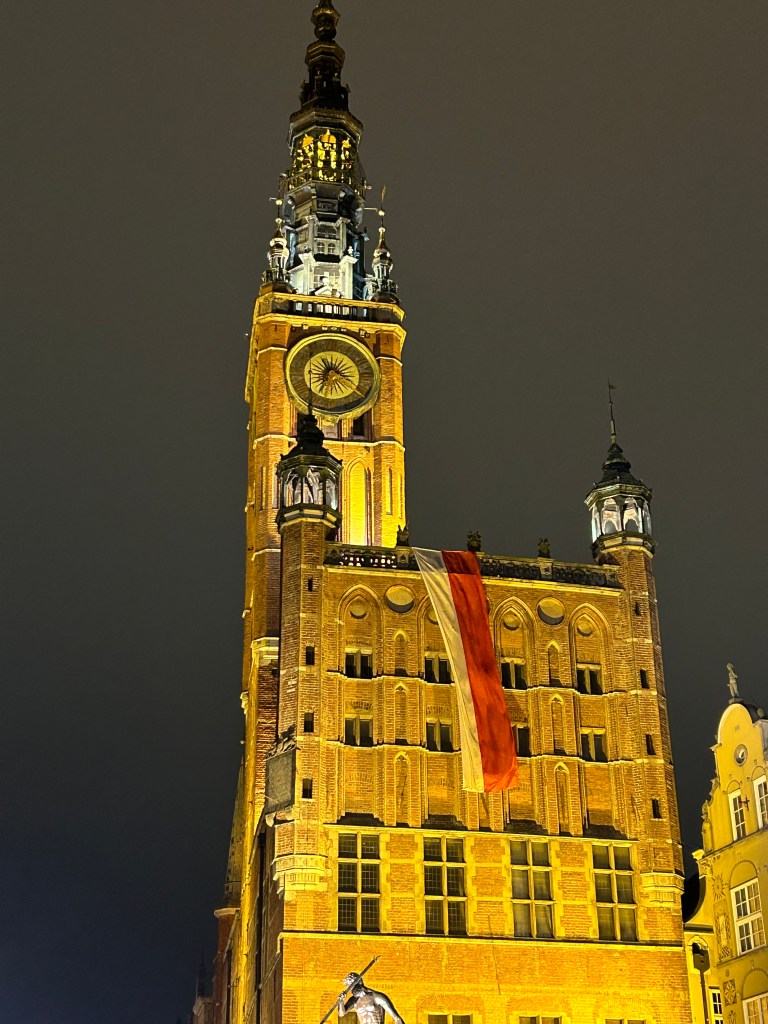
Gdansk sits at the very north of Poland and is often referred to as “The Pearl of the Baltic’. We found a great park up in a camping site at the Polyteknika Sports centre.We had a very busy trainline situated right by us, but that didn’t bother us at all. We had trams into the city centre on our doorstep, or we could walk the mile and a half in, which we did often. The Old Town is simply beautiful. Everywhere we walked I just had to stop and take photos. Every building was incredible. We walked around the Cathedral and then into what ended up being my favourite street there; the Mariacka. To me this street had shades of Amsterdam and New York, as its tall buildings spilt into the street, which came alive at night, lit up with lamps and cases of Baltic Amber jewellery. The whole area was just fascinating, and the river runs through the city, with restaurants and bars lining its banks. We had a steak meal in one restaurant and ended up going there again two days later. It was so good! They ended up being our most expensive meals of the holiday so far!
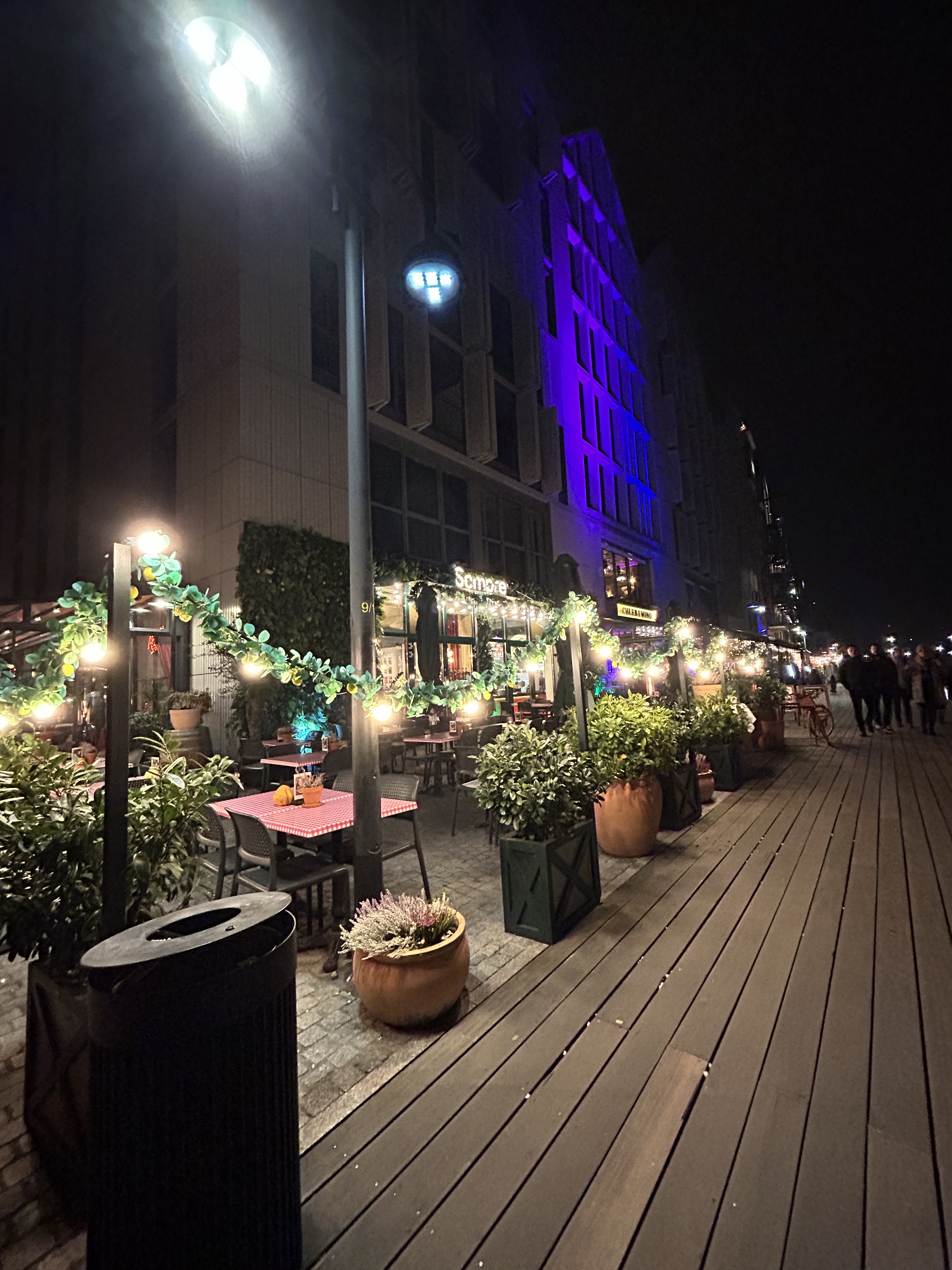
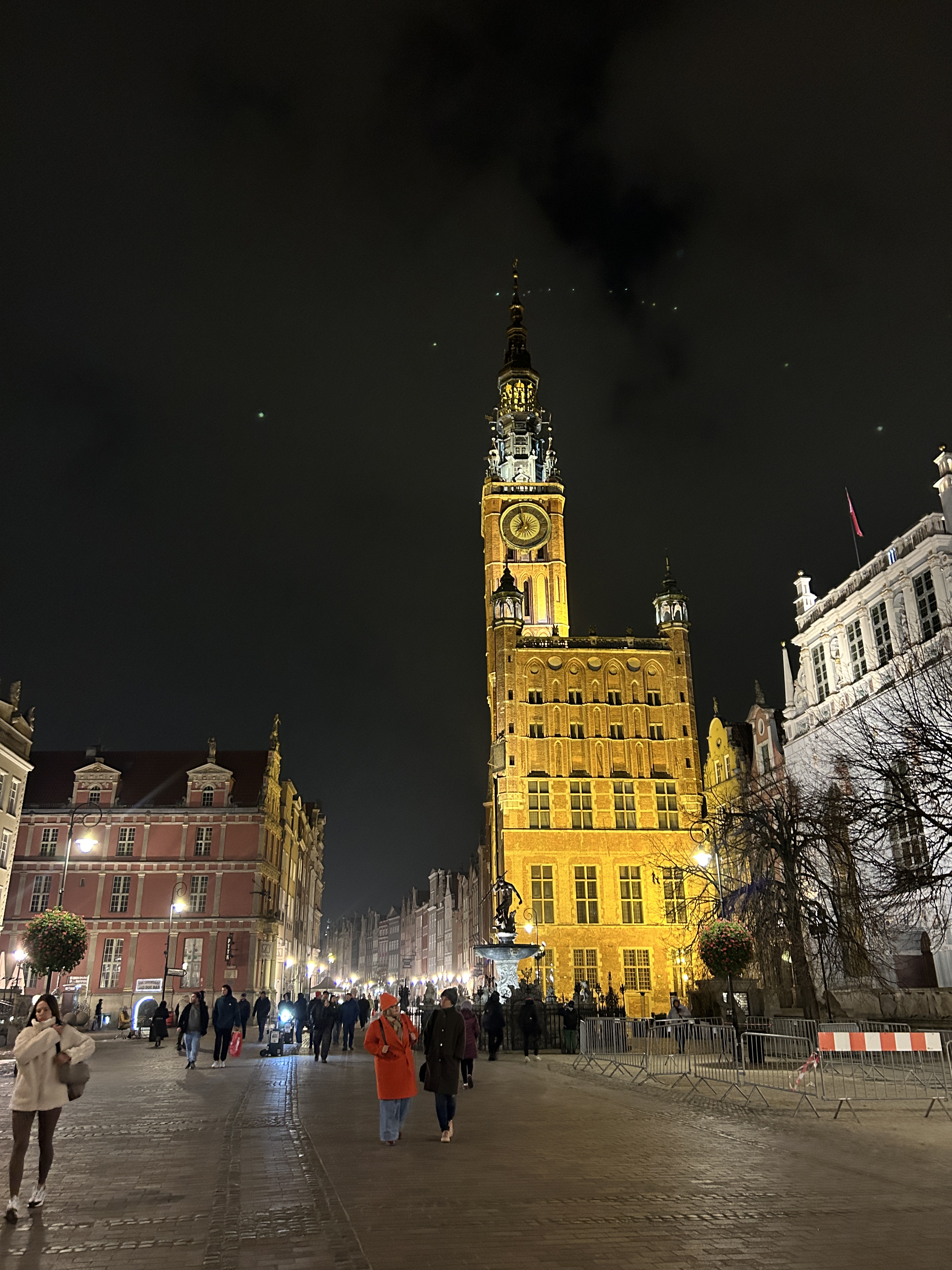
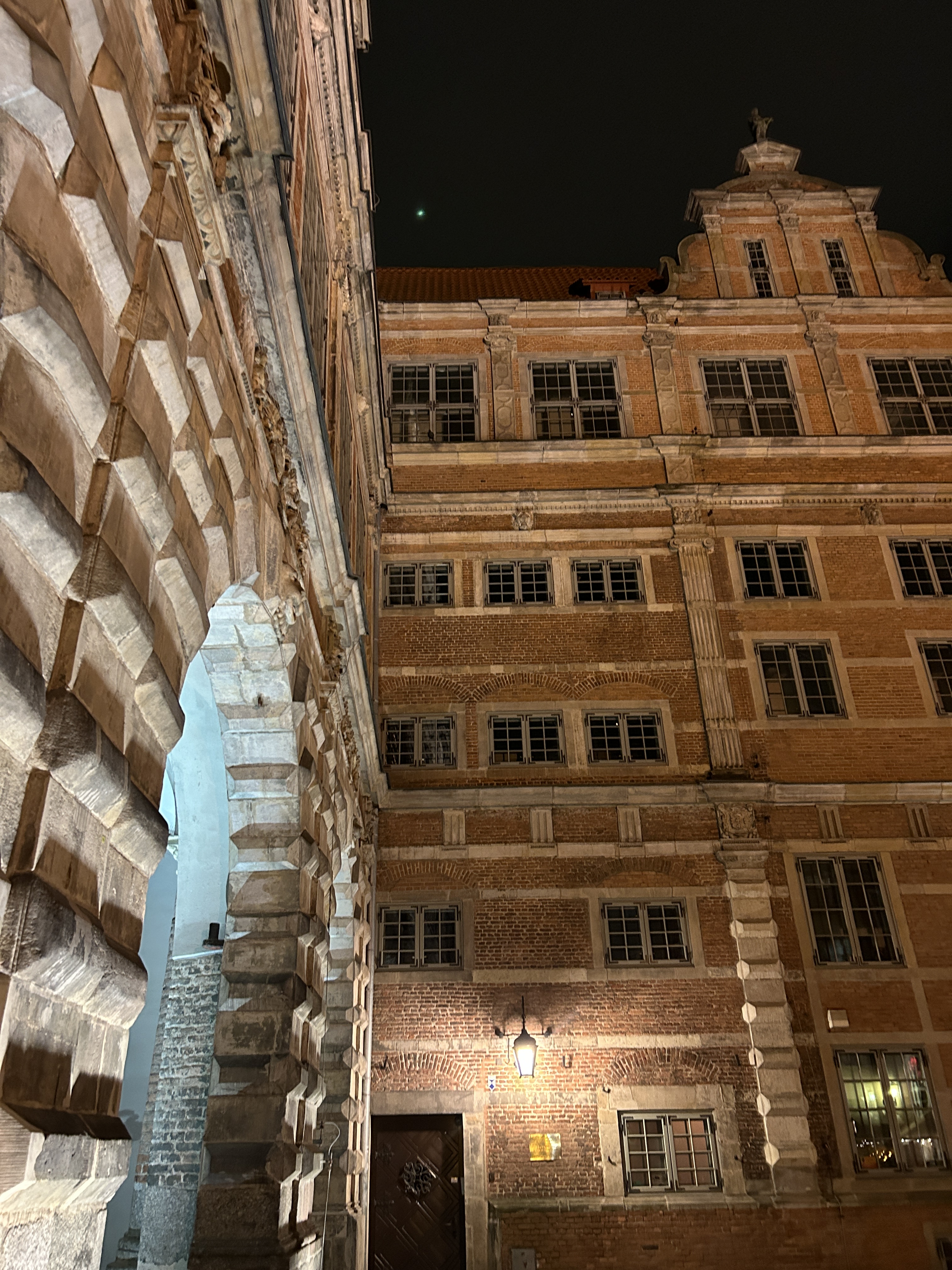
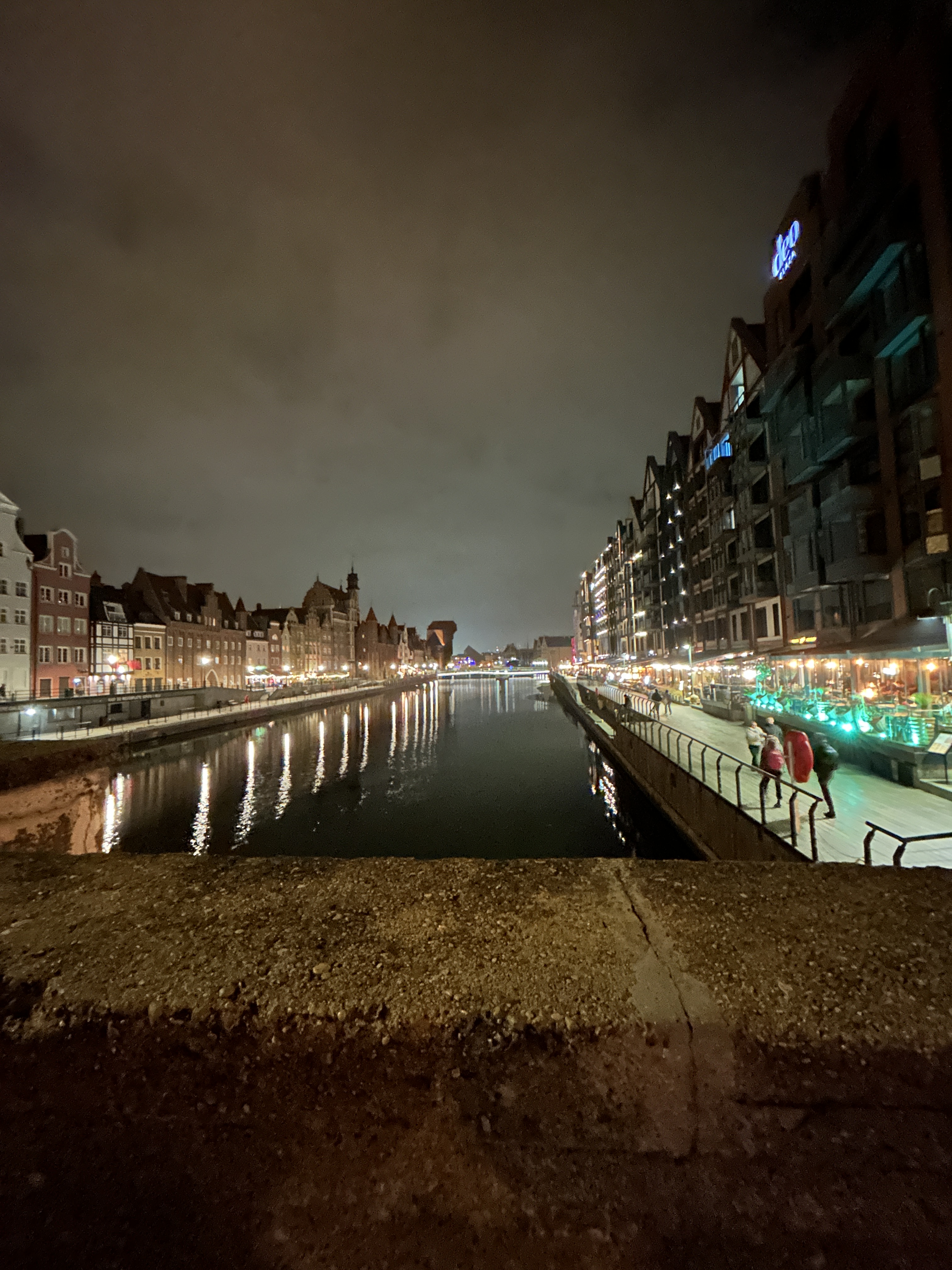

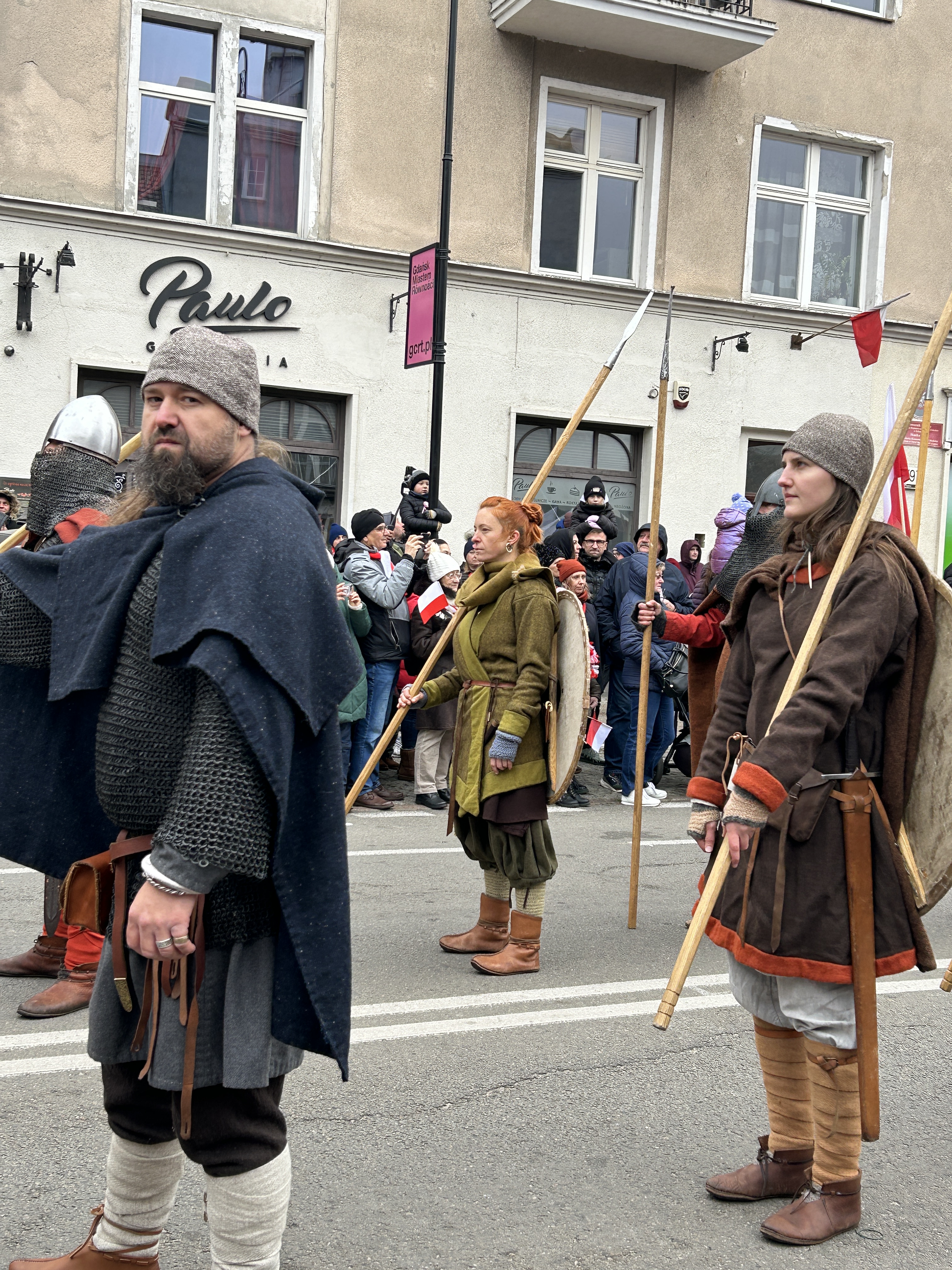
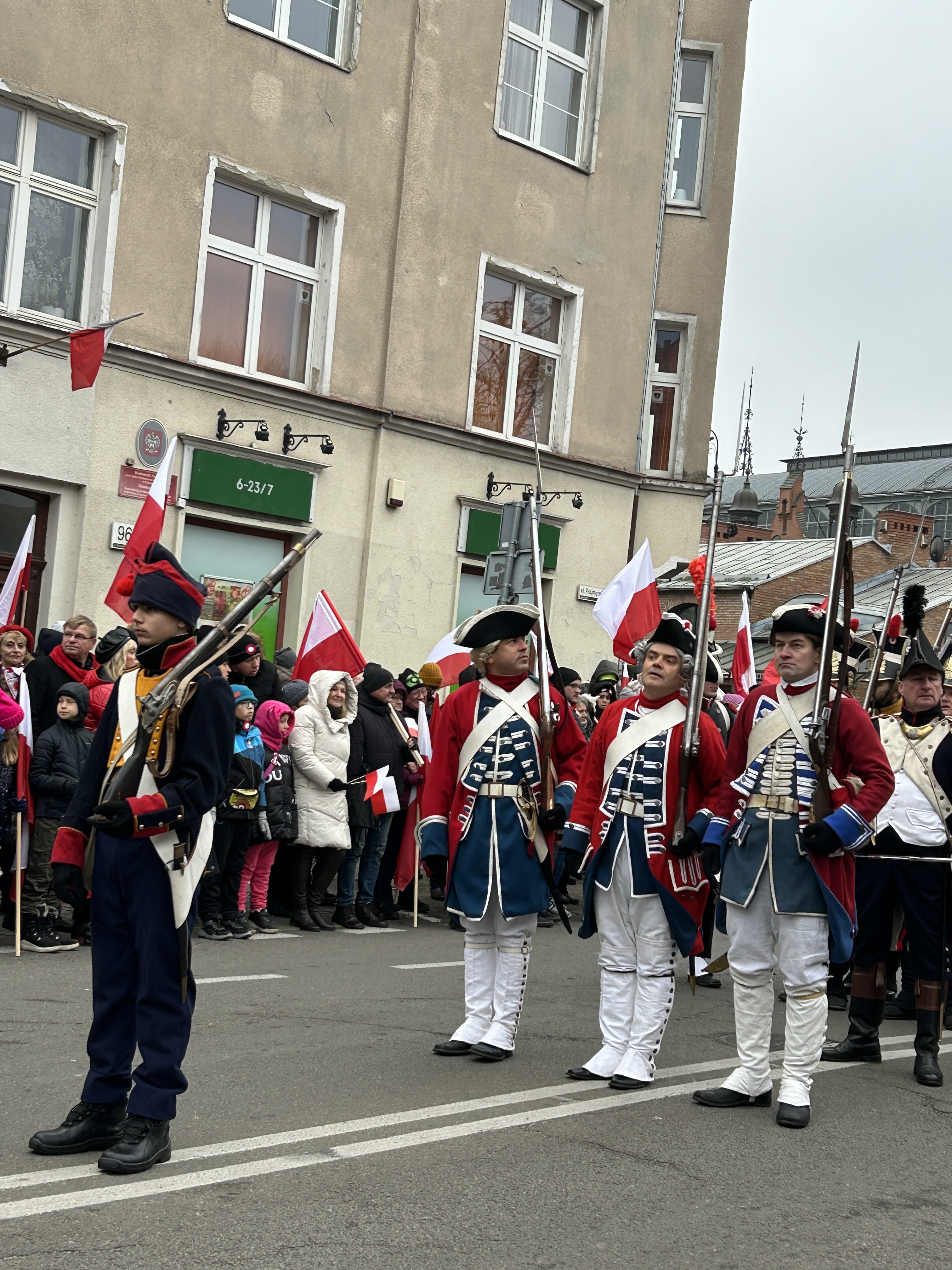
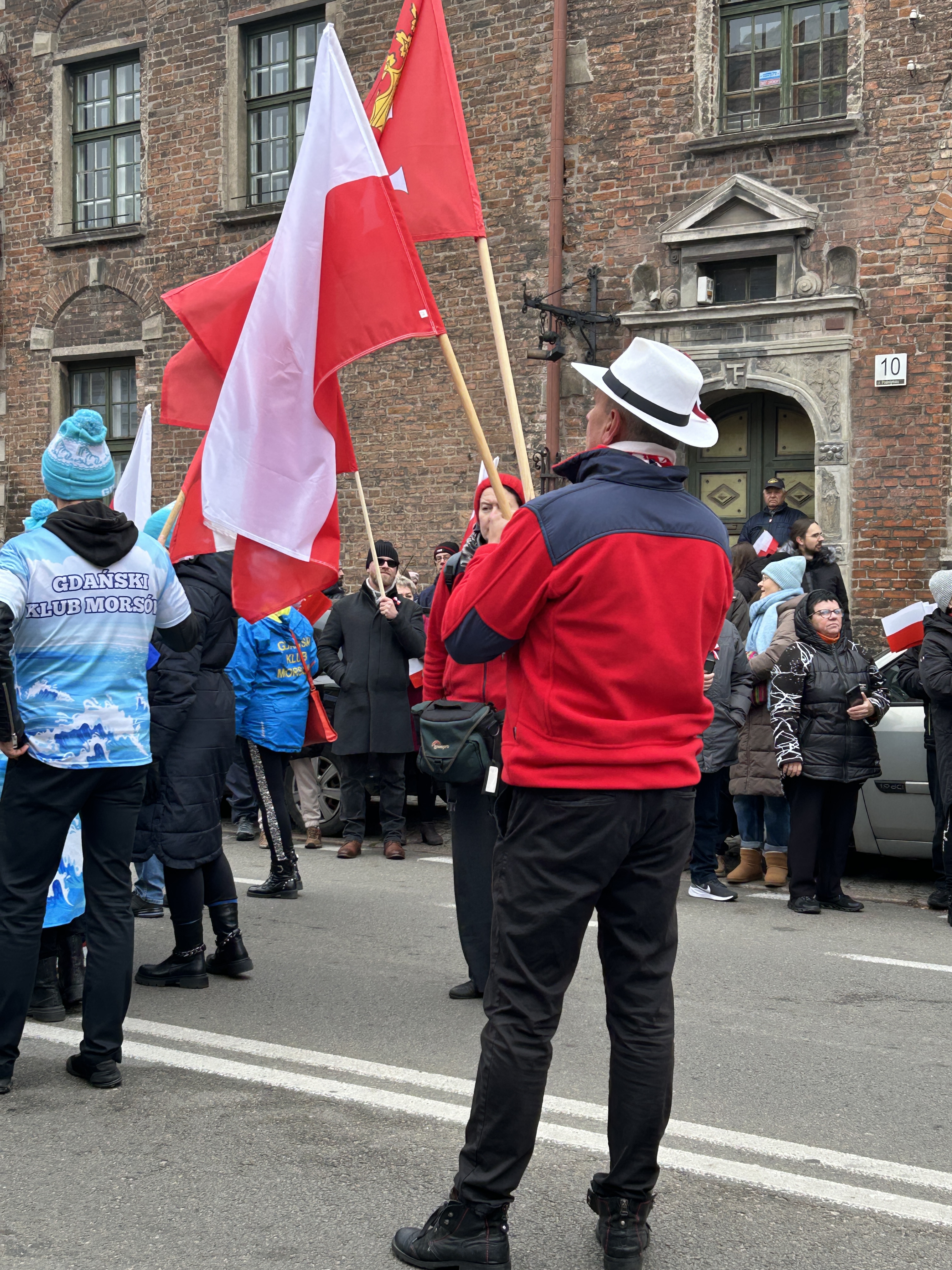
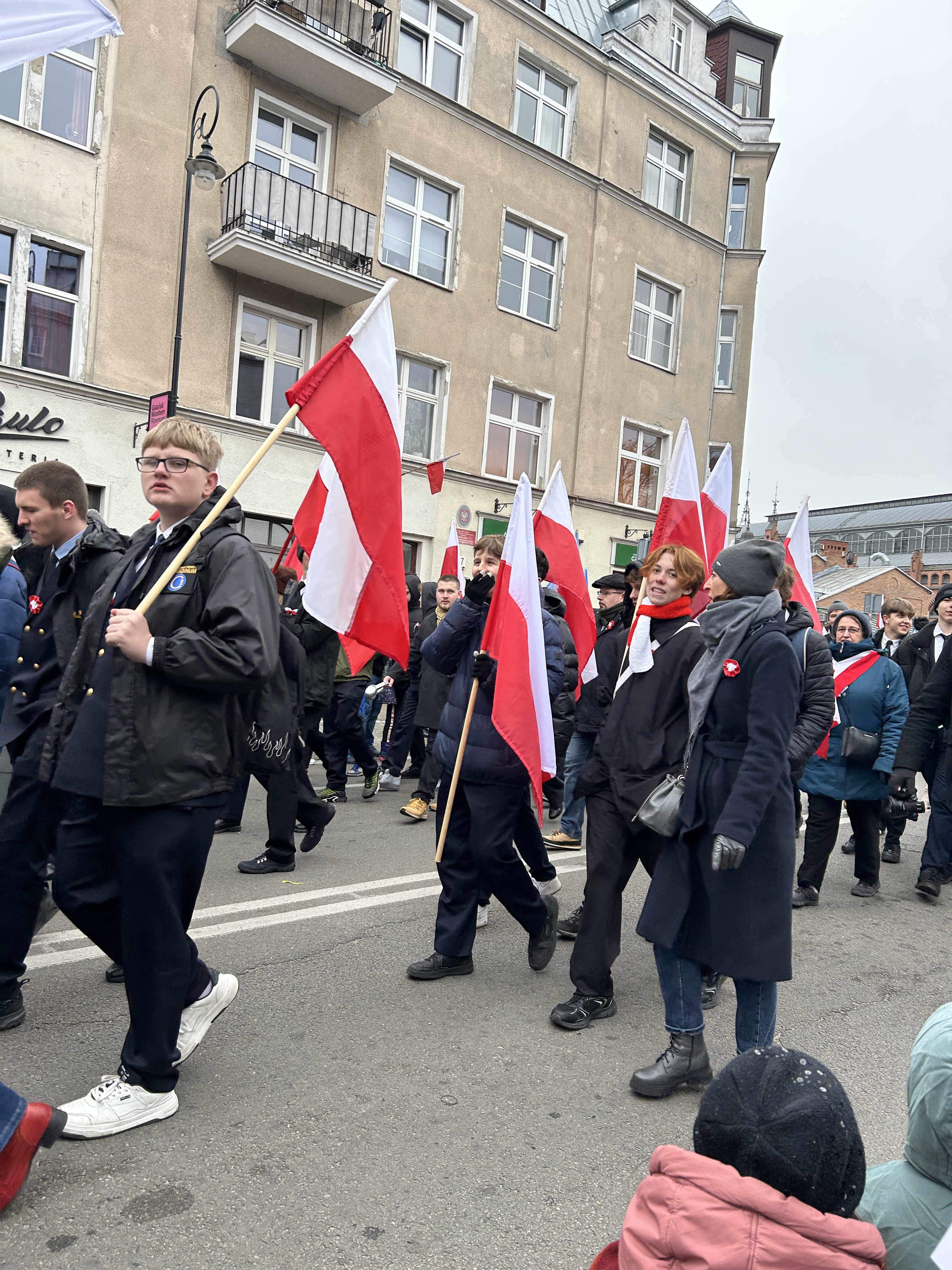
We were supposed to be driving to Warsaw from Gdansk, but some worthwhile googling resulted in us prolonging our stay in Gdansk instead. We realised we were going to be in Warsaw over November 11th, so I googled to see if there was going to be a remembrance parade. Google informed me that that day is of particular importance to the Polish people as they celebrate their Independence Day then, with a huge military parade. We decided with the ensuing crowds, road closures, police presence and traffic chaos we would stay in Gdansk and watch their parade instead. The day before saw Polish flags being put up on every lamp post and building. The day itself saw just about every Polish person with a red and white flag, face painting or scarf. We walked into town and stood in a sea of red and white for over an hour as the parade went past. It had everything from bands, to buses, to stilt walkers, to schools, to historical re-enacatments to classic cars. It was busy, but quite a sight to see. We opted to not join in the “family photo” and singing of the National Anthem in the main square, and found ourselves in an Armenian cafe for a much needed coffee and pastry, to warm up, watching as the baker made his fresh dough.

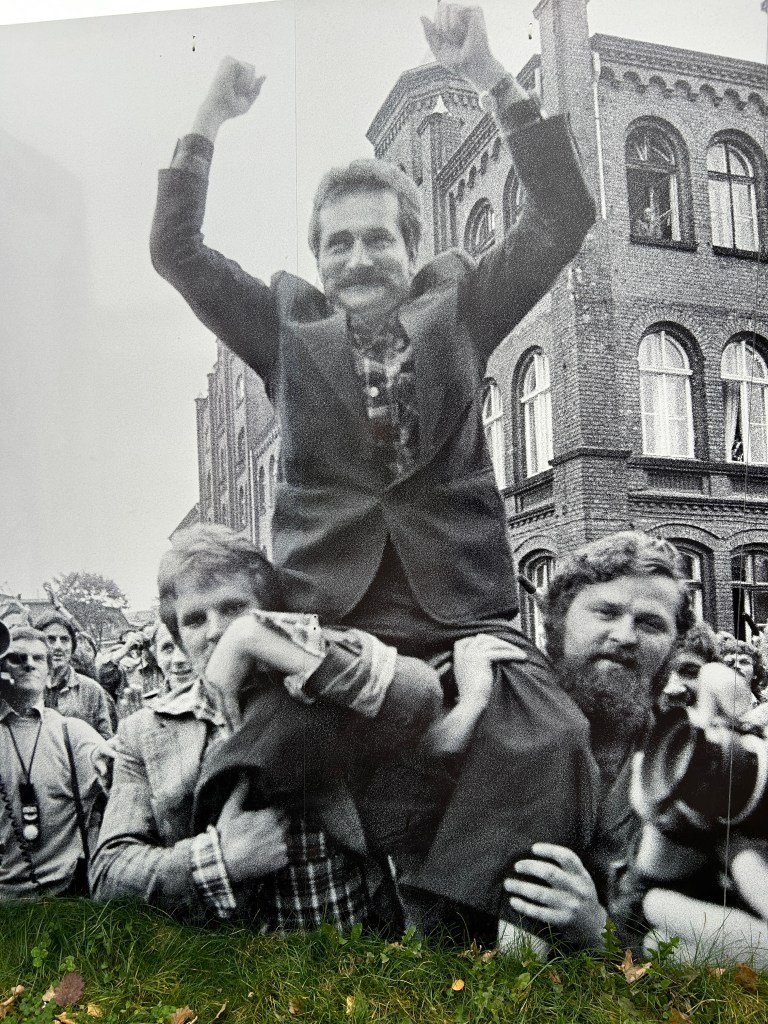
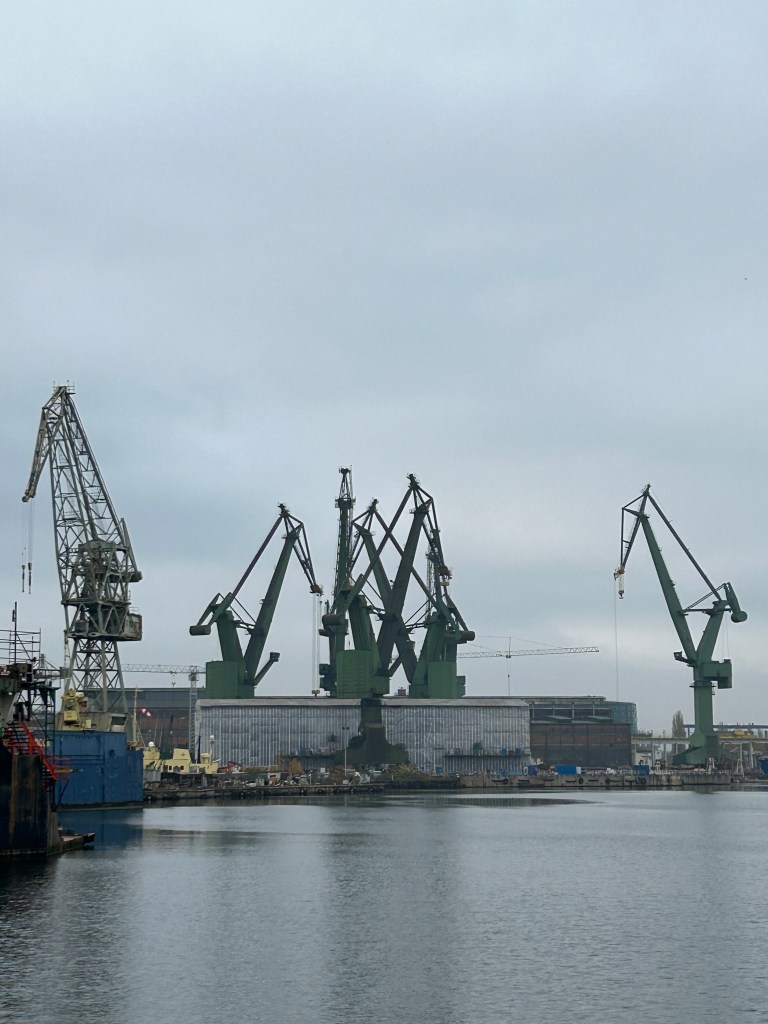
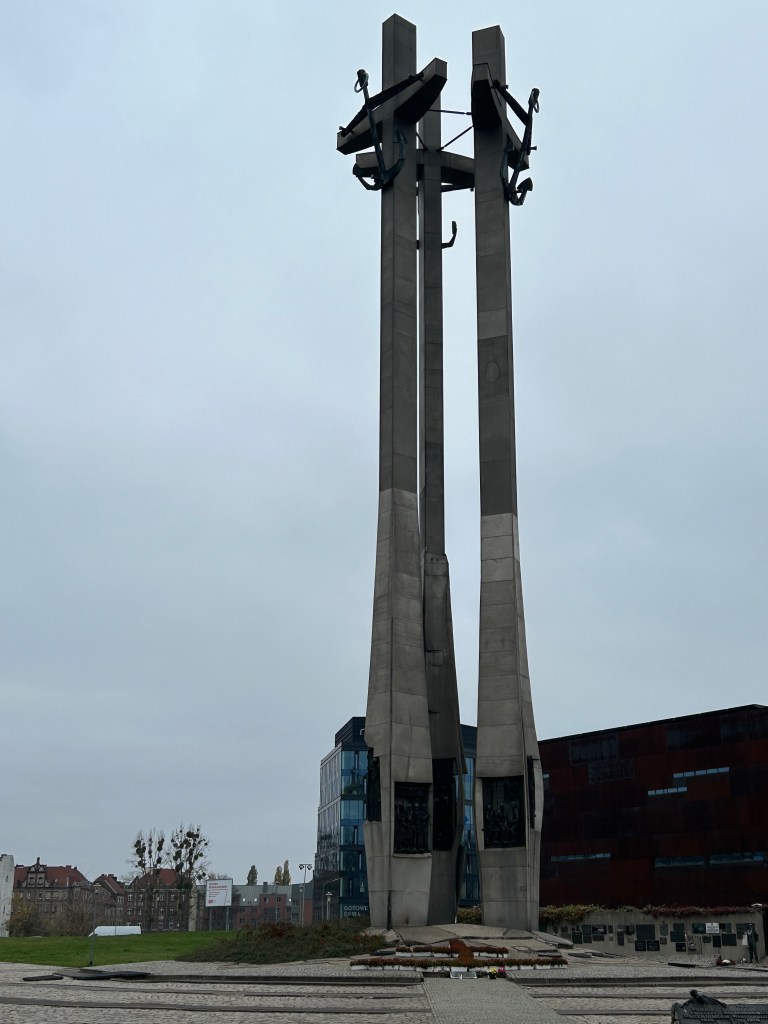
Gdansk is famous for its historic shipyards and their spokesperson Lech Walesa. The shipyard cranes dominate the Gdansk skyline, and we were camping in their shadow. The excellent Solidarity museum was situated near the shipyards and made for a very interesting 2 and a half hour visit. As you get to the museum you are met with the imposing Memorial to the Fallen Shipyard Workers of 1970 which is a tribute to those who lost their lives during the protest against the communist regime.
The Solidarity Movement “Soldiarnosc” began in Gdansk in 1980 as a trade union advocating for workers’ rights and broader social reforms under communist rule. Lech Walesa, who was an electrician at the Gdansk Lenin Shipyard led the strikes, which quickly gained national support, becoming the first independent labour union in the Soviet bloc. Solidarity’s demands included better working conditions, freedom of speech and political freedoms. The movement’s rise pressured the government into accepting the Gdansk Accords which granted the workers the right to strike and organise independently. In 1981 martial law was declared, and Solidarity was banned, but it continued underground. By the late 1980s widespread economic crises and continued opposition forced the government to negotiate. This led to the Round Table Talks in 1989 resulting in semi-free elections, where Solidarity candidates won major victories. The success of Solidarity laid the foundation for Poland’s democratic transition, with Walesa becoming Poland’s first post communist president in 1990.
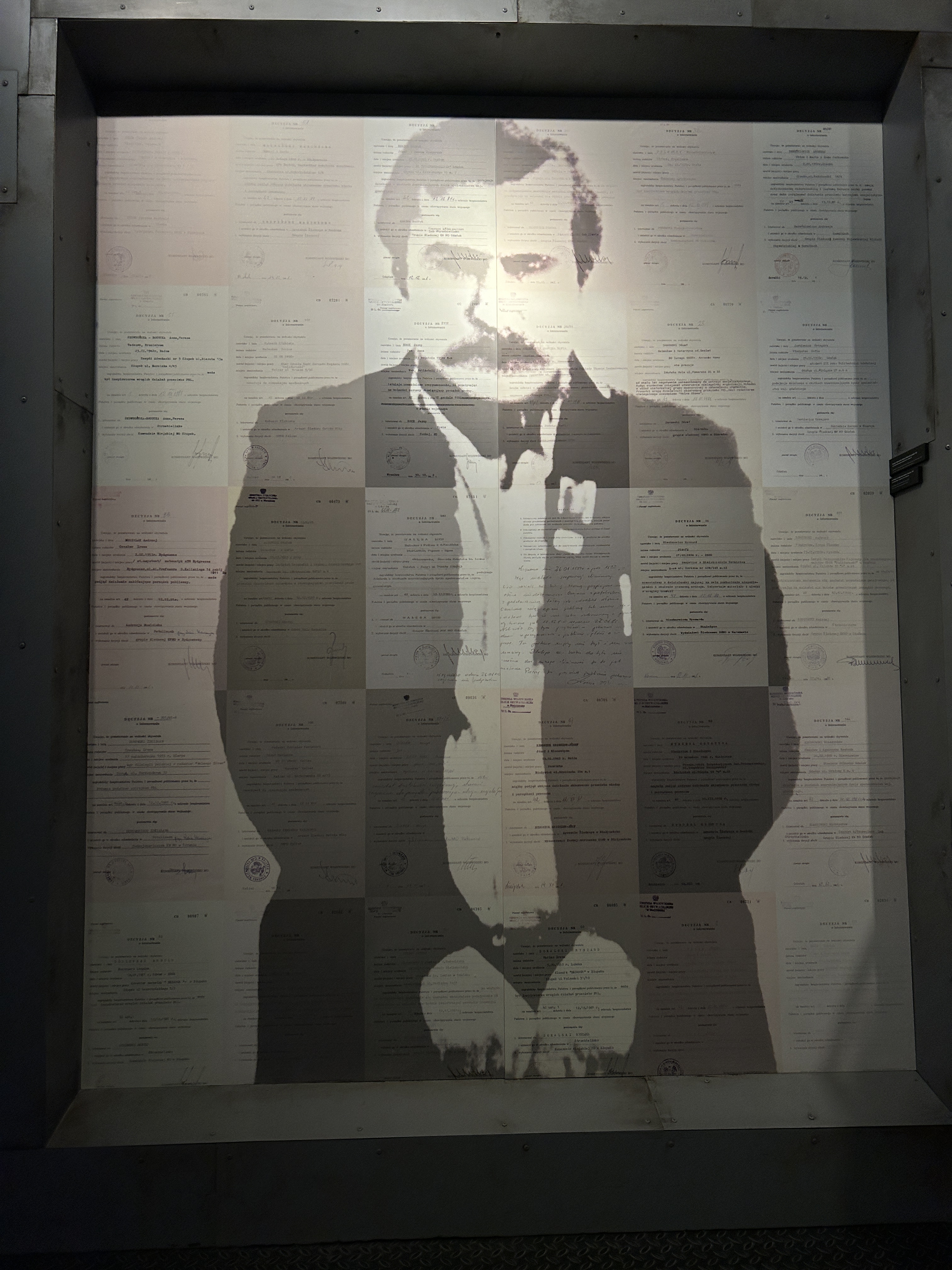
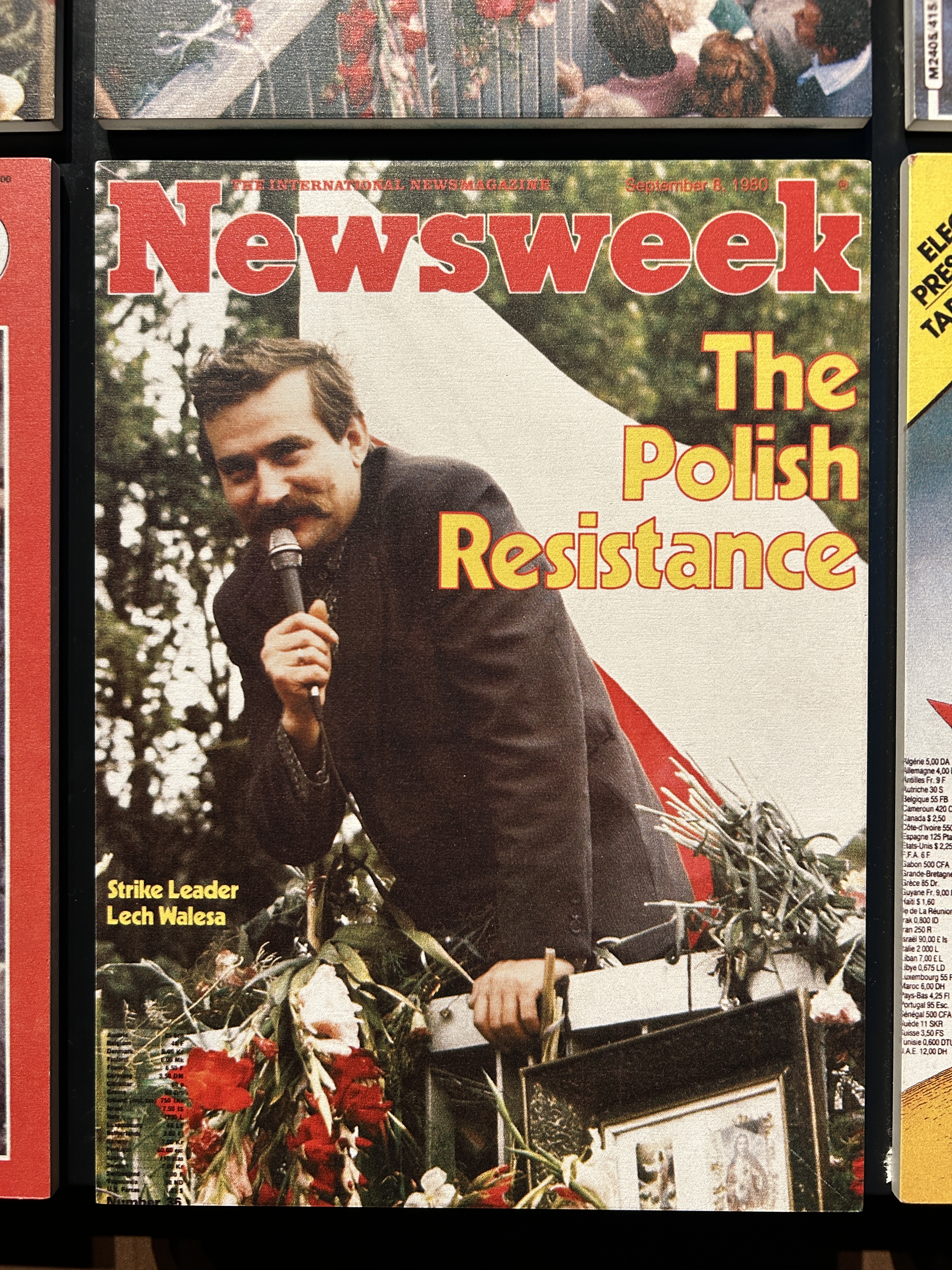

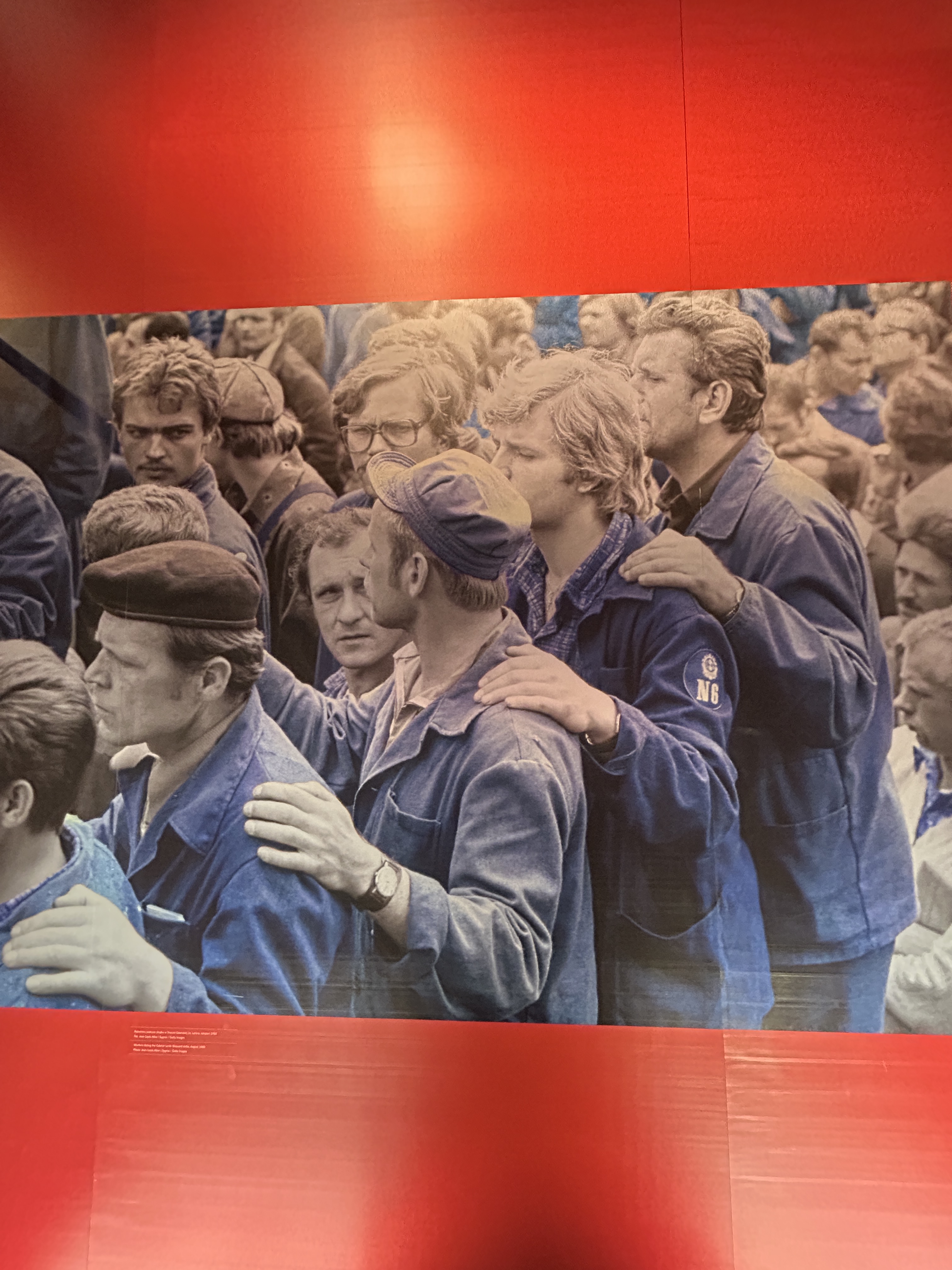
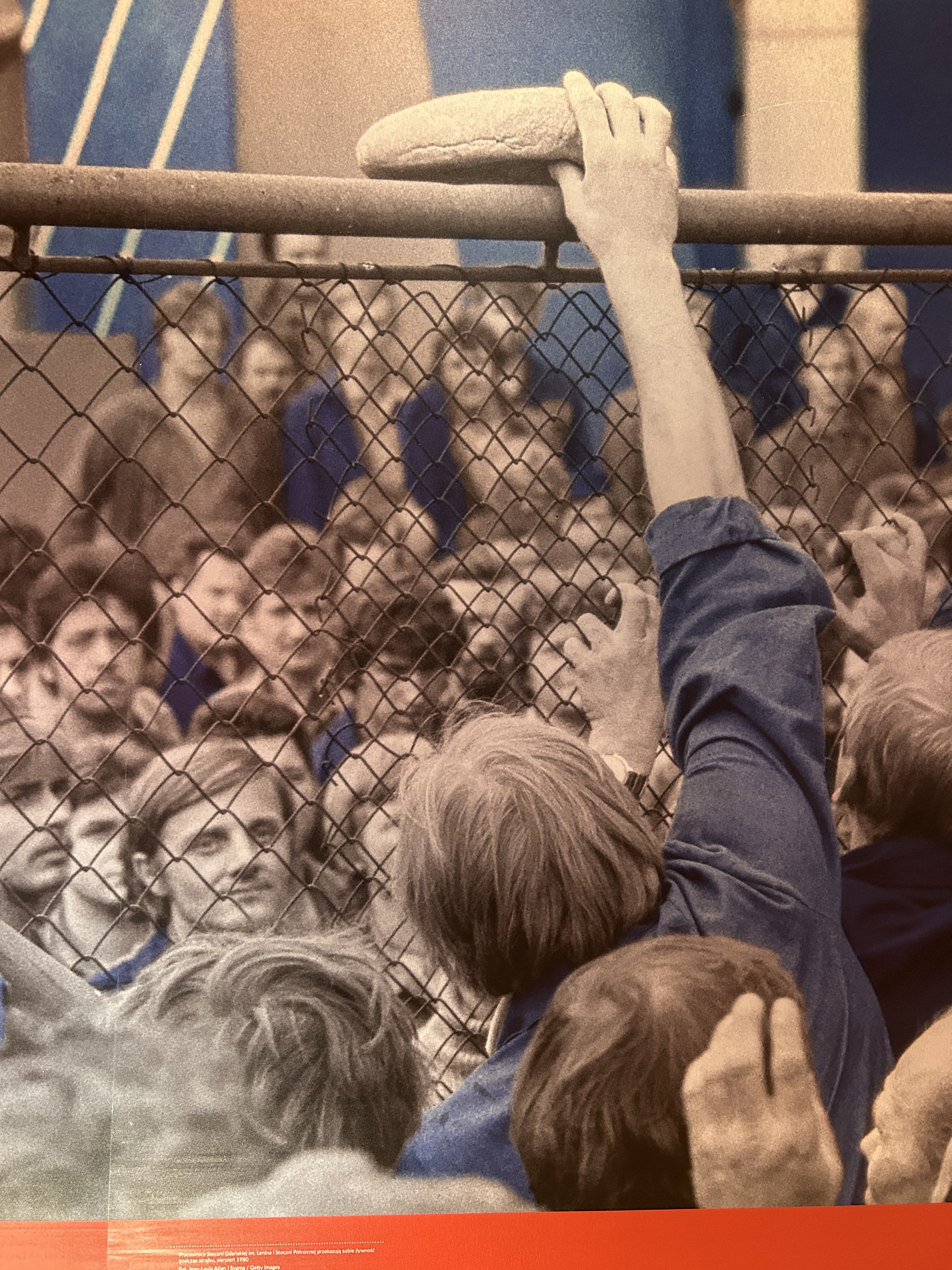

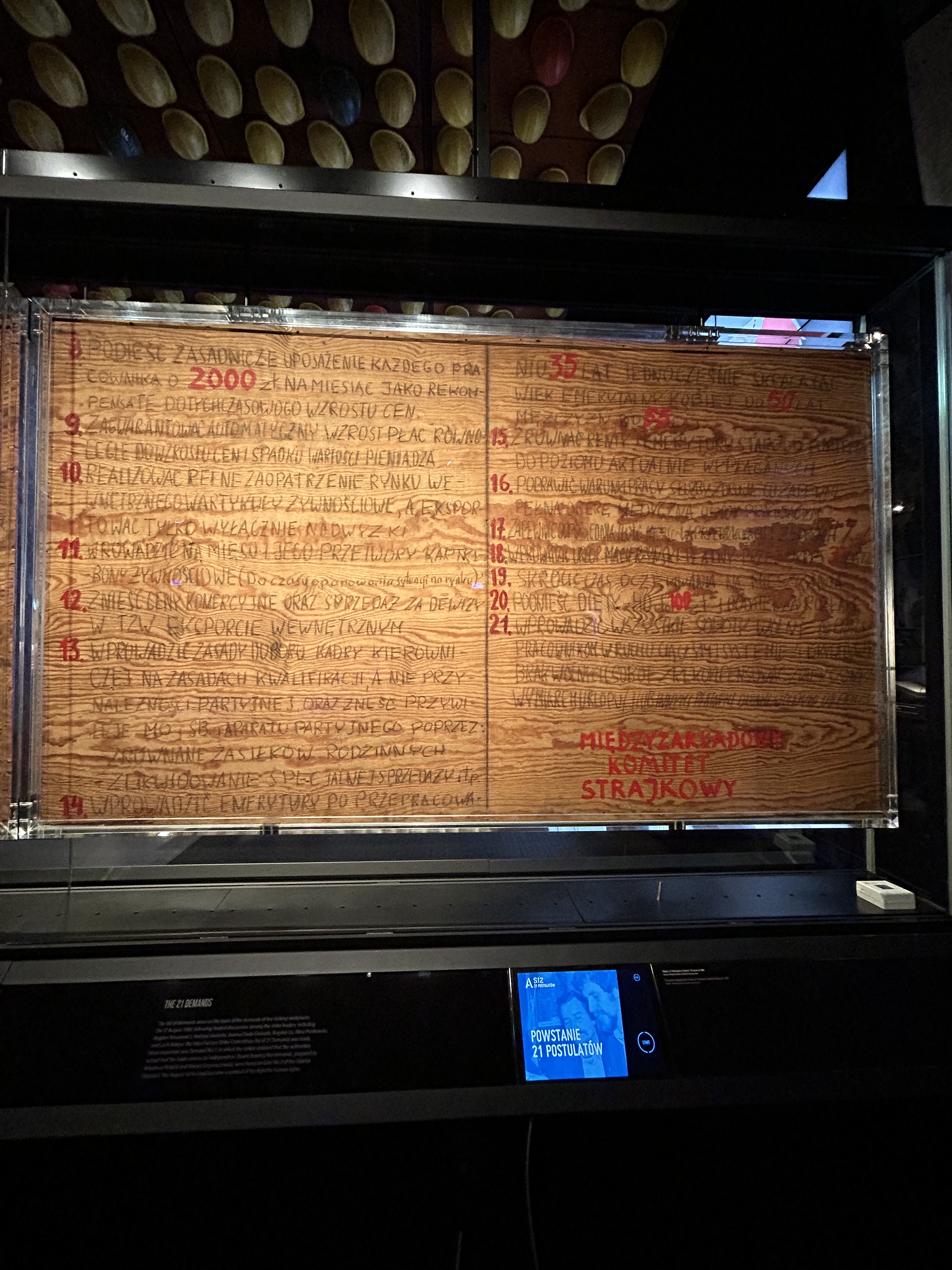
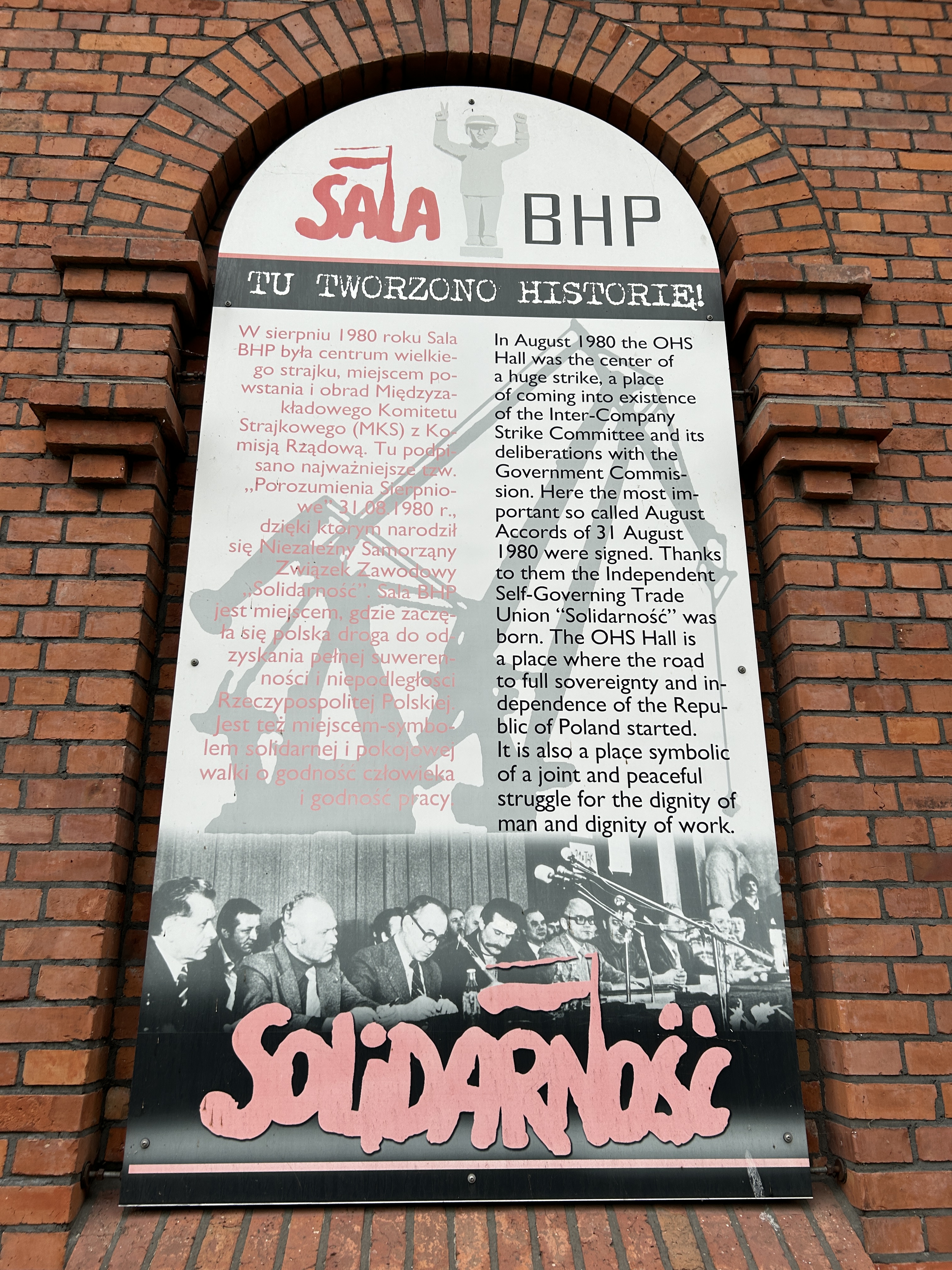
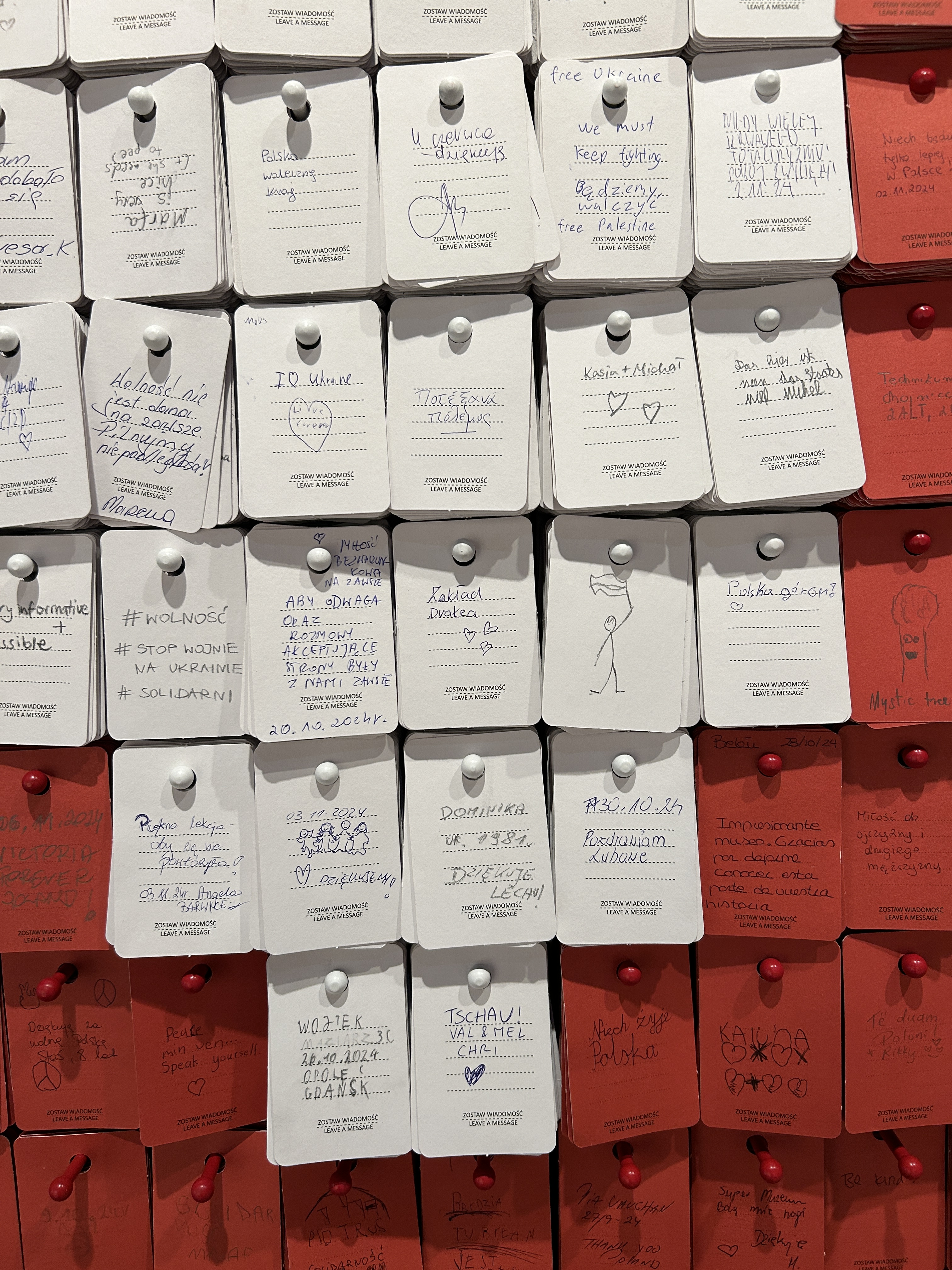
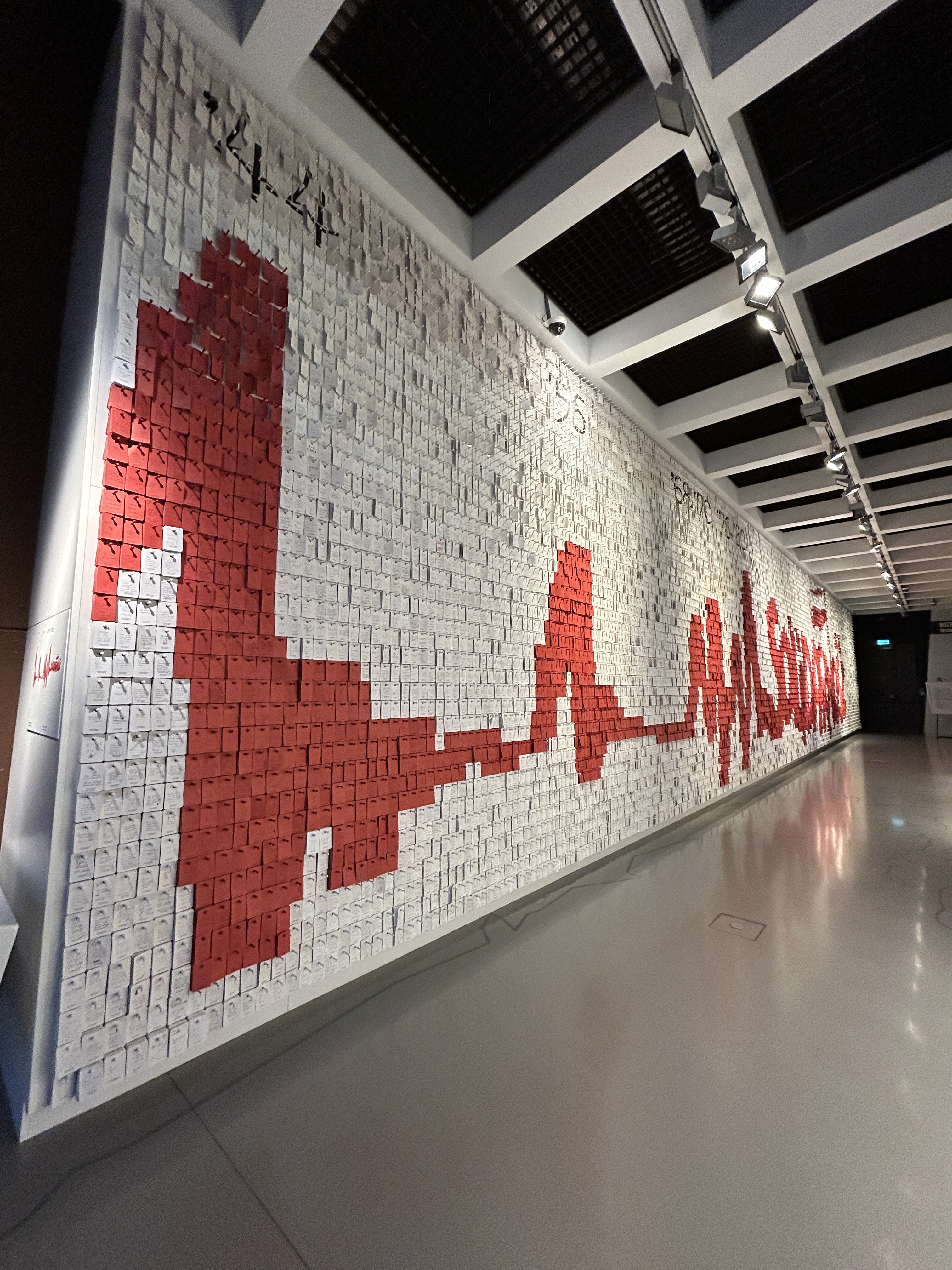
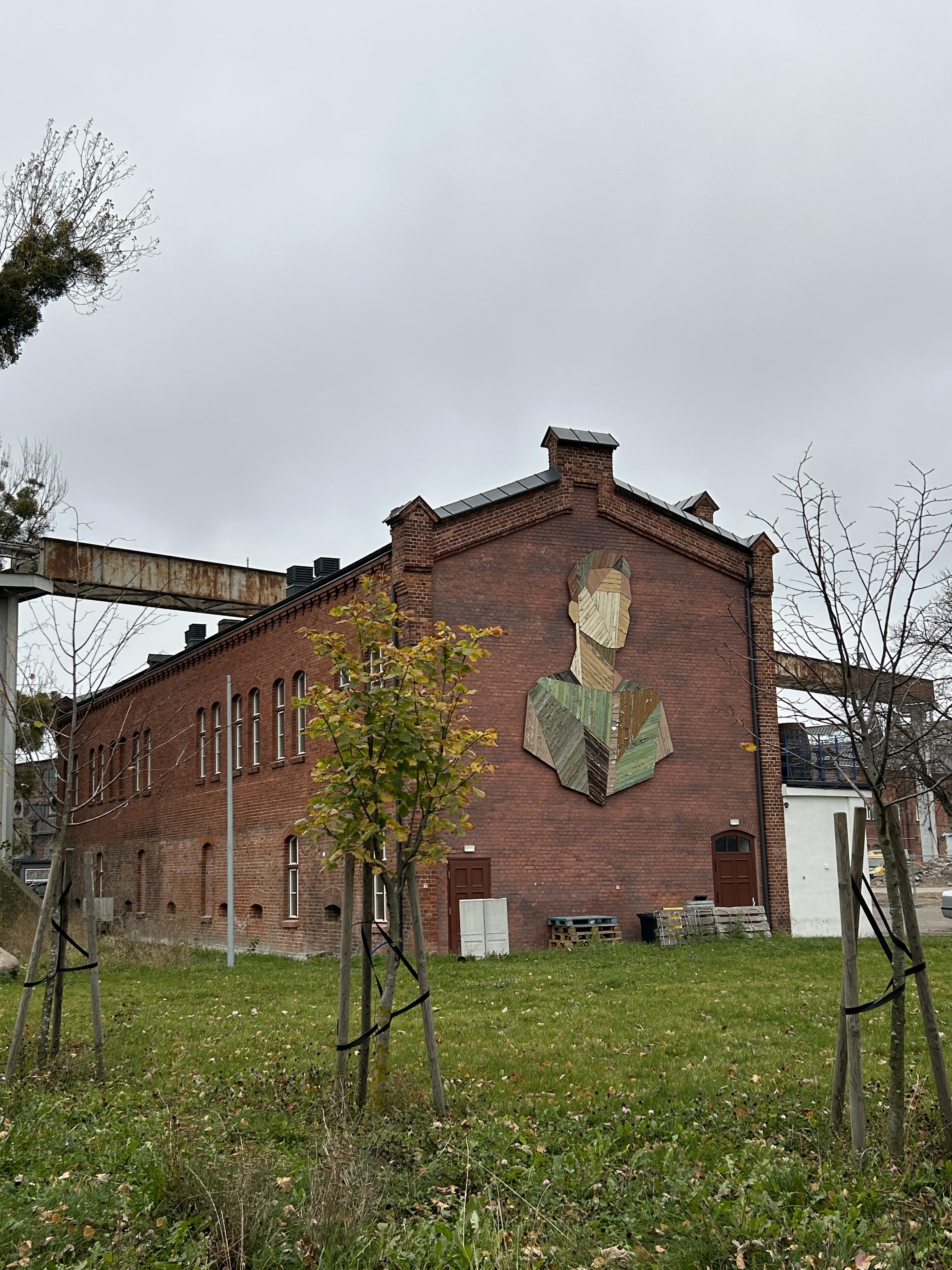
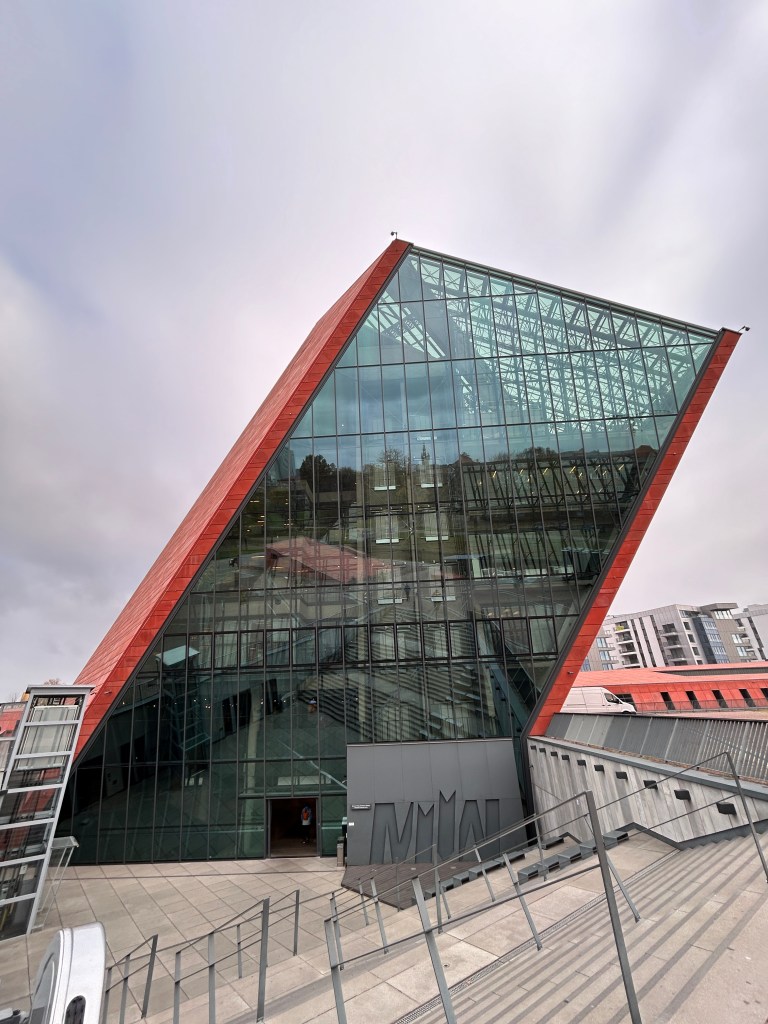
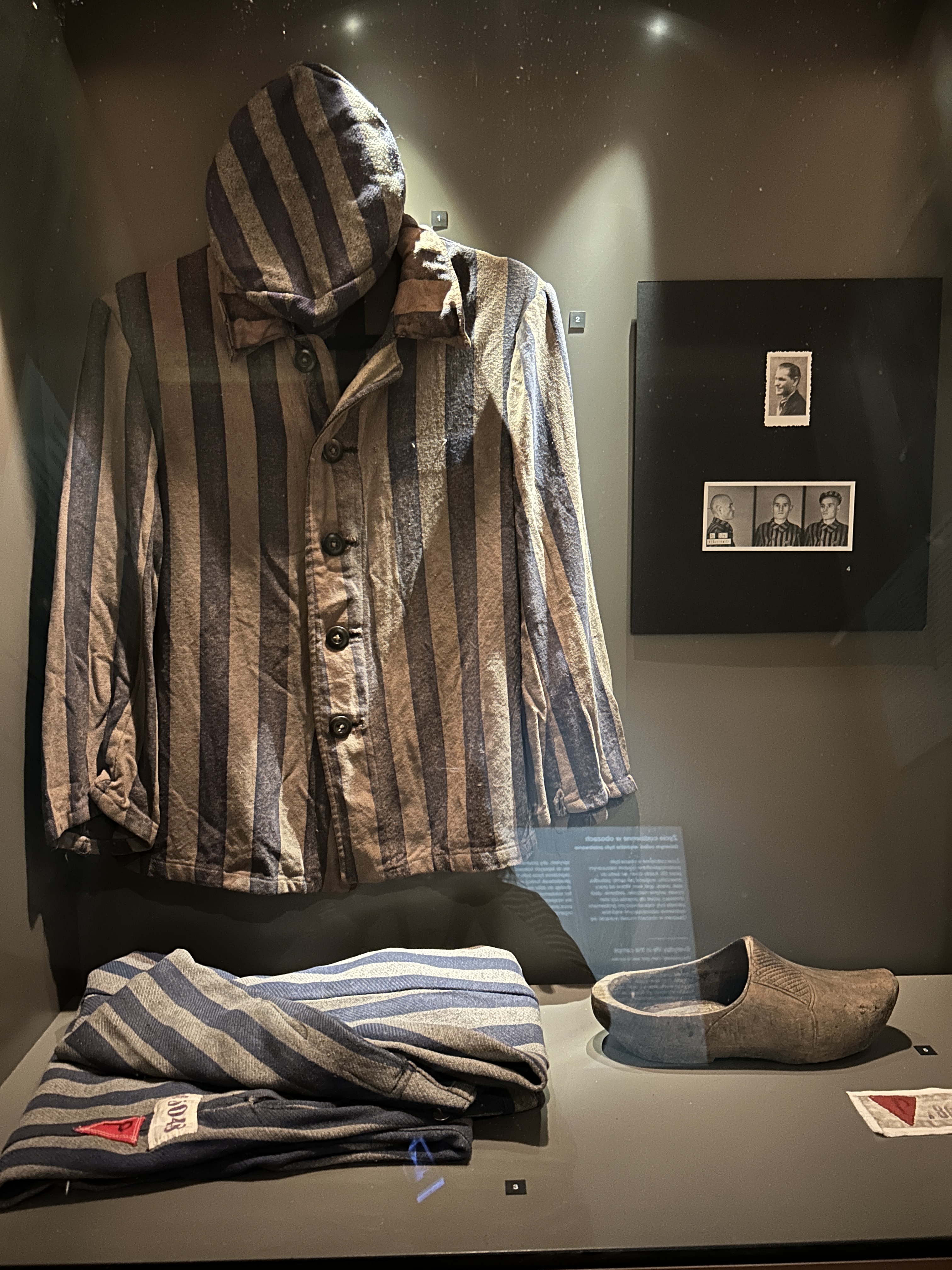
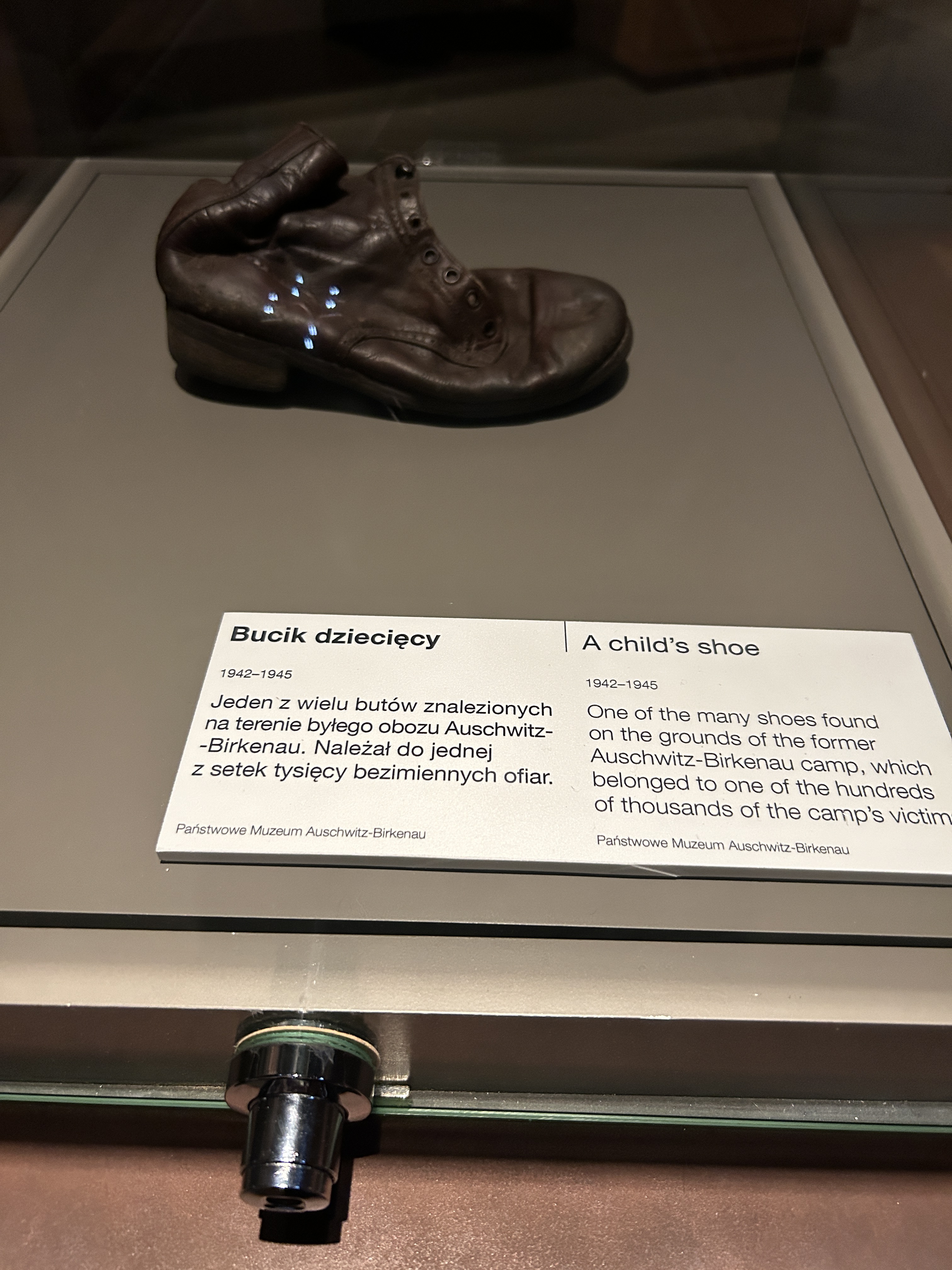
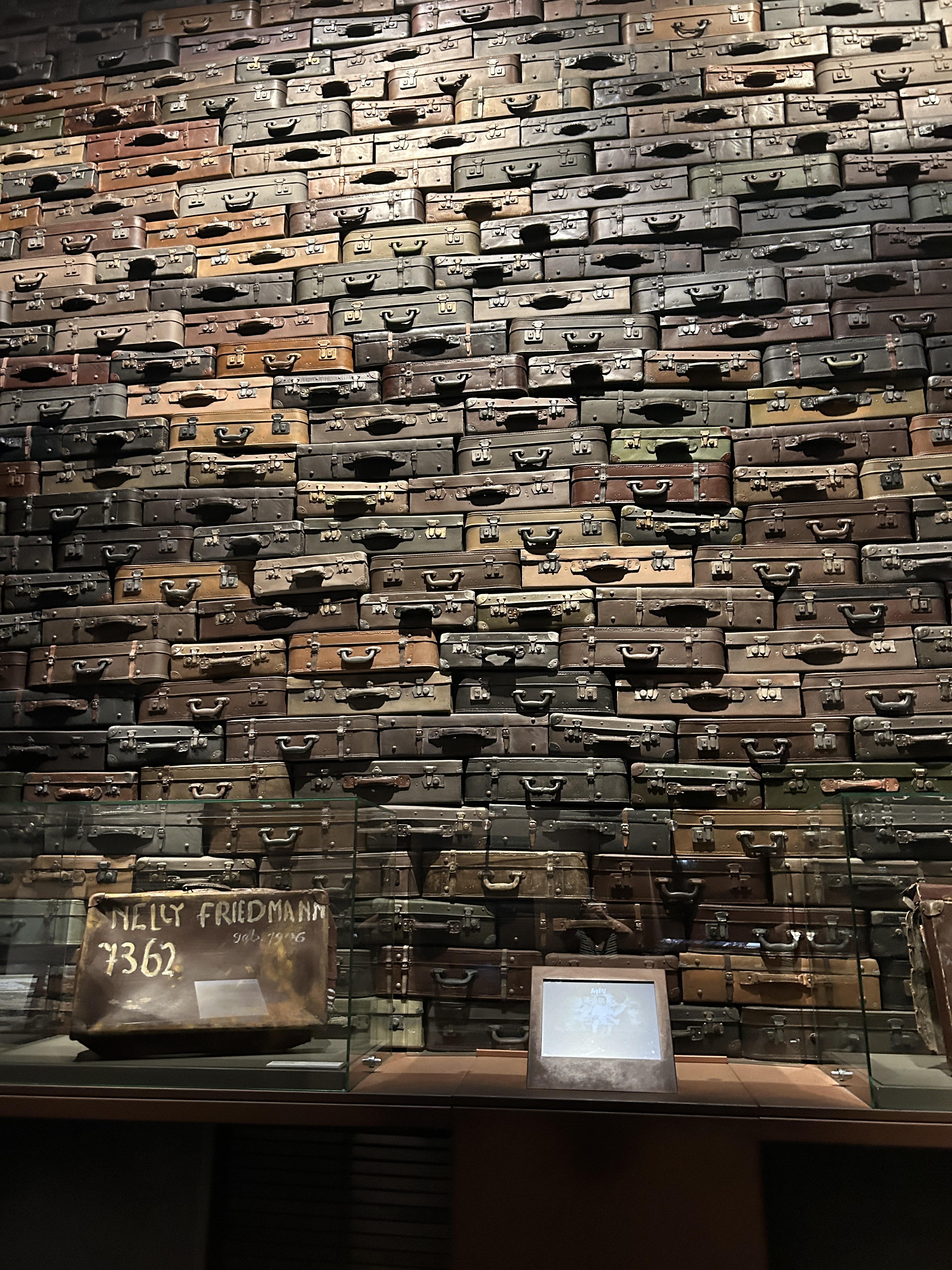
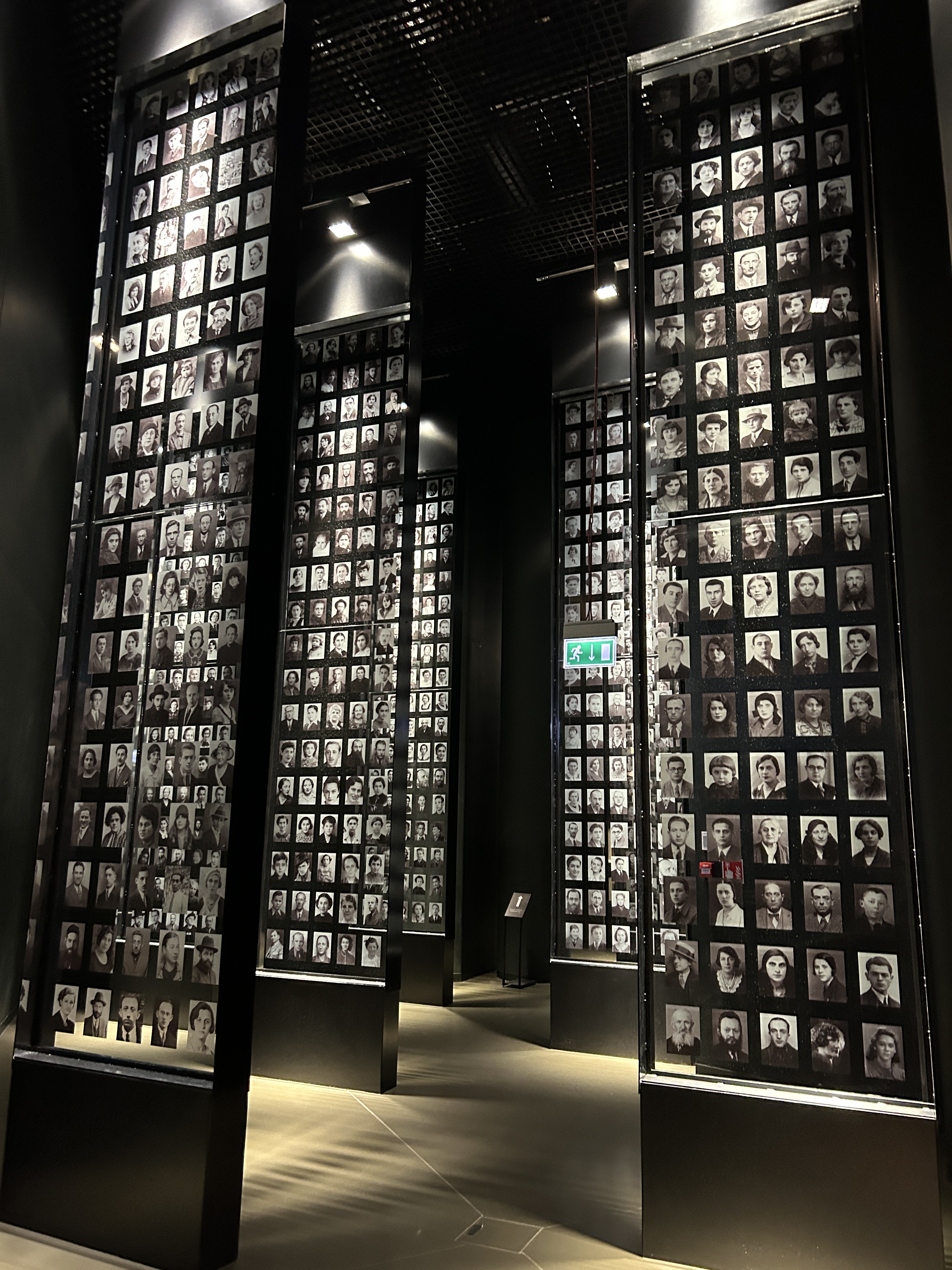
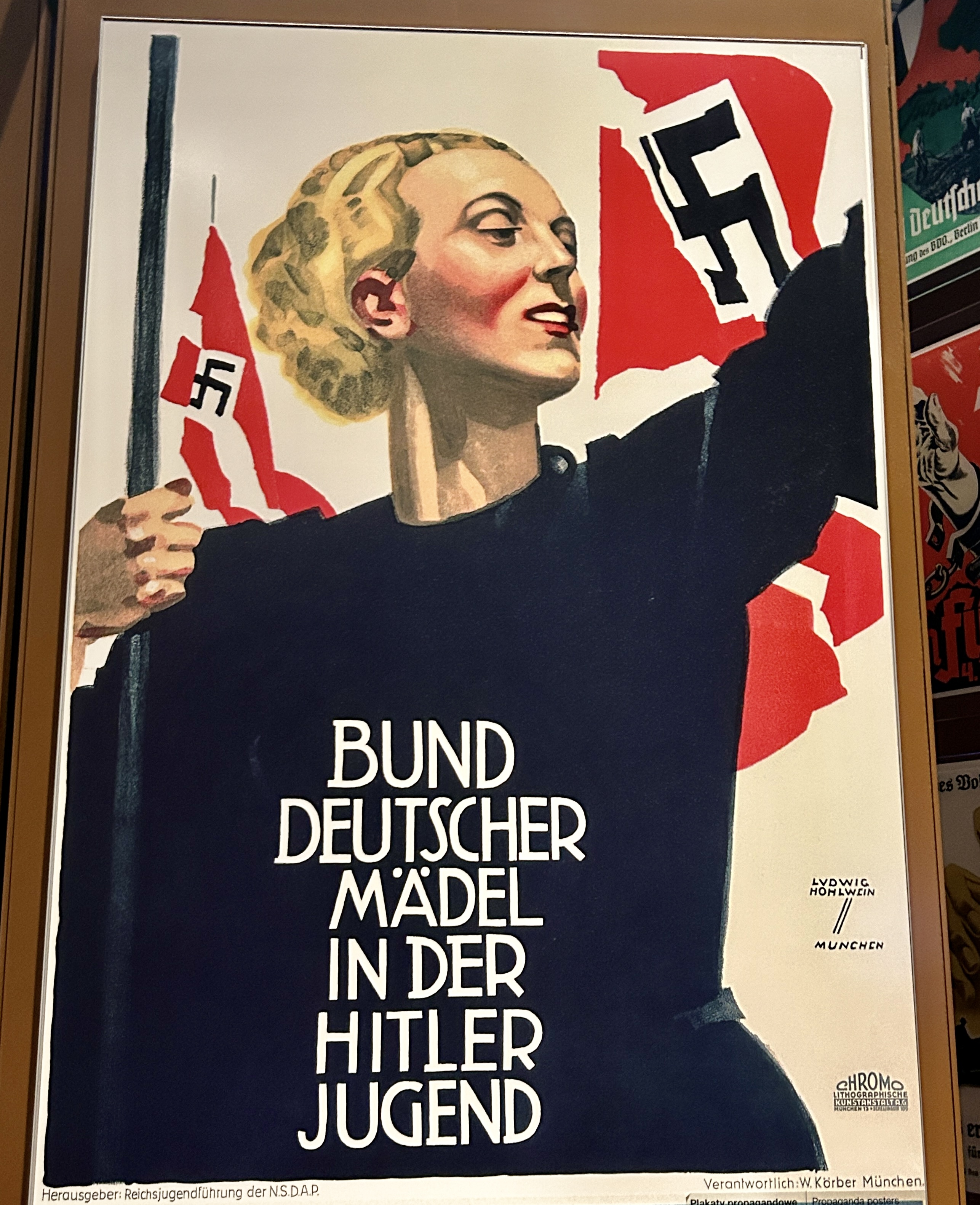
We felt a bit shell shocked and weary after wandering around trying to take all the info in, so we left the WW2 museum until the next day, and ended up in a food hall drinking far too many cocktails! The nest day led to another 2 and a half hours museum visit as we walked around with with heads hurting and hearts aching after some of the photos and exhibits we had seen. I honestly think this museum is up there as one of the best, along with the 9/11 museum in New York. We can definitely recommend it.
We left our campsite and travelled to the little peninsula of Westplatte. This is the site of the first battle of WW2 and signalled Britain’s entry into the war. On September 1st 1939 a German battleship, disguised as a goodwill visit, began shelling the Polish military depot stationed there. This marked the start of Germany’s invasion of Poland. The Polish garrison, which consisted of 200 soldiers was vastly outnumbered by the German forces which included over 3400 troops, tanks and heavy artillery. Depsite this imbalance in numbers the Polish soldiers managed to hold out for 7 days under relentless bombardment before surrendering. We walked around the huge monument there, overlooking the busy harbour into Gdansk.

We left Gdansk and headed eastwards for about 37 miles. We knew this was going to be a harrowing visit, but one we felt compelled to do. We drove alongside an ominous single track railway line,in the middle of nowhere which turned into where we were going. We were at Museum Stutthof, which is at the site of the former Stutthof Comcentration camp established in 1939. It was the first camp outside Germany, and operated until May 1945. Around 110000 people were imprisoned there and approximately 65,000 died due to excecution, forced labour, diesase or starvation. It was an intensely emotional and sobering visit for the two of us, as we wandered around the camps original buildings, including the creamtoria and gas chamber. I am not going to post many photos, or go into too much detail, but it as a very moving experience that affected us both deeply. As ever, it was the photos of people captured in time forever that captured me. As long as these photos stay on show these people cannot and should not be forgotten.


We left the museum to head out to our next stopping place, when we passed an amazing looking town. A quick google showed it was another incredible place I had never heard of, with the world’s largest castle dominating. Malbork we will be back!

 Dwti Draig
Leave a comment