
Bumped may be the most overused word in my last couple of blog posts, but suffice to say we bumped our way into Vilnius, the capital of Lithuania. We managed to squeeze into a campsite in the grounds of a hostel, in a great location; just a few minutes walk from the Old Town, although the campsite was not cheap at 34E per night, and the water had been switched off outside. We were told we could fill with a watering can, but that might take a while to fill 500 litres so we cancelled that idea!
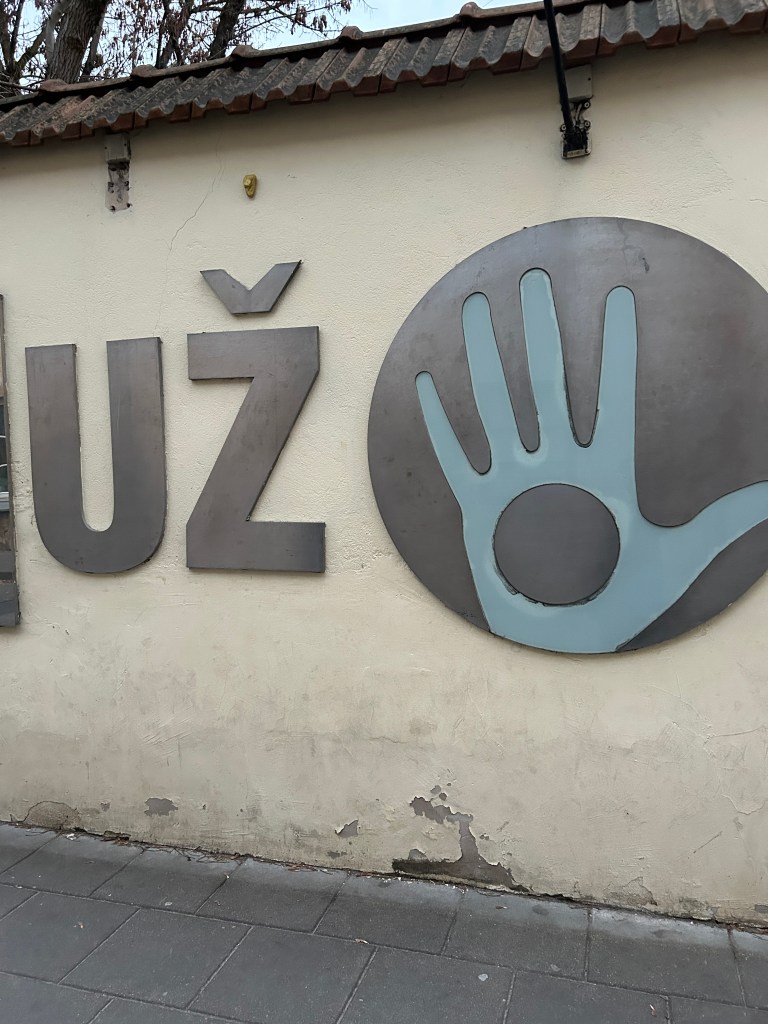
In the evening we walked into the Old Town, but before we got there we found ourselves in the free republic of Uzipis, a quirky area of Vilnius. Uzipis means “on the other side of the river” and sits across the Vilnius River from the Old Town. Historically it was a working class neighbourhood home to artists, craftsmen and bohemians. By the 20th Century, it had fallen into disrepair. In the 1990s local artists and intellectuals started moving in and the area transformed into a hub of creativity. On April 1st 1997 Uzipis symbolically declared itself a free republic, complete with its own flag, constitution and president, Despite its unofficial status this “republic” has ambassadors, a prime minister, and even a military, although this consists of only a few men and is mainly ceremonial. The Constitution is displayed on a wall in many languages and includes “rights” such as “Everyone has the right to love and take care of the cat” and “Everyone has the right to cry”. It has a wonderful sculpture of the Angel of Uzupis at its centre. She symbolizes Uzipis as a guardian of creativity and freedom.We had a quick little walk around the Old Town and had a few drinks before a lovely pizza.

We have been so so lucky with the weather this holiday. Apart from a week of rain which luckily happened when we were parked up due to my bad back, we have had excellent weather. Lucky that is until we had a full day to explore Vilnius! We couldn’t let the rain deter us, so put our waterproofs on and set out to explore the city.
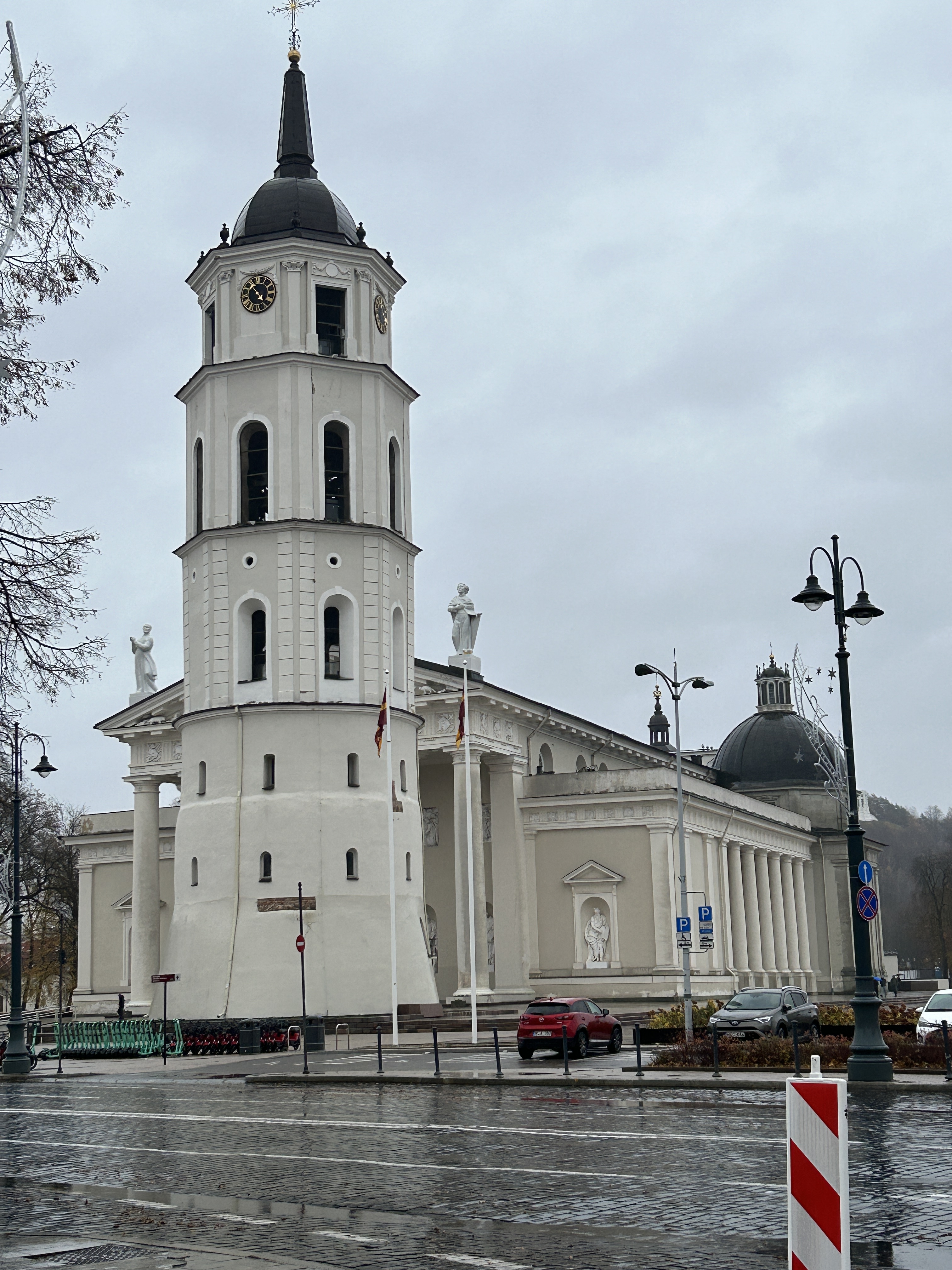
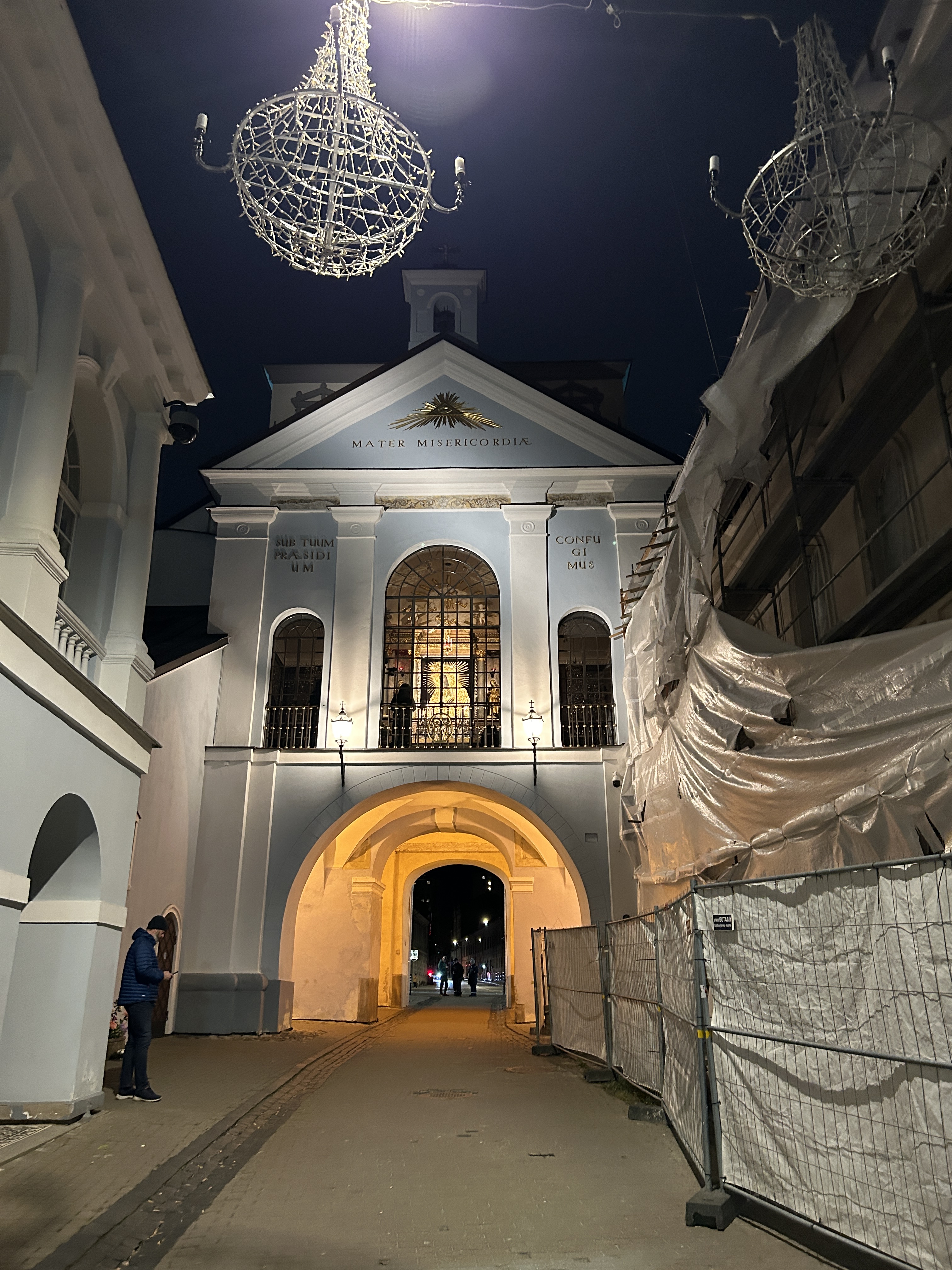
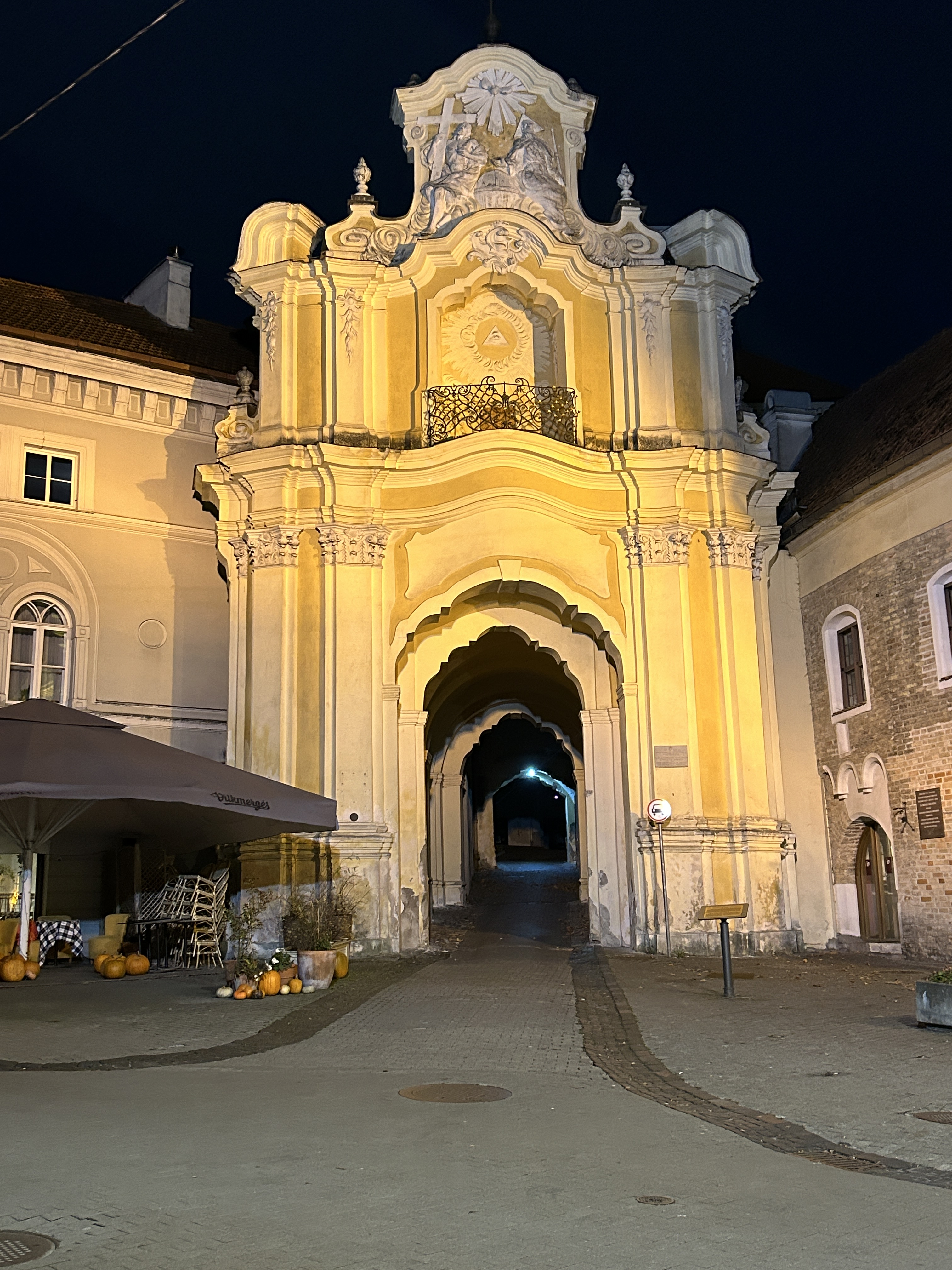
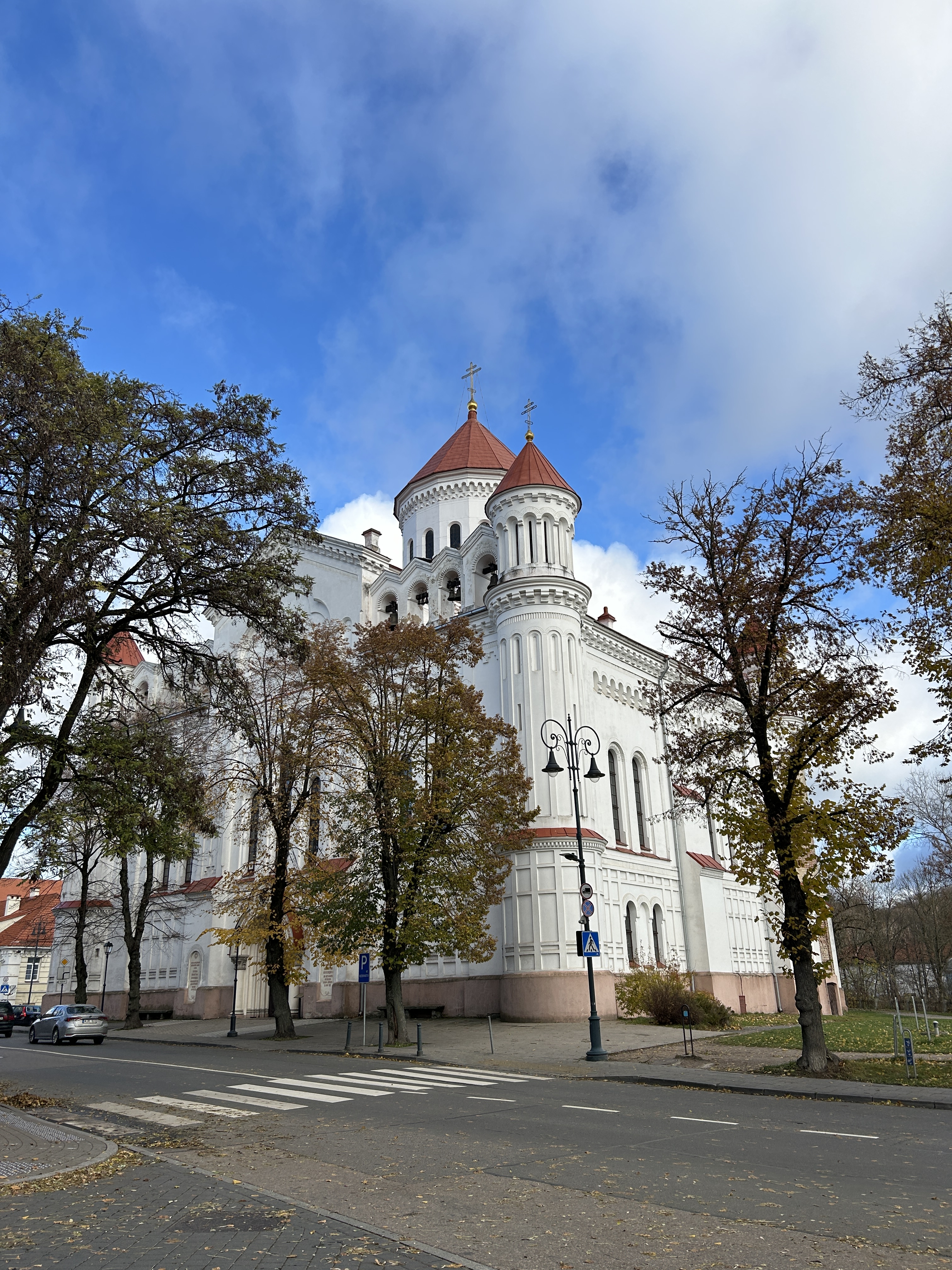
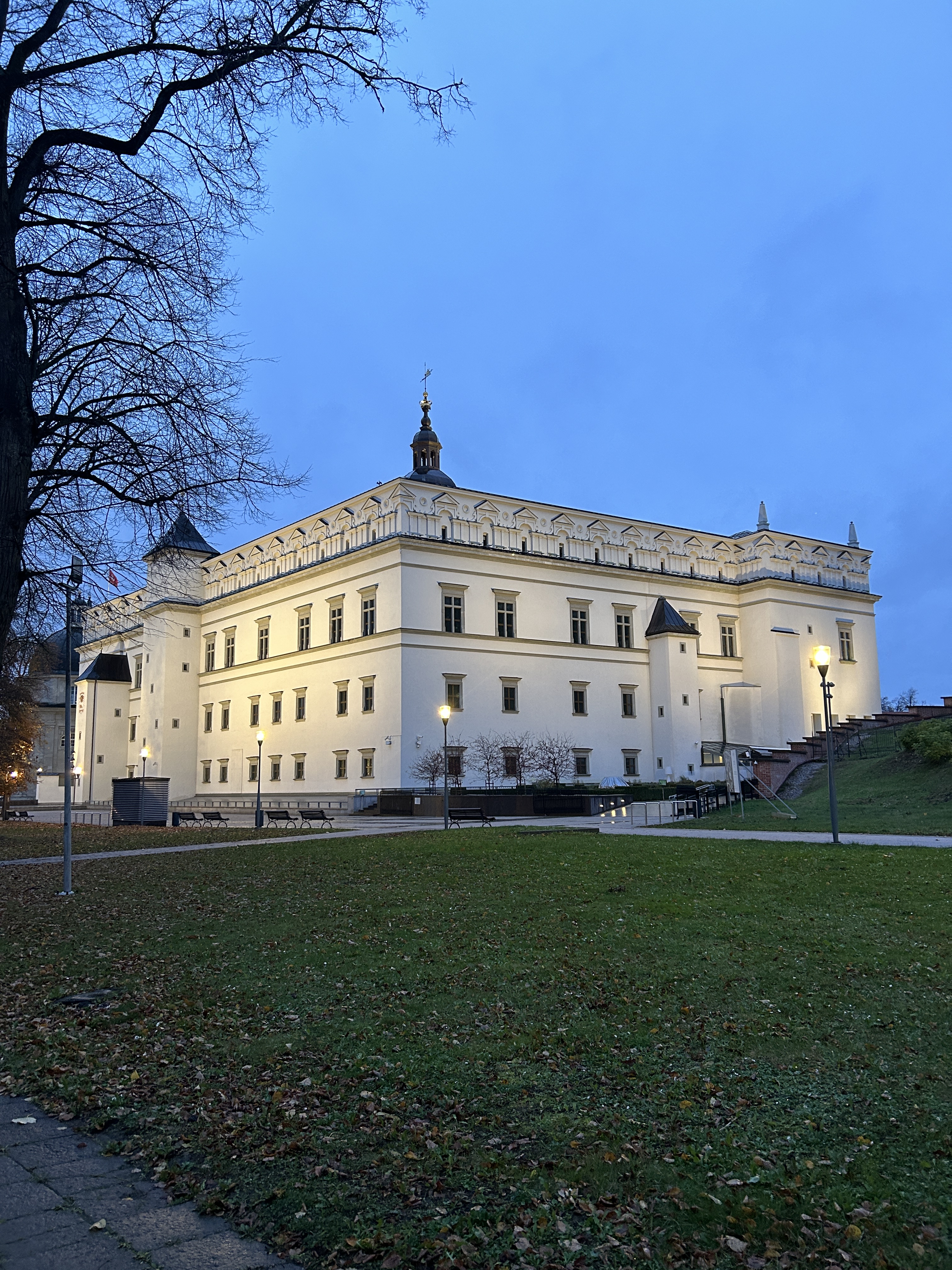
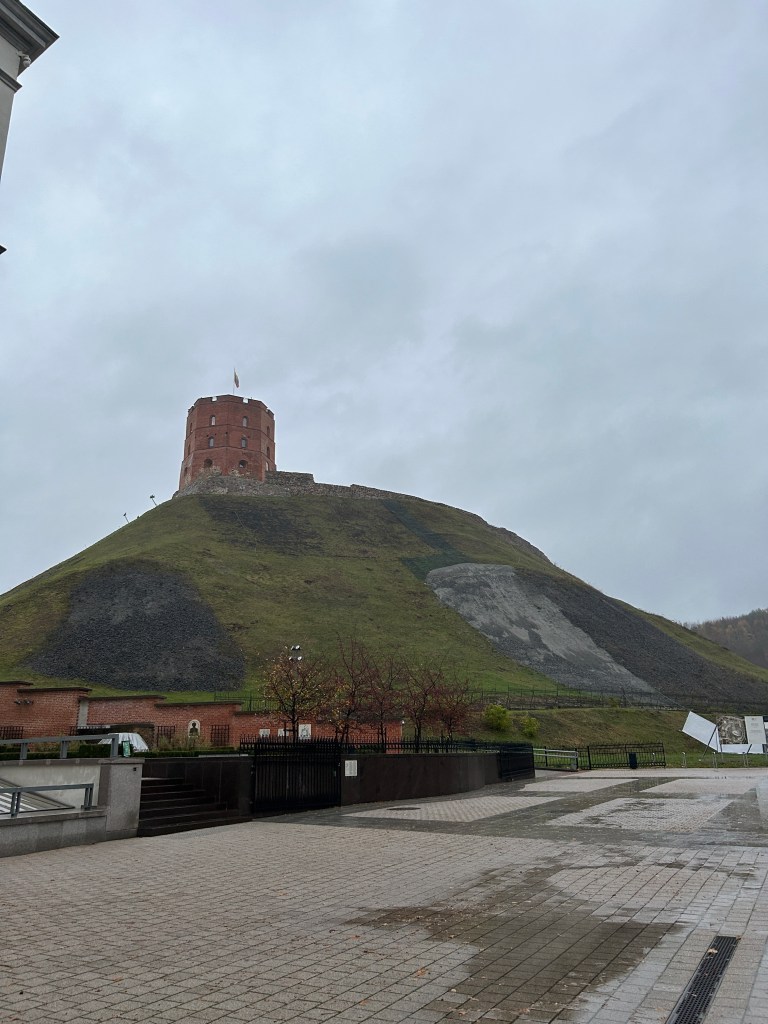
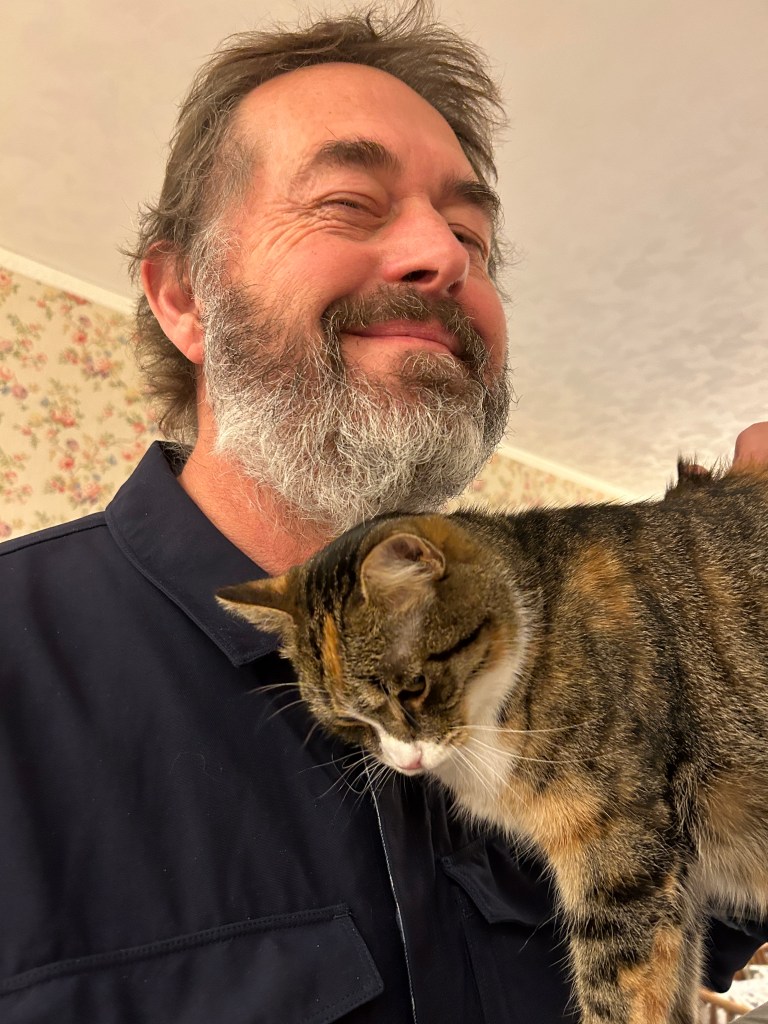
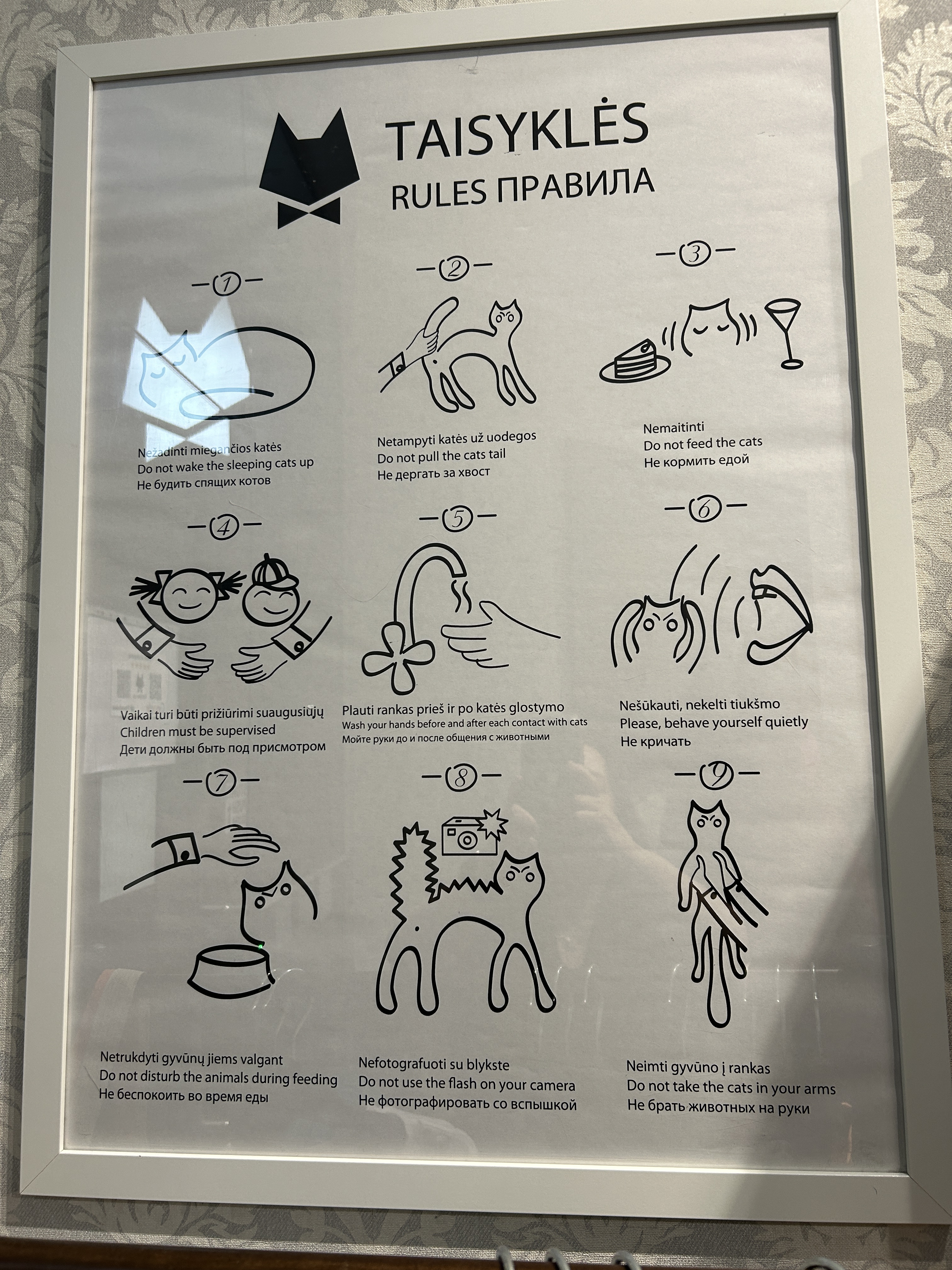
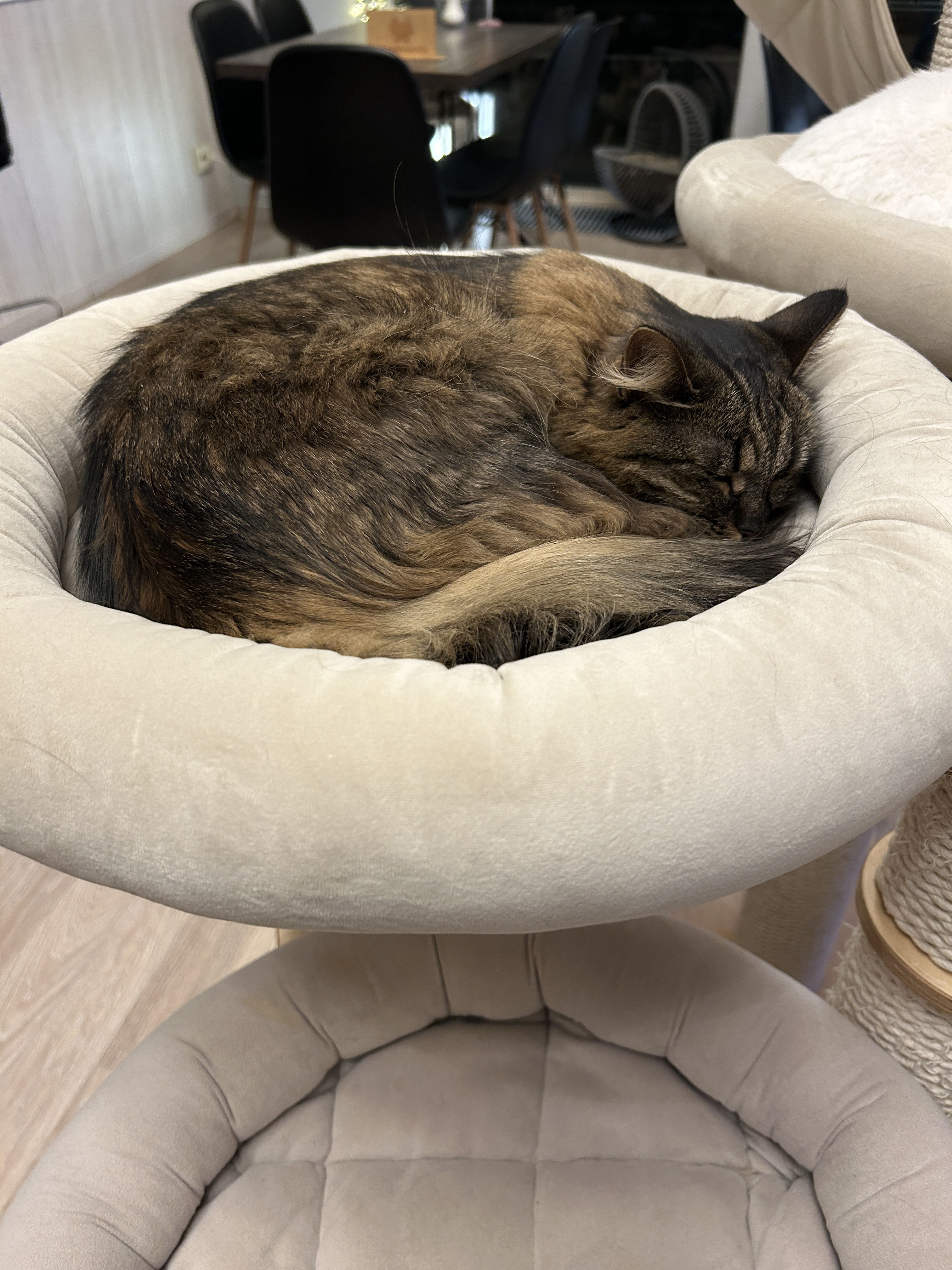
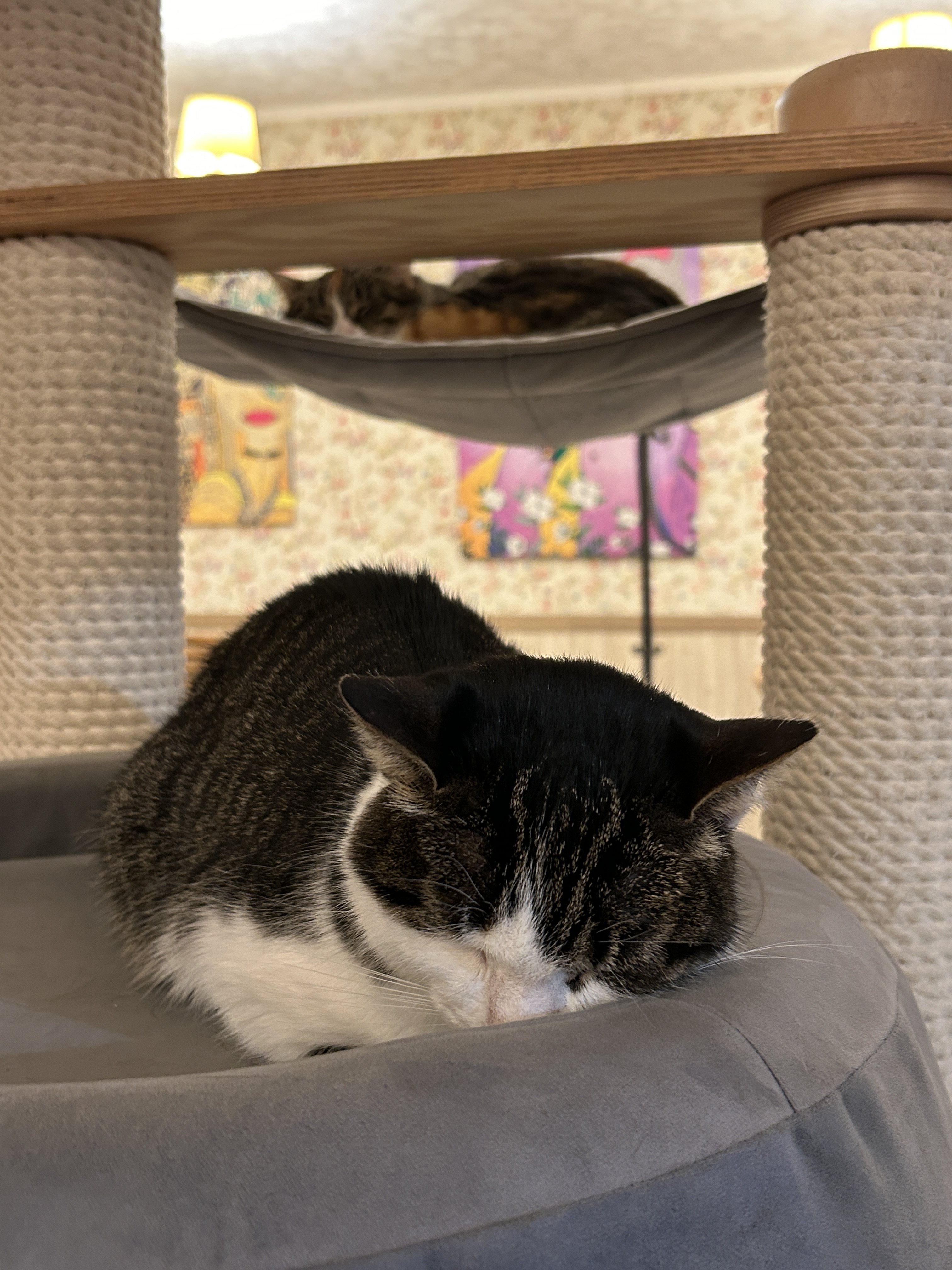
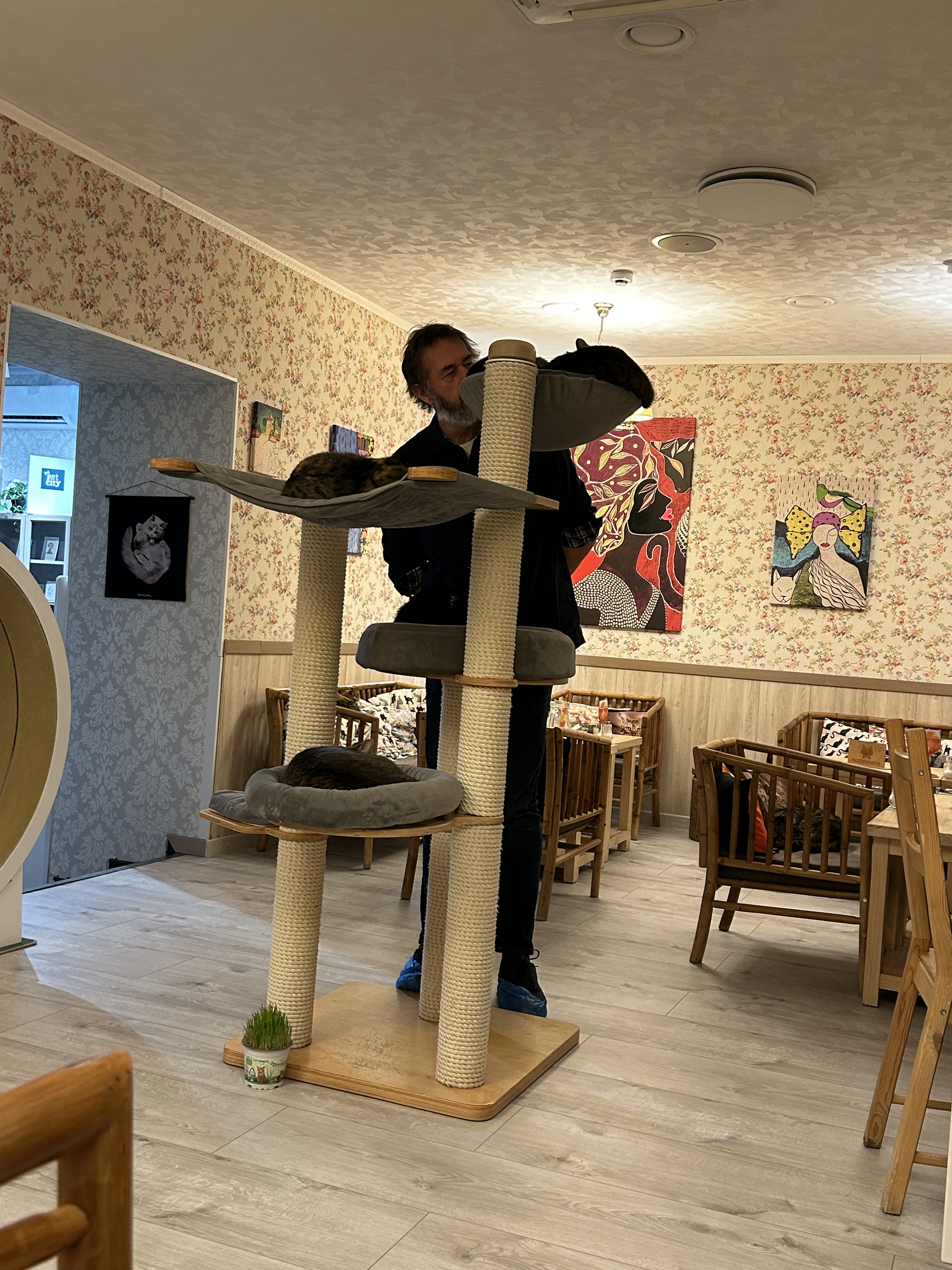
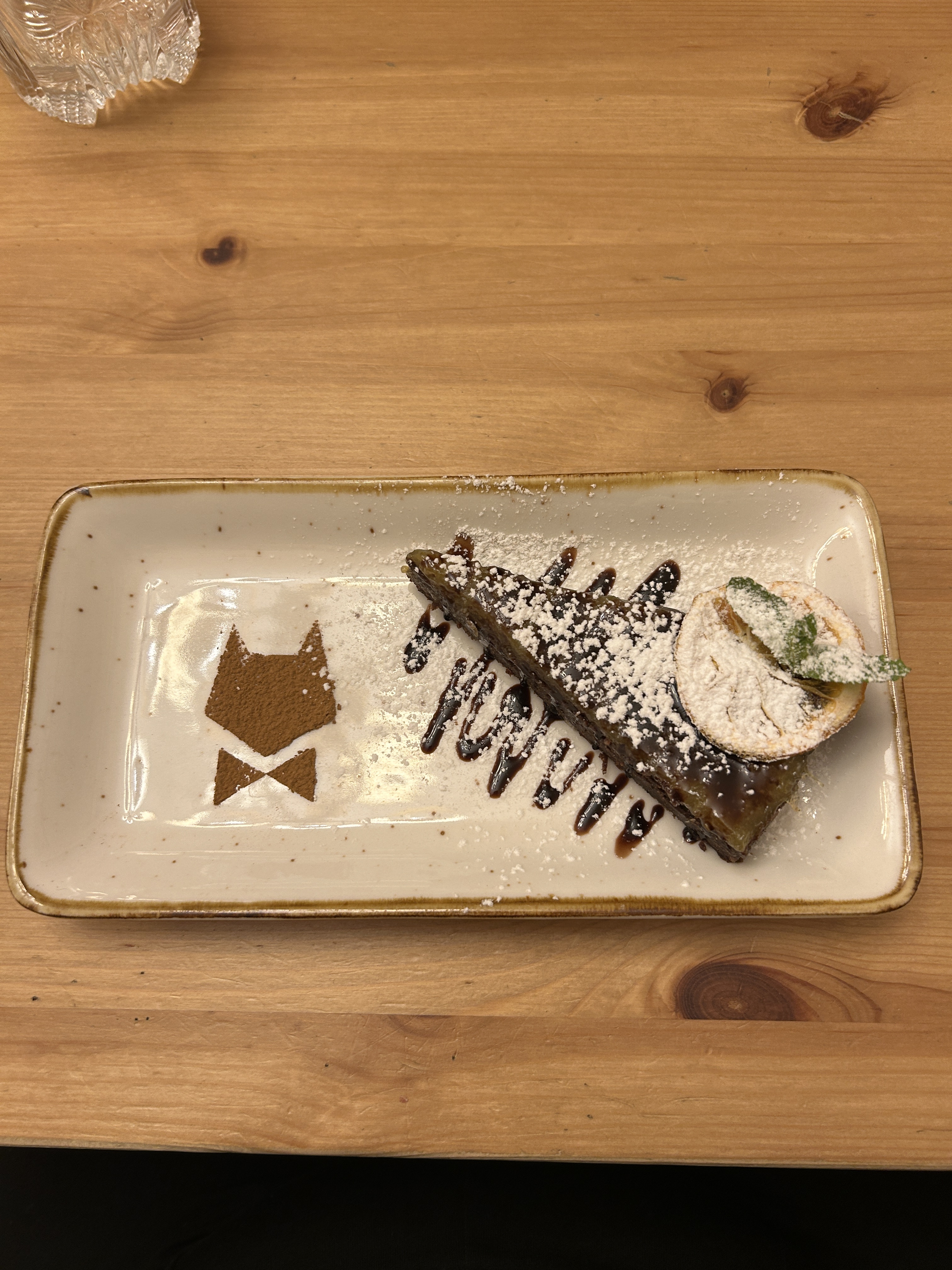
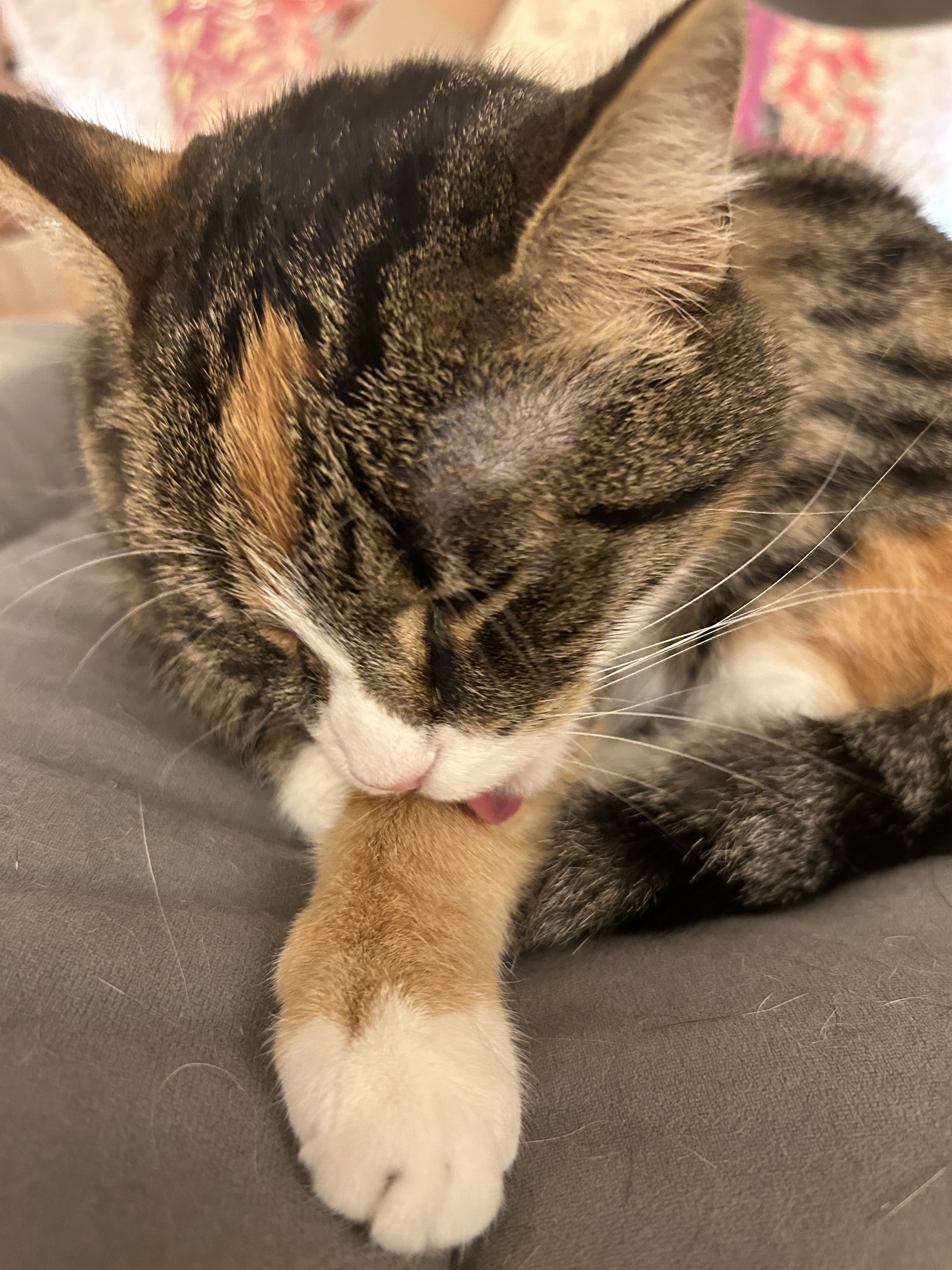
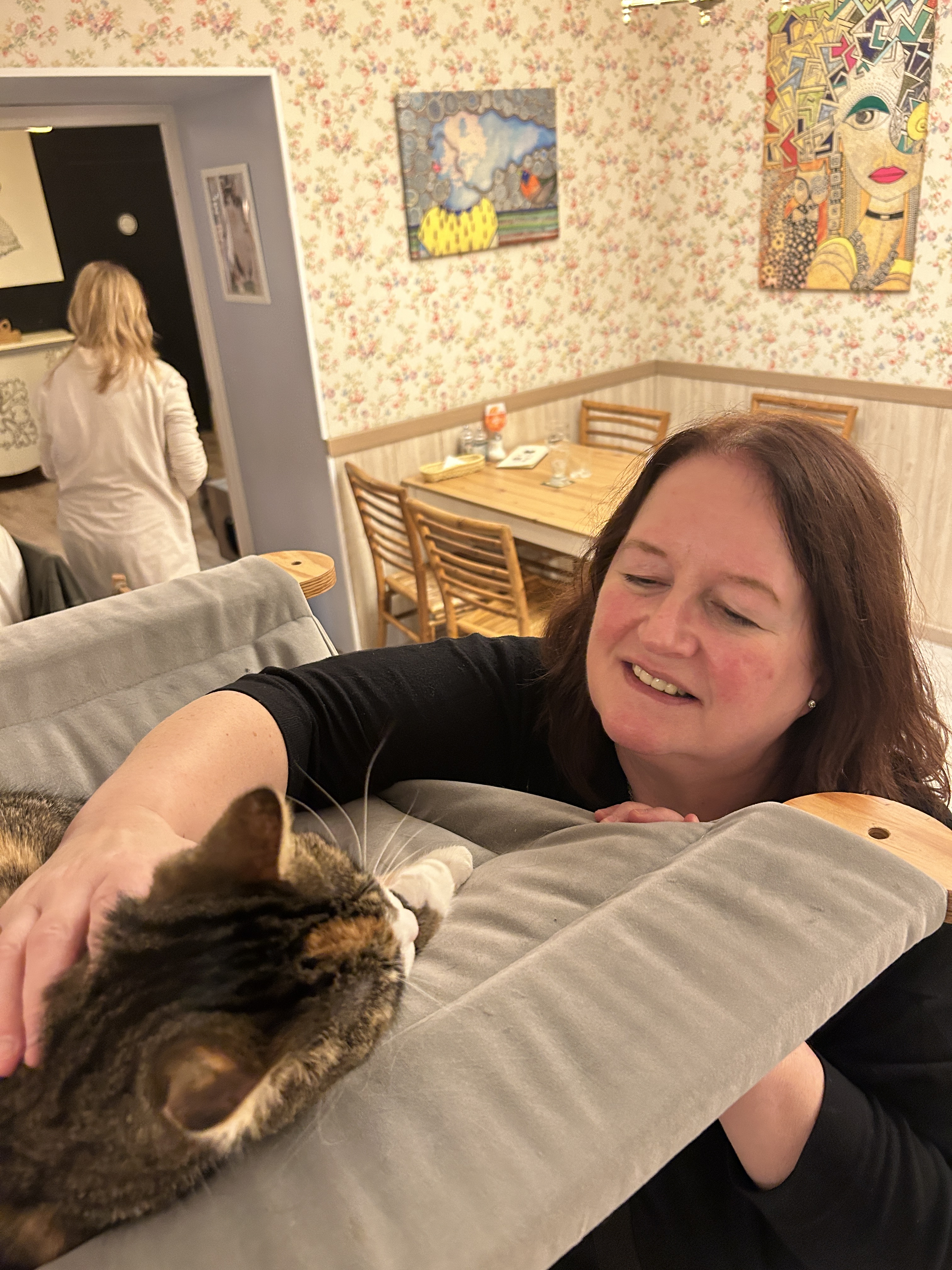
Vilnius is definitely not my favourite city of the three Baltic capital cities we have visited, and I can’t quite put my finger on why. Maybe it is because the Old Town seems less well defined, and has more traffic? It also has its fair share of expensive shops like Gucci etc, which to me seem out of place in an Old Town. It does have its share of lovely buildings; the Catholic Cathedral was huge, and situated in a massive empty square, right next to the castle tower perched on a hill. The Orthodox cathedral had a service going on, with a priest praying and a choir singing, all lit by candlelight, which was lovely. We did find a lovely Cat Cafe, where we had coffee and cake, and could stroke any of the 15 cats that love there, which have all been rescued from shelters. I know we were here at a difficult time of year; not summer and not Christmas, but we struggled to find places open. Maybe I just prefer a more compact city. One big positive is that the prices are extremely cheap.


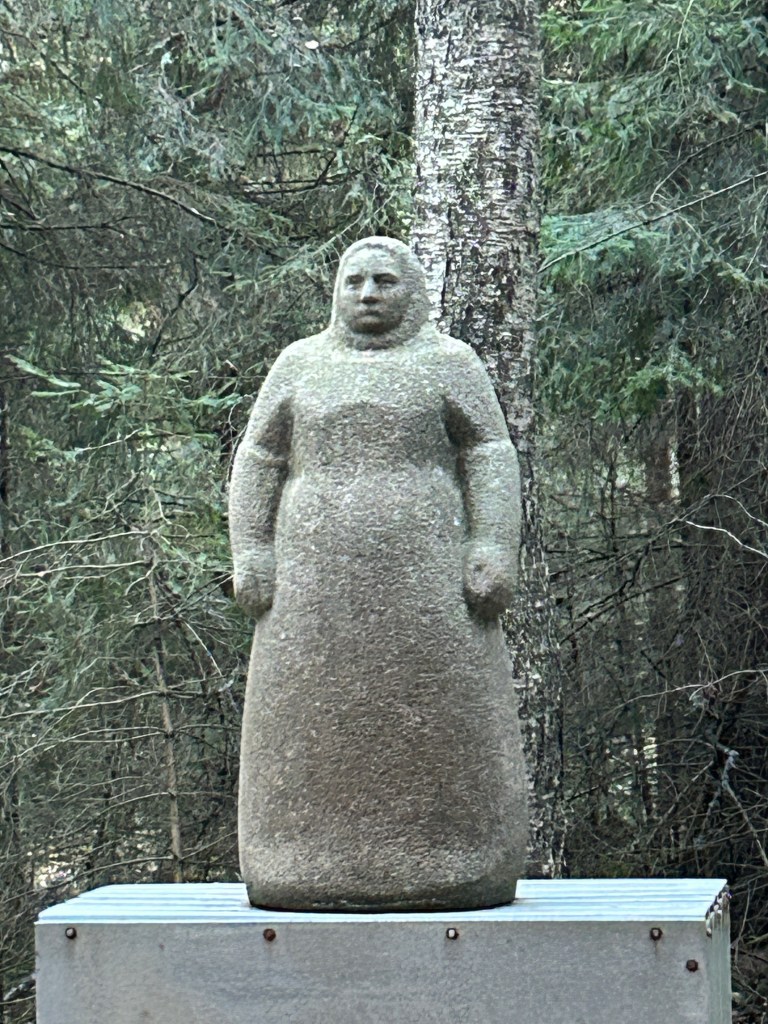
We departed Vilnius to start our journey into Poland, but wanted to visit one more Lithuanian place before we left. This place was probably one of most off beat choices, and some will really question our sanity, but we ended up paying 12E each to visit Grutas Parkus, near the Belarus border. This was not cheap, and in fact cost more than the top rated city museums we had visited in Riga and Tallinn.
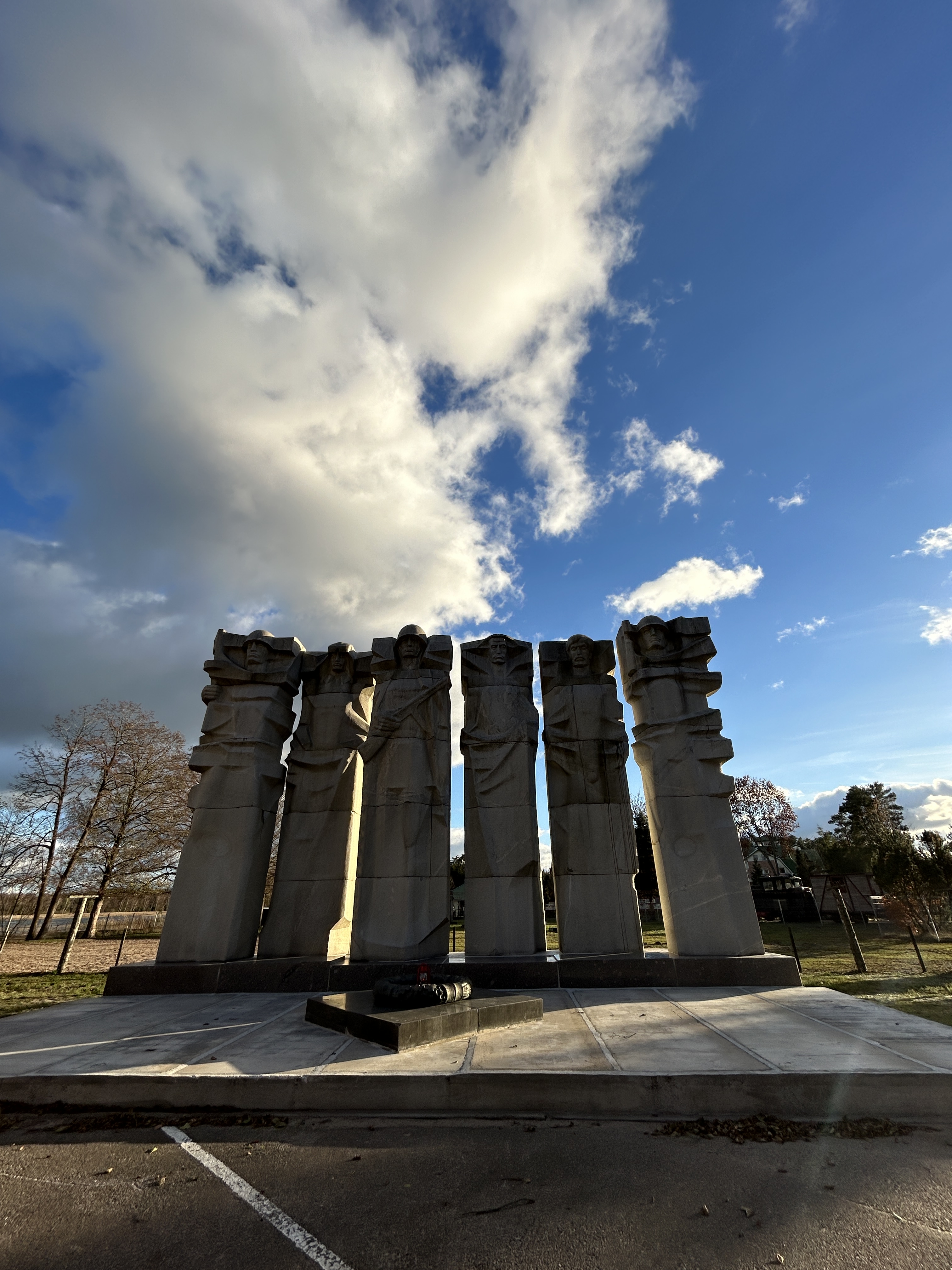
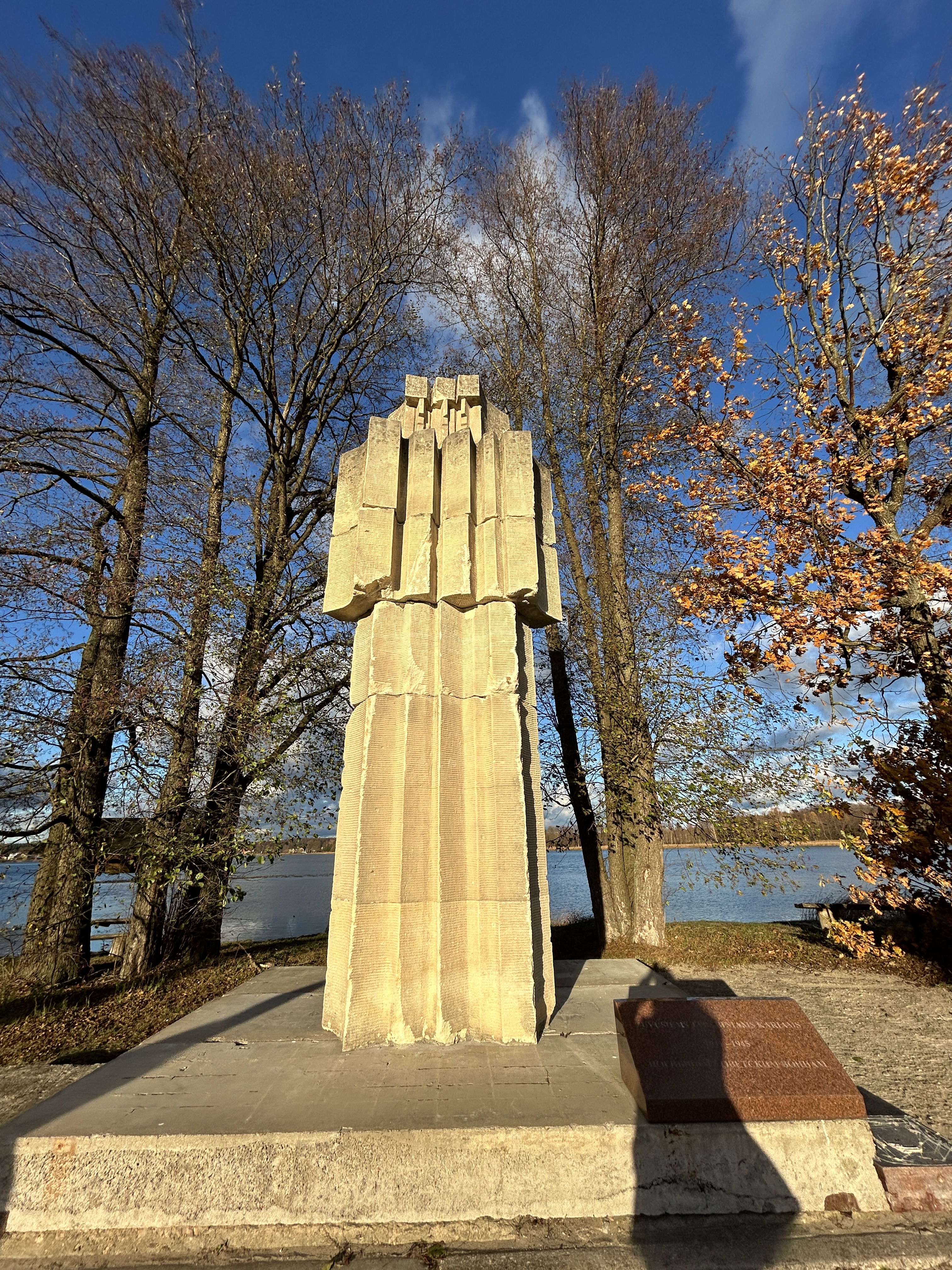
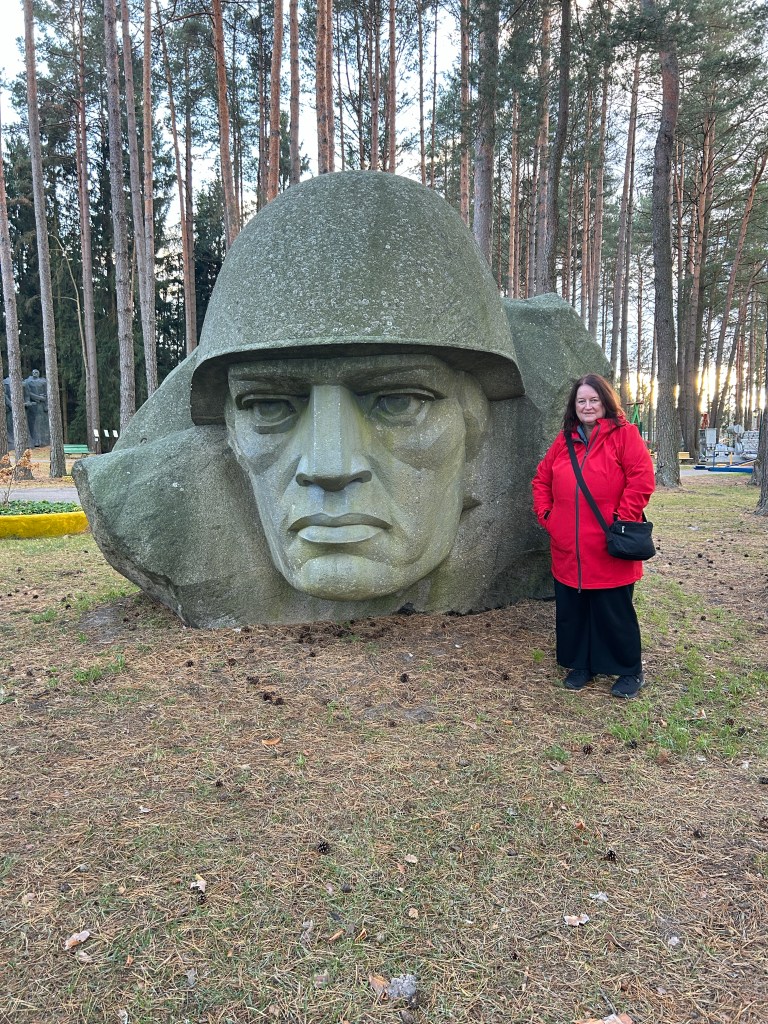
This was a museum like no other we had visited. If I tell you Grutas Park is also known as “Stalin World” maybe you will get some idea. It’s an open-air museum that showcases Soviet-era statues and relics in a forest setting, together with memorials, insignias, and propaganda.
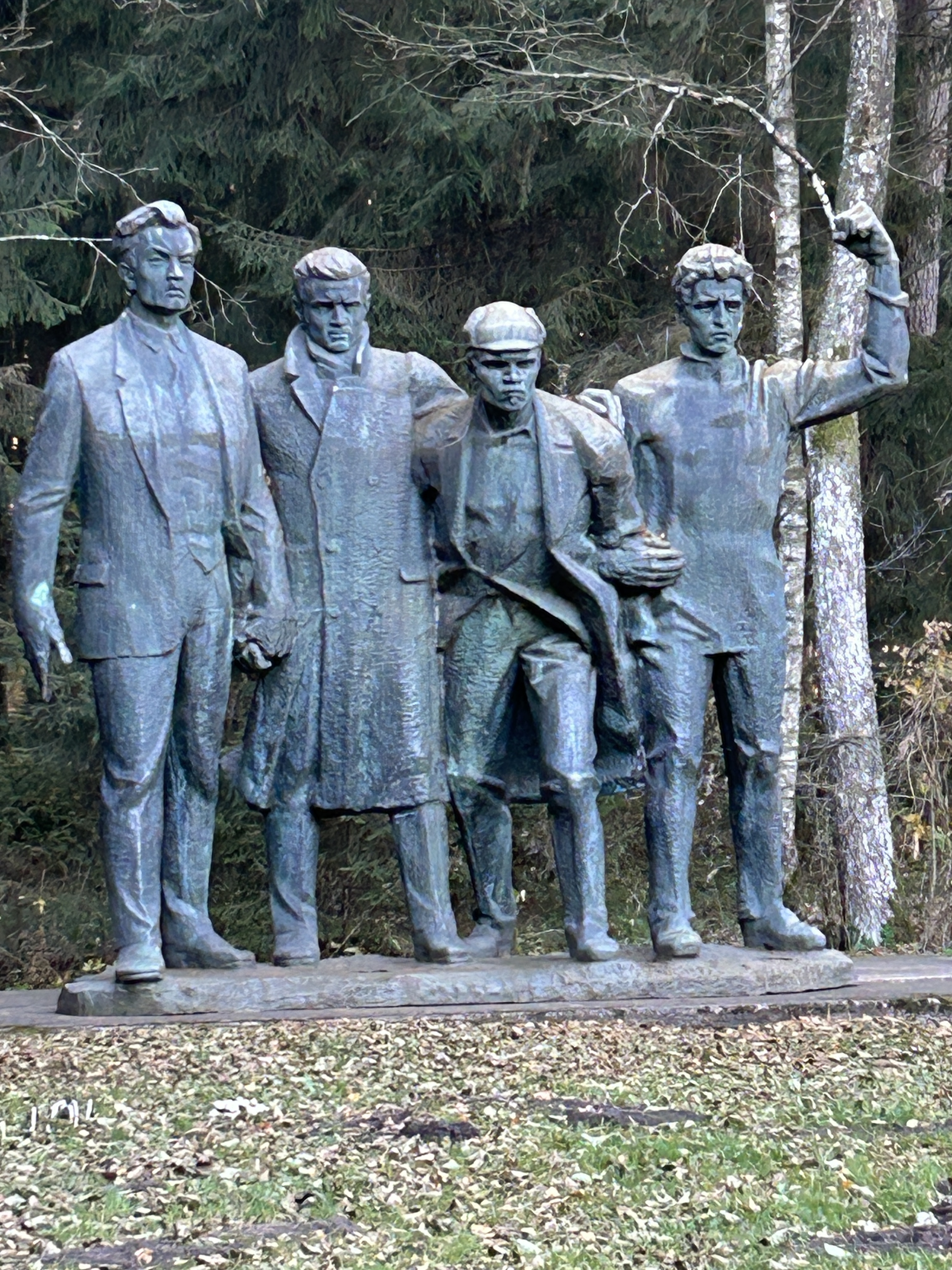
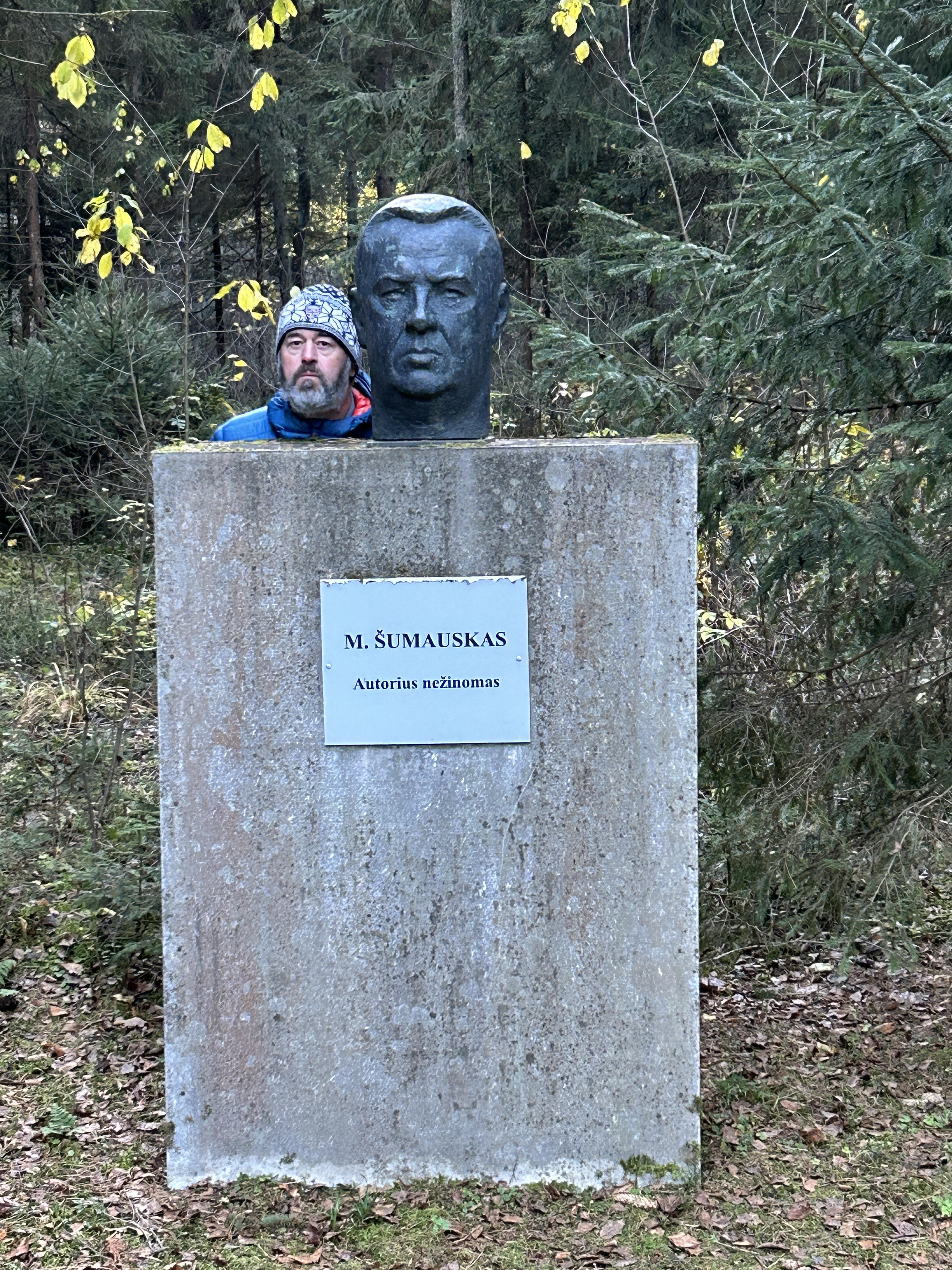
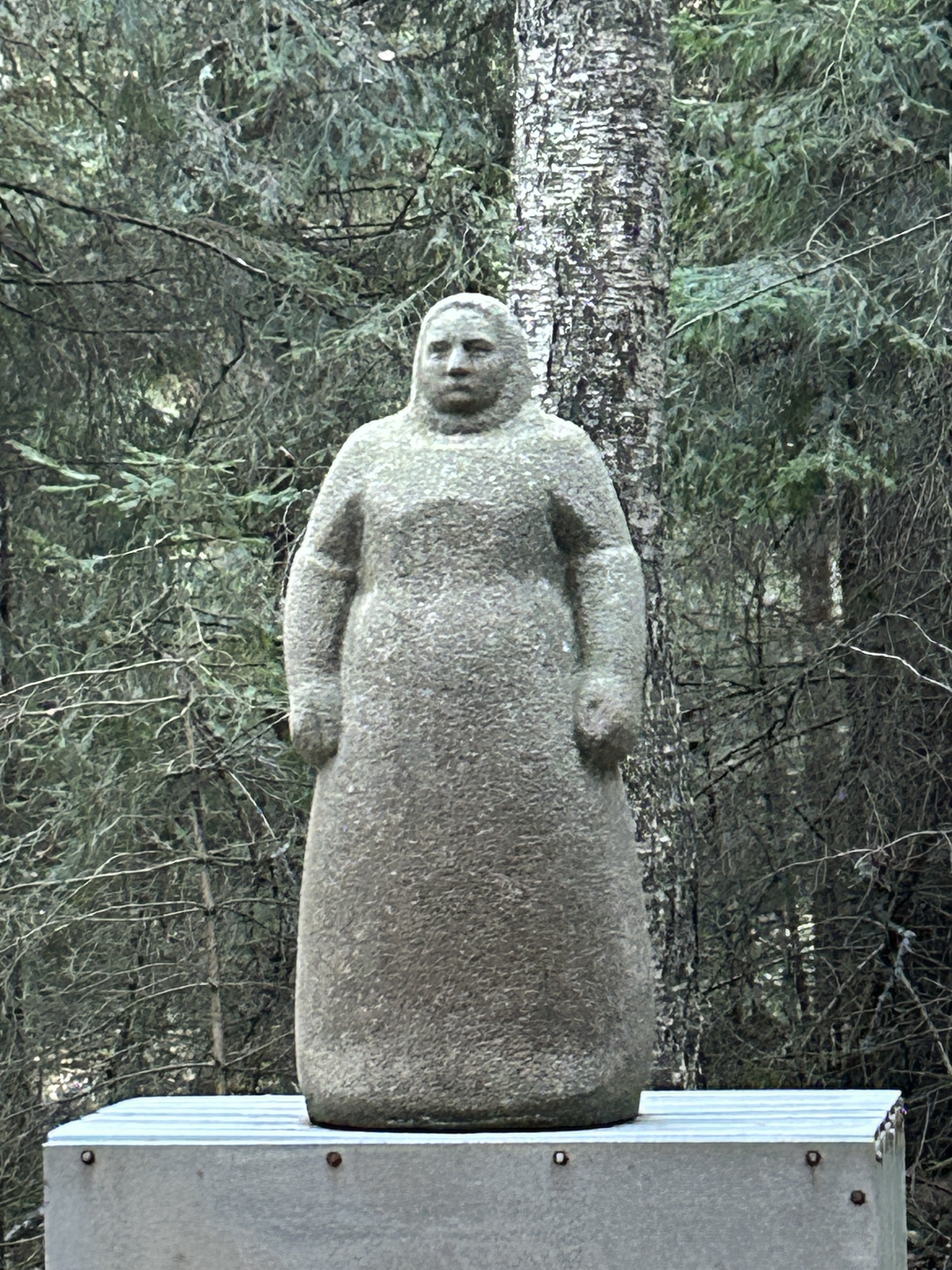
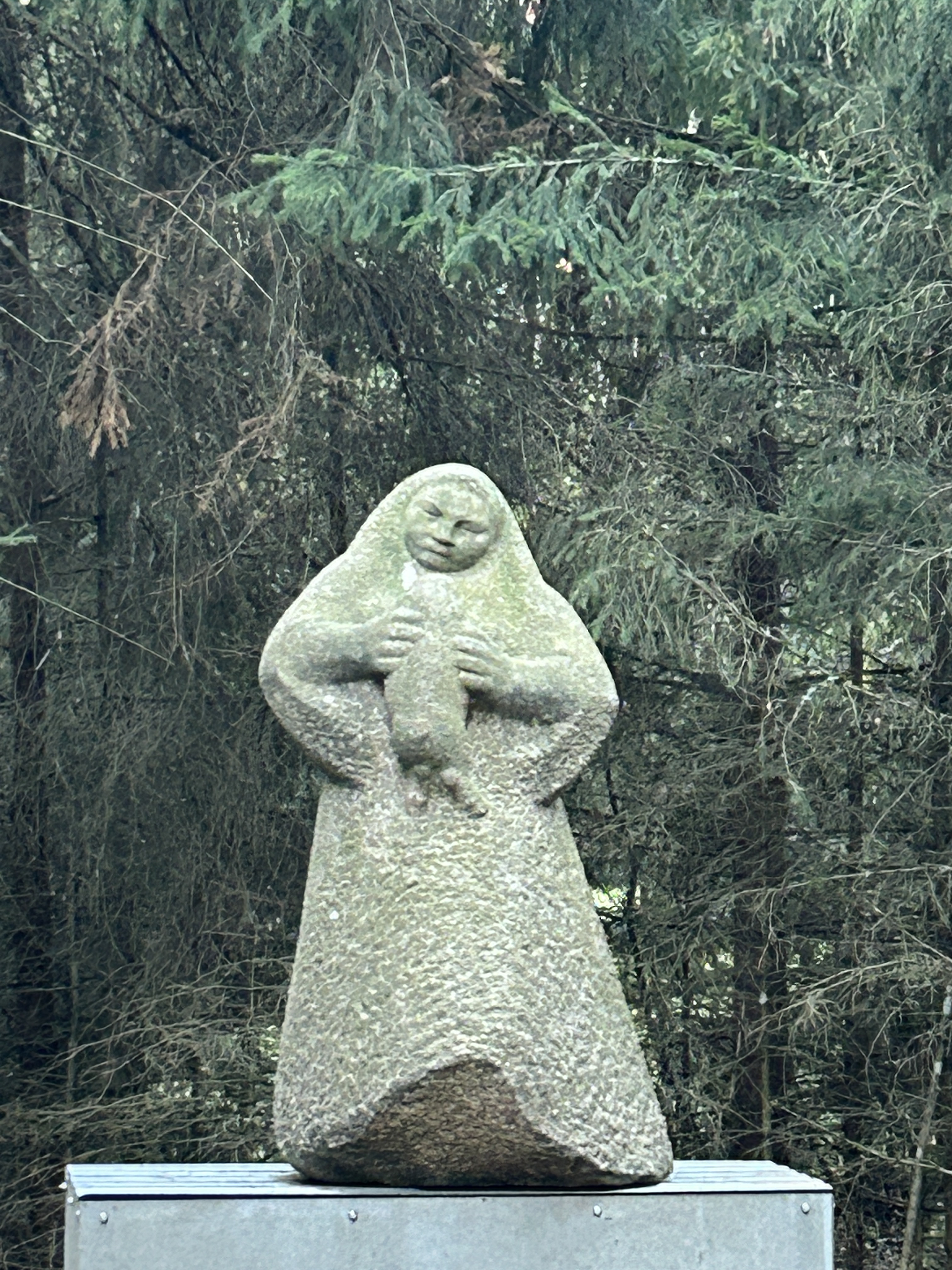
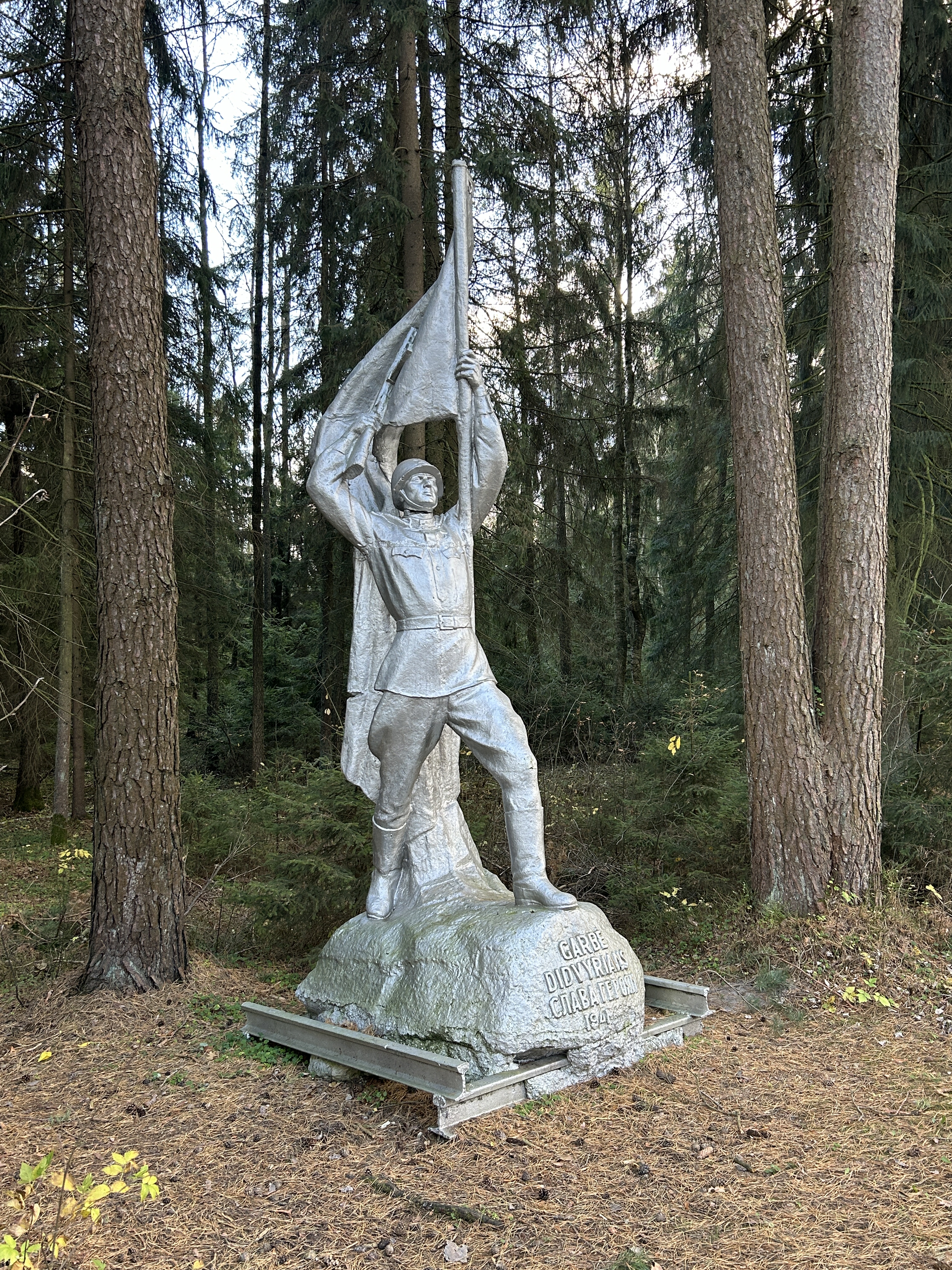
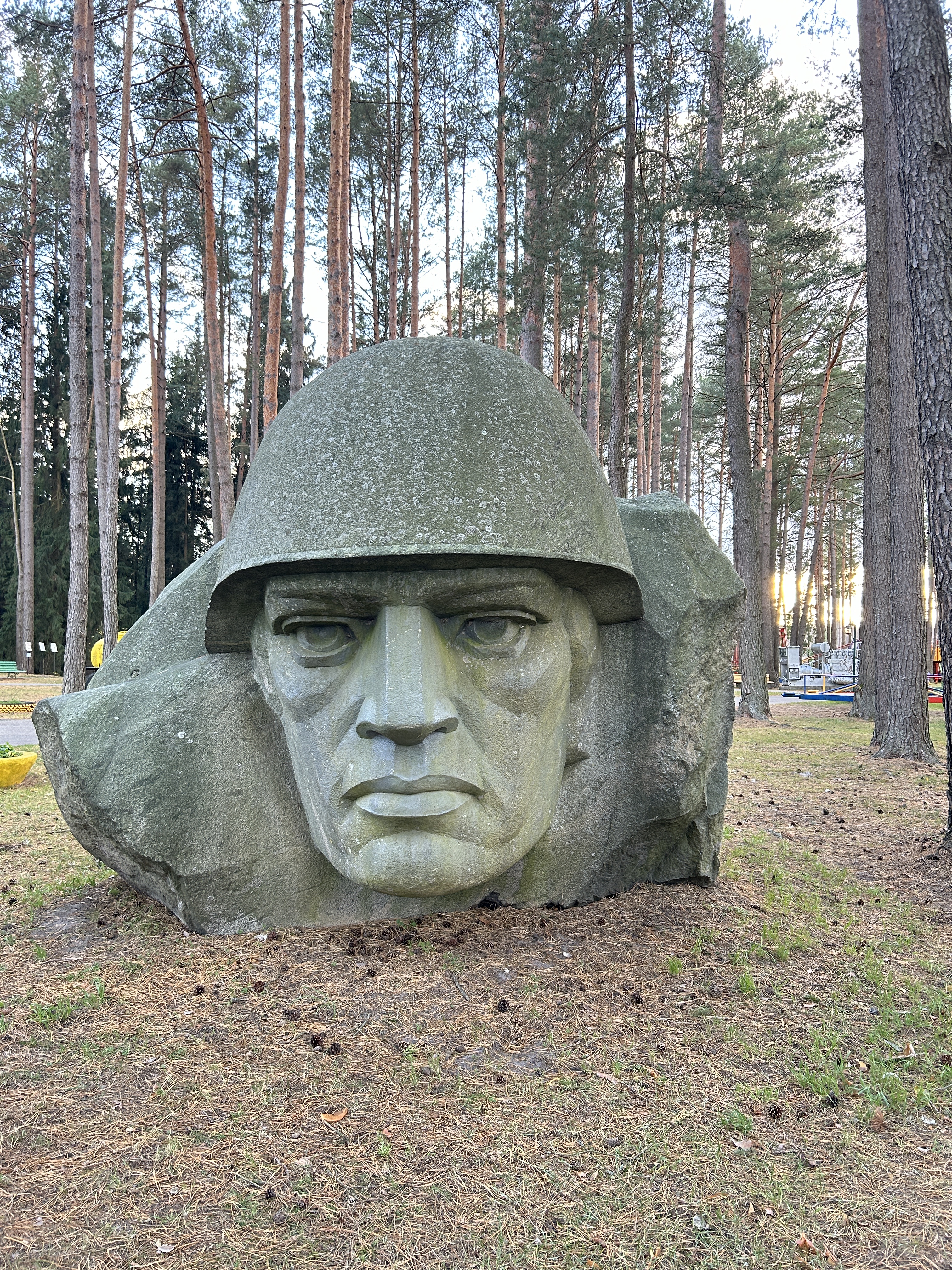
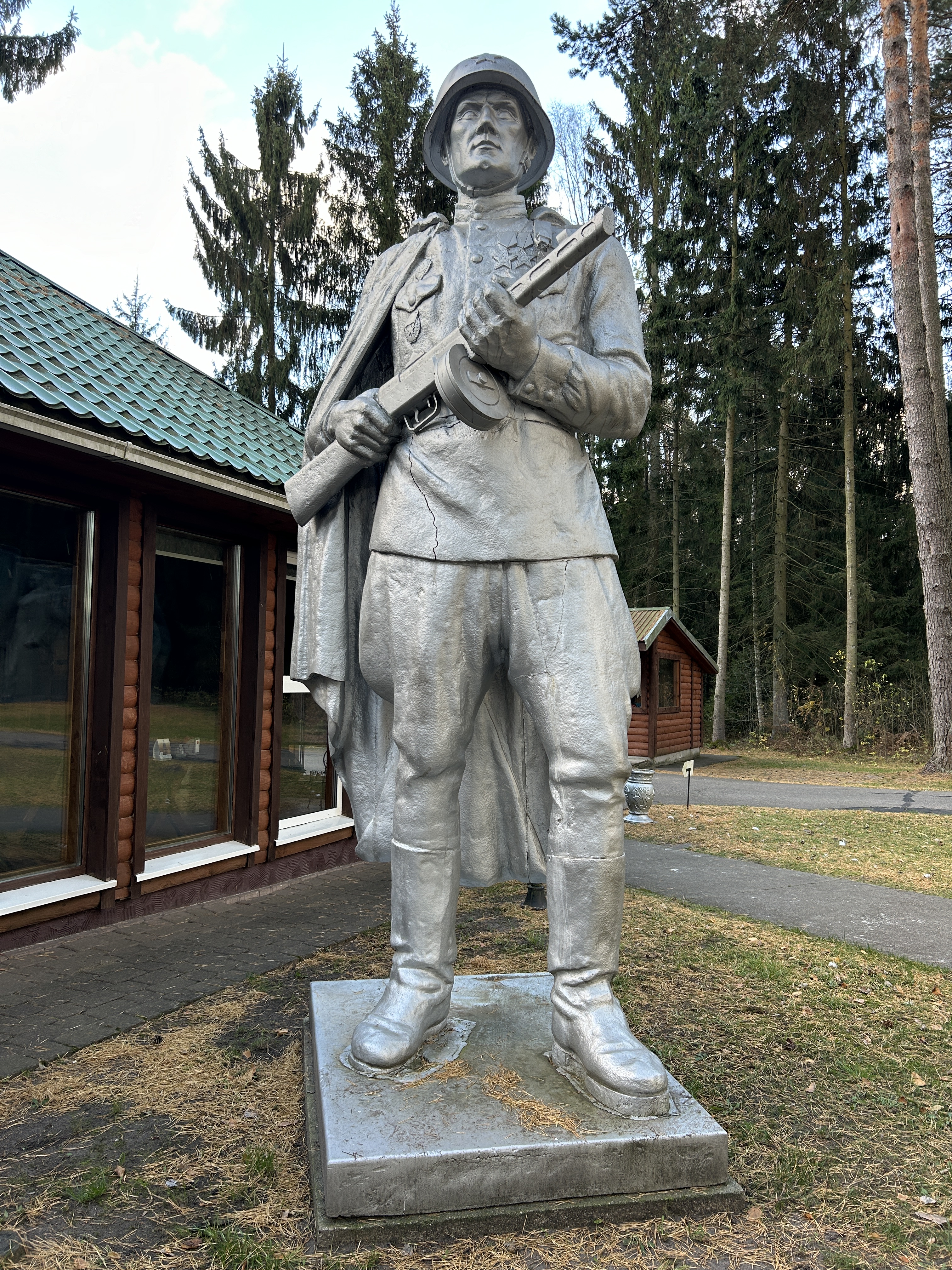
At a time when many newly independent Baltic cities and towns celebrated their newfound freedom from the Soviets in 1991 by tearing down and destroying Soviet symbols, a Lithuanian businessman decided to save what he could to educate future generations and encourage them to think critically about the past.
The park is designed like a Soviet prison camp with barbed wire, watch towers and a walkway that sort of resembles the one-way path through Ikea, although in this instance you are more likely to pass another statue of Lenin’s head, and not a Billy bookcase!
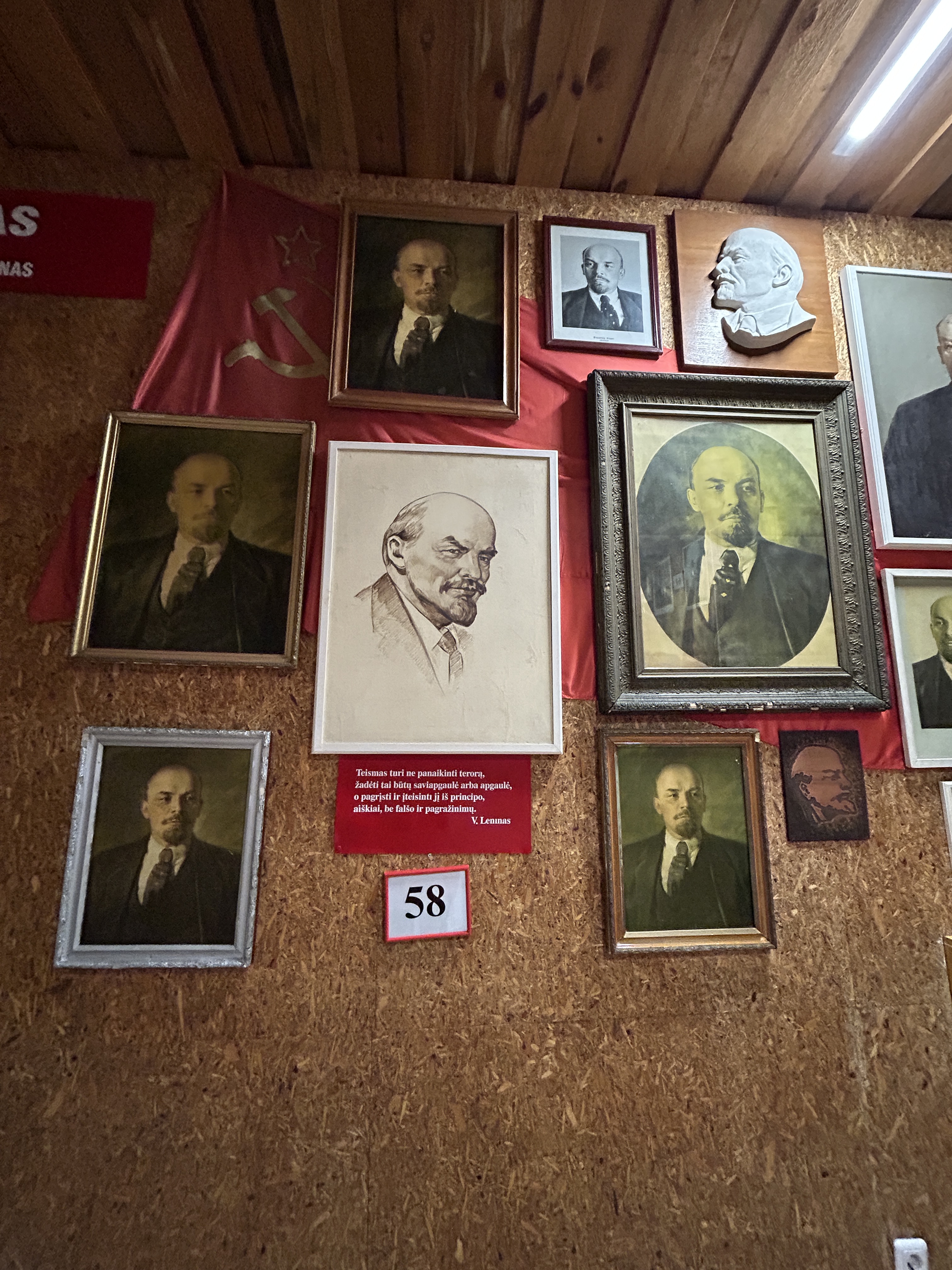
Lenin and Stalin were definitely the stars of the show. Lenin led the Bolsheviks in overthrowing the Russian government in 1917, promising “peace, land and bread” to ordinary people. He believed in communism, an idea where everyone shares resources equally, without rich or poor, and the government should control all property and businesses. He died in 1924, but remains a symbol of the Soviet Revolution. Stalin took over after Lenin and ruled for nearly 30 years. He wanted to make the Soviet Union powerful so he introduced totalitarianism where the state controls every part of life. He used fear, secret police and propaganda to keep control. It is estimated he is responsible for up to 20 million deaths, from The Great Purge, the Gulags, famine due to the collectivization of farms, and deportations. He died in 1953 and his passing marked the end of an era of intense repression in the Soviet Union, and led to changes in Soviet Policies as the new leaders sought to distance themselves from his harsh methods.

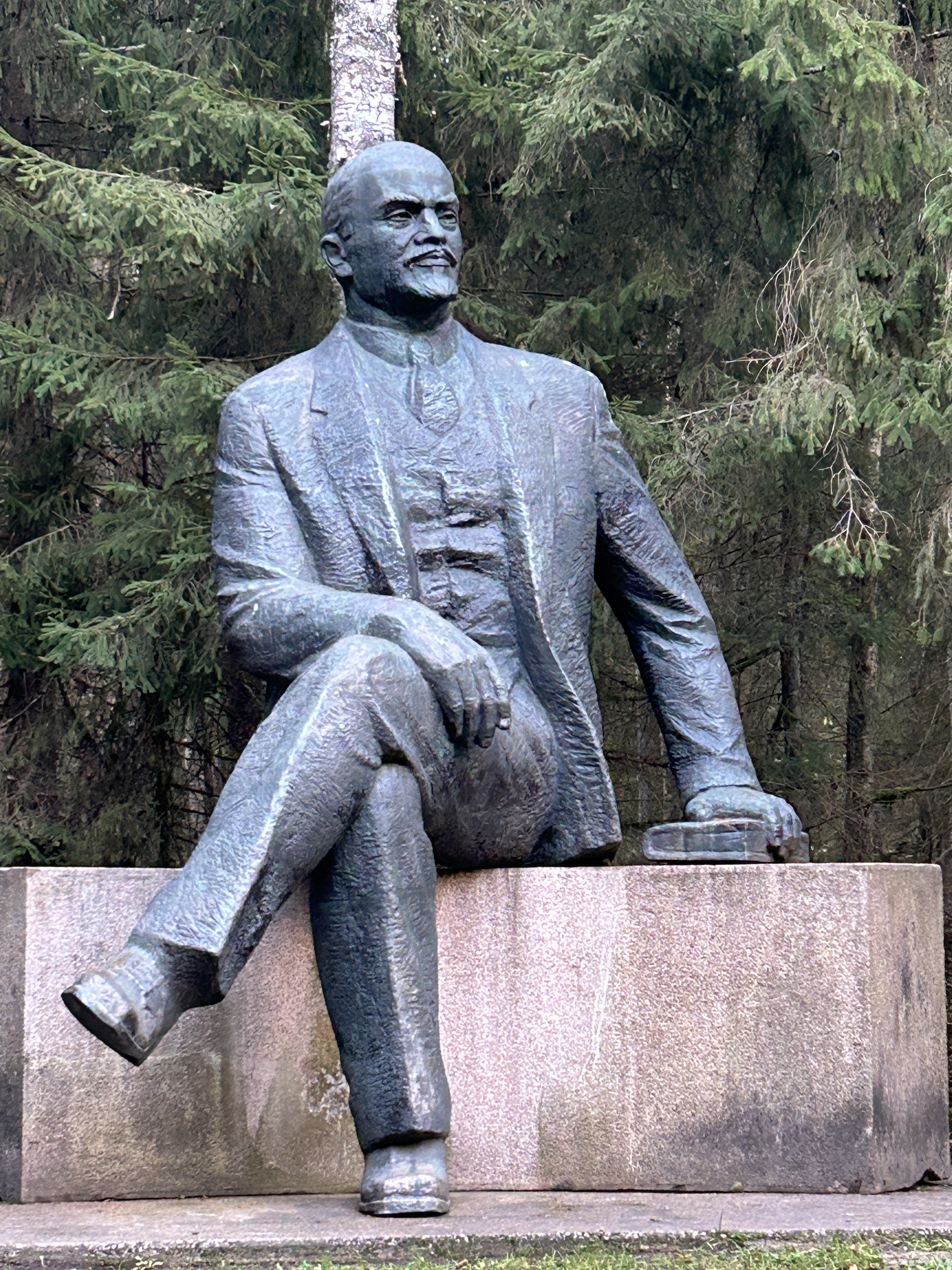
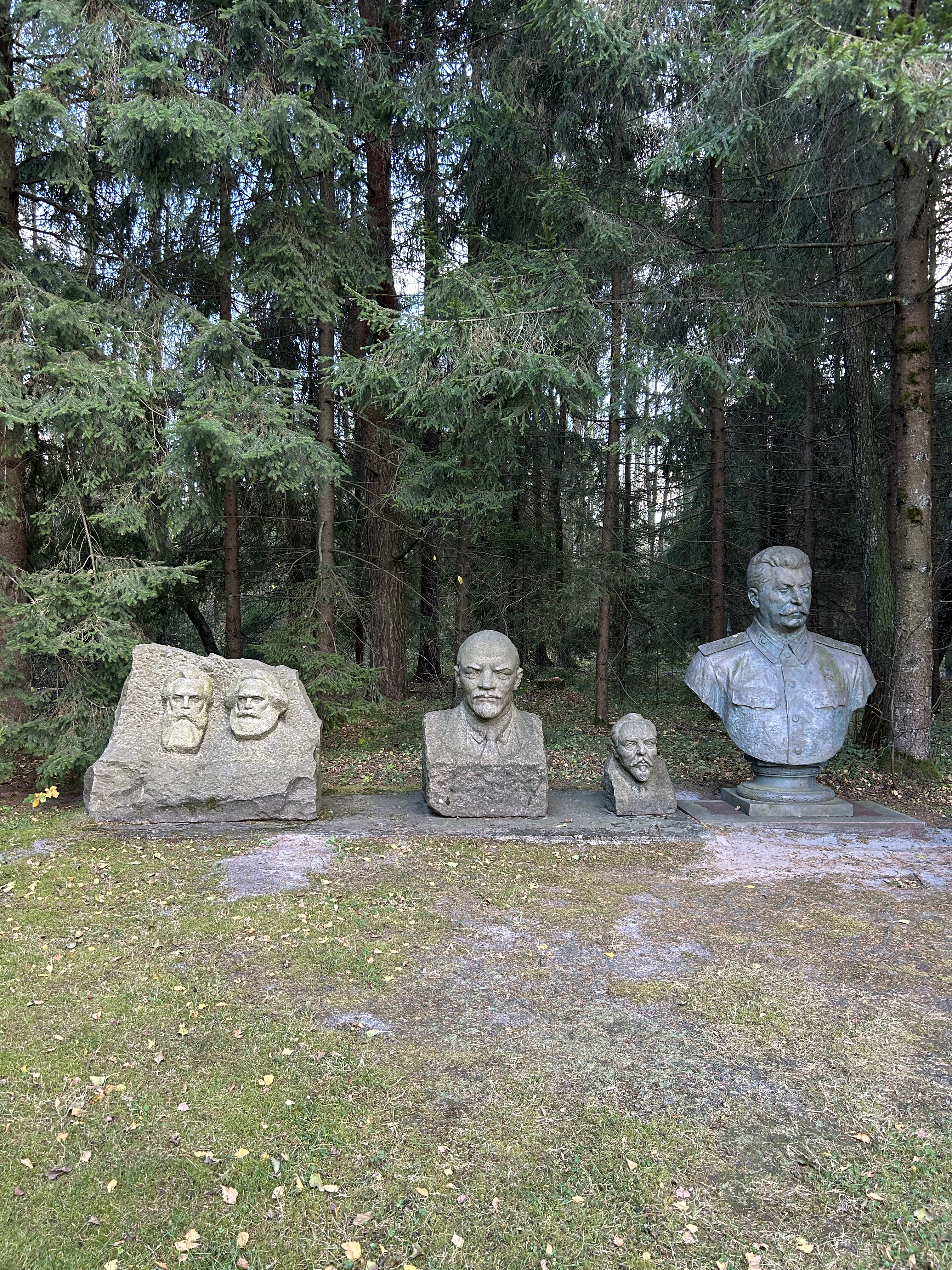
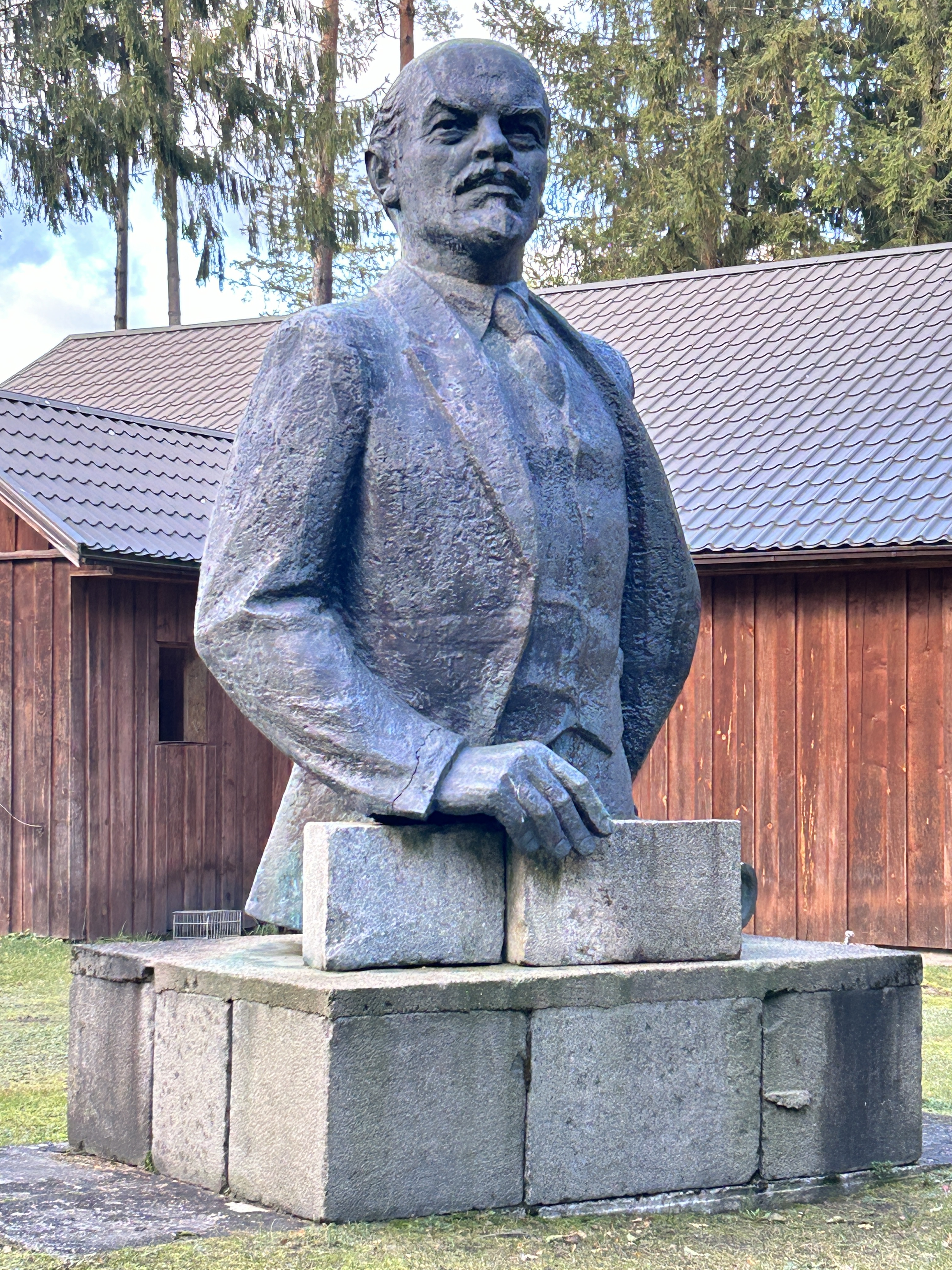
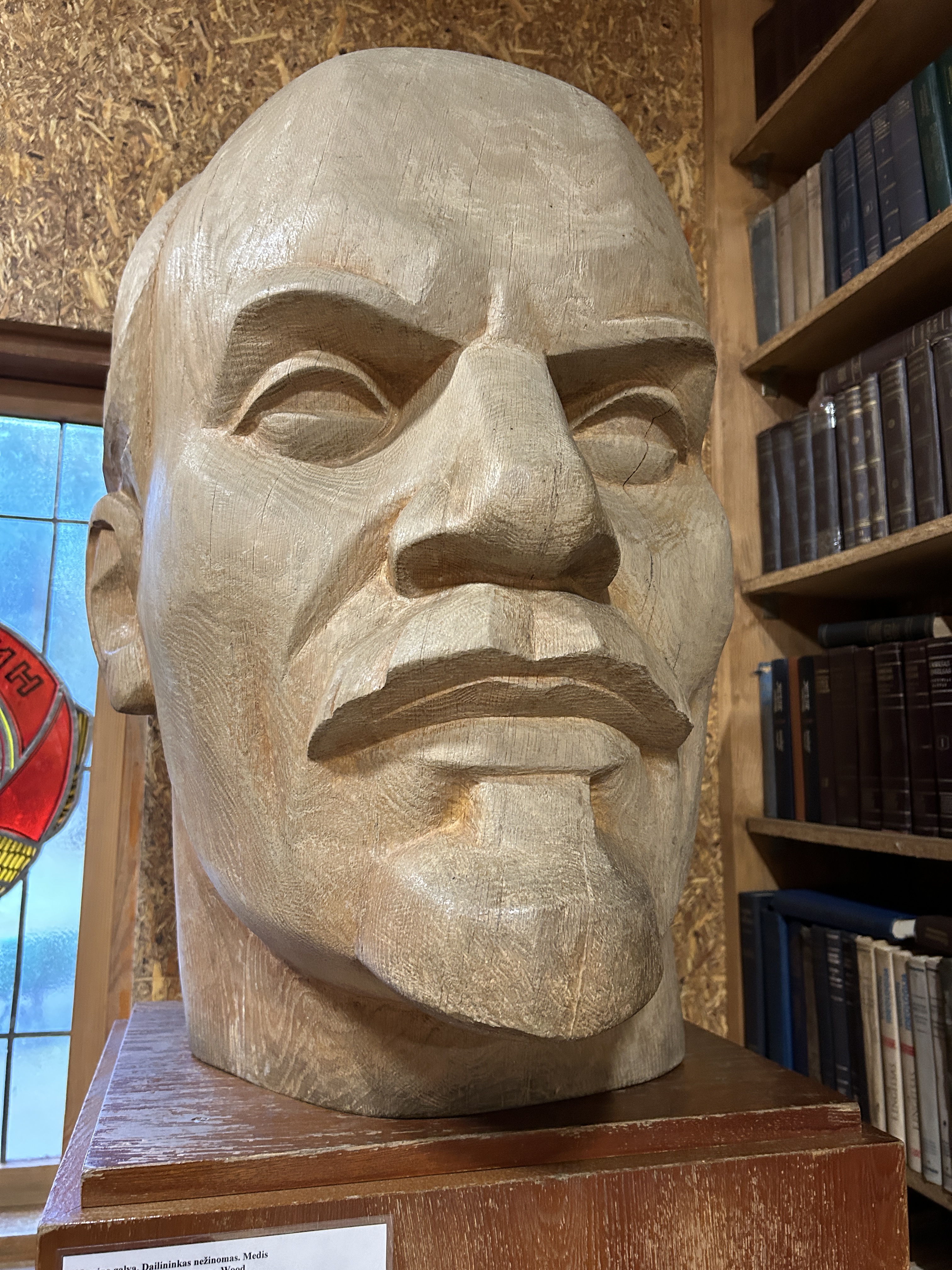
In the Soviet Union statues of Lenin and Stalin were everywhere; in schools, parks, city squares etc. This was all part of the propaganda spread to make people believe in the government’s ideas. They reminded people who was in charge and encouraged loyalty.
Grutas Parkus has about 86 statues of Lenin and Stalin. There are more of Lenin as the ones of Stalin were more likely to have been destroyed after he died in 1953. Some of these statues are huge. It was interesting walking around and reading the signs up about them, and seeing where they stood a few decades ago.
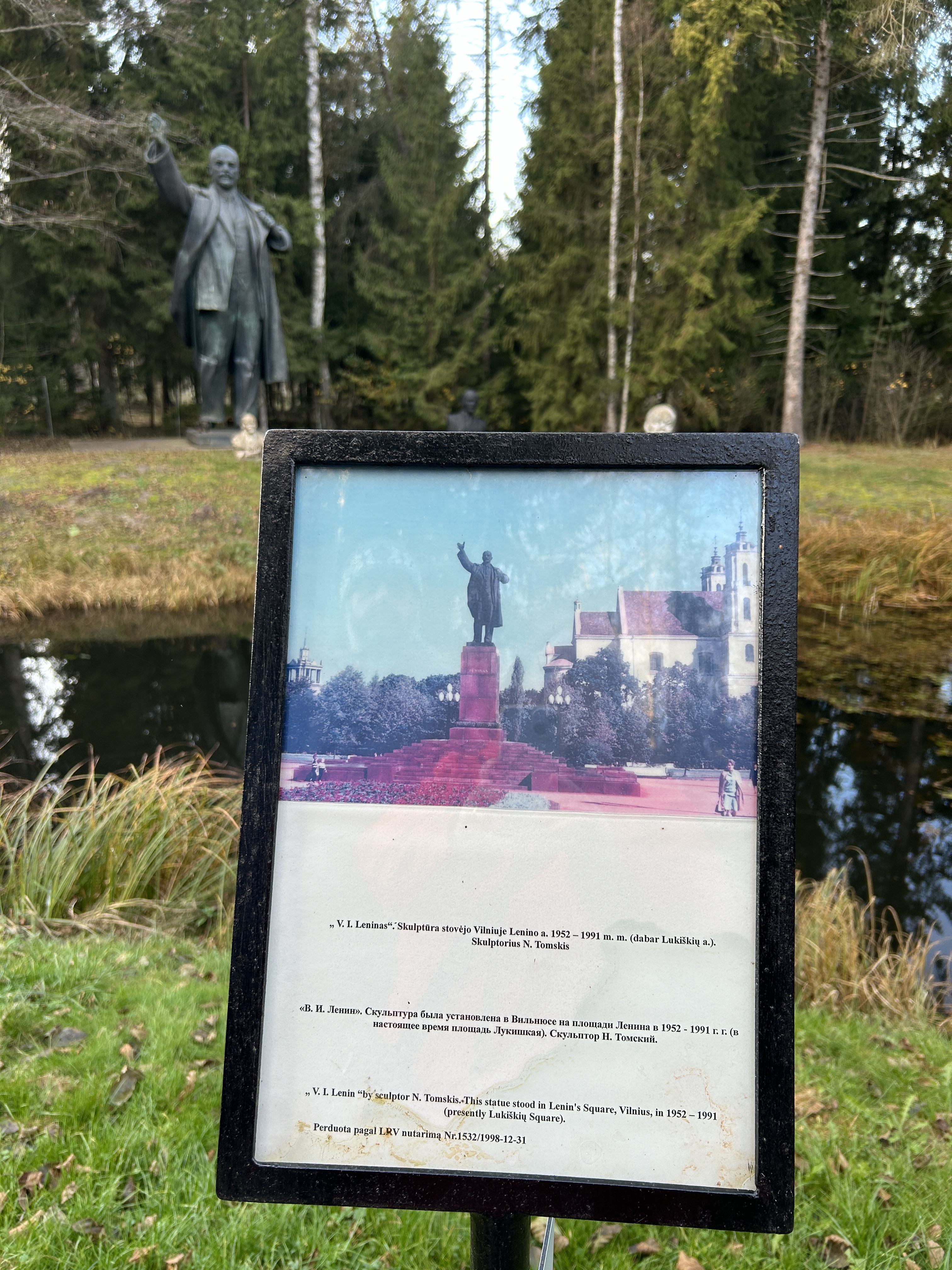
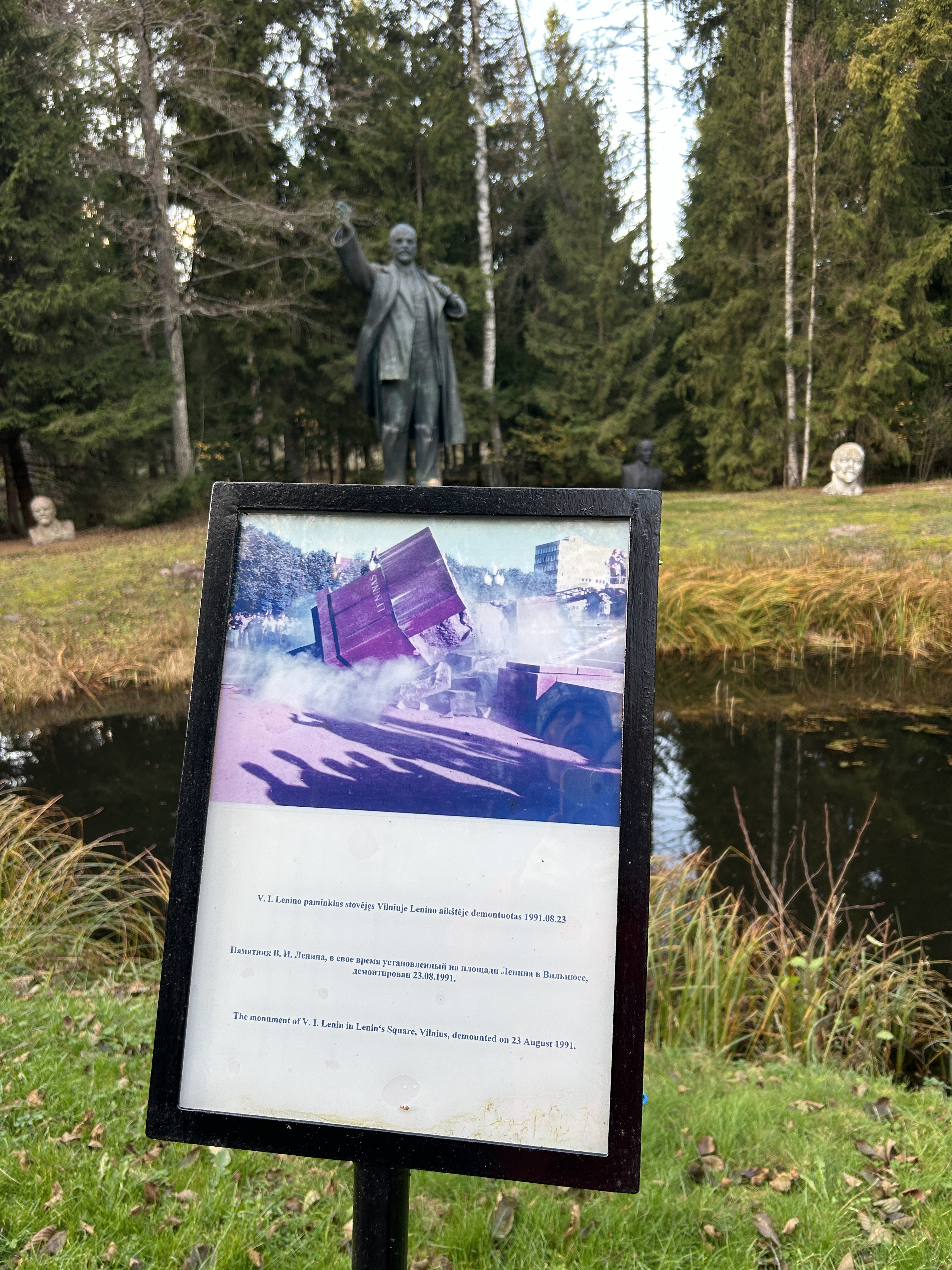
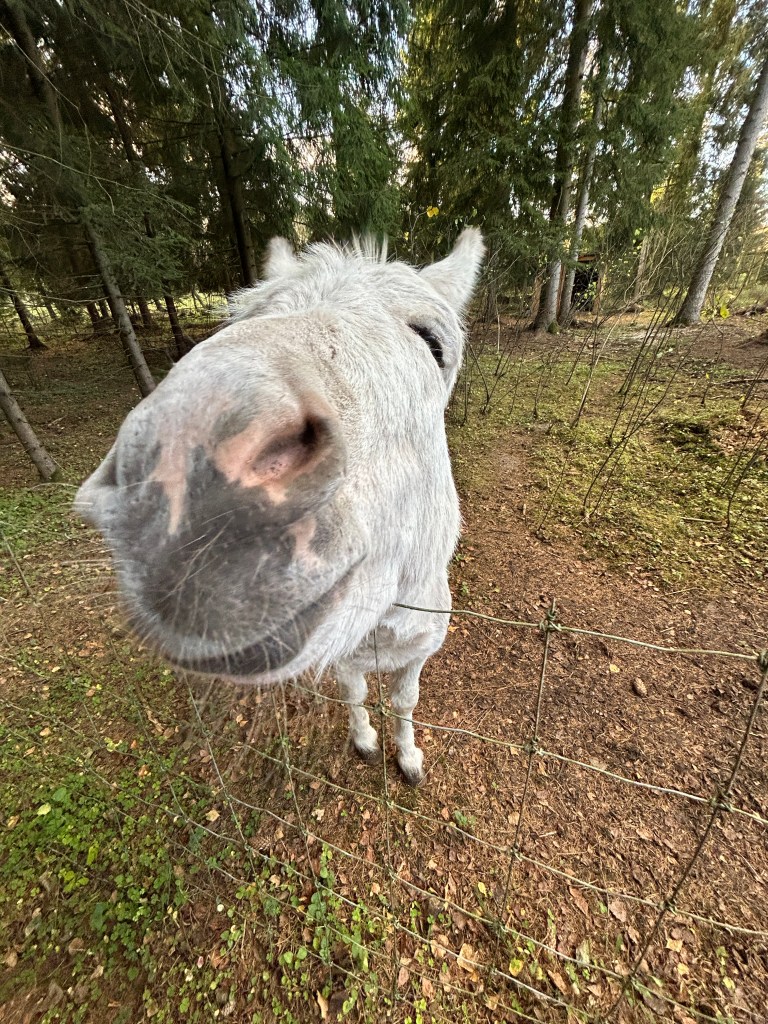
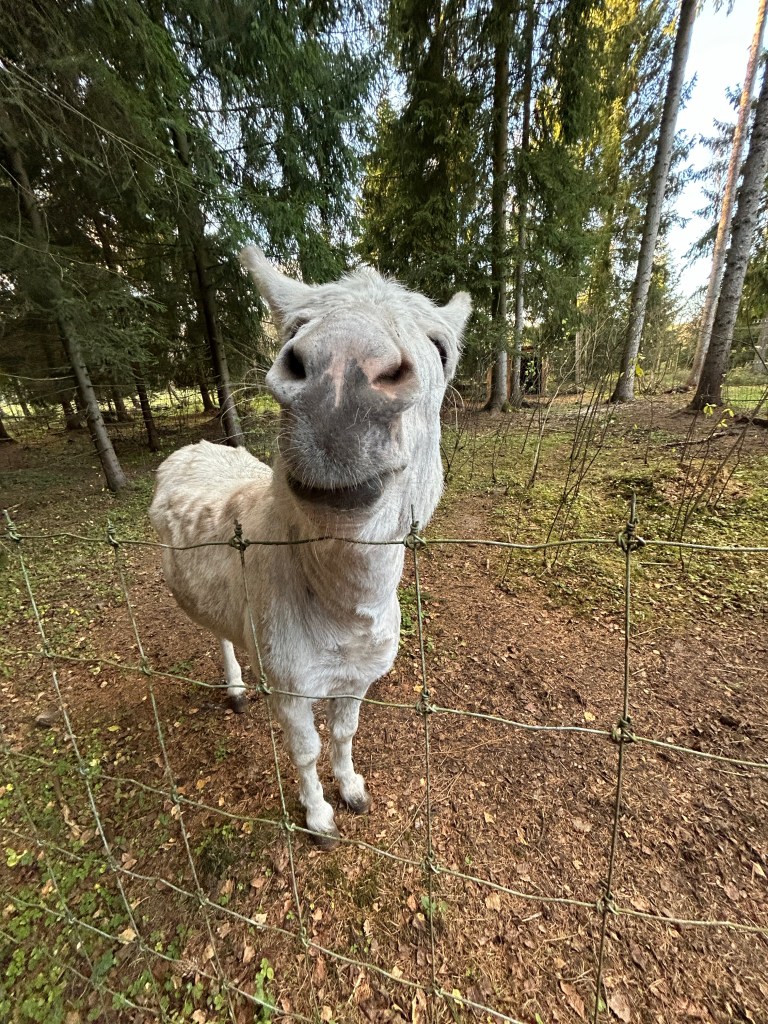
Lyn and I were the only 2 people in the whole park, although it must get busy in the summer, looking at the restaurant and the children’s vintage Soviet style playground. There is also a small zoo there, complete with a super friendly donkey who loved ear rubs, so I was happy! We even got to go in the locked-up information centre when a woman who was raking up leaves opened it up for us.
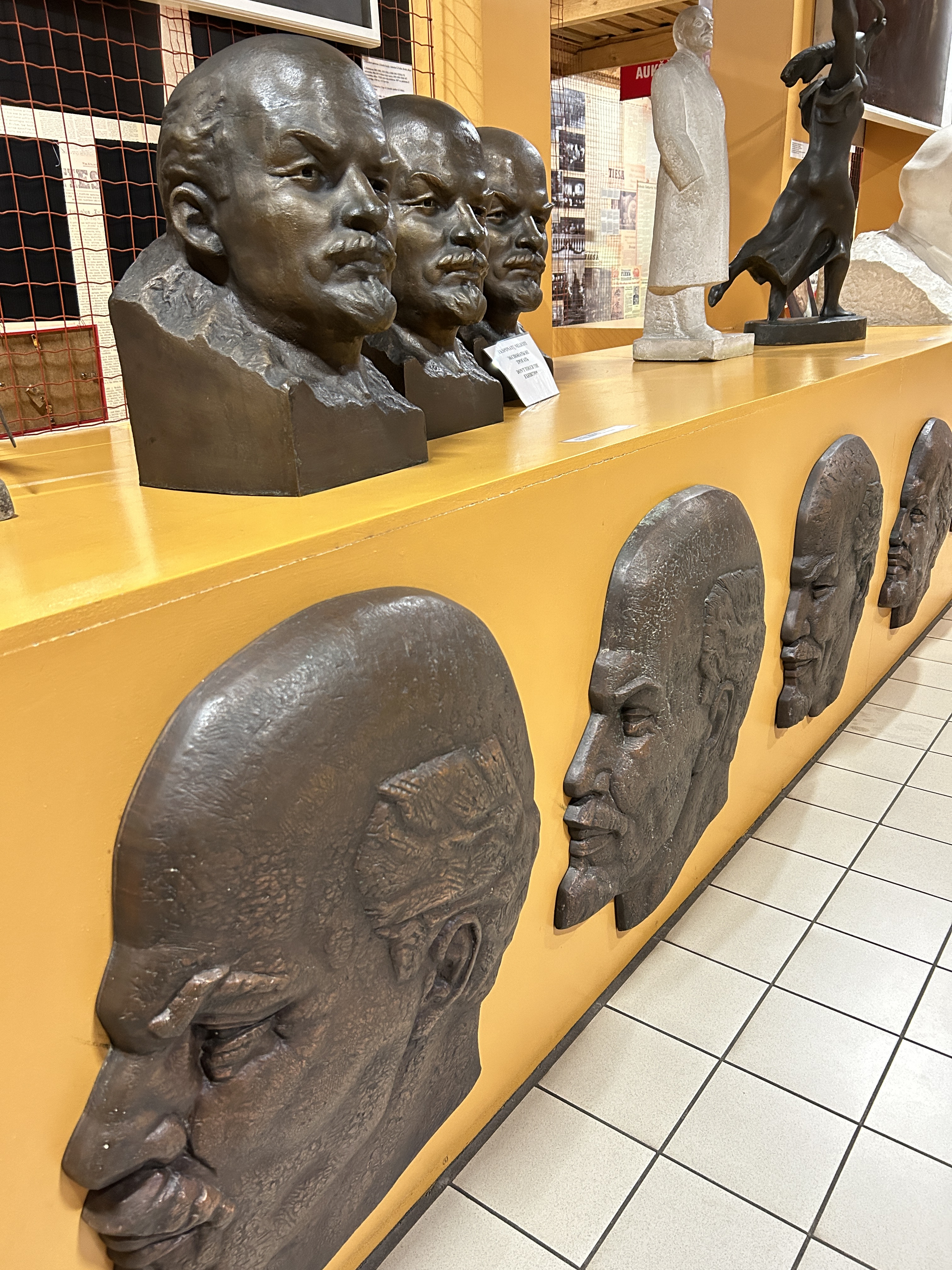
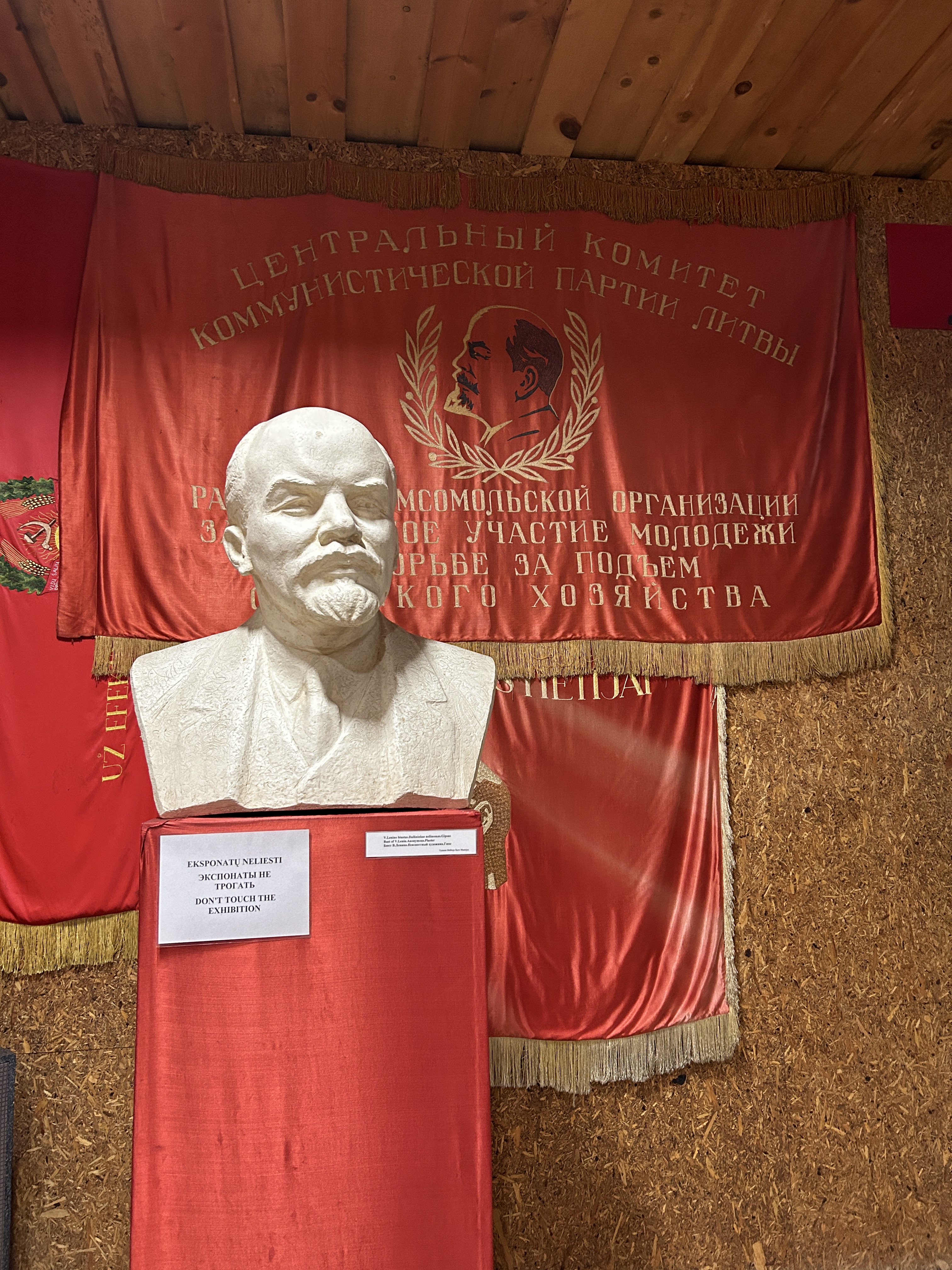
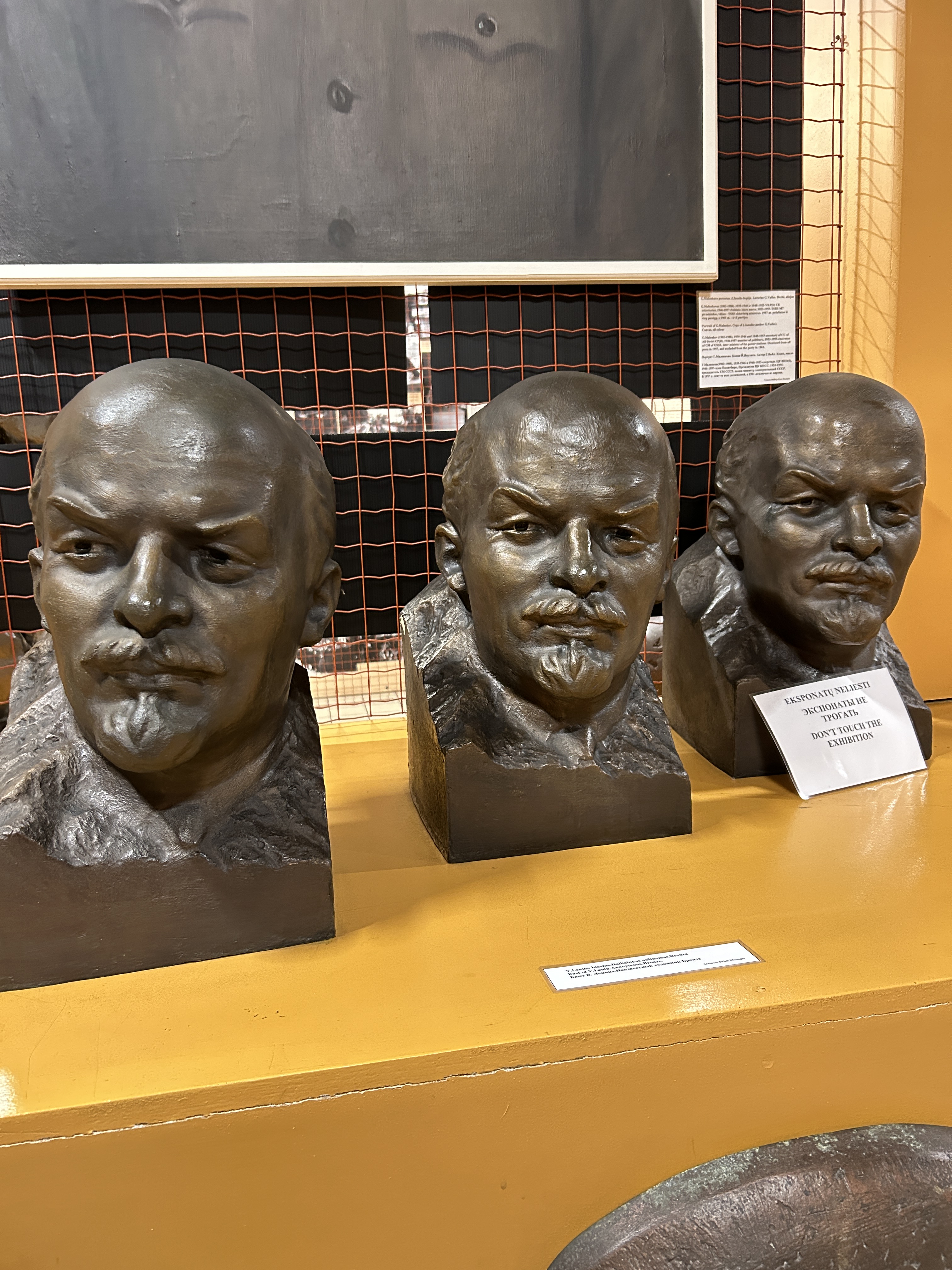
We might be strange, but we both thoroughly enjoyed it, although I would not want to wander around there at night with a torch with all those creepy heads looking at me! There is something almost impressive about the stark, brutalist style of these statues that seems to represent the whole ethos and style of the era.
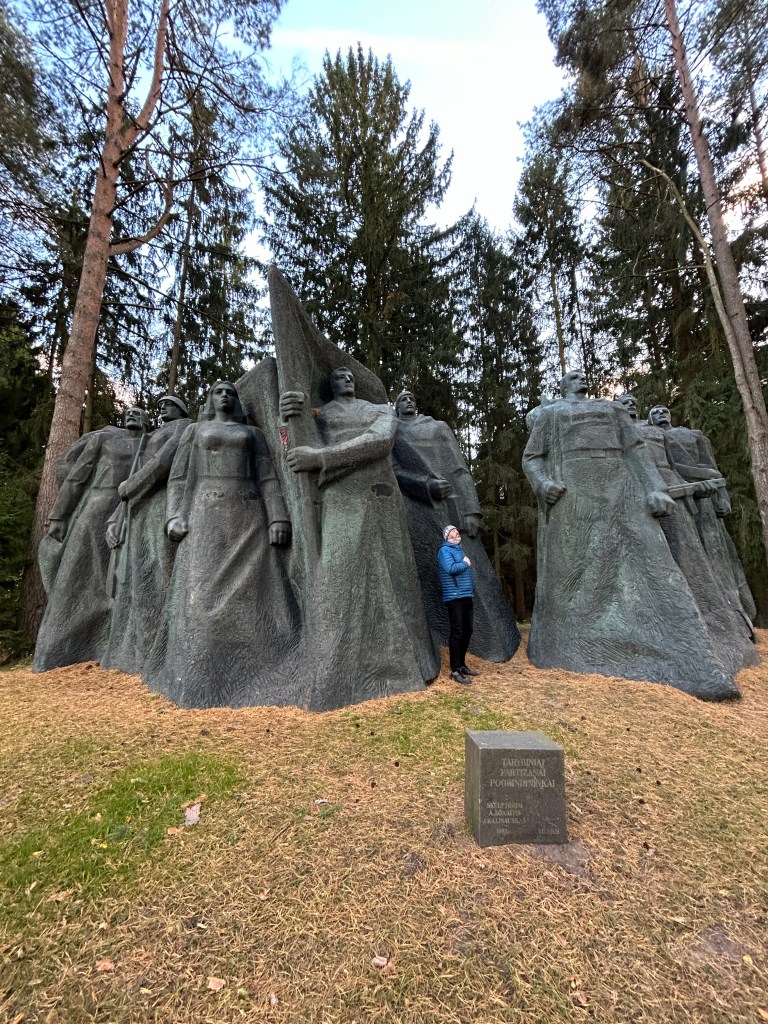
With the eyes of Stalin and Lenin still boring into our souls we left to find our park up for the night. We got our timing wrong and ended up driving in the dark over the awful roads, clinging on every time someone overtook us and forced us into the verges. Eventually, we got to watch the last rays of the sunset over a lake. Our last night in Lithuania.


 Dwti Draig
Leave a comment