
So for this blog post, we go back a week or so, back to Estonia. This is a blog post written by Lyn and his visit to the Estonian Air Museum. Over to Lyn….
I was born in 1965 in the middle of the Cold War and grew up in the global threat of communism and nuclear war. It was just after the Cuban missile crisis, Vietnam was still active and there were problems in Czechoslovakia and Russia invaded Afghanistan.
As a kid and young teenager, it was Red this, Commie that, the West was good, and the East was bad. At that time, Europe was divided down the middle with the Warsaw Pact, Berlin was separated with a wall between, and espionage and spying were rife. So, as a boy, the MIG Aircraft, T54 Tanks and ships with long Russian names, secretive and lethal submarines, Kalashnikov guns, etc., gave us a rich fabric.
At the age of 12, I joined the air cadets, and every few weeks, we had a competition to guess the aircraft from different photographs, many of which were old Russian attack and reconnaissance aircraft from different angles. Most boys had packs of Top Trump, which, for aircraft, may list out lots of specifications, speed, endurance, etc., so you could trump your competitor by guessing your fighter could go faster than their bomber…
Everything was skewed that the West was better than the East, as you would expect.
Then at the age of 19 in 1984 I went to University to study Politics and Economics, I landed right in the middle of a left-wing campus and for 3 years learned all about Marxism, Russian politics, communism the free economy, and lots more at a very active time anyone remember CND?
I left Uni and failed to get a job and within a year was back in Uni studying Computing which for the last 35 years has been my career and passion, but I have always had a deep interest in the Cold War, Nuclear arms race, and politics. Ironically my first full-time role was working for the MOD as a scientist in an experimental establishment just before the first Gulf War, (but that’s another story), just as the Berlin Wall came down and the Cold War started to melt away…..
So knowing all this background today was going to be a very special day for me, visiting the Estonian Aviation Museum in Tartu.
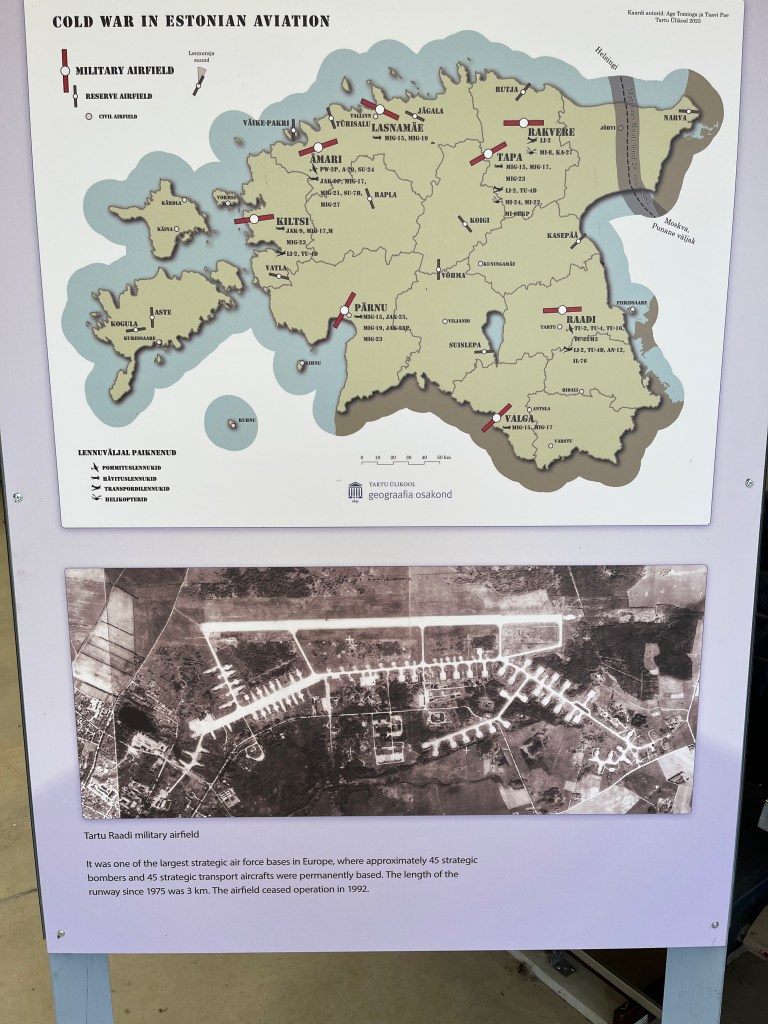
Turku Raadi airfield was one of the largest USSR strategic Airforce bases in Europe, being a permanent base for more than 45 bombers (conventional and nuclear) and a host of other aircraft, the runway was 3 km long.
As Tartu was situated close to the Russian border and well inland, it allowed the Russians to place 6 or so MIG (interceptor and fighter) bases along the coastline of Estonia, therefore protecting any attacks on Tartu and defending the periphery of Eastern airspace. I have no doubt that the Tupolev and Illysian bombers based here have flown close to UK airspace !!
Although the museum is not on the old site I knew this was going to be a good visit, promising over 500 exhibits in and open-air environment. I spent about 2.5 hours in all and was asked to leave at closing time, but I could have spent much longer there. I was one of about 8 people in the whole museum it was so quiet, that I was totally engrossed.
What was so unique wasn’t just the range of items on display, but that you could get fully hands on and get really into and close up to everything. The cockpits were sealed or partially covered but even then you could view every detail. Most of the major items had English explanations but even in Estonian you can get the gist of weight, dates range etc.
How do I start this …. I have a few photos and as Lucy would say, not everyone wants to see how a jet engine works
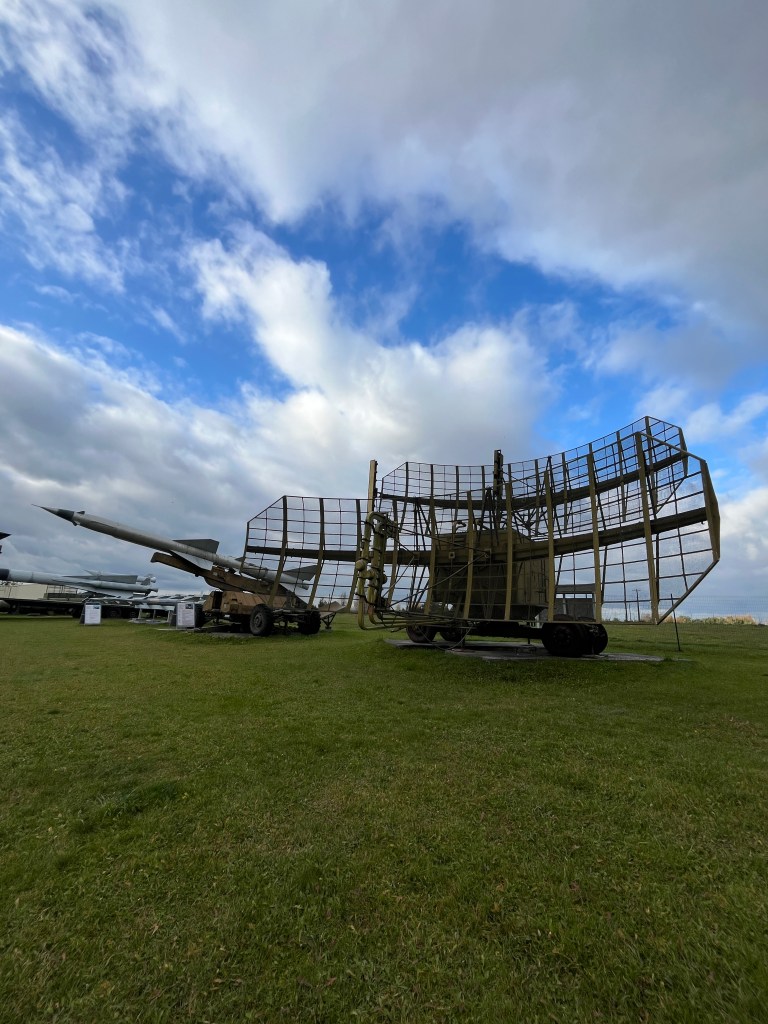
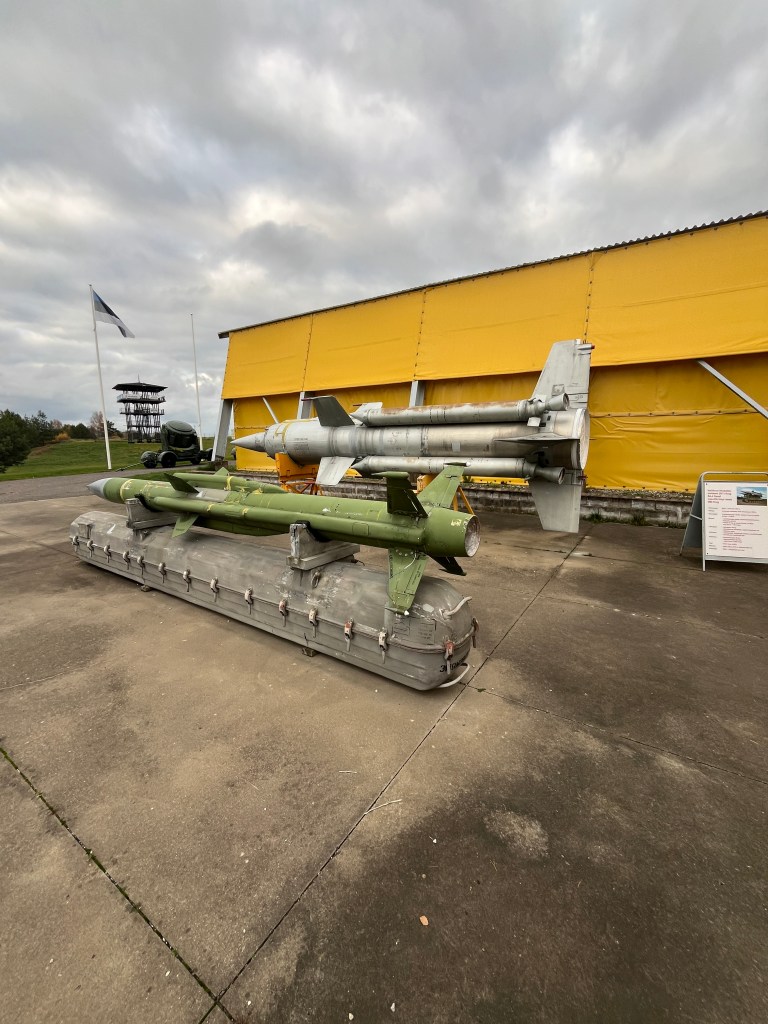
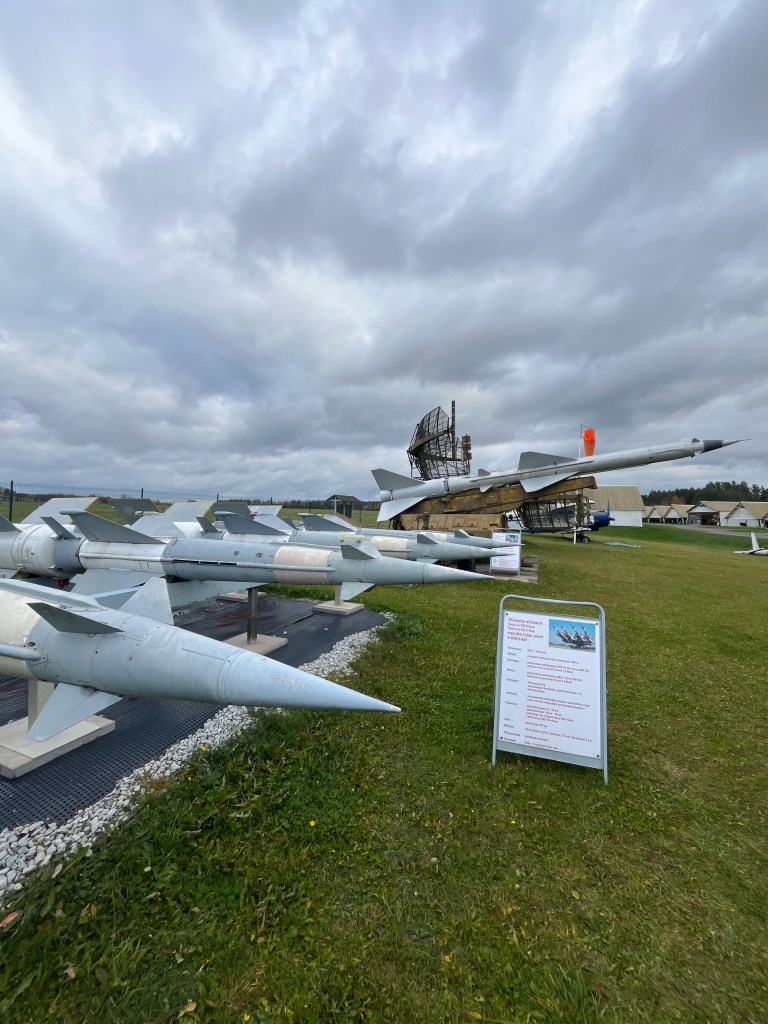
The above picture shows a Russian ‘Ohukaitse Susteei S-75 Dvina’ missile and radar array. If you western we call it a SA-2 Guideline. In 1960, if your name was Francis Gary Powers at 75,000 feet in a U2 spy plane, you would know this is what shot you down and landed you in a Russian Prison for 2 years and at the same time caused a big ripple in the Cold War. I believe it also put an end to U2 overflights over USSR. Powers was returned to the US in 1962 in exchange for the Soviet spy Rudolf Able (who was born Newcastle !)
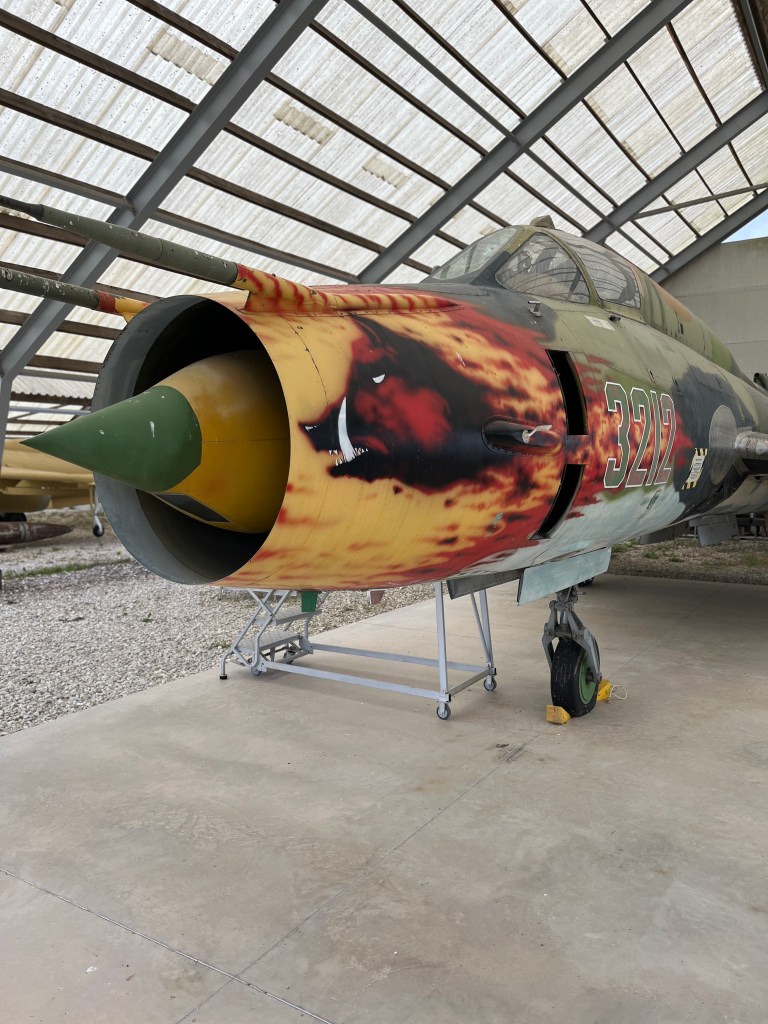
The first Soviet aircraft I found was this Suhoi SU-22, for ground attack was a bit of a beast and in good nick considering it was first introduced in 1966. It has a sweeped wing (variable geometry) and has the NATO name ‘Fitter’. I loved the raging boar paintwork.
There were two aircraft from Saab on display; the JA-37 Viggen (one of my favourites) and the J-35 Draken. Both are very respectable aircraft made in Sweden. It’s crazy to think that although Saab made them, they had Volvo engines! Maybe that’s why back in the day the Volvo 245DL’s etc were solid cars that would last forever. I am sure Sweden were the first to introduce daytime running lights as a law in the mid 1970. Walking to school with my mates car spotting as you do, we could call out a Volvo ½ a mile away. Both Volvo and Saab are no longer Swedish-owned, a quick Google shows they are now part of Chinese-based conglomerates, how fortunes change. So you could say jokingly that communism got them in the end.
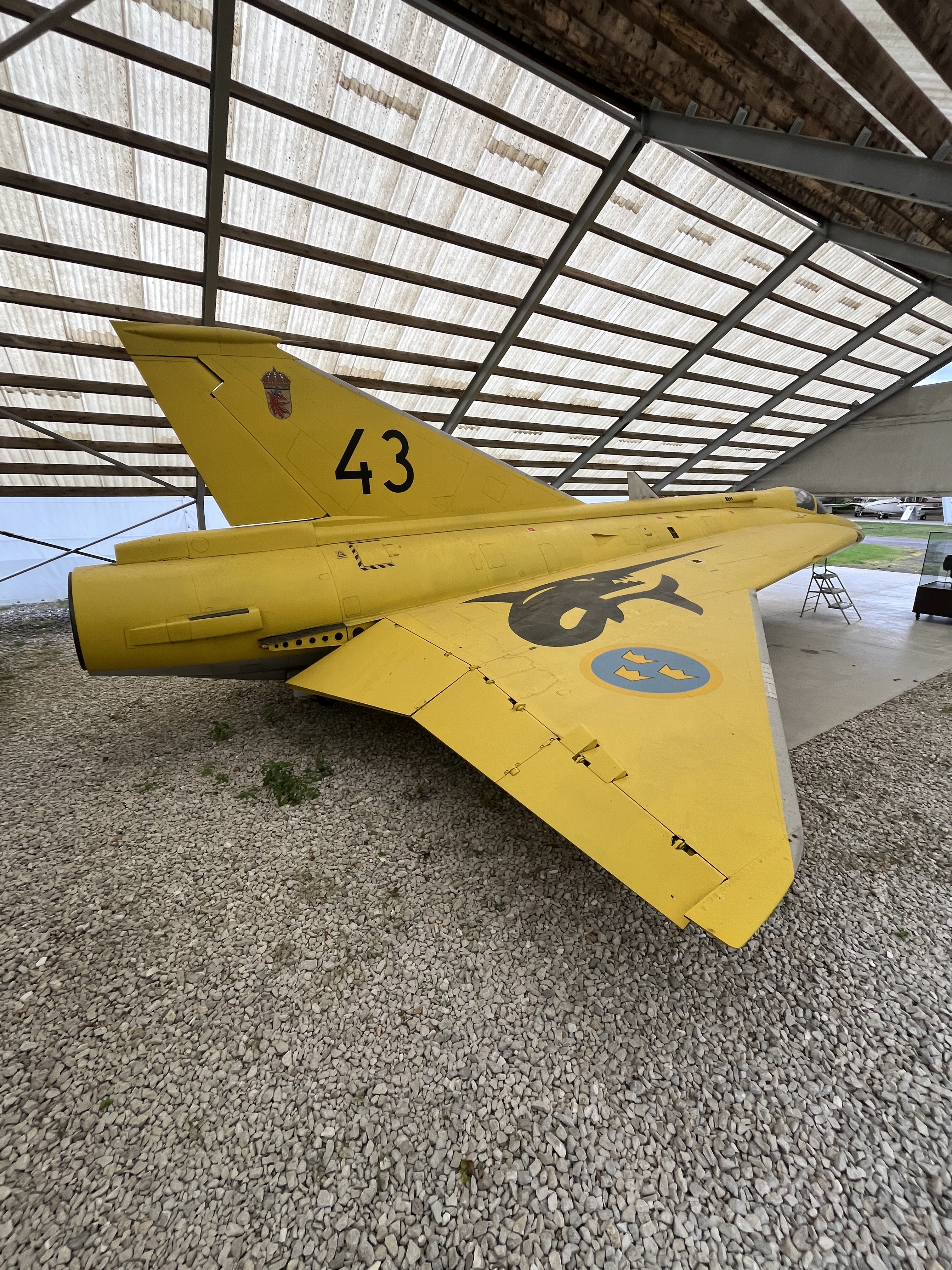
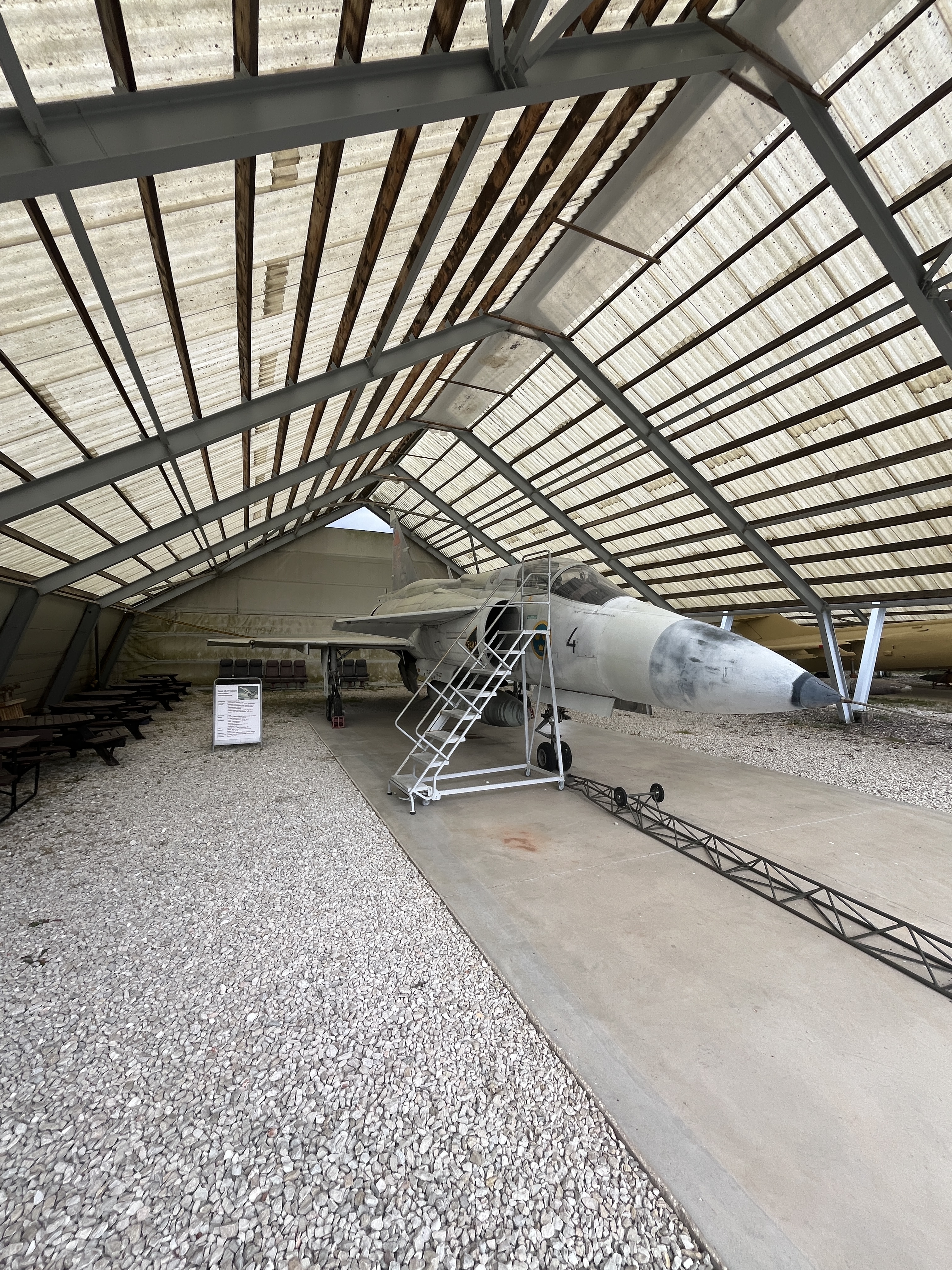
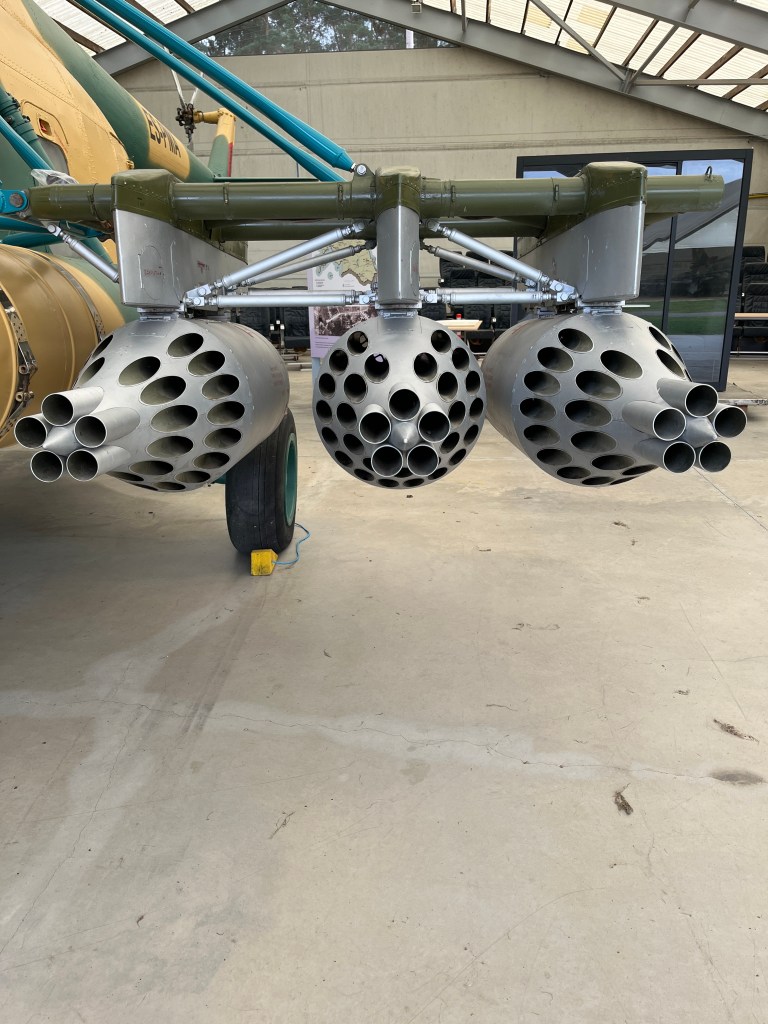
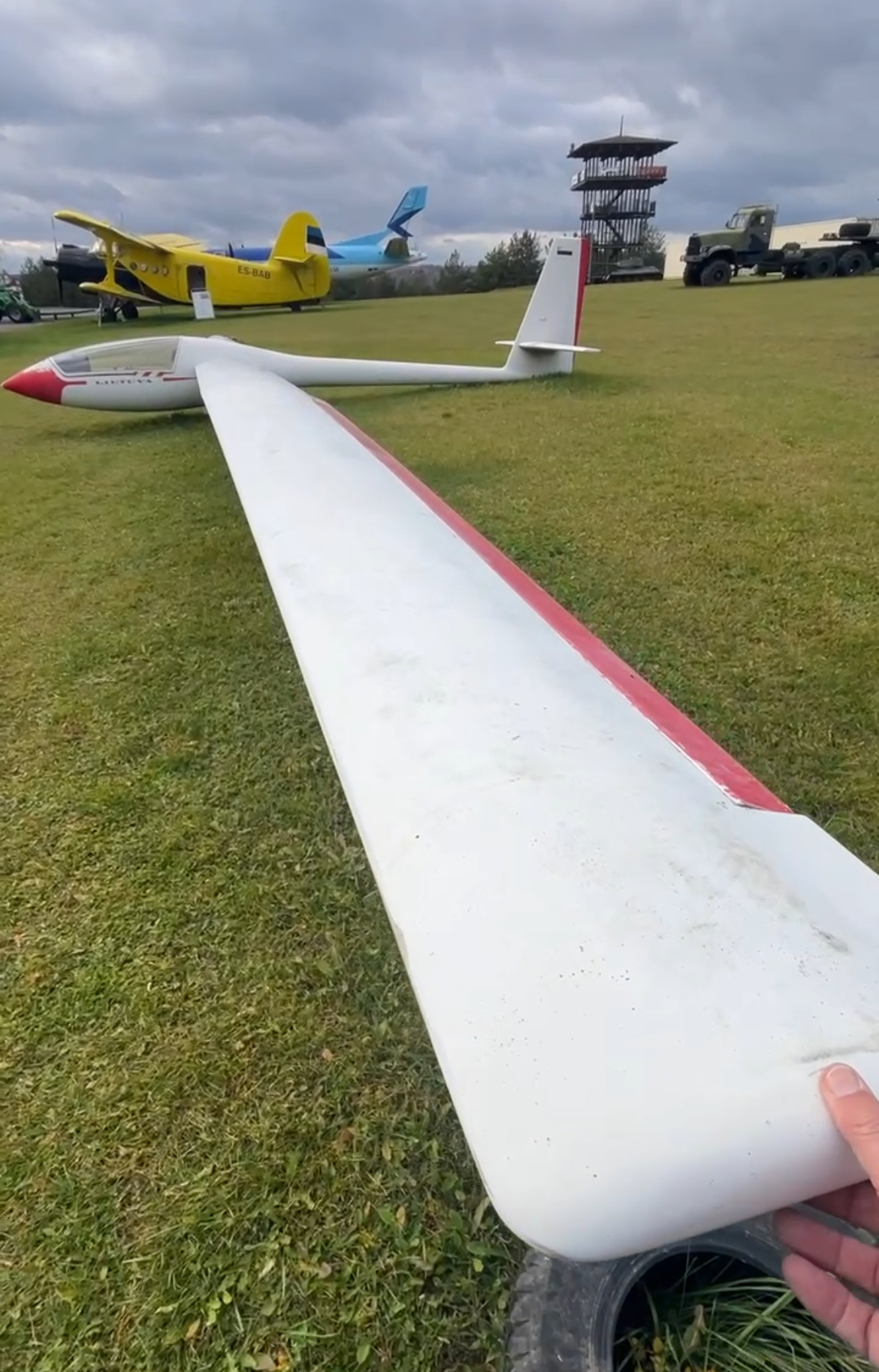
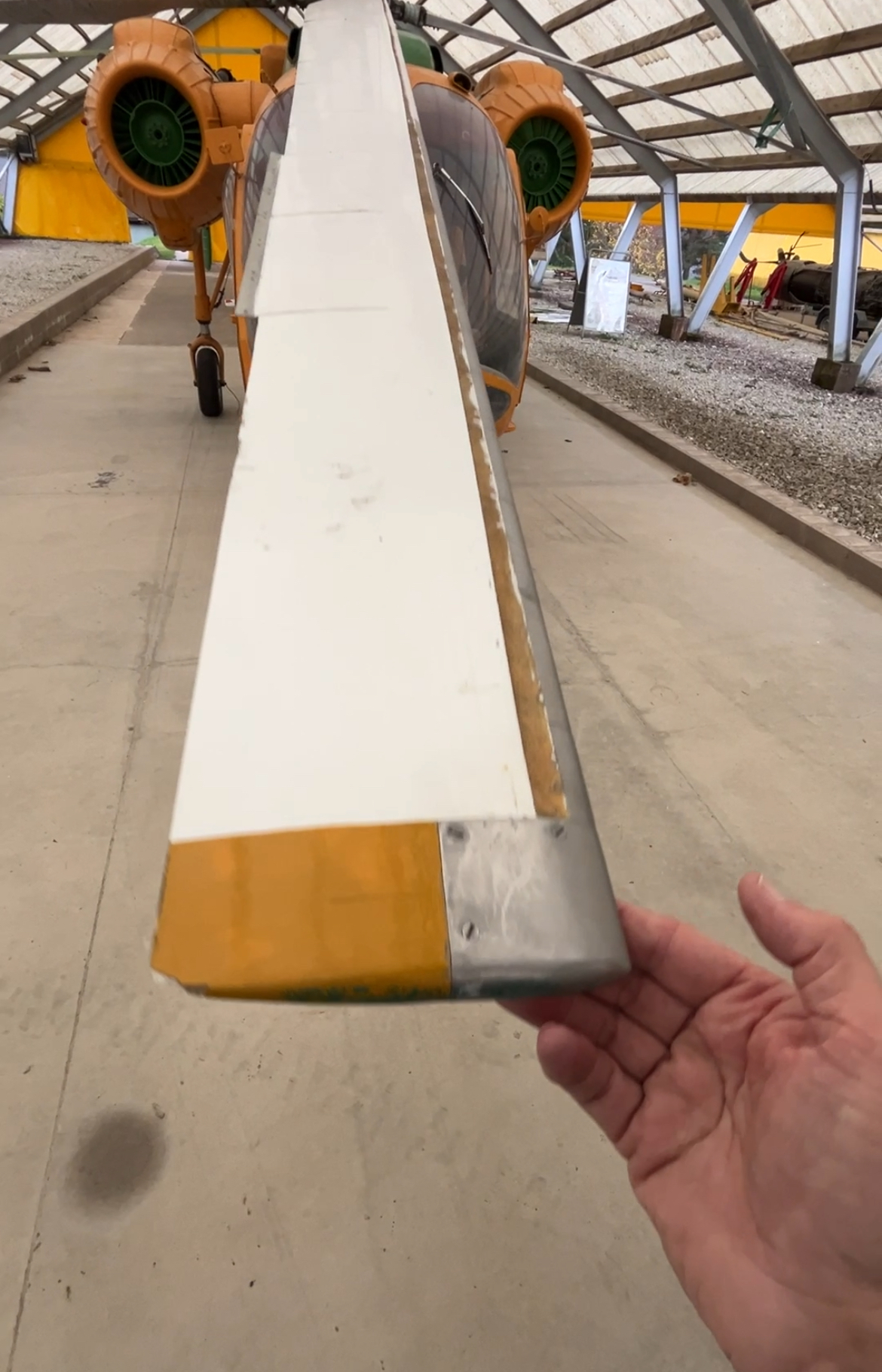
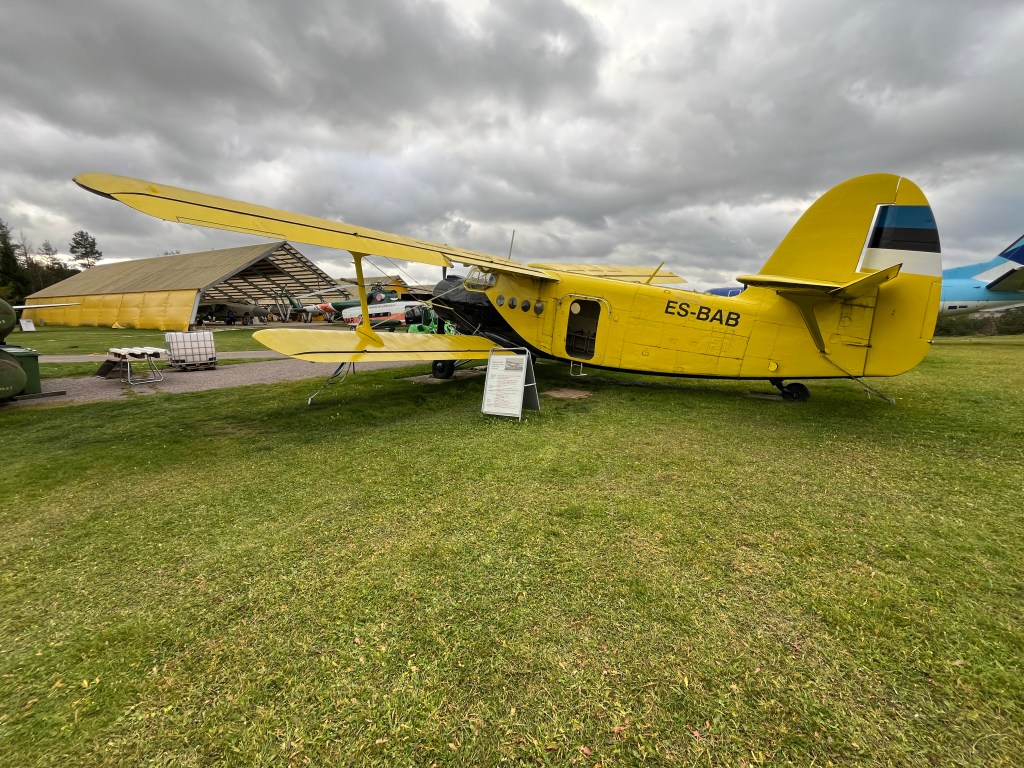
There were lots of odd aircraft dotted in between the big displays like gliders, microlights and some very odd-looking machines, including the Kamov KA-29 Helicopter, NATO name ‘Hoodlum”, a perfect description !
This was a hands-on moment! Having contrarotating blades gave the Kamov a huge lifting capacity compared to its weight, 1.9t standing with a total lift off capacity up to 3.25t. The blades were so low I was able to rotate them and move them. They were so flimsy and felt as though they could easily break and bend. Clearly designed when rotating to stiffen up and take the lift, but at standstill so so iffy.
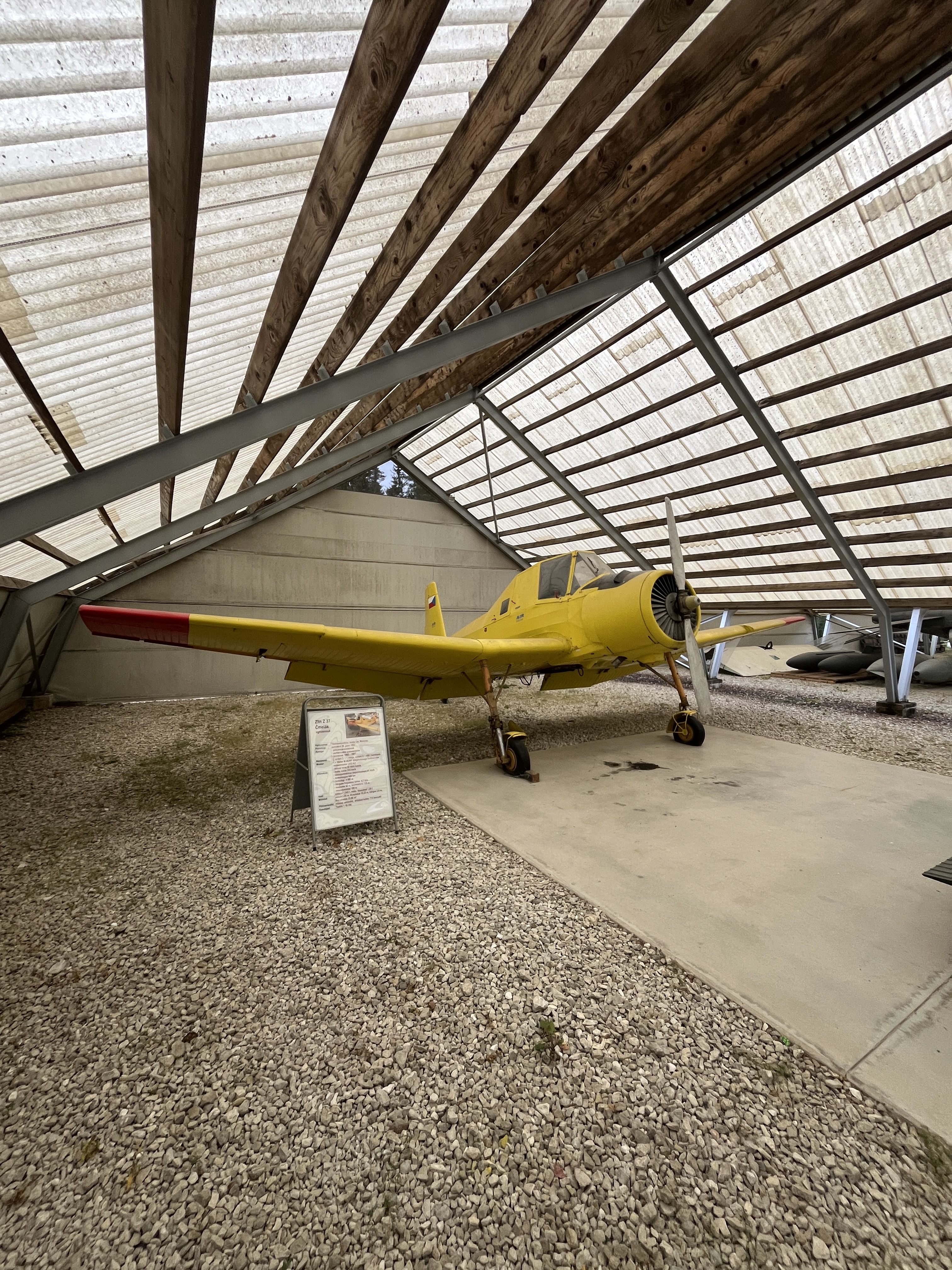
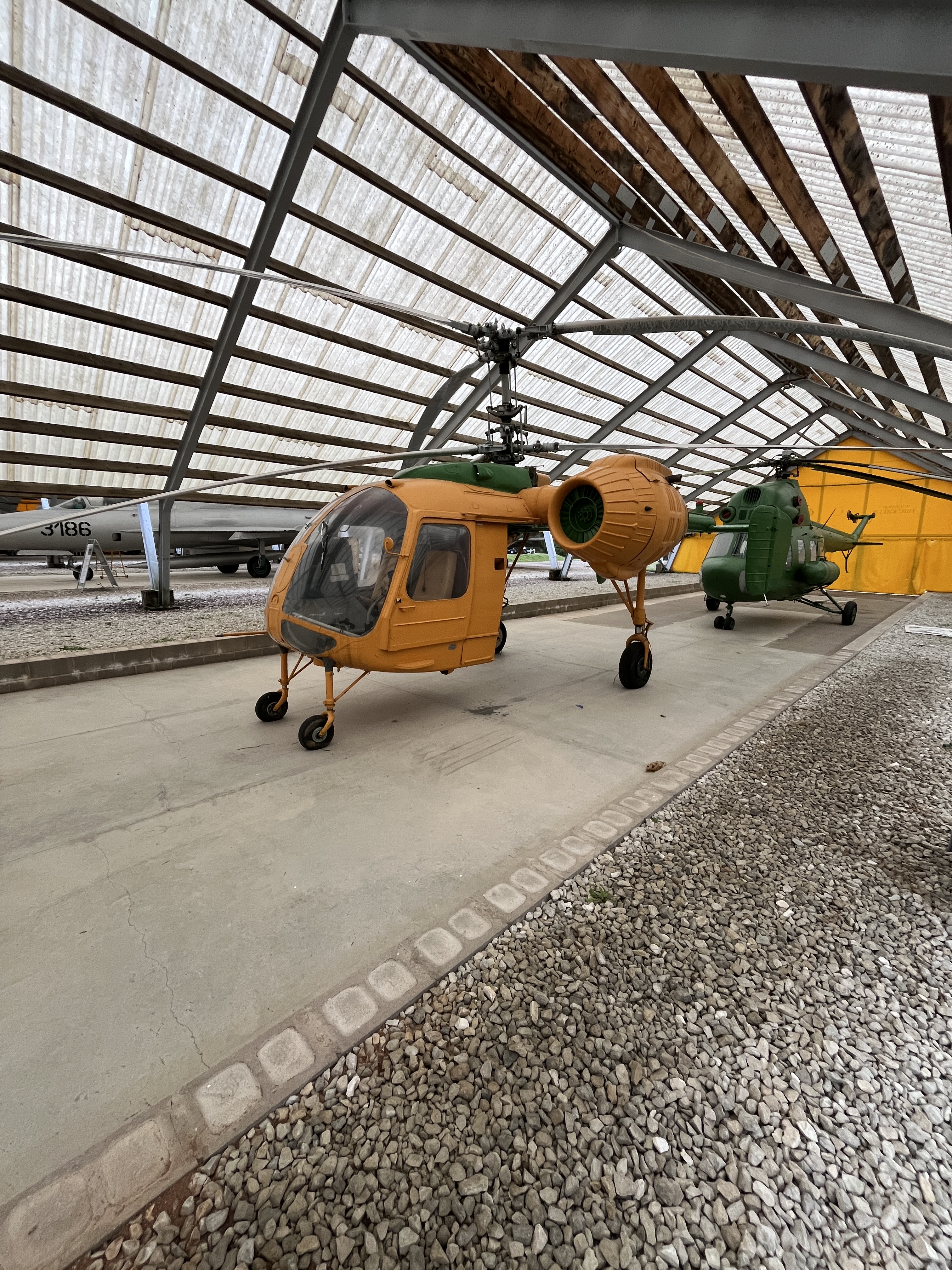
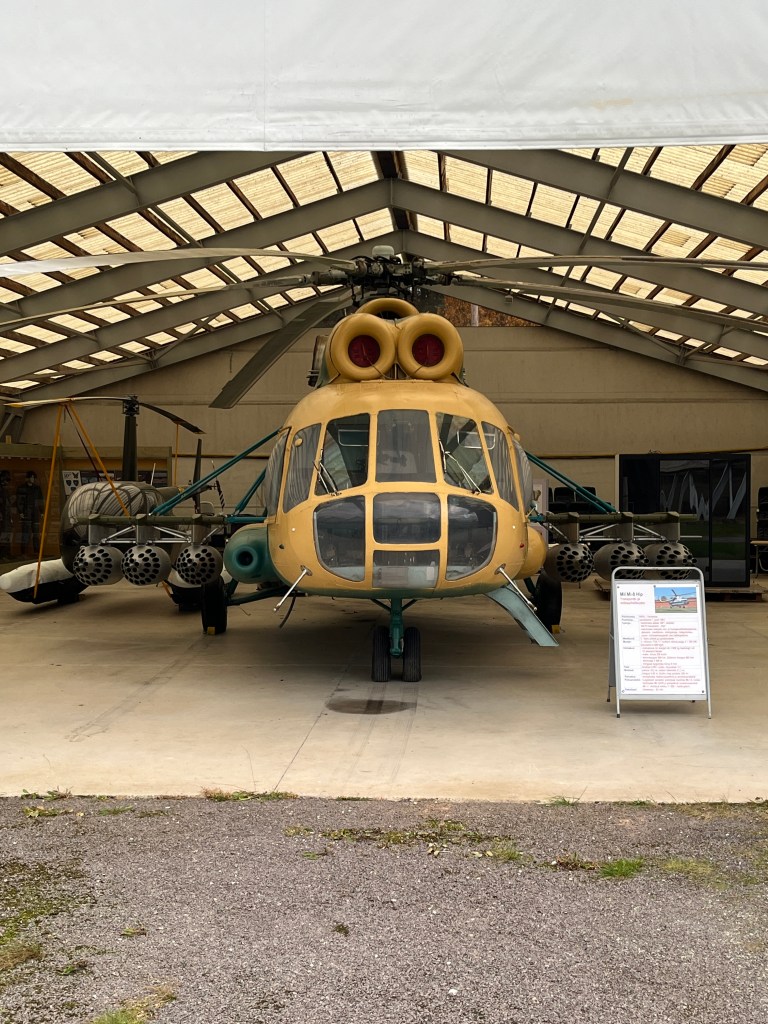
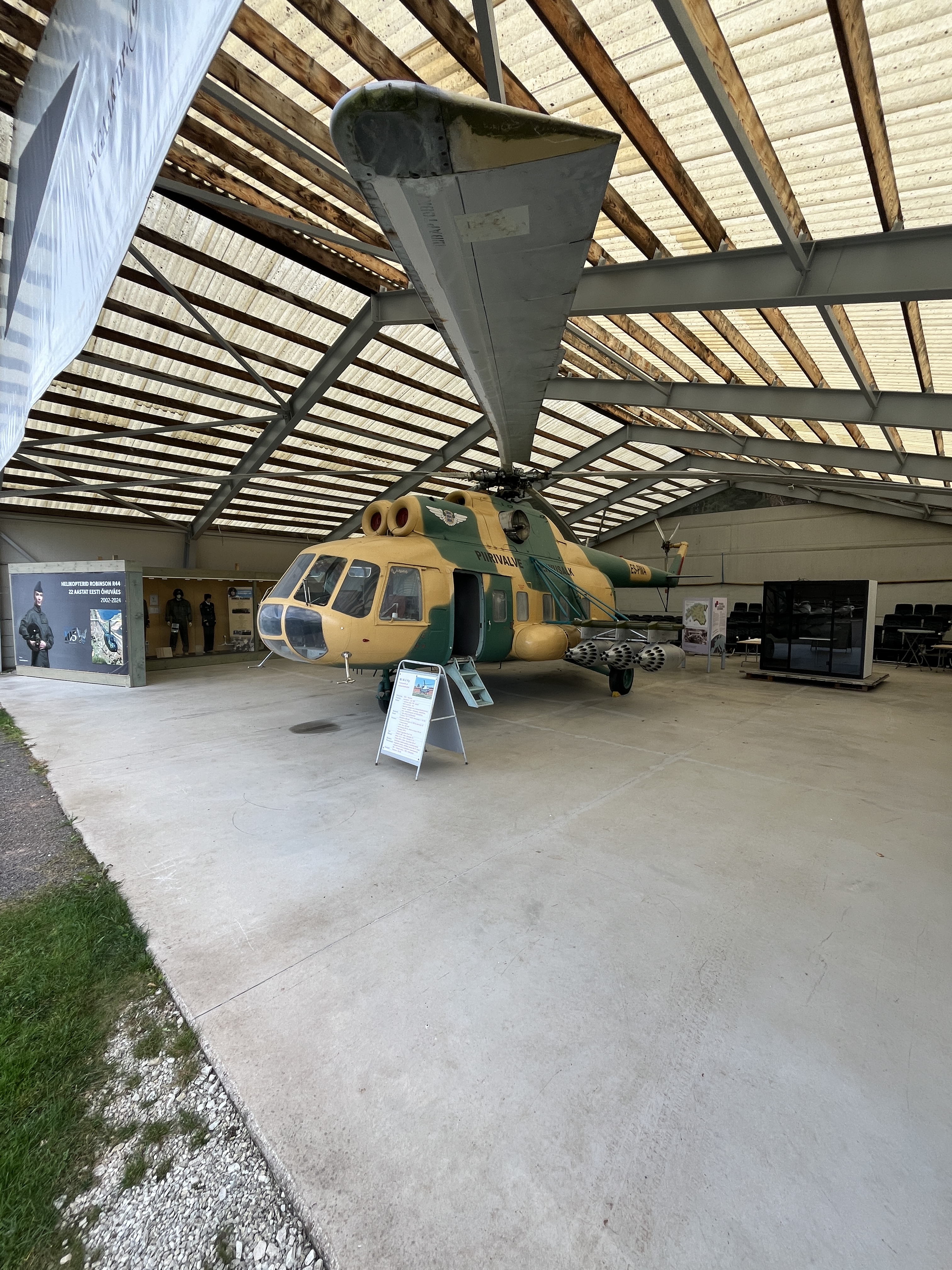
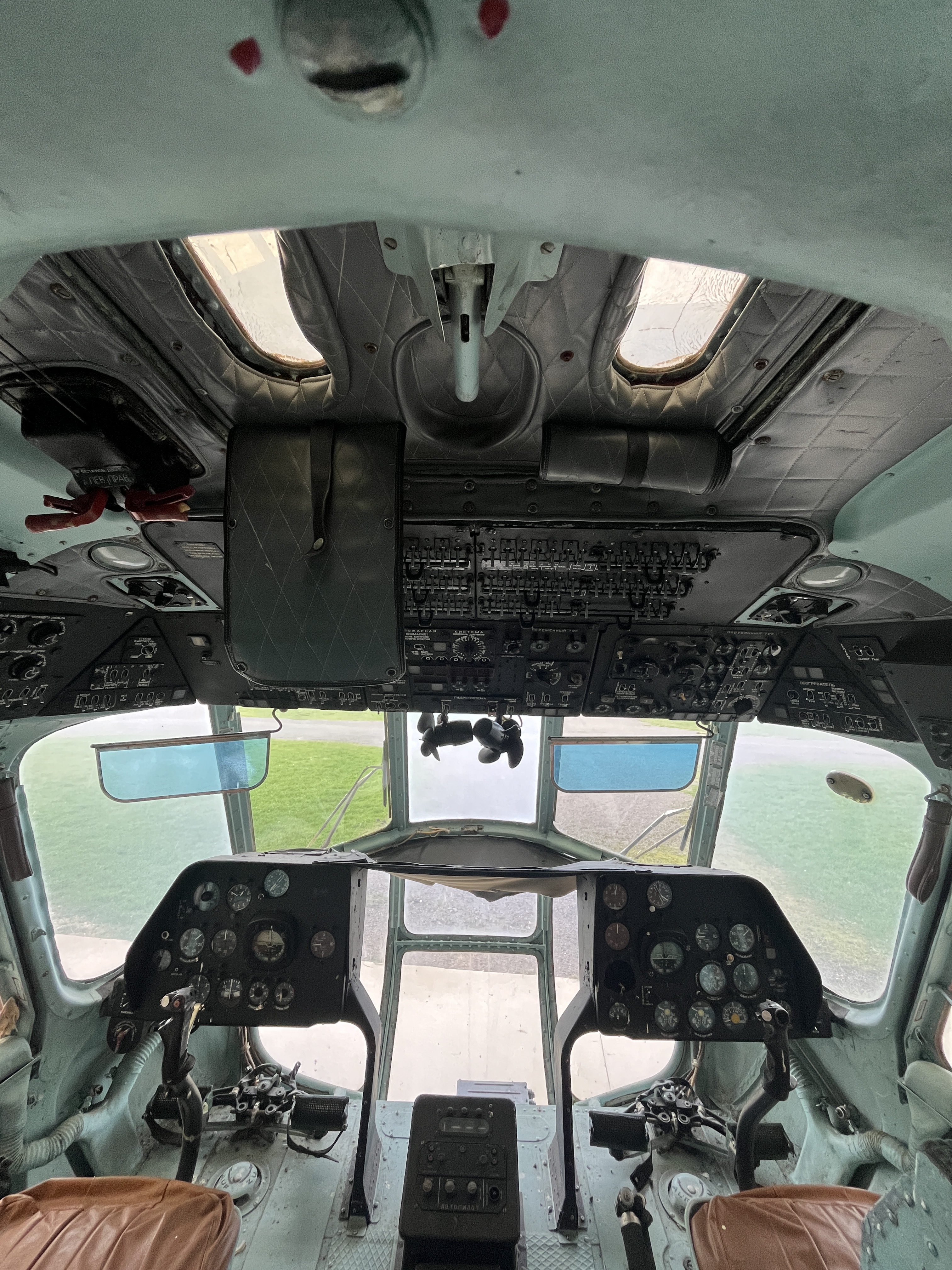
From the little Hoodlum I walk around the corner to find this beast MIL MI-8 Hip, NATO name HIP. This has to be the biggest helicopter I have ever seen it just looks and feels raw power. The rotor diameter is a mega 21.2m There were thousands built and they were used for many things, being able to carry 5t of cargo, on top of it’s 7t dead weight. The cockpit was open and was so basic, I am seeing a difference between East and West designs. These things carry a hefty punch and when you tap any surface they give off a dull thud, not a ping or echo you will find off a Western aircraft. You get the feeling they are designed to operate in harsh conditions and can take a knock or two.
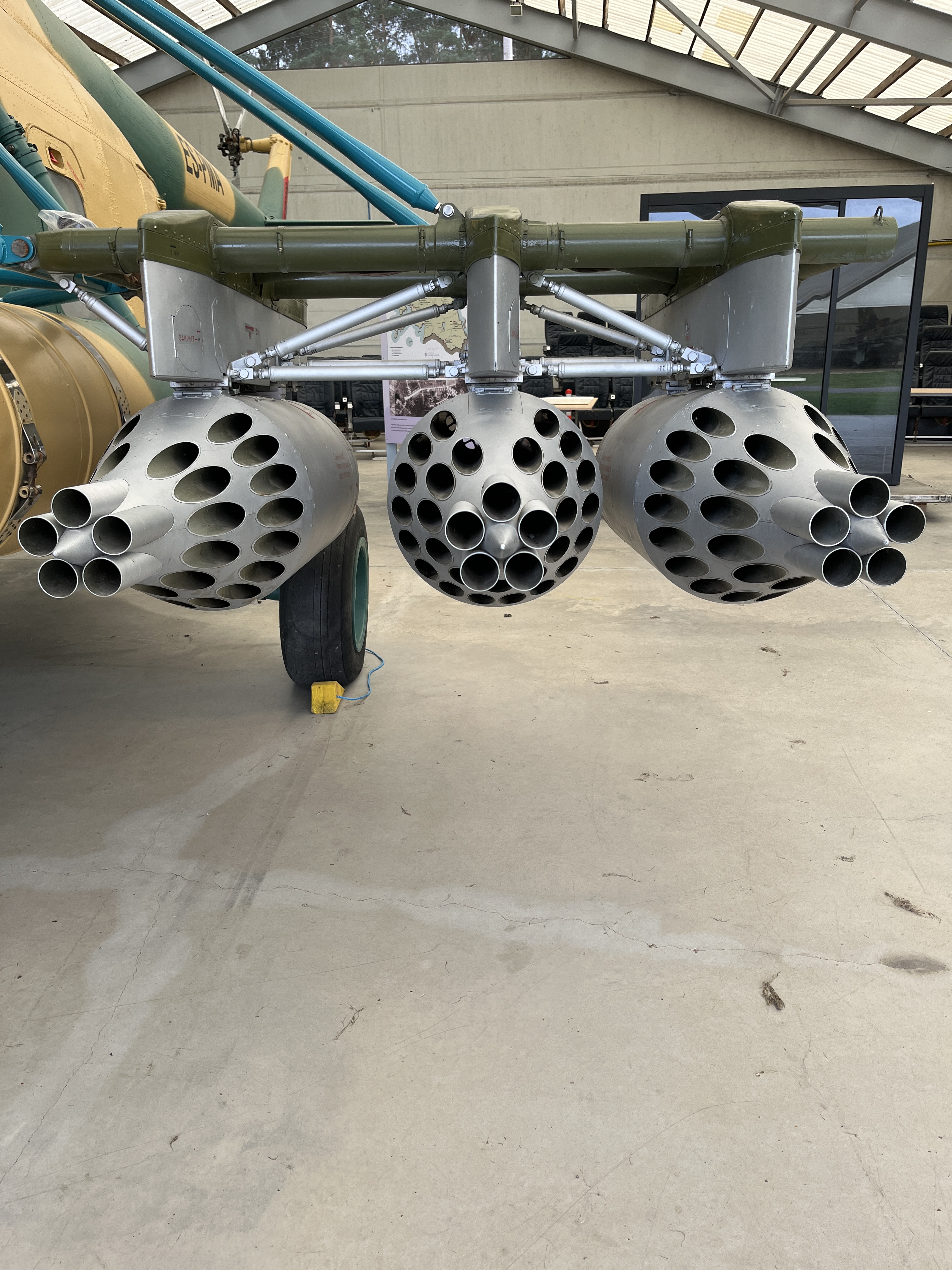
I hadn’t seen any yet, but I knew I was working toward the big finally, the legendary MIGs of my childhood, I spent ages looking at this bevy of beauties, I have held back considerably on my descriptions below. Welcome to MIG ally …
MIG-21, NATO name Fishbed,
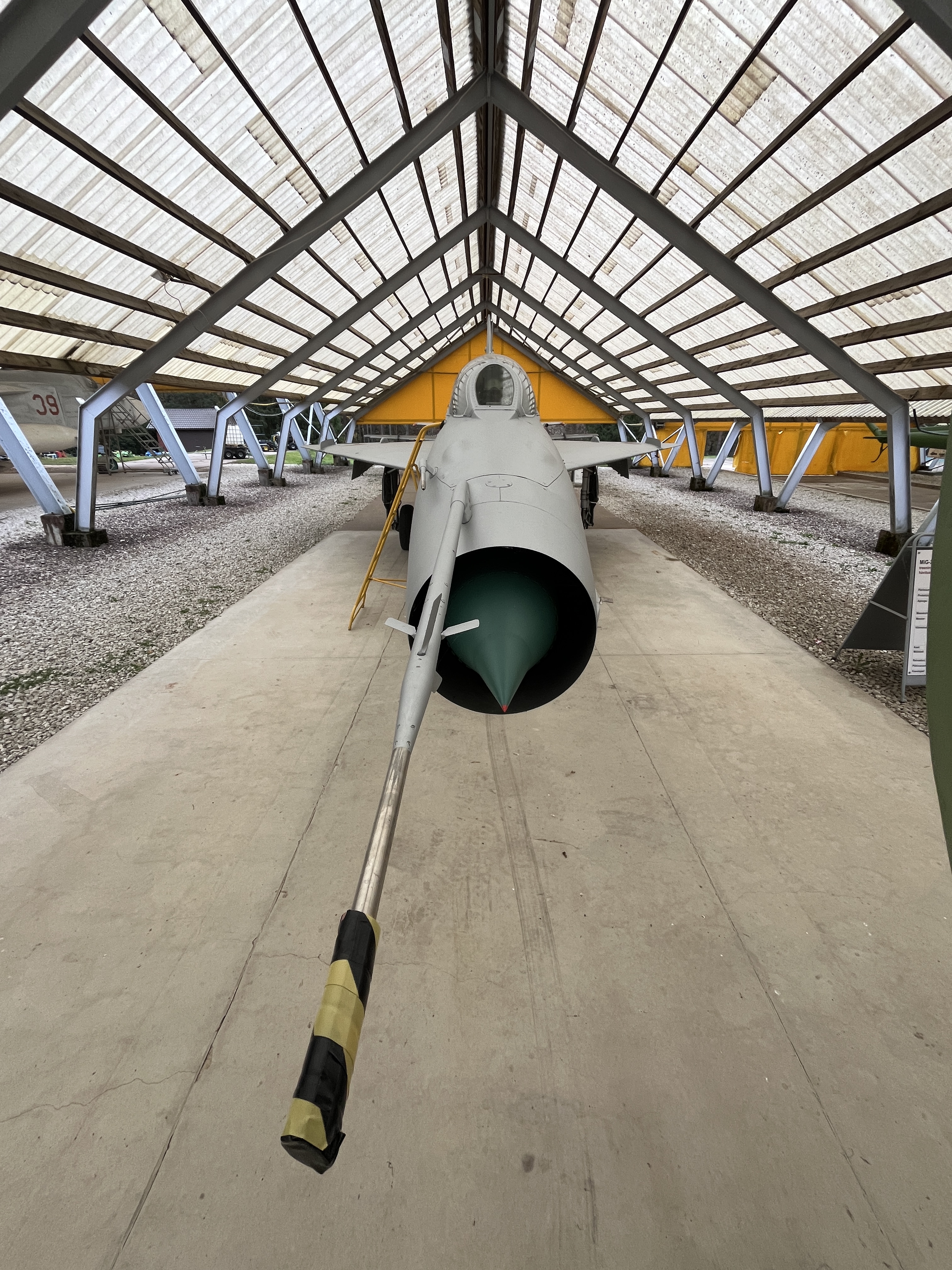
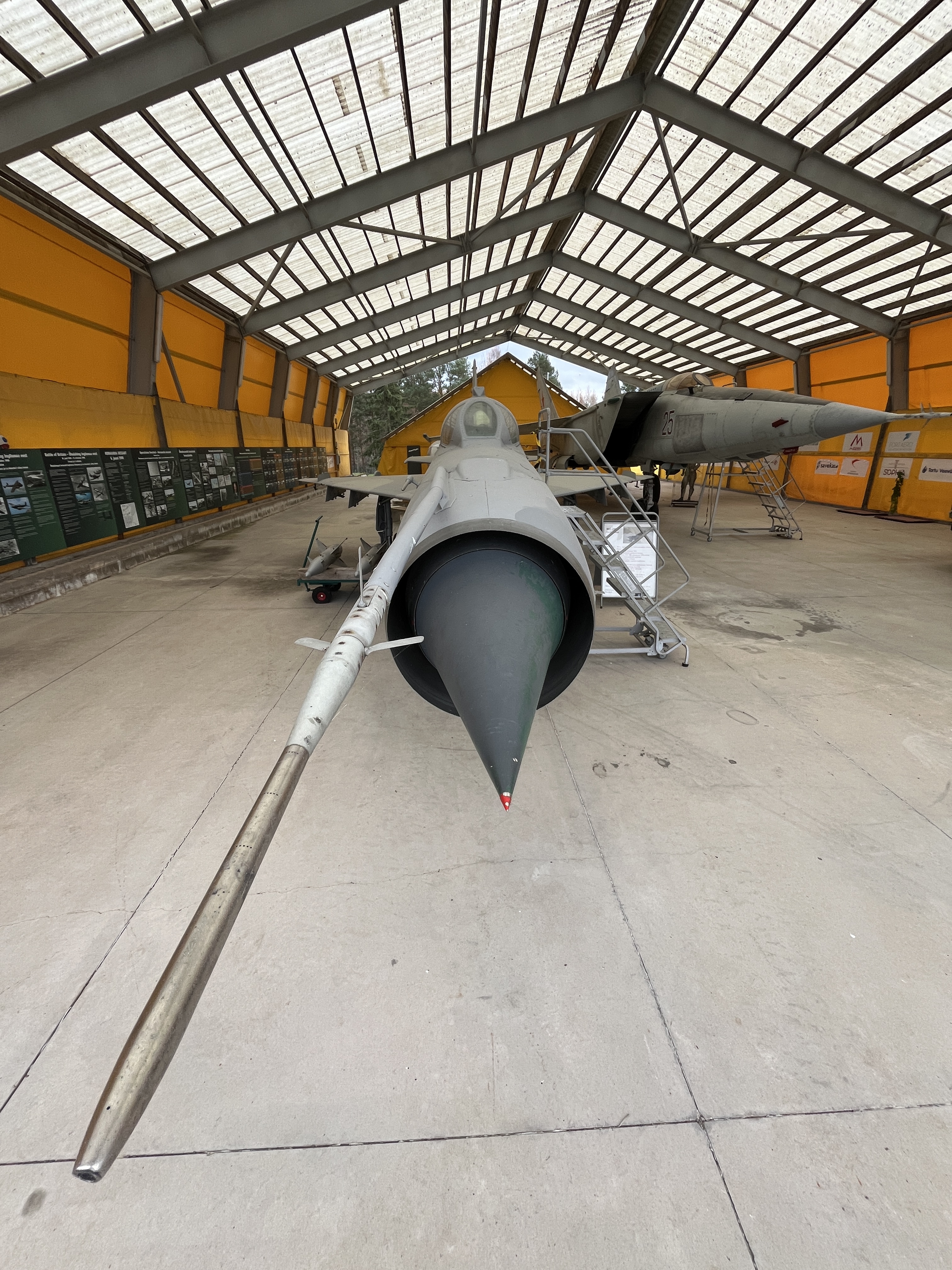
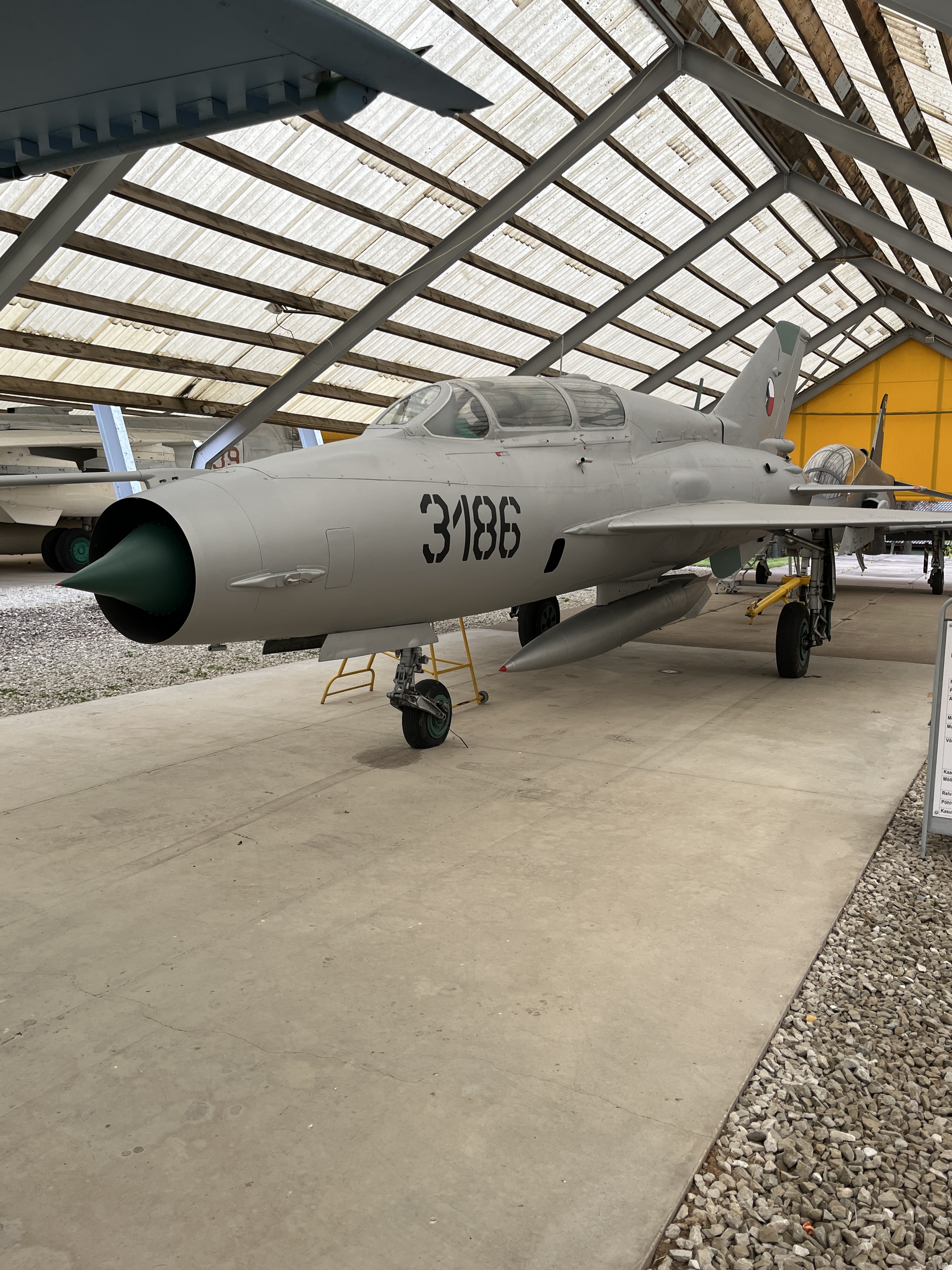
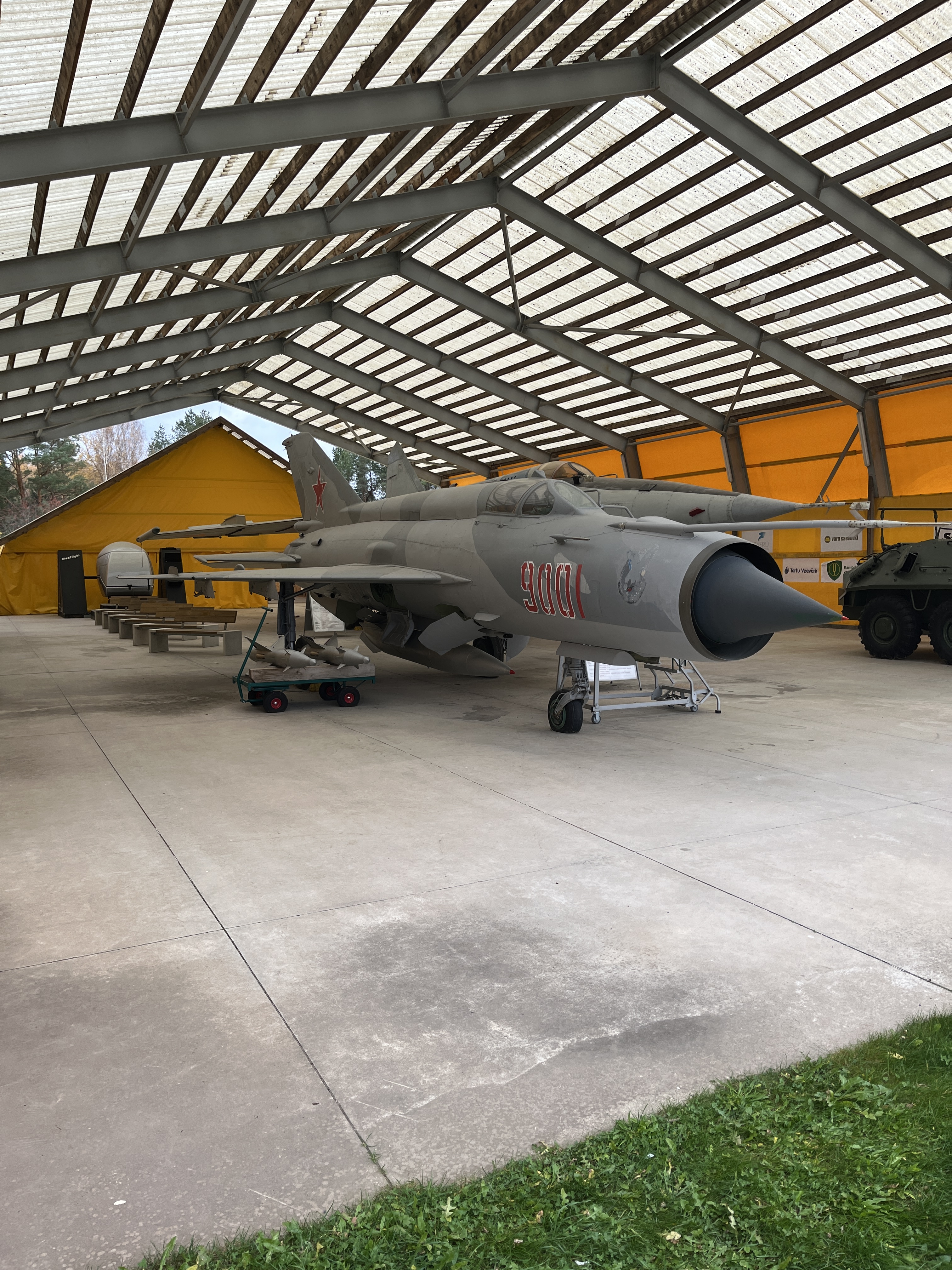

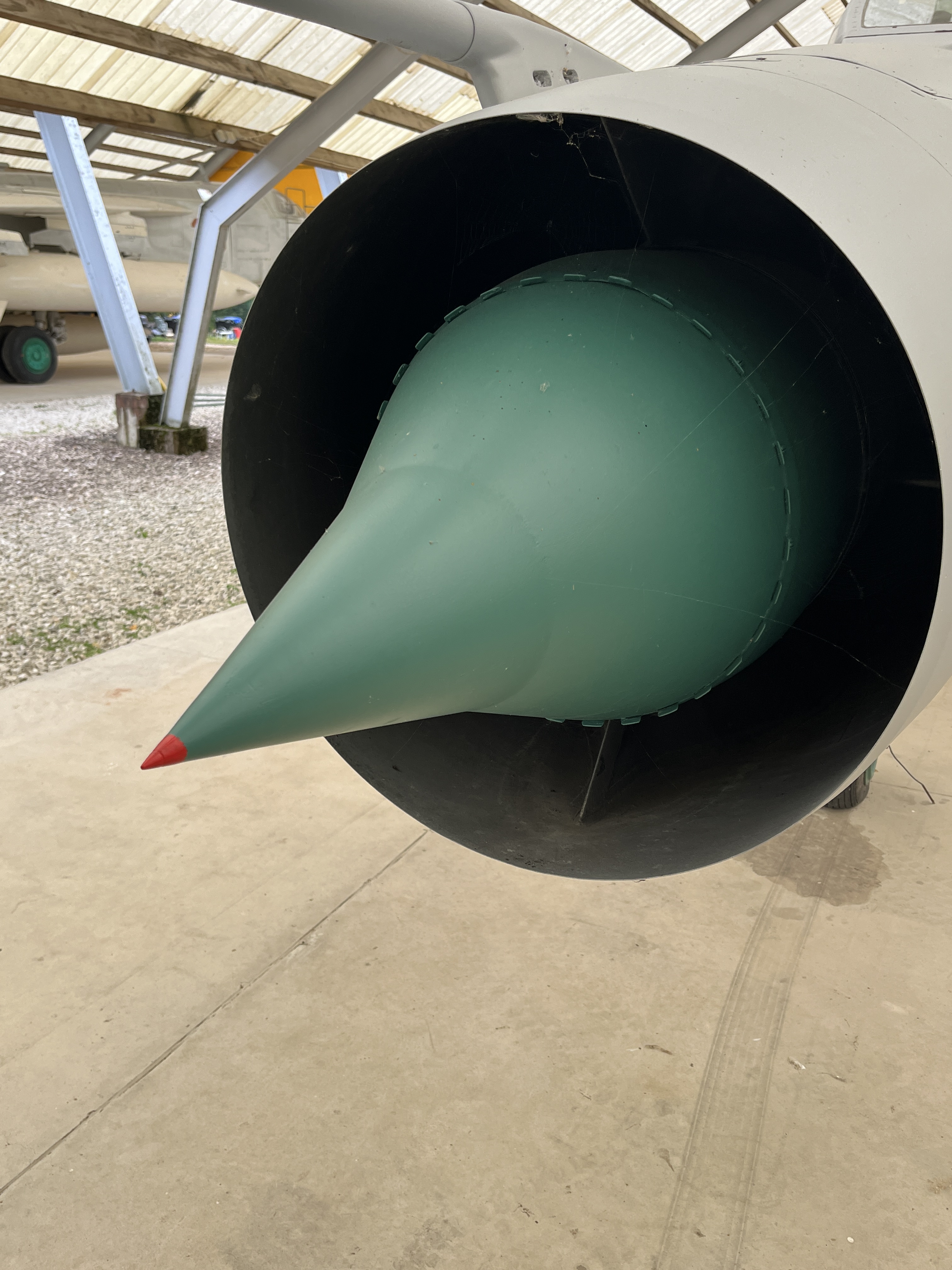
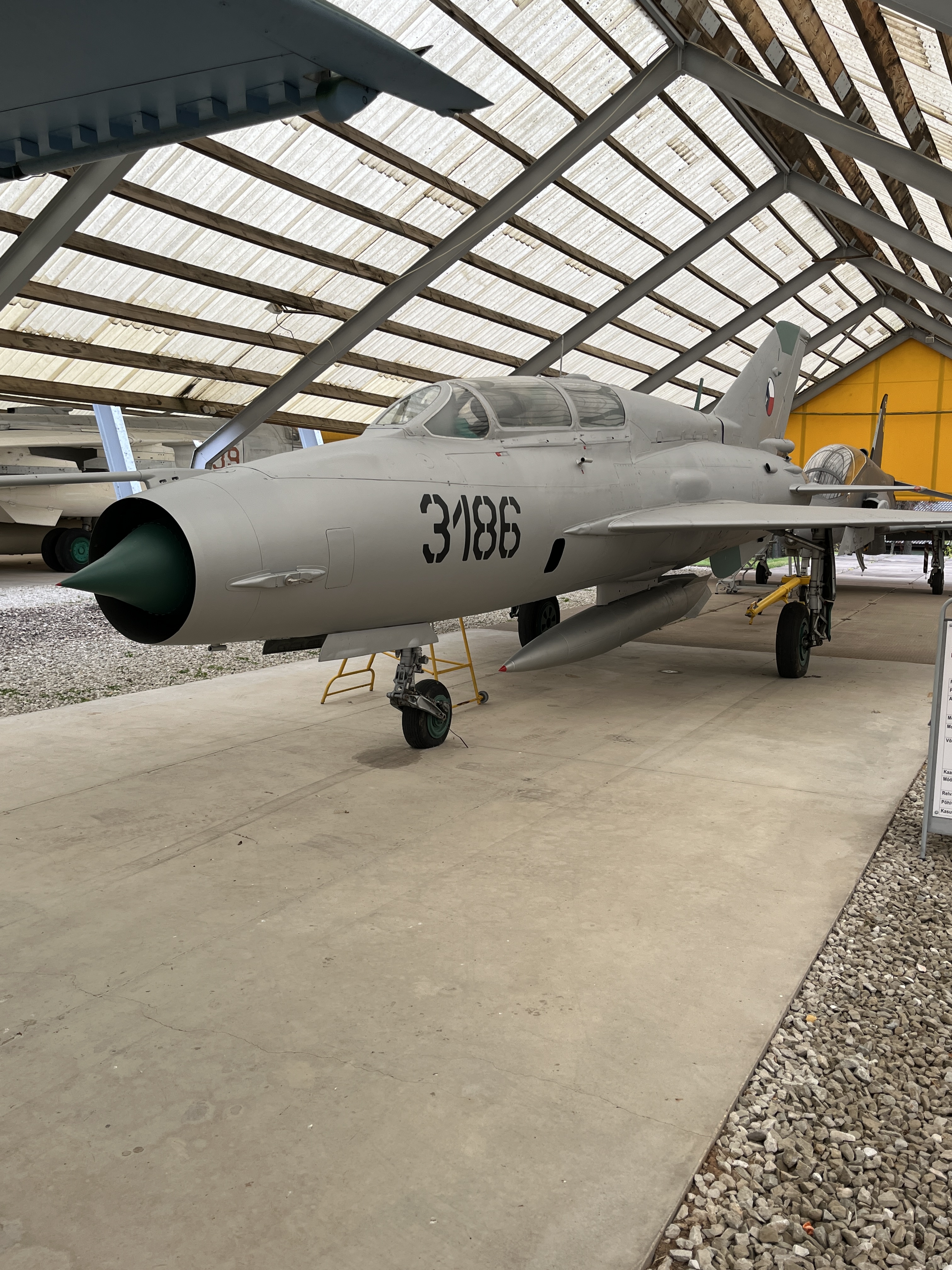
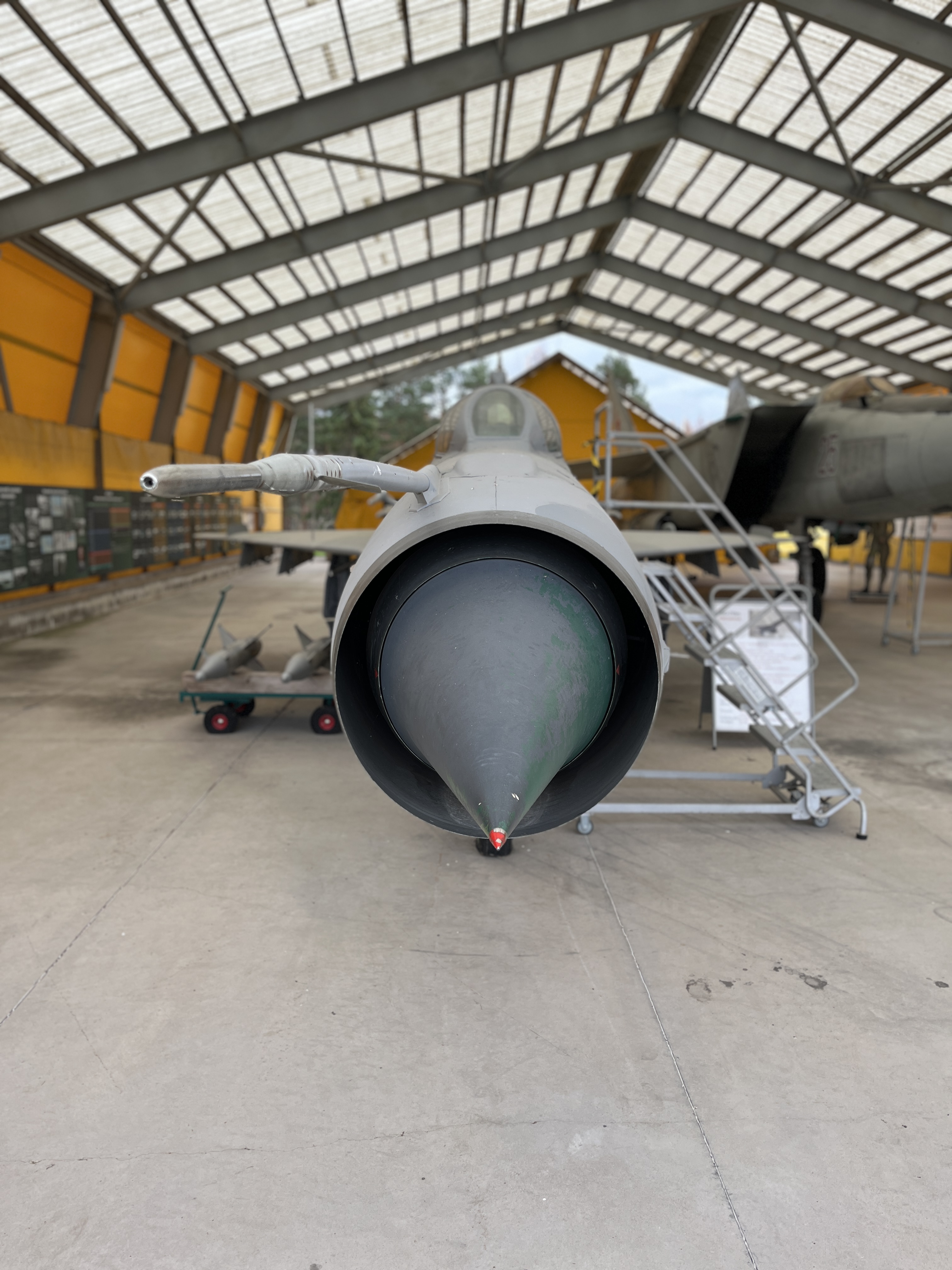
I don’t need to say much about this quite small fighter / Interceptor. It is one of the most common aircraft in history, being first built in 1950 and still in production in updated configurations in 1985 with over 11500 being built. But the two at the museum were special, they were the first time I had seen them in person, and could pour over every detail including a good old look into the cockpit airframes and engines.
I think what made these iconic for me was the front air intake and that long rod that sticks out. As a kid it was a gun, but now I know it holds all the pressure sensors!
Like the BAC Lightning of the “UK’s V force’ (which includes the Vulcan and Victor) the MIG 21 shares the same superfast rocket look. Both were fast interceptors with dire performance but immense speed to intercept oncoming bombers!
MIG-23 NATO name, Flogger
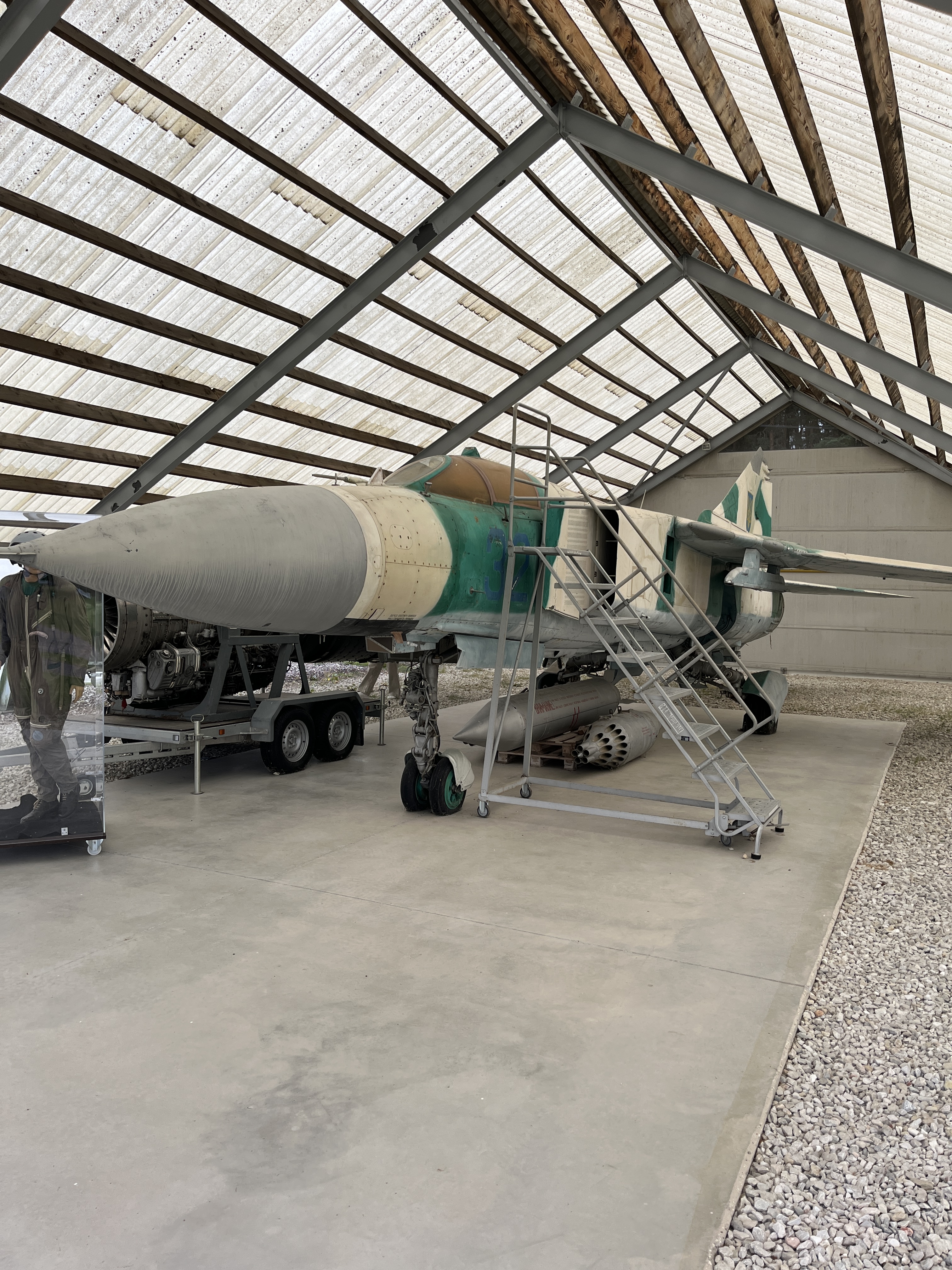
A fighter bomber, based on some of the original MIG-21 specifications with a lot more electronics. I didn’t know much about this aircraft, but a Google tells me it was not the best Russian aircraft, it had a bad safety record and was not particularly good in pure dog fights. It was matched against the F4 Phantom (another one of my favourites)
Shkhoi SU-24, NATO name Fencer
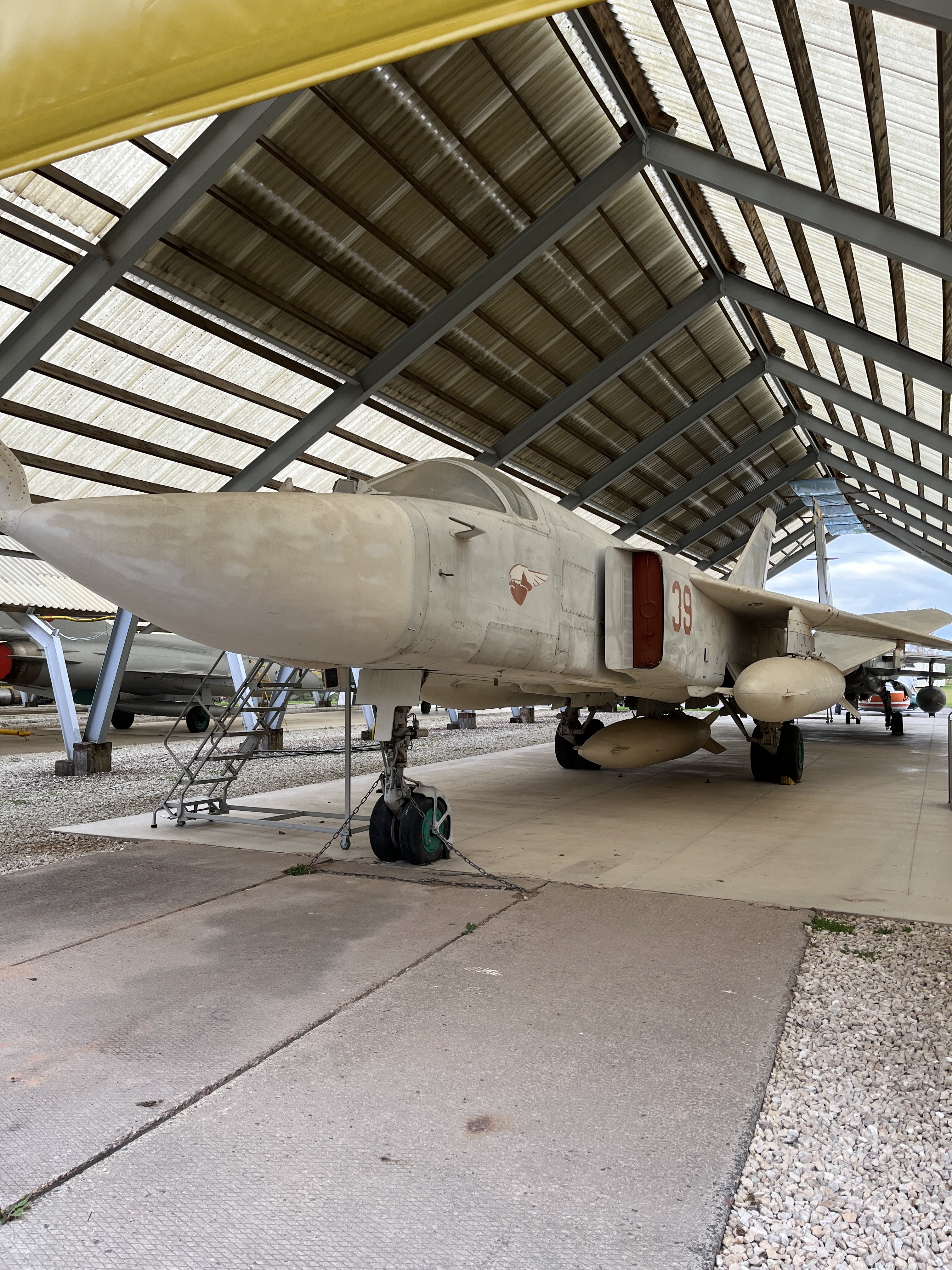
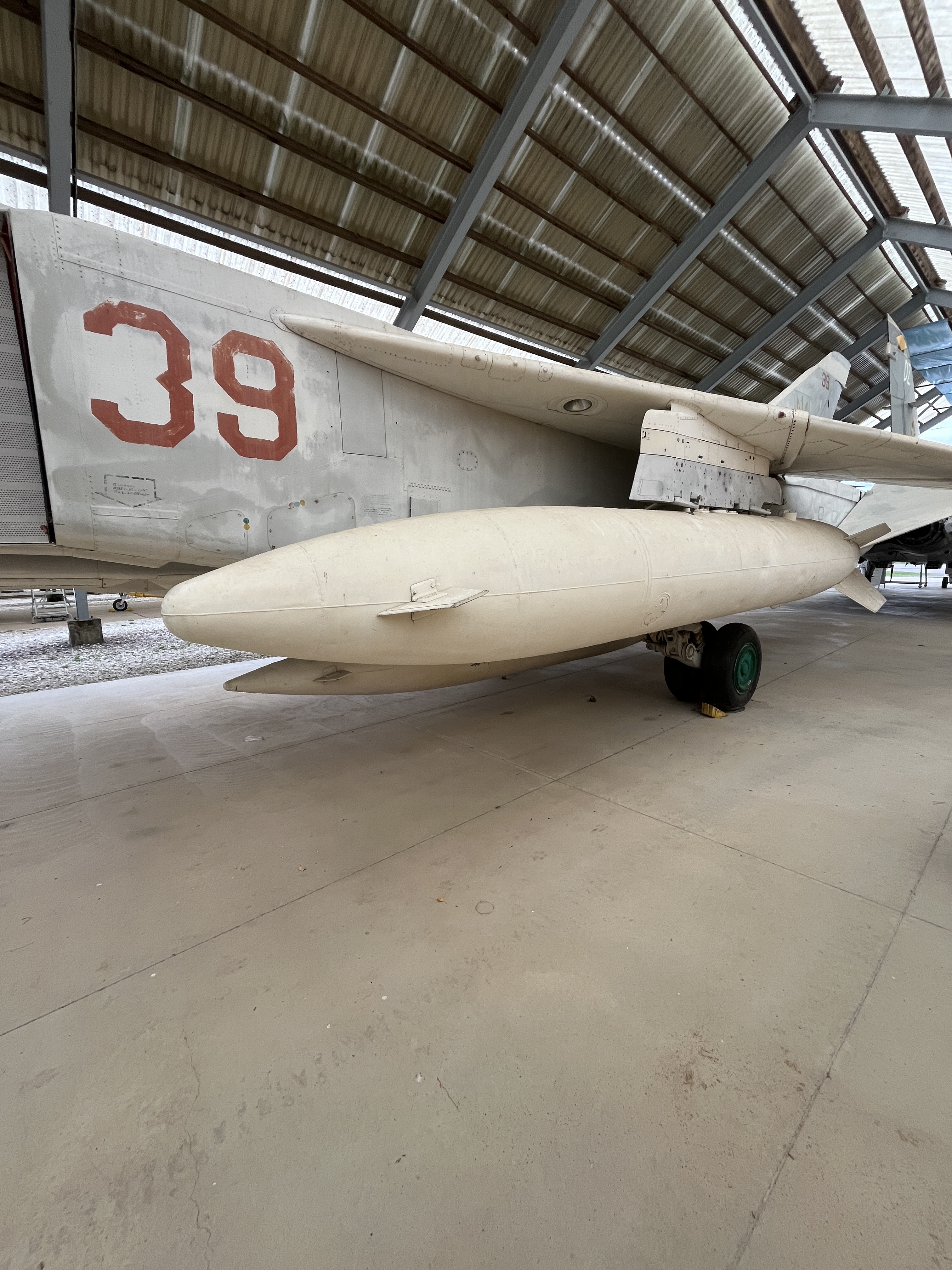
This late 1960’s all-weather attack aircraft was physically the biggest jet on display, with a variable swept wing of up to 17m across, it could carry nearly 20t of payload and had hard points across both wing and under its fuselage. The list of armaments it could carry is nearly as long as its history. Up until very recently, the Fencer has been involved in many conflicts, being used in more than 10 countries worldwide including early in the recent Ukrainian conflict.
MIG-25, NATO name Foxbat
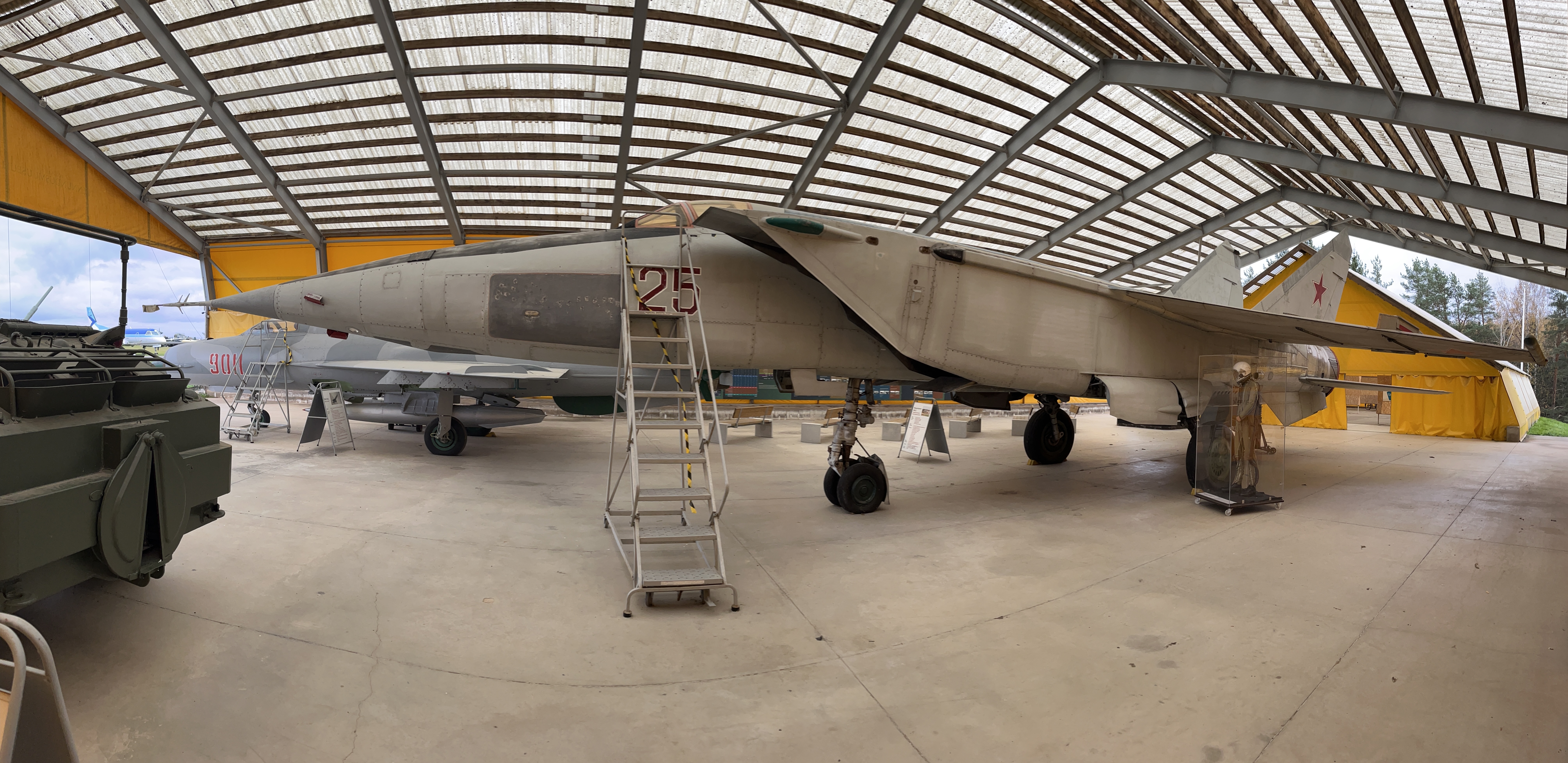
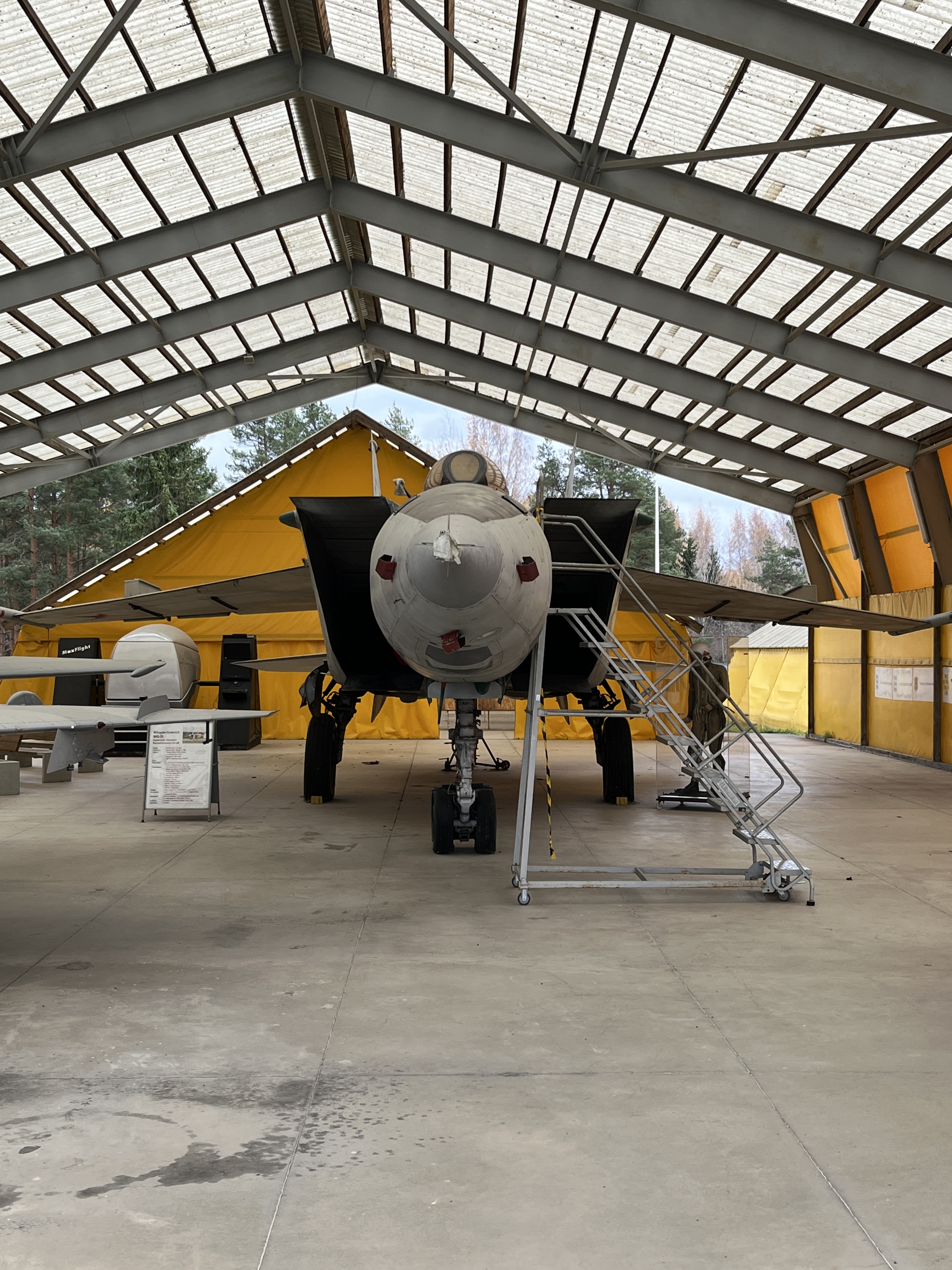
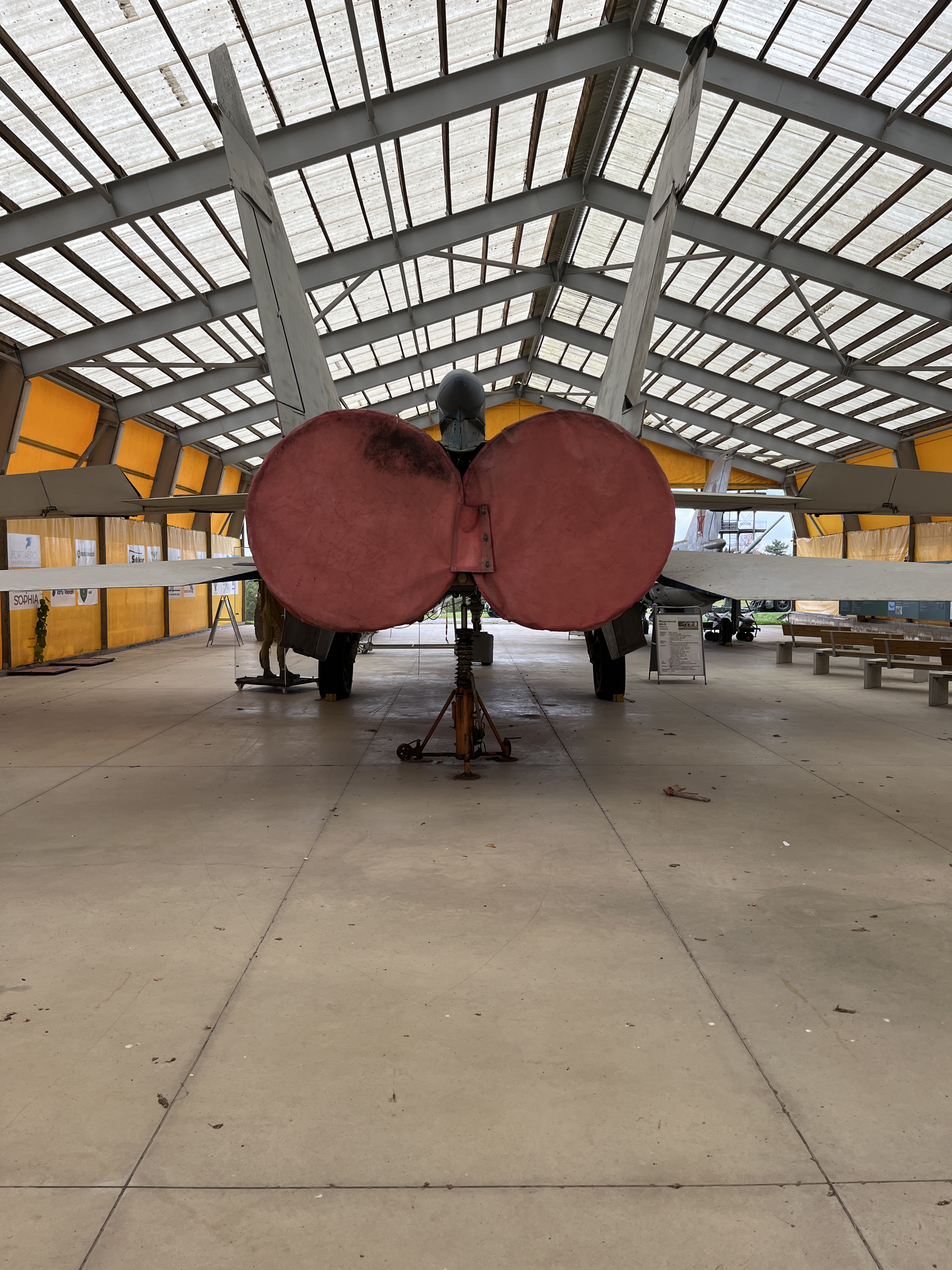
Its first flight was in 1964, and at a max speed of Mark 3.2 (3,470km/h) apparently, the fastest production aircraft in the world. This thing is ALL engine…. Just air in and air out ….. With a 36t take-off weight and an empty weight of 20t, it could carry a lot of armaments. A huge aircraft that dominated the little MIG-21 parked next to it. Looking into the cockpit was so fascinating.
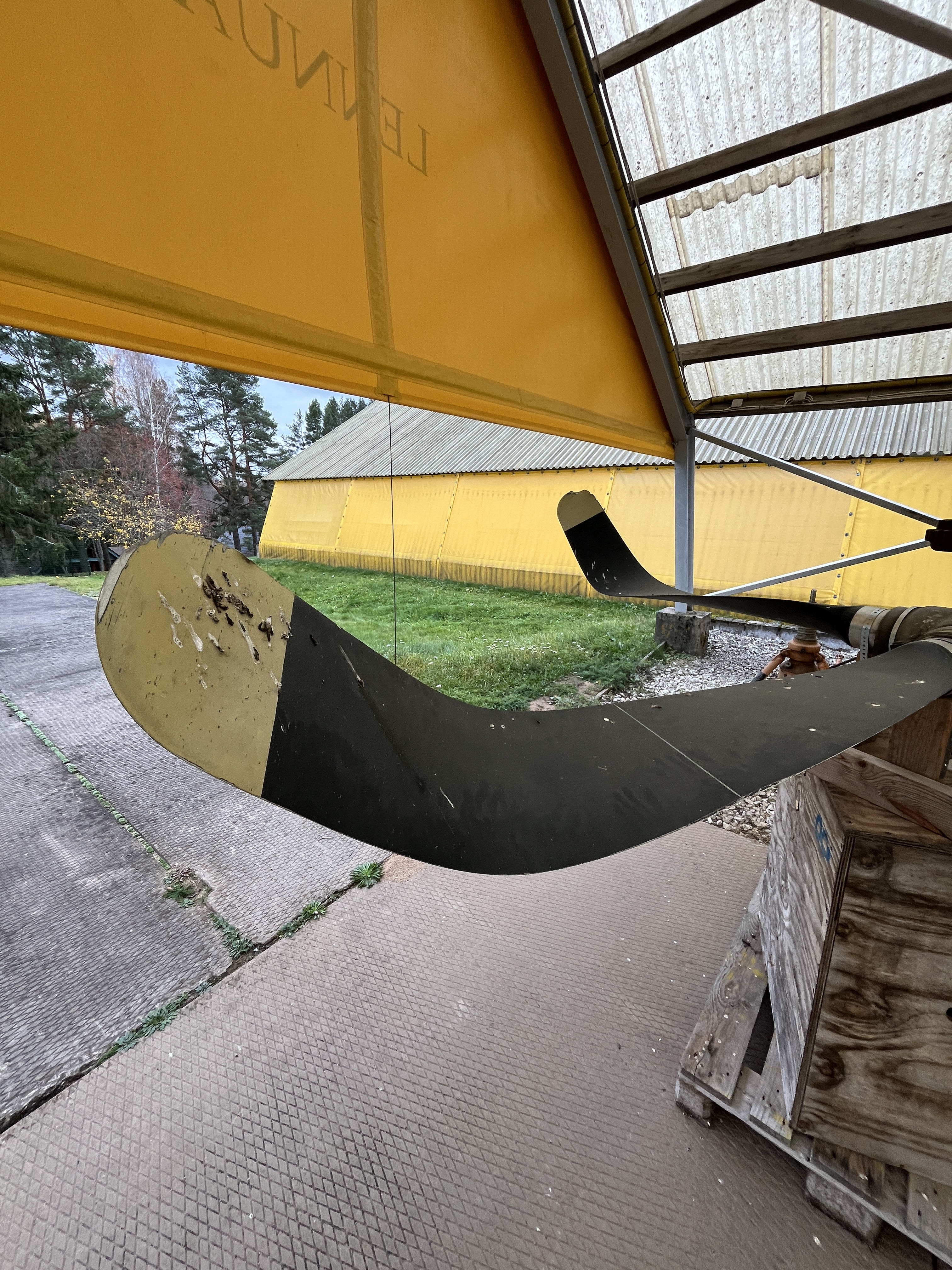
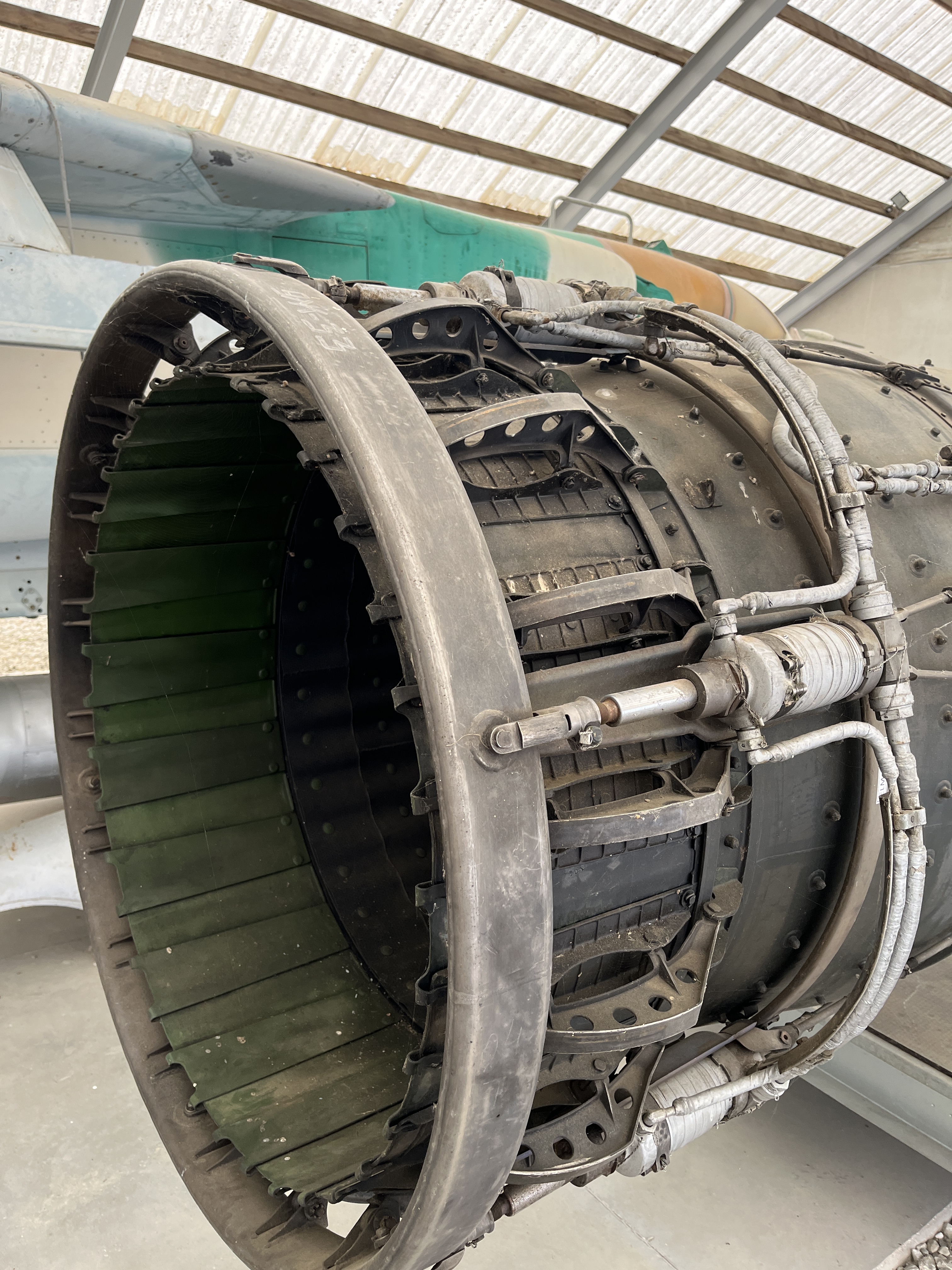
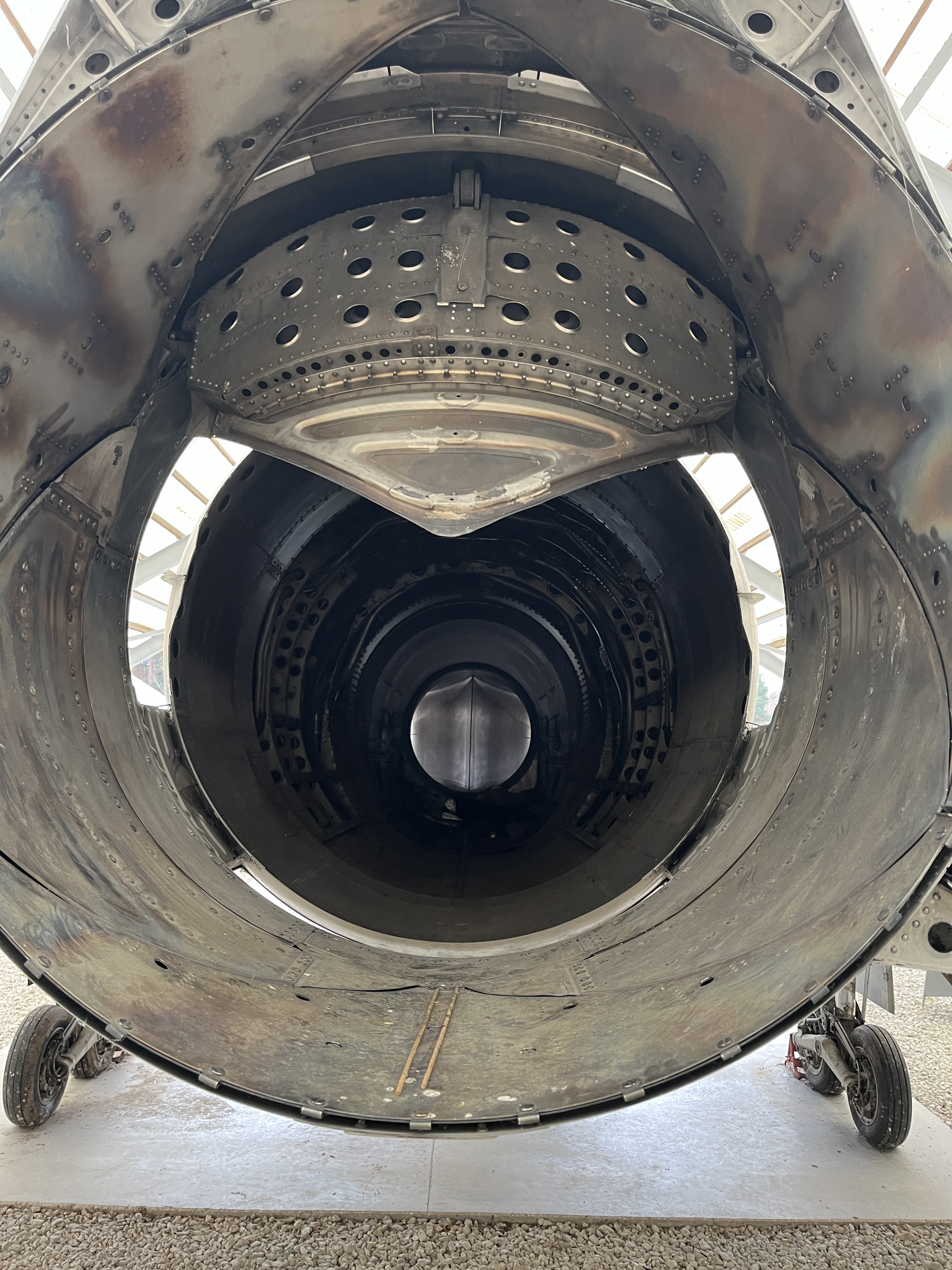
Odd side displays included a variable thrust engine, which I spent ages looking over the hot end, with all the hydraulics and special heat-resistant metal. The workmanship was amazing. At the other end they had a MID-21 engine, where you could spin the from fant and just watch it spin, even after all this time virtually frictionless… the bent propellors and giant engines, cut way or just sitting there on trailers waiting to be set up on display, there was definitely a Harrier engine or a copy of one, a few old radial engines and small to immense jet engine,s with strange Cyrillic writing … I could still be there
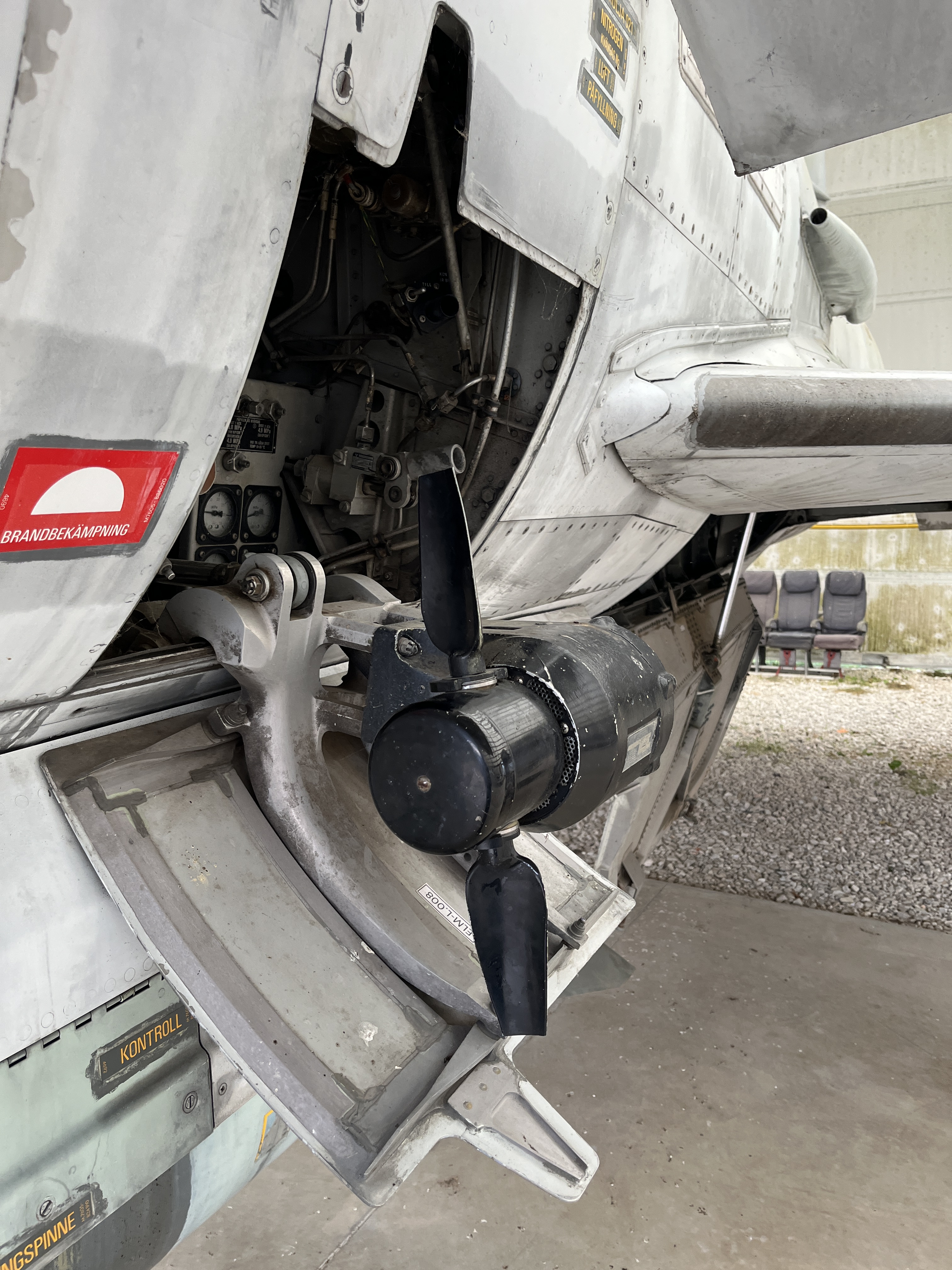
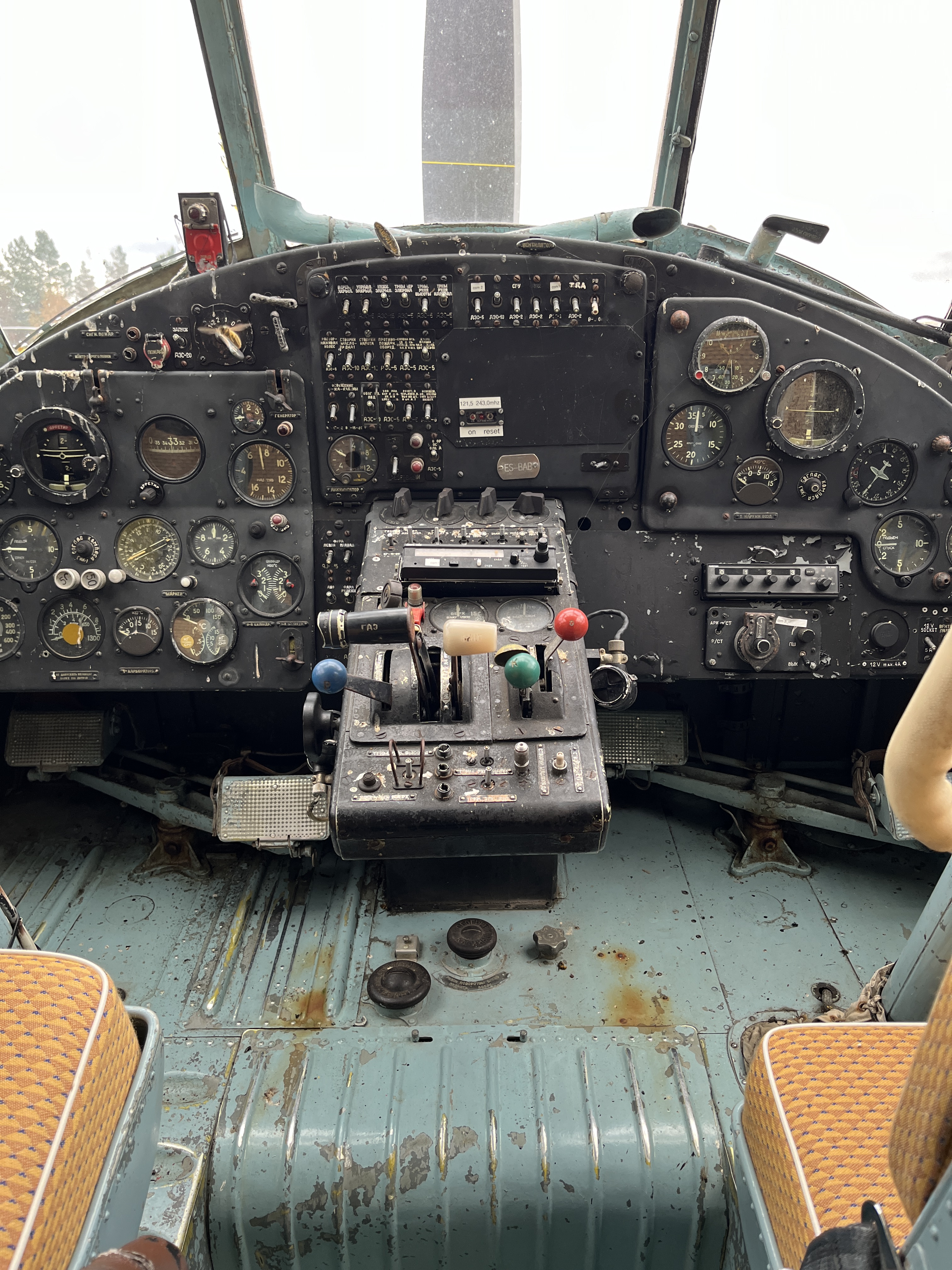


Wrapping up, I am so lucky I have had the opportunity to now see both sides of the Cold War. I have known the different ideologies for a long time but seeing the physical extension of power from East and West is a real treat. I touched Enola Gay in the Washington DC Air Museum many years ago and I have been lucky enough to go down 100 feet in South Dakota and sit in the launch seat for a Minuteman nuclear missile, which is now a national park. On this holiday I have seen KGB hotel in Tallinn, and two old Soviet Submarine bases, one a nuclear training base with two land base reactors. Then in Tartu I go to see and touch the different missile and radar systems and a few MIG aircraft, and for me the MIG21 which is one of the most iconic adversaries to the West. We have a few more places to see as we travel south, but the highlight so far has been to see the MIG’s up close

 Dwti Draig
Leave a comment