
Riga, Riga, Riga. What a capital city! We didn’t spend long enough in this gorgeous place, but the time we did spend here was amazing! Be warned though, what we did was at times quite challenging and harrowing, so this blog post may be slighltly darker than others!
The drive in was awful; as per usual when we are trying to navigate our way into a busy capital city. It didn’t help that I had to do the navigating as Lyn’s Sat Nav refused to play nicely, so we were trying to navigate busy roads, avoid non lorry routes and not be bumped out of our seats by the typically bumpy roads. We had to abandon our first park up as it was not suitable; which then led to driving the wrong way down a one way street in front of a gaggle of Latvian police, who stood by and watched. It took a Latvian out sweeping the autumn leaves to shout at us and gesture, resulting in us making a grateful U turn in a narrow road!
Hearts in our mouths we finally made it over the cobblestones and onto one of the big bridges that span the River Daugava. We got a campsite on the riverside on a little island with a beautiful view of the Riga skyline.
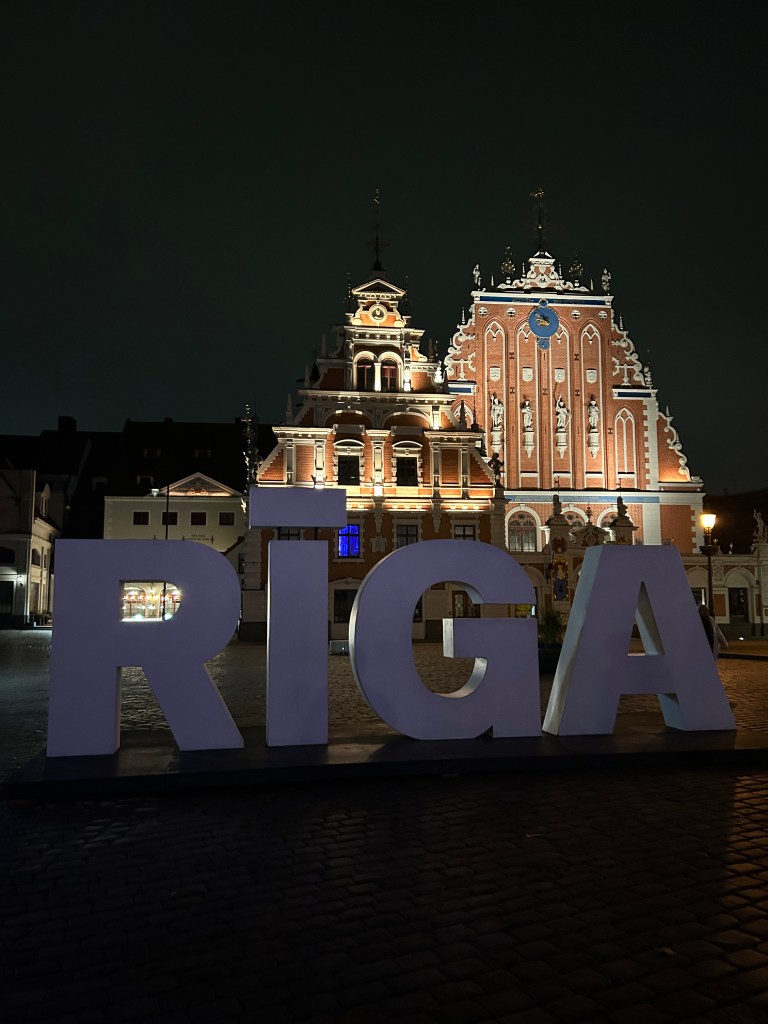
We were stressed and knackered; it was tempting to just stay in and chill, but we shook it off and called a Bolt, which is like an Uber. 4E later we were in the Old Town, and an impromptu bar crawl just sort of happened!
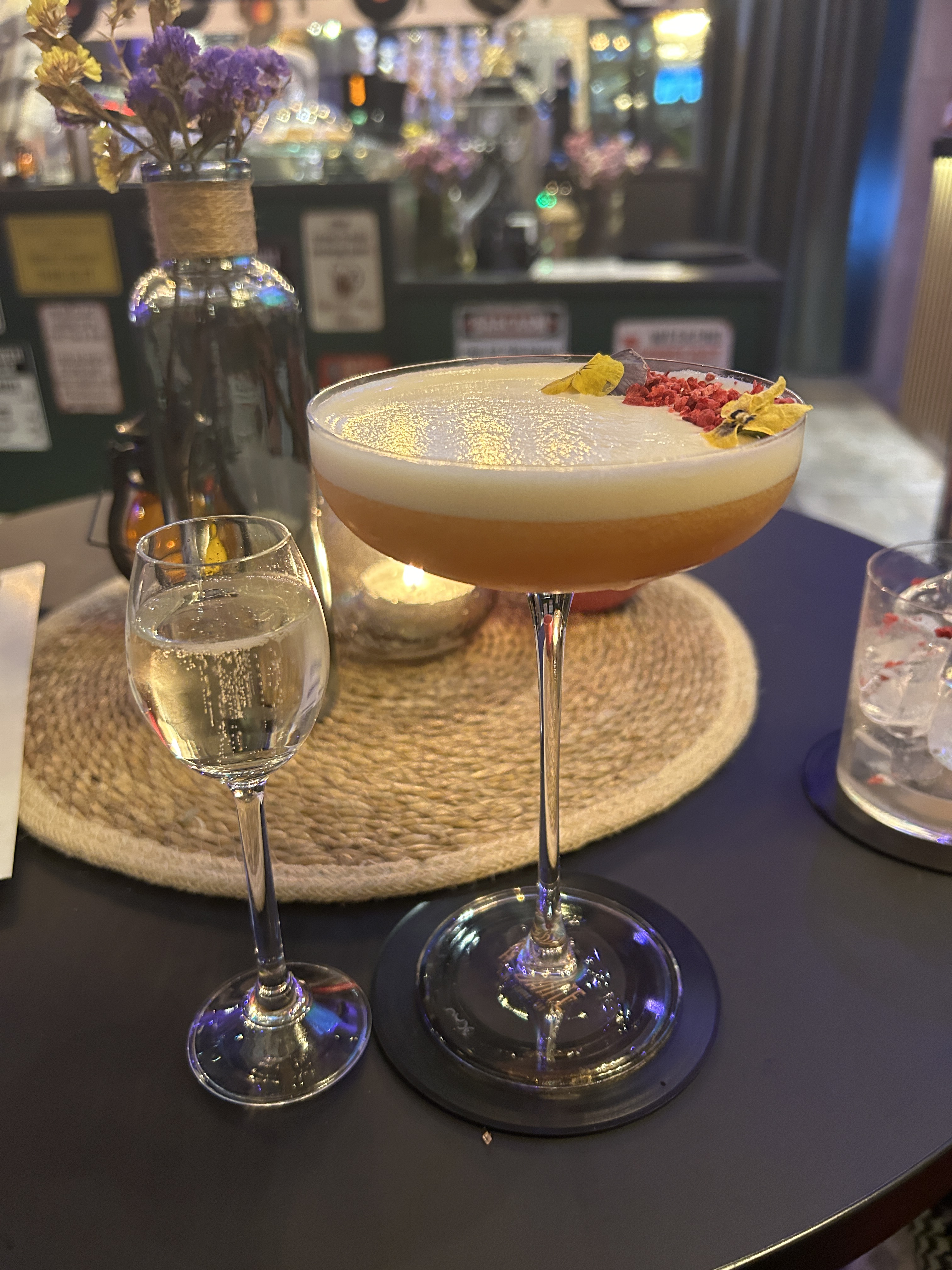
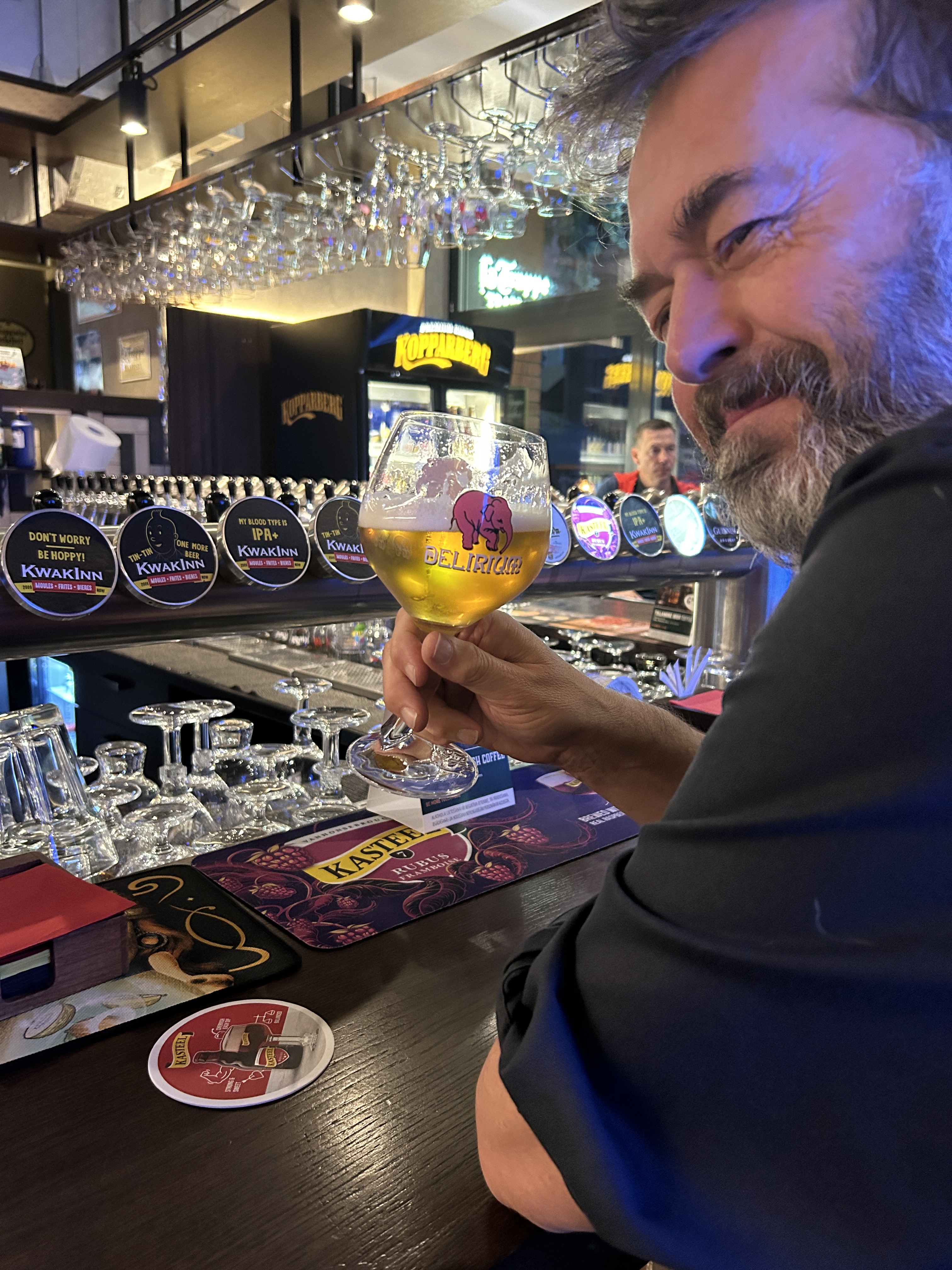
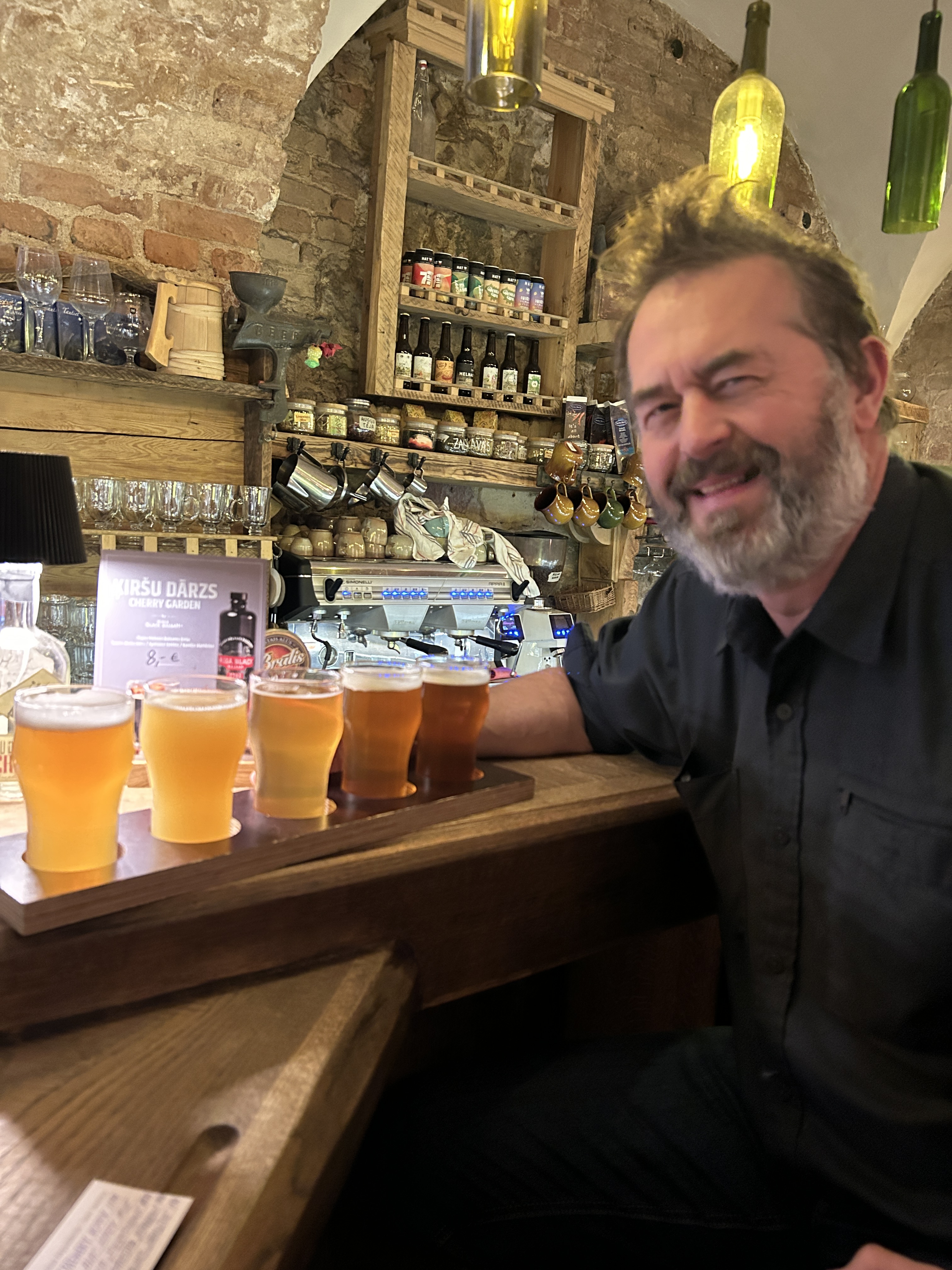
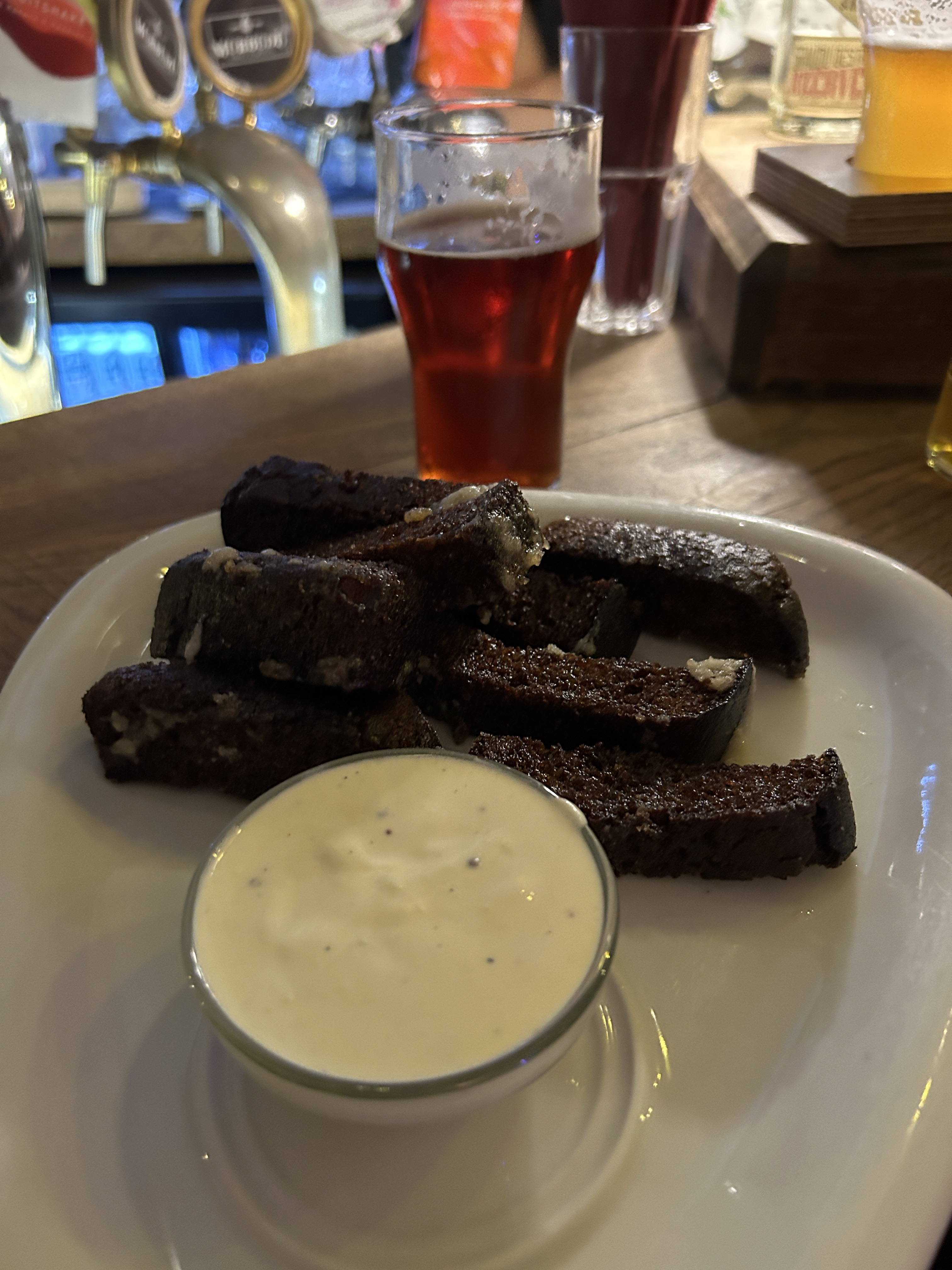
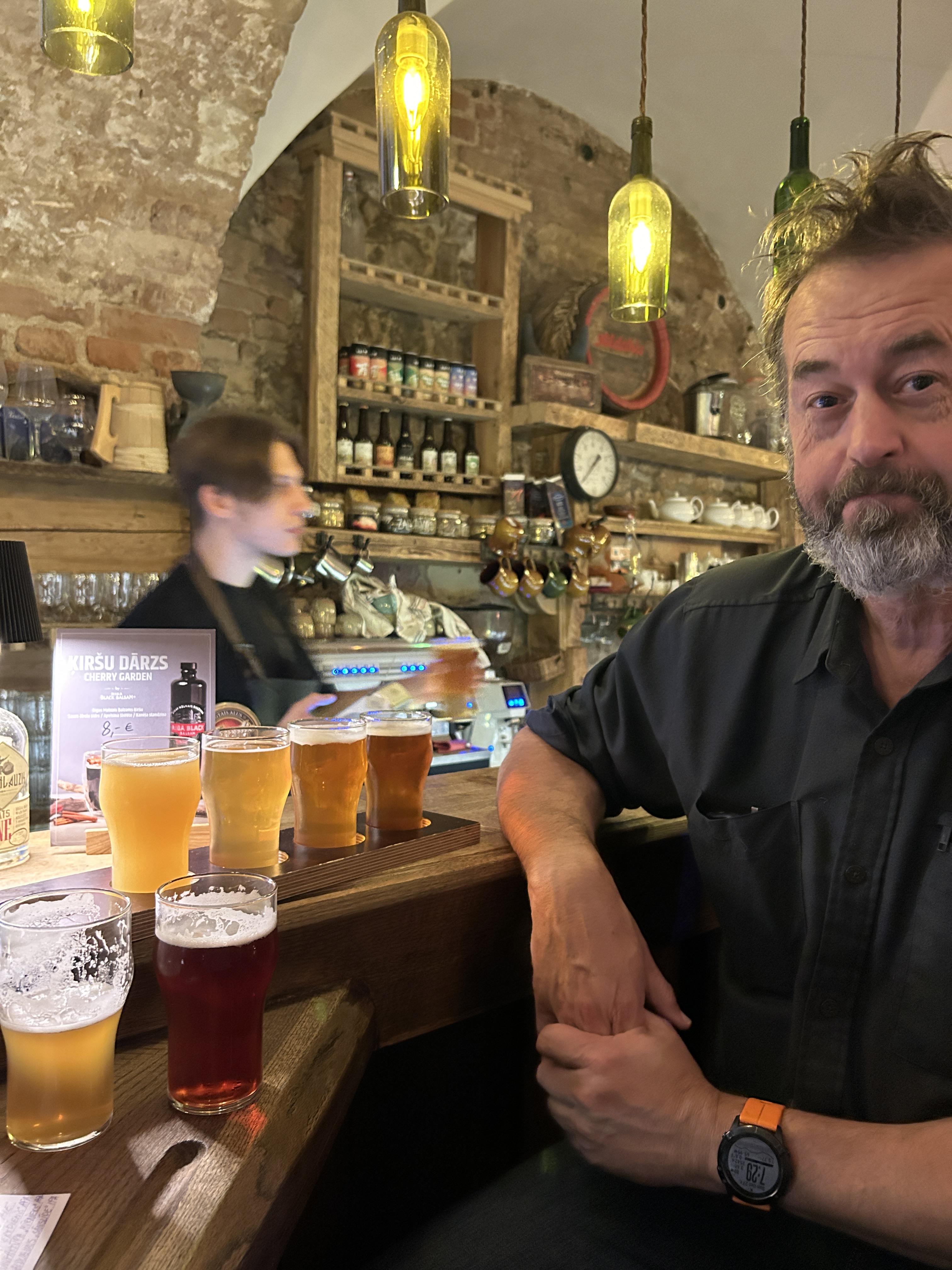
Our first mistake was stopping in a Belgian Beer Cafe! Some 8% Belgian Kreik, (cherry beer) went down very nicely for me, whilst Lyn tried something different! From there we went on to a place called Andante, which was a lovely cocktail bar with a friendly bar tender and a stack of LPs and a turntable. They must have known we were coming as “Songs of the 80”s was on. 2 cocktails and a request for INXS’s Greatest Hits later we headed on to another bar I had found! This was becoming a dangerous habit! We ended up at the Folkklub, which was fabulous! I had another cherry beer and Lyn had a flight of beers, I ordered a plate of Latvian Garlic Bread and then refused to share them as they were so nice! We listened to the live music but 9pm we were flagging and had to call it a night. We eventually got back to the truck, feeling slightly the worse for wear, and only a hazy memory of Riga’s lovely old Town at night and dodgy drunken selfies on our phones!


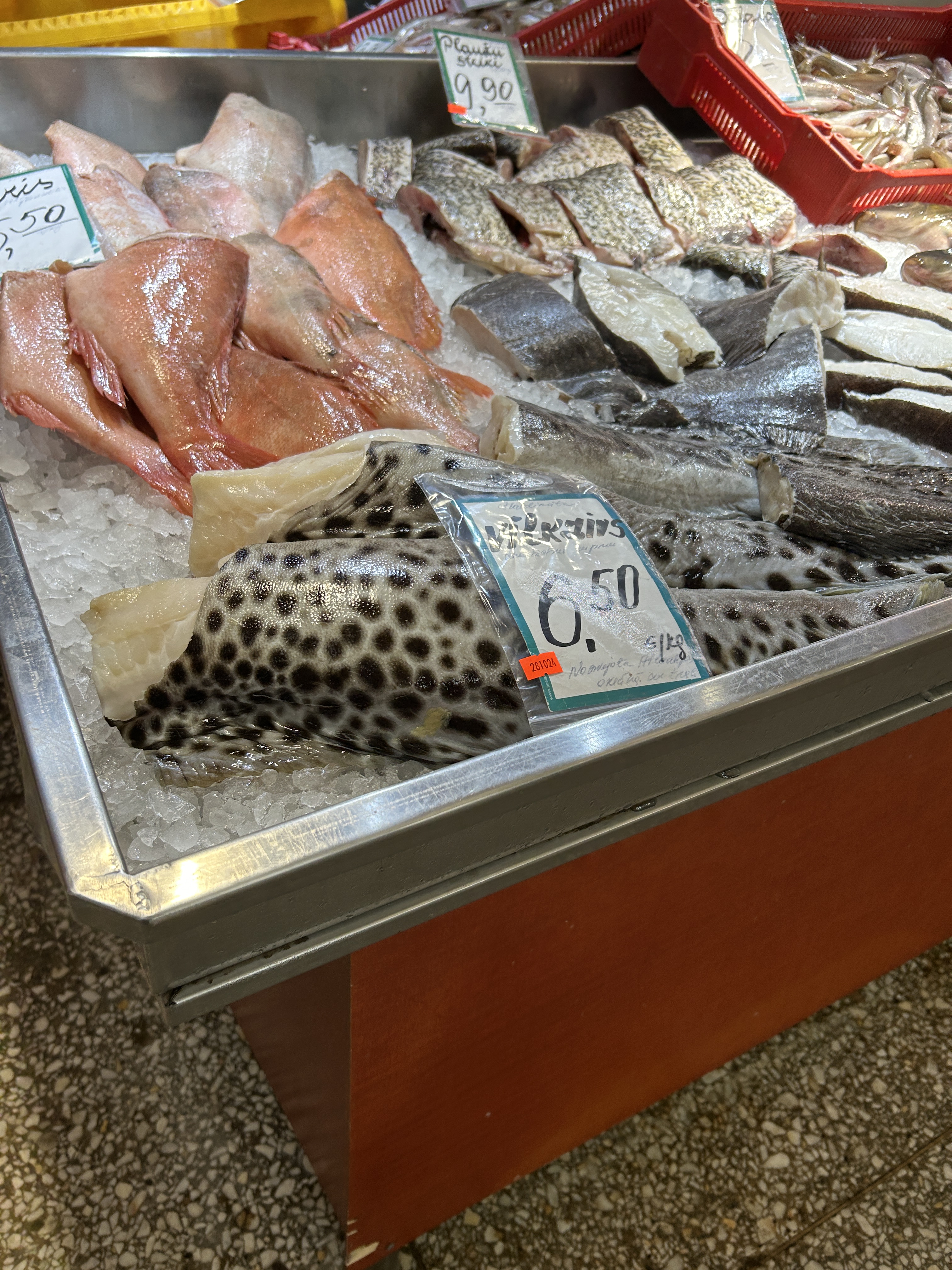
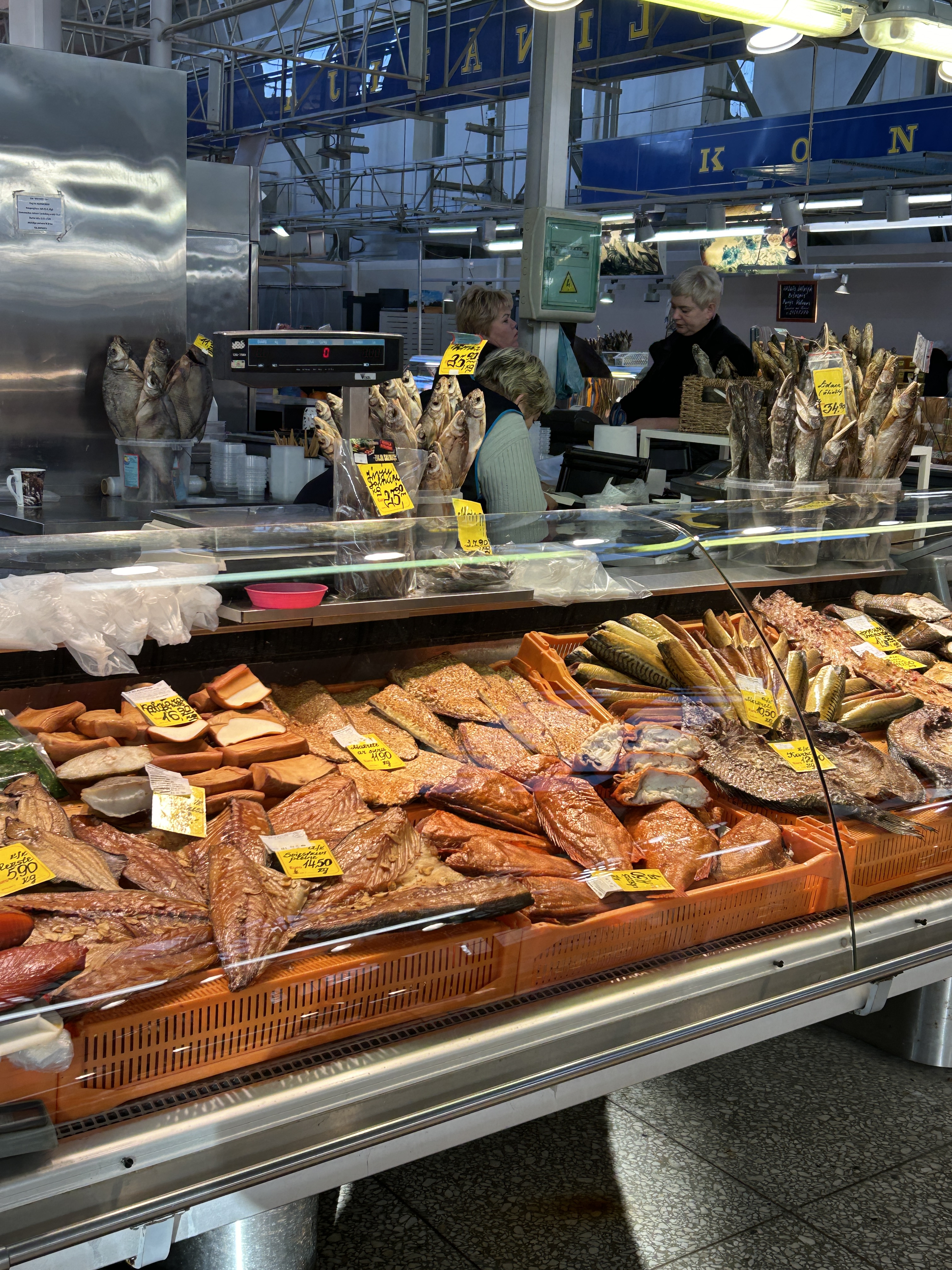
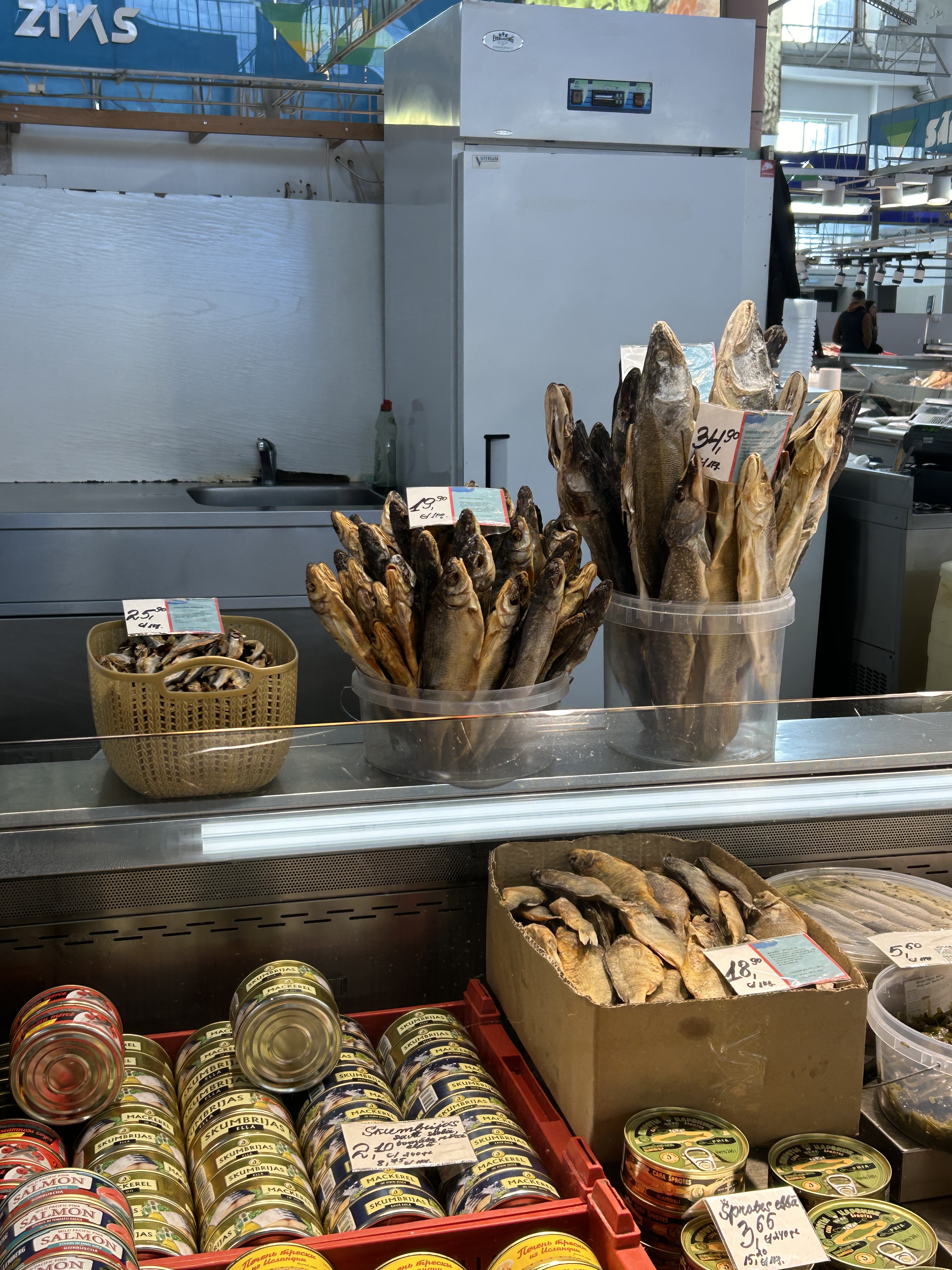
We had to do better the next day so we had a plan! We caught an Uber to the Riga Central Market. This was HUGE! The indoor part is in 5 different pavilions, which used to house German zepellins in WW!. Each hanger is over 20m in height. They are vast, and they need to be as there are over 3000 vendors there, selling everything you could possibly imagine. We wandered around them all; the fish pavilion had so many types of fish I had never seen, including all types of smoked fish. Similarly the meat pavilion had everything from pigs heads and trotters to what looked like knuckles of beef. The breads, pastries, cakes etc were all amazing, plus they had lovely looking baklava stalls and stalls selling honeycomb. It is a huge part of daily life in Riga with between 80,000 to 100,000 visitors a day! We wandered through the outdoor stalls, and onto our next stop.
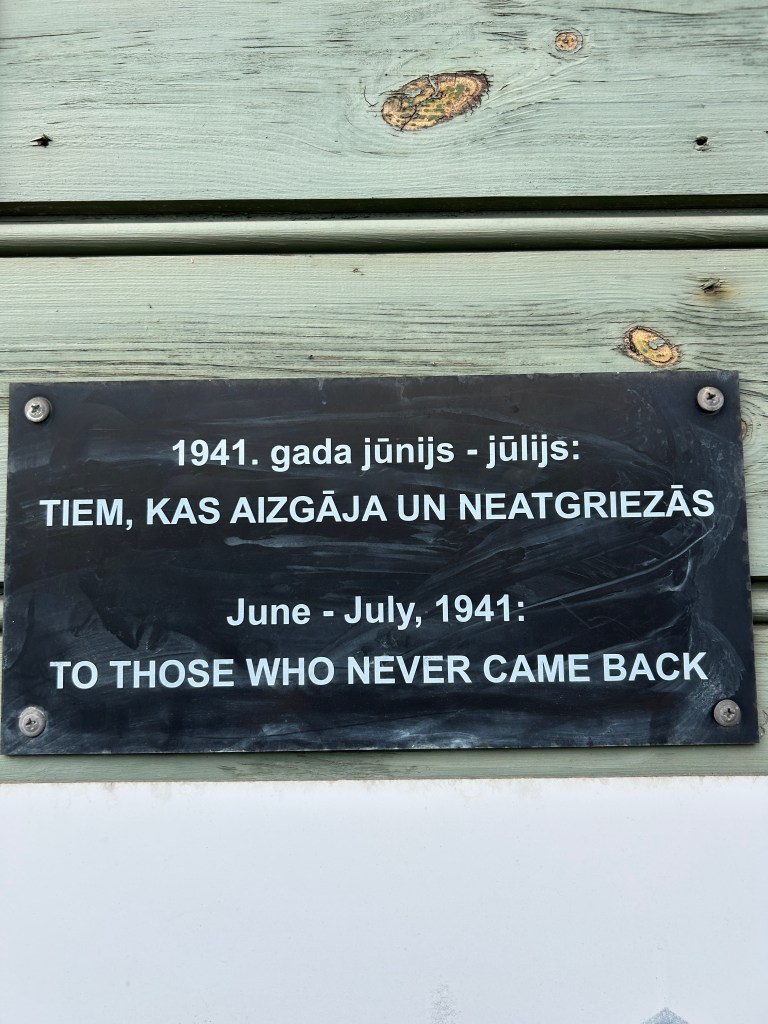
This one was stark in its difference. A short walk took us to the Riga Ghetto and Holocaust Museum. Latvia saw one of the highest rates of Jewish fatalities in occupied Europe with more than 90% of the country’s Jewish population murdered during the holocaust. Approximately 94,000 Jews lived in the country, with 43,000 in Riga alone, which was 11% of Riga’s population. By the war’s end around 70,000 of Latvia’s Jews were killed, often in mass executions conducted outside major cities. Around 25,000 Jews from Riga were transported to Rumbula Forest, stripped naked and shot, in 2 days in late 1941.
The Riga Ghetto was established in October 1941, with initially 29,000 Jews from Riga forced into there, often with 5 or 6 familes packed into one apartment. By November Nazi officials orderd the “clearing” of the Ghetto as part of the larger plan for the extermination of the Jewish population. Almost all the ghetto inhabitants were murdered in mass shootings like the Rumbula extermination. The Nazi’s then repopulated the ghetto with Jews deported from Germany, Austria and Czechoslovakia.
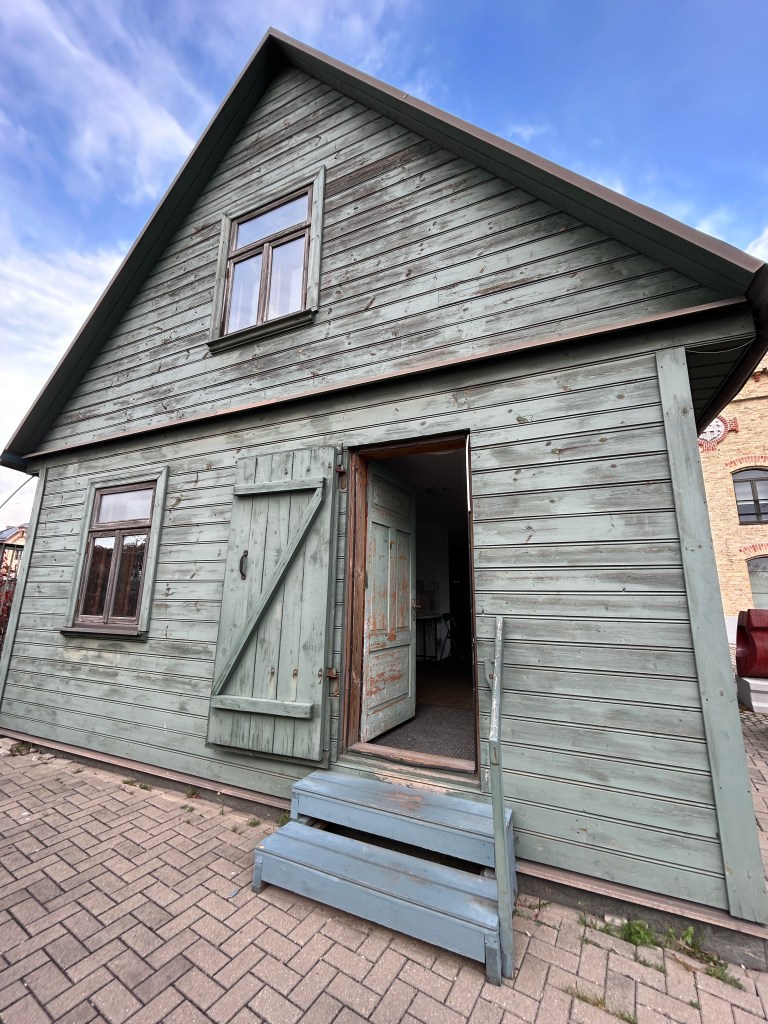
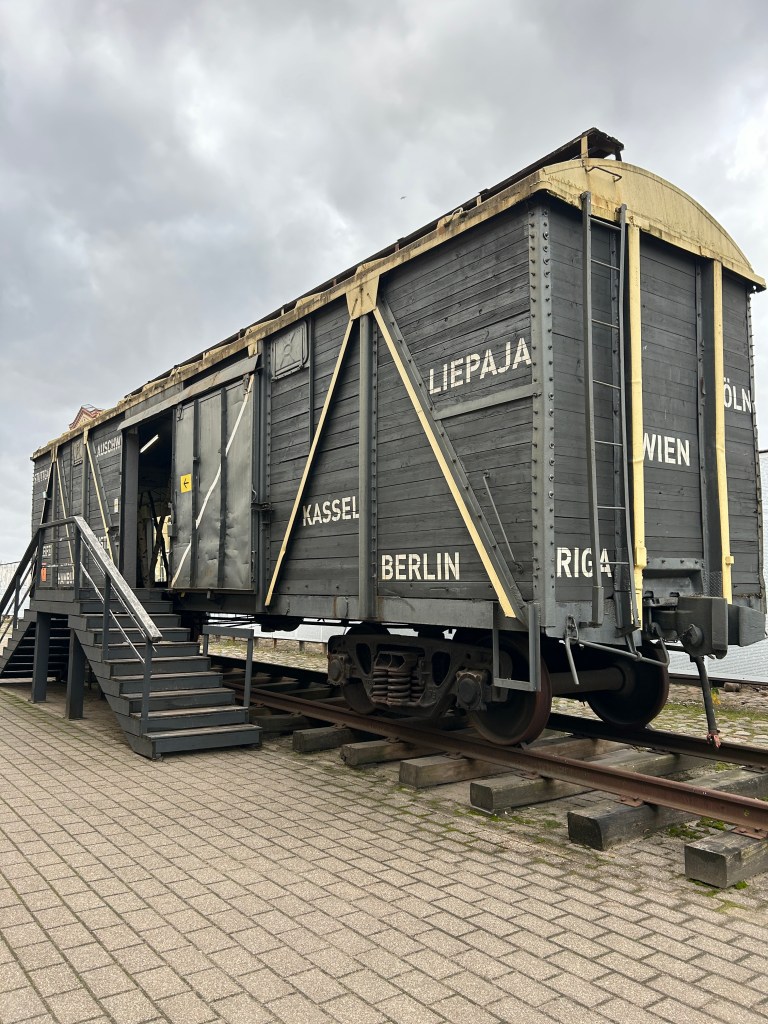
The museum is situated near the old ghetto and is beautifully done to pay tribute to the Jews that lost their lives in the atrocities. There is a ghetto house that you can walk around, and a railway carriage that deported so many. It was harrowing to stand in that and look at the pictures on the wall of similar carriages filled with people going with fear into their unknown future.
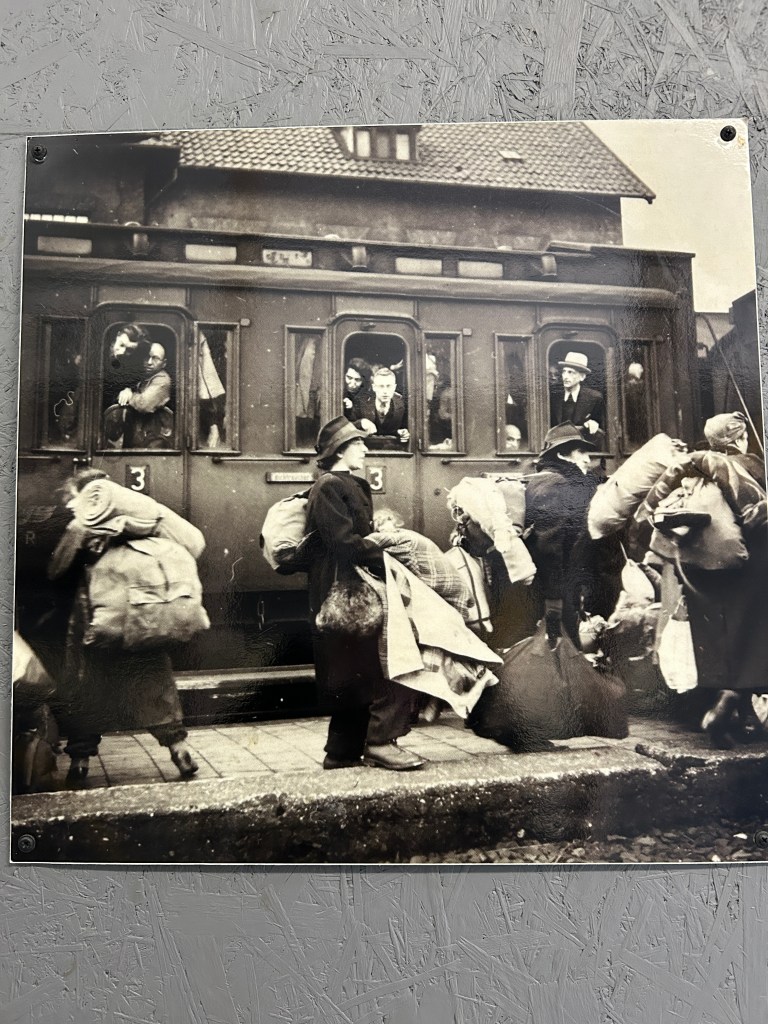
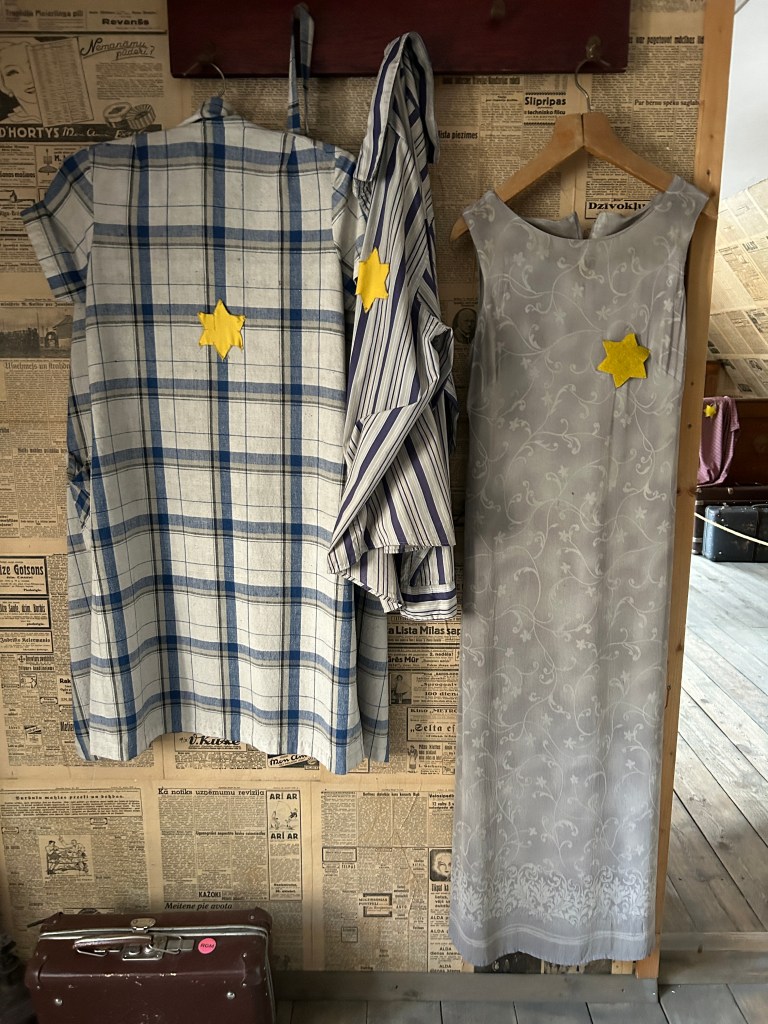
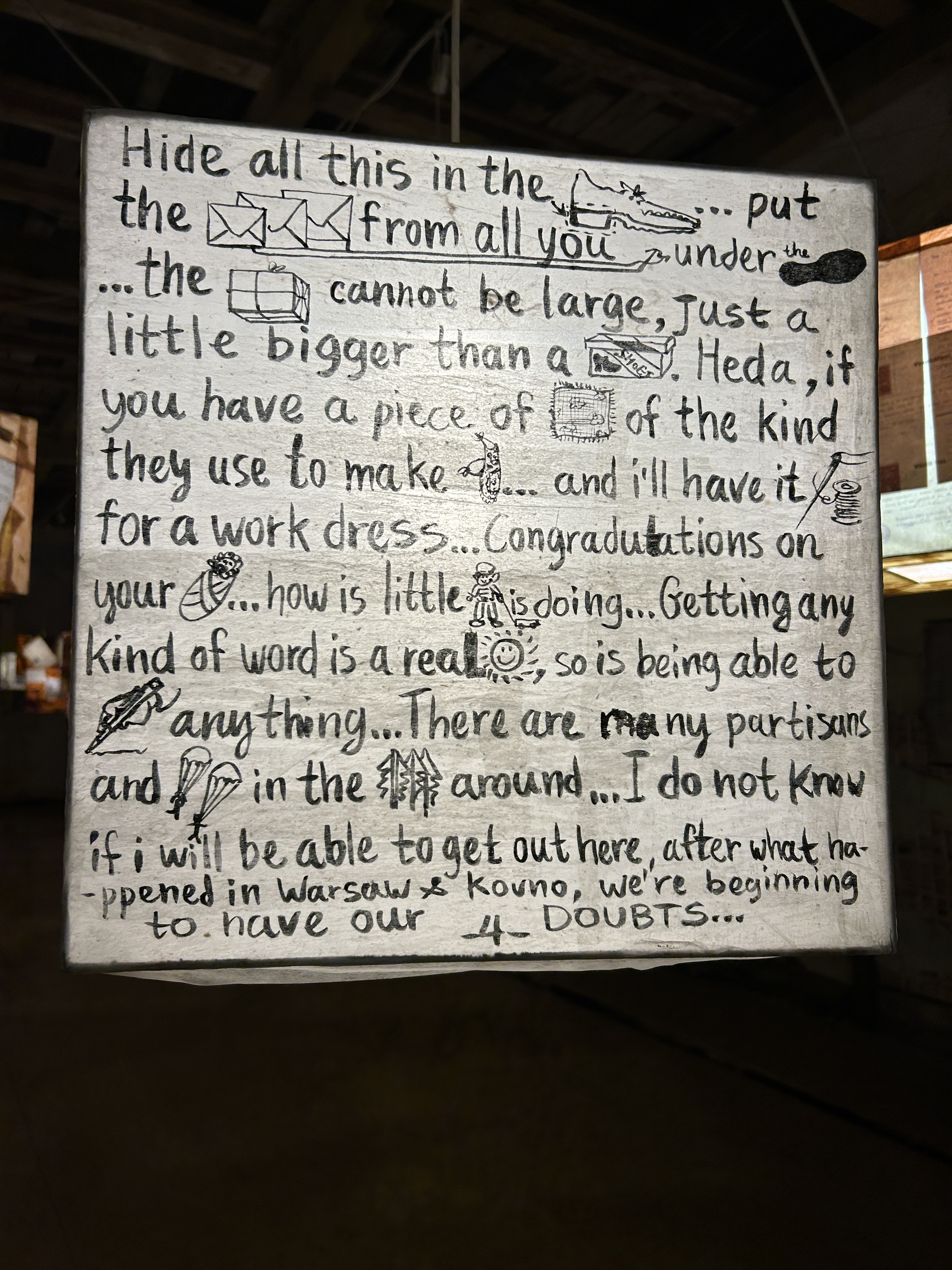
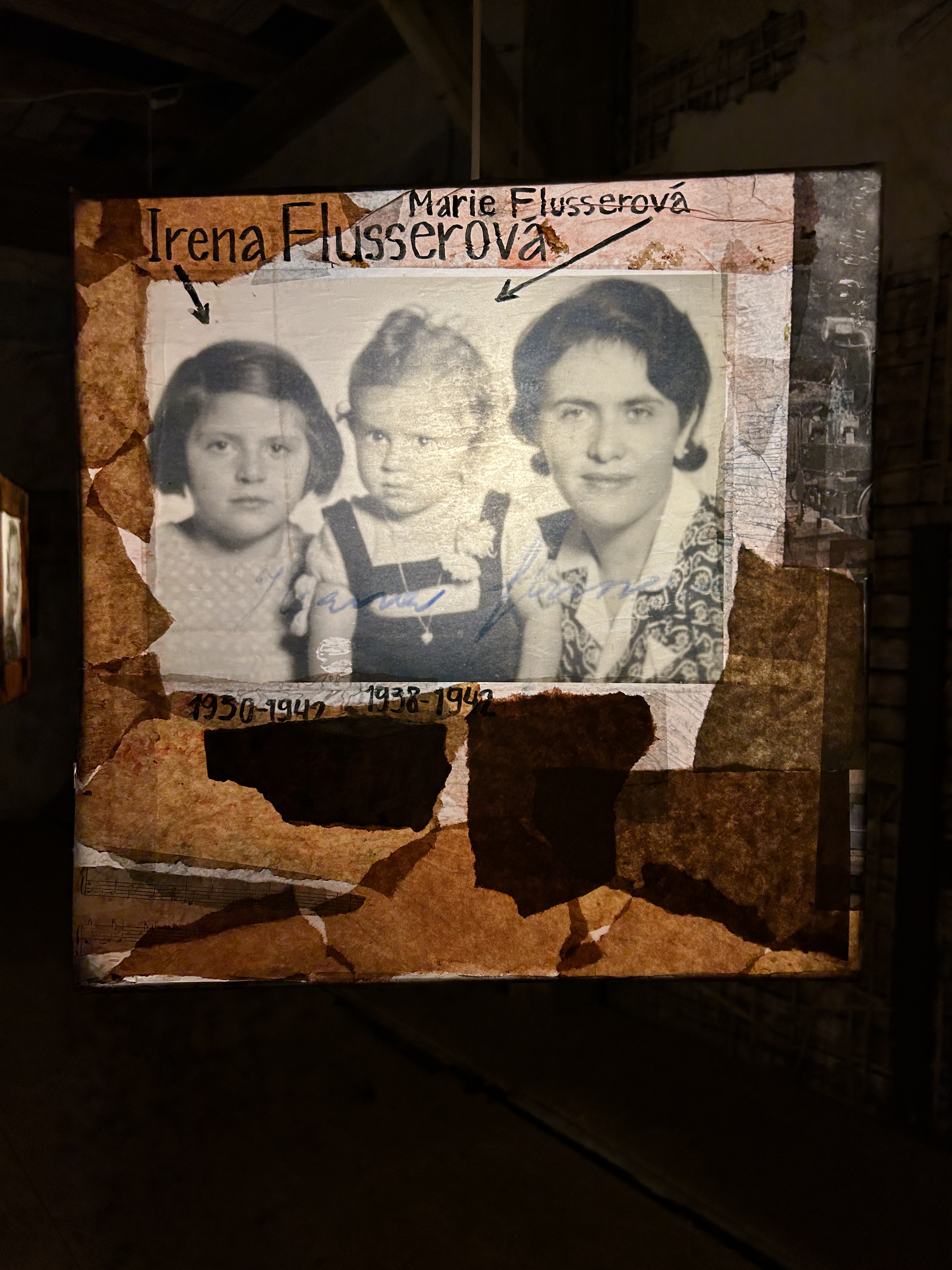
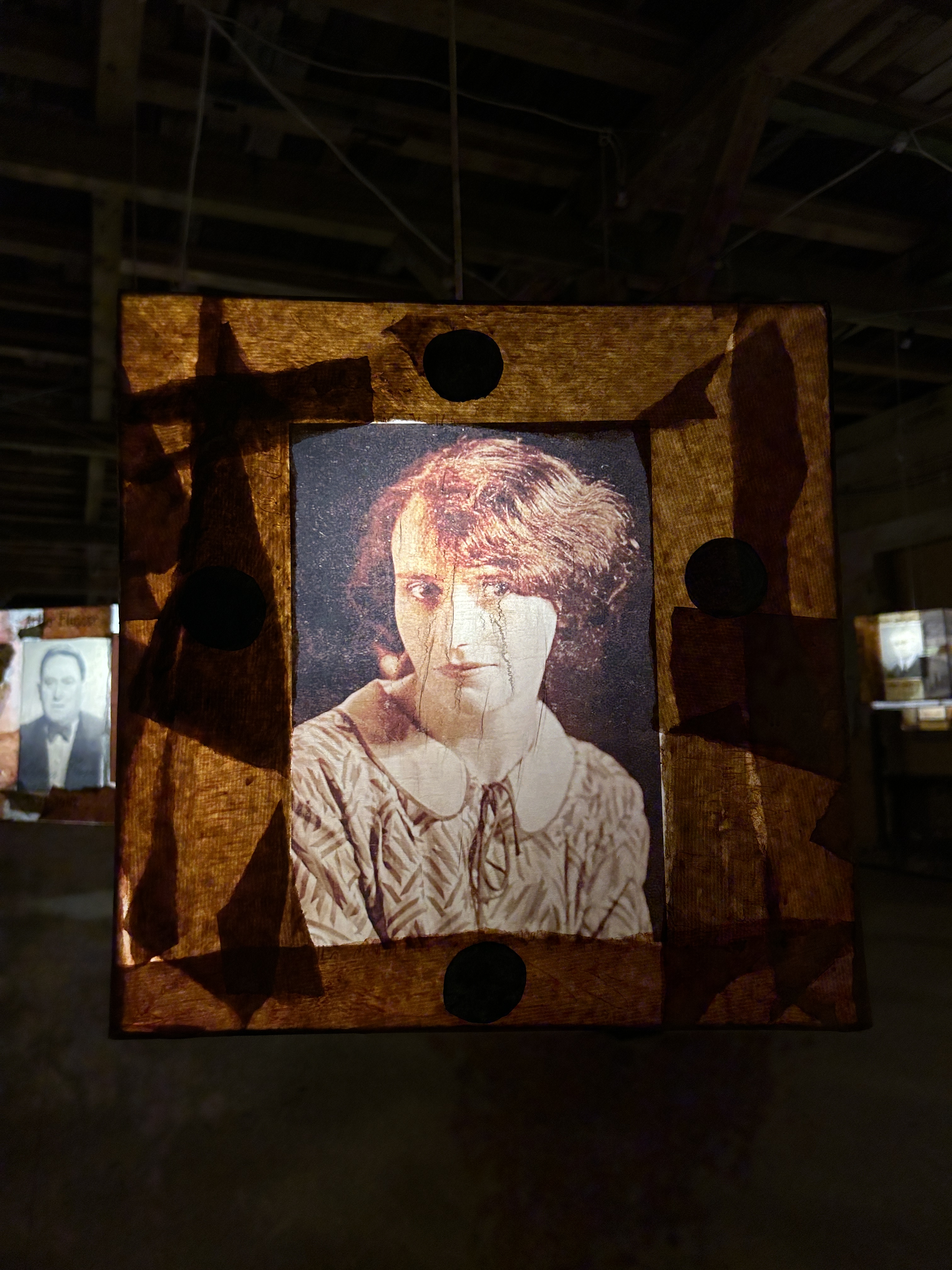
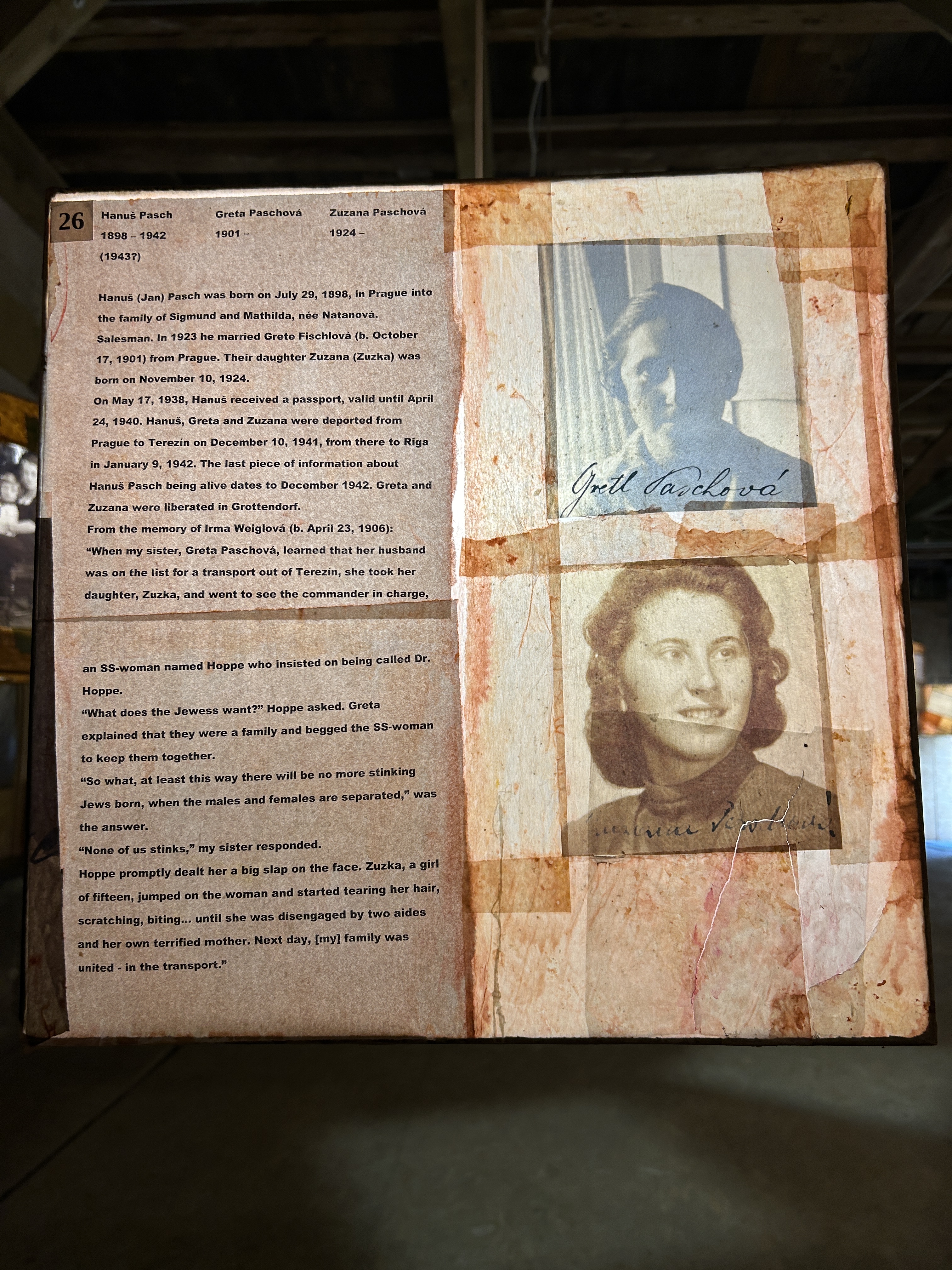
One of the most moving memorials is the Wall of Names, bearing the names of thousands of Latvian Jews who perished, but I always like to see the real human story behind the mass of numbers involved, and one room was very evocative. It was dark, filled with hanging displays, lit from within. Each had a name and photo, with sometimes letters they had written, or documents relating to them and their story. These were placed at eye level, so you had to weave through them; they were very poignant. I think as long as these memorials remain as a testimony to them, their story cannot and should not ever be forgotten.




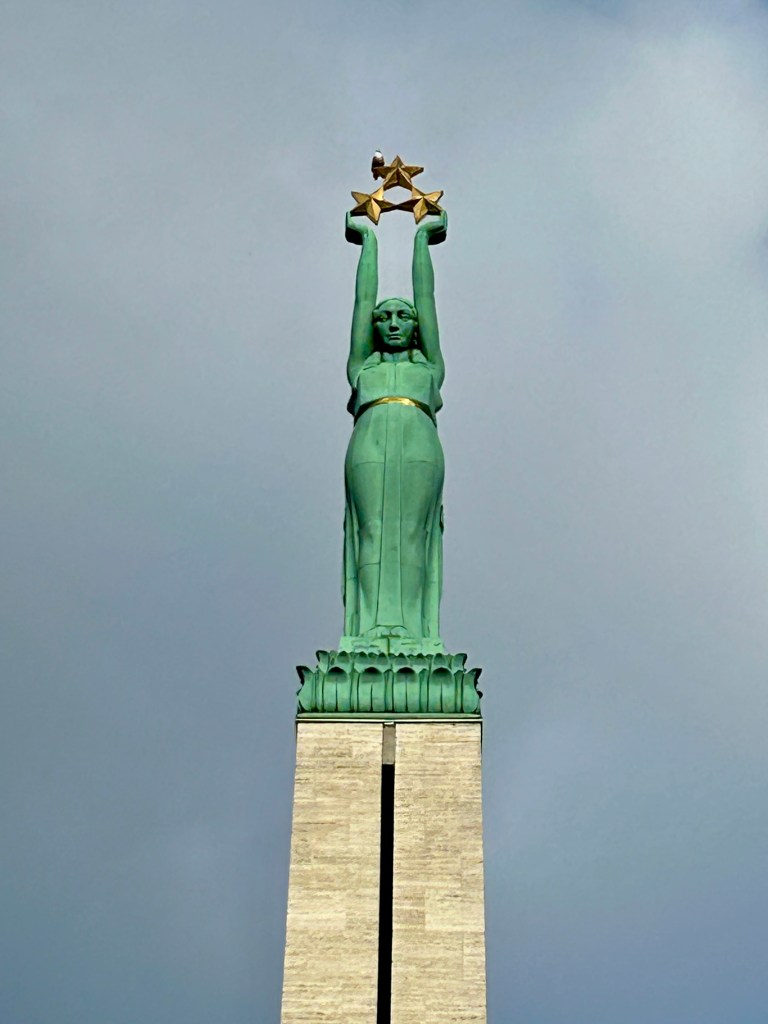
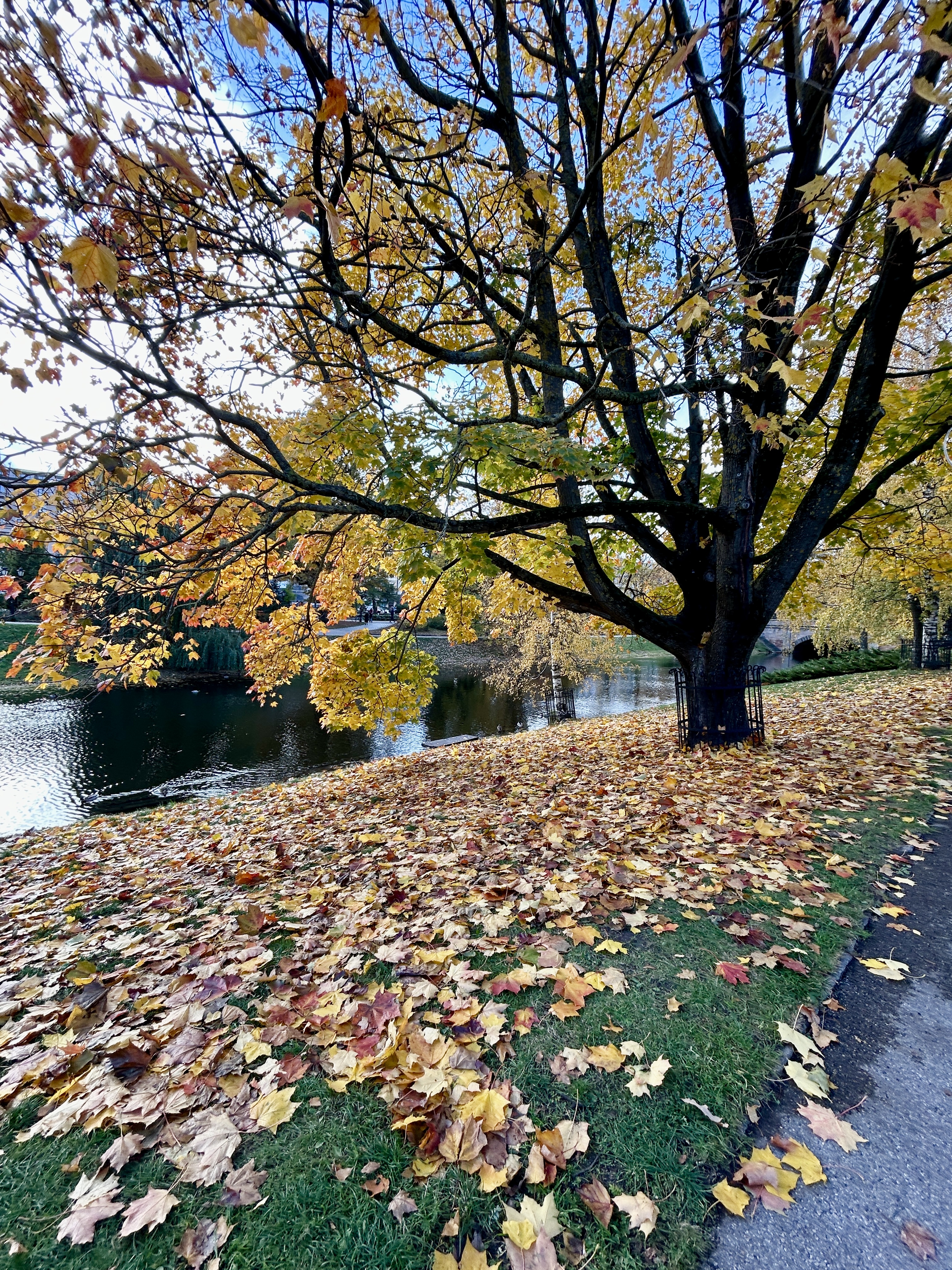
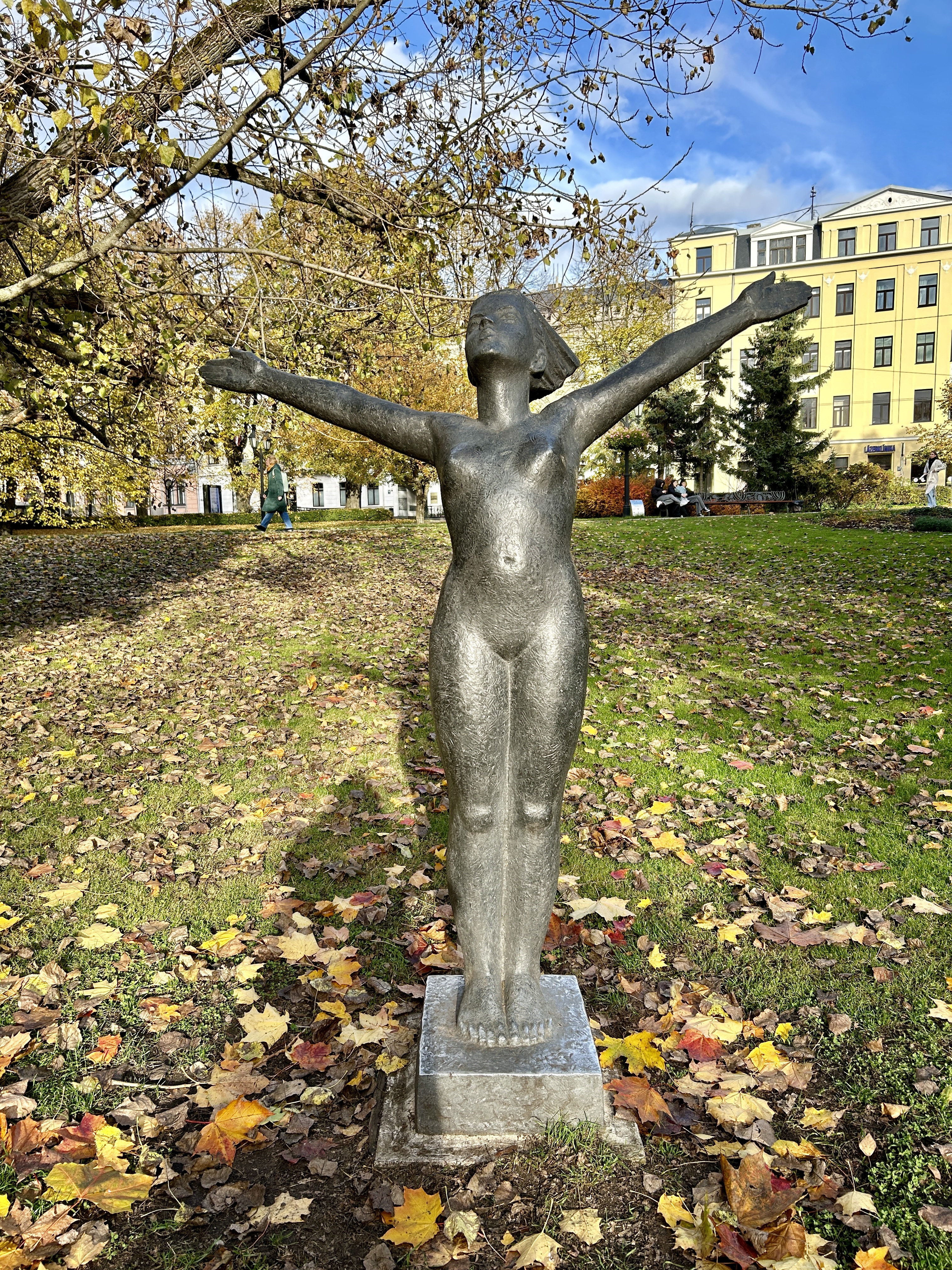
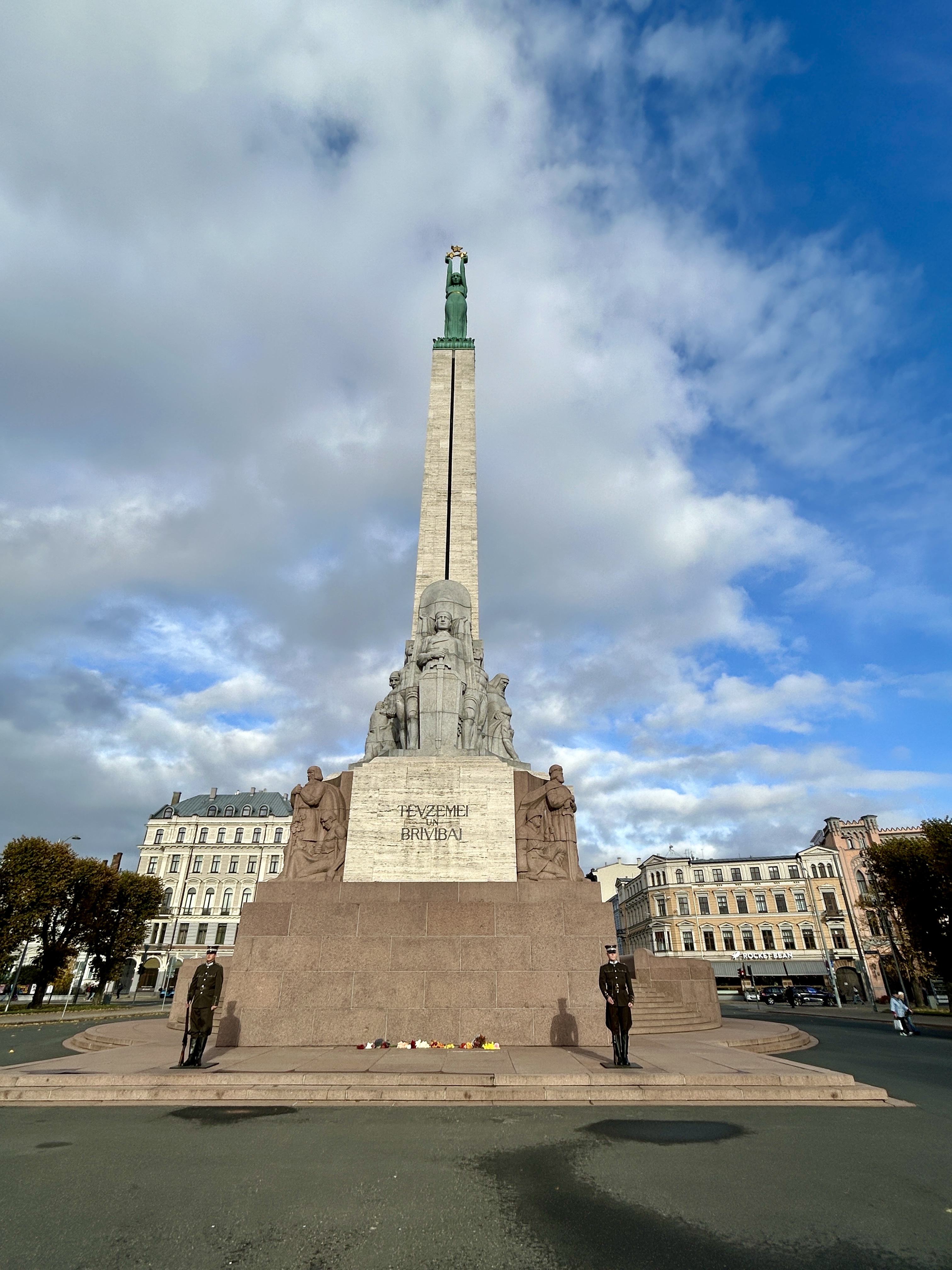
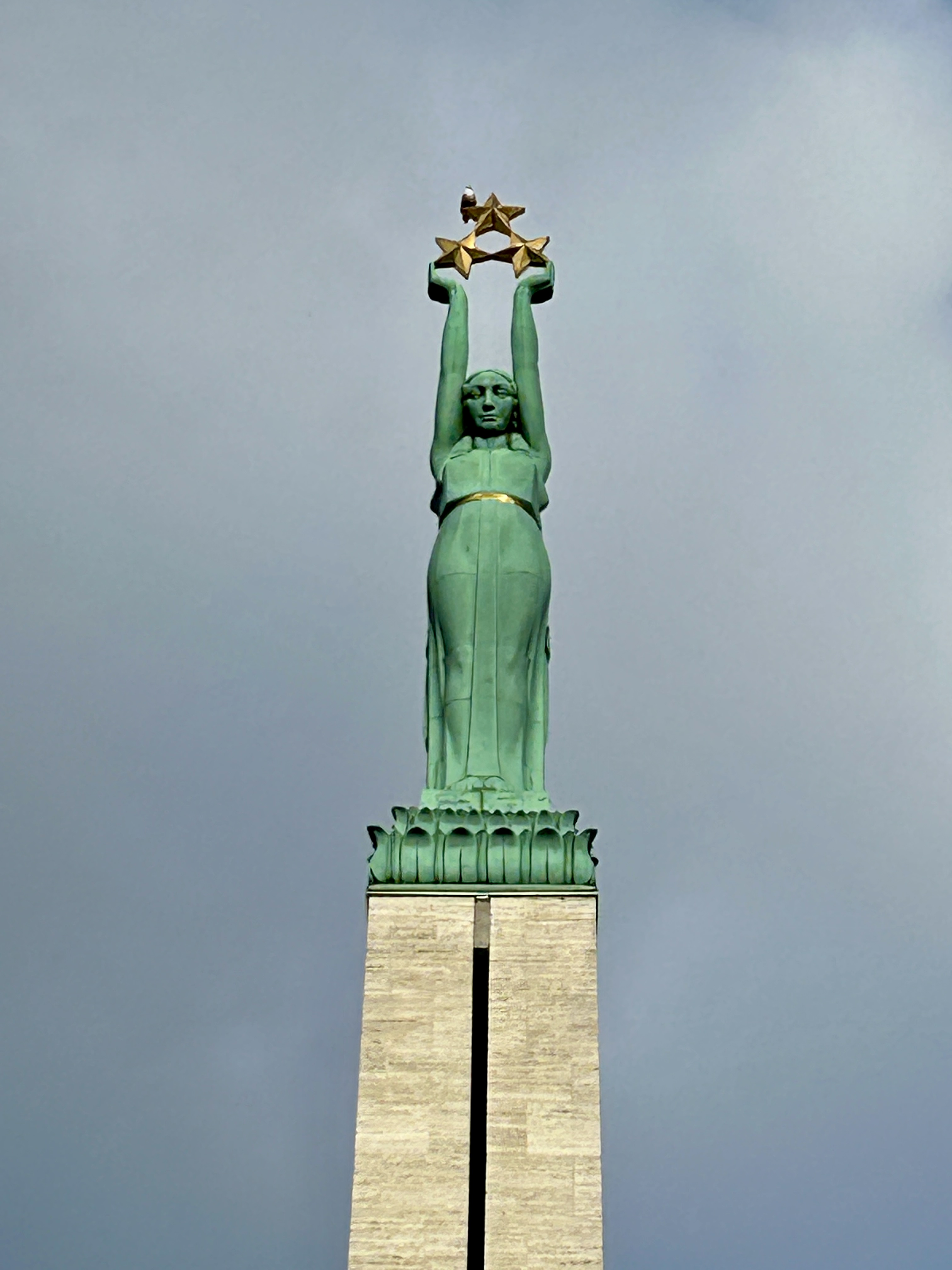
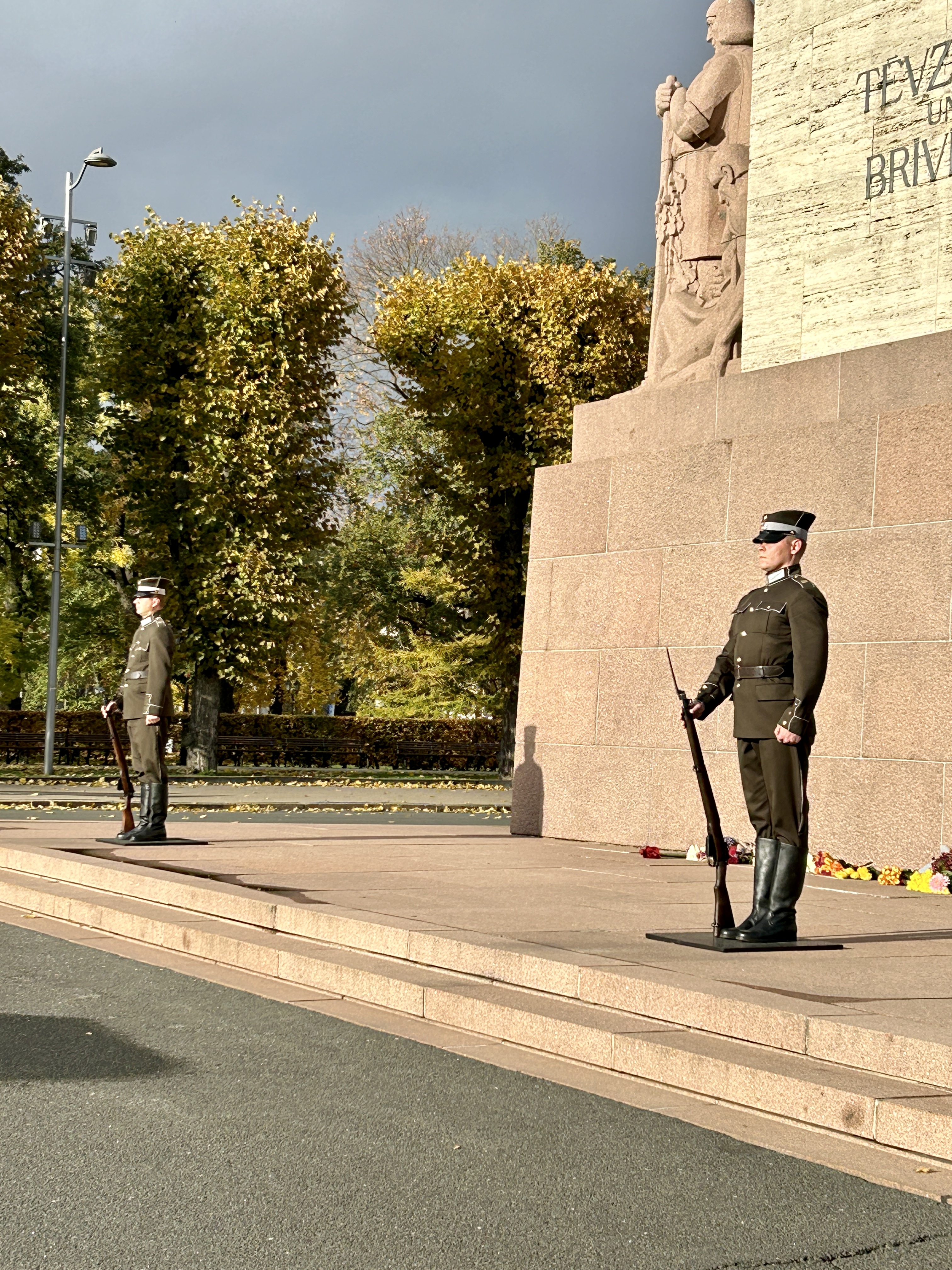
We needed a walk in the fresh air after that so walked through the beautiful park near the Lavian Opera house, which was gorgeous with its autumn colours. This took us onto the Latvian Independence Monument, flanked by two guards who stand perfectly still for a hour at a time.
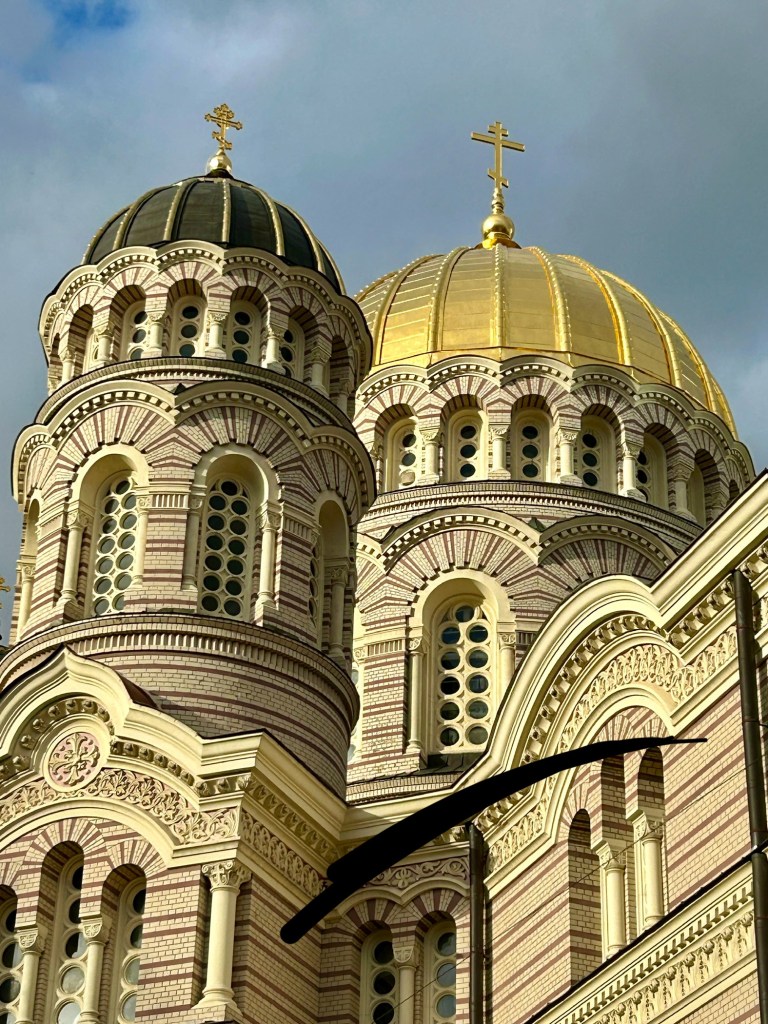
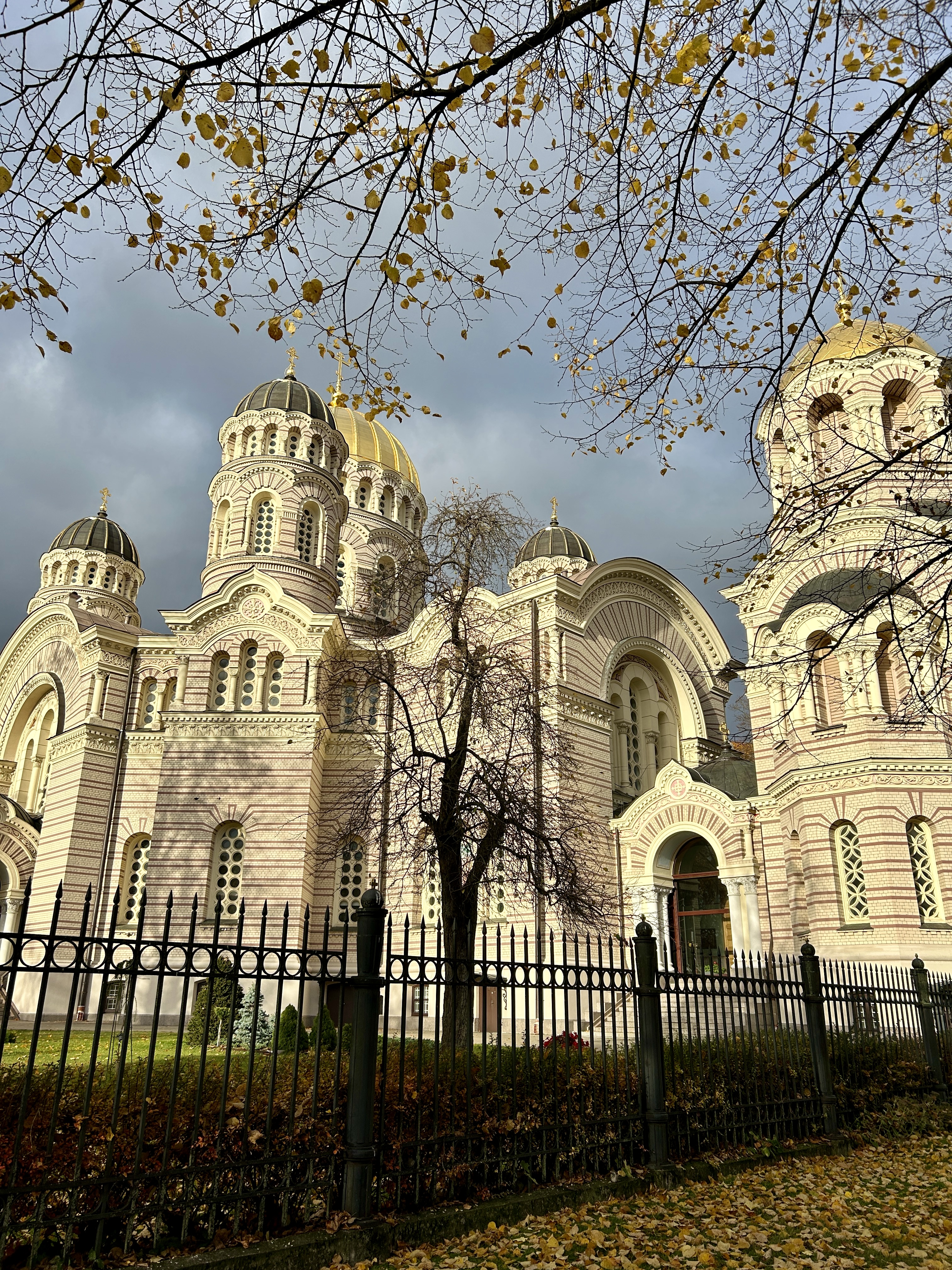
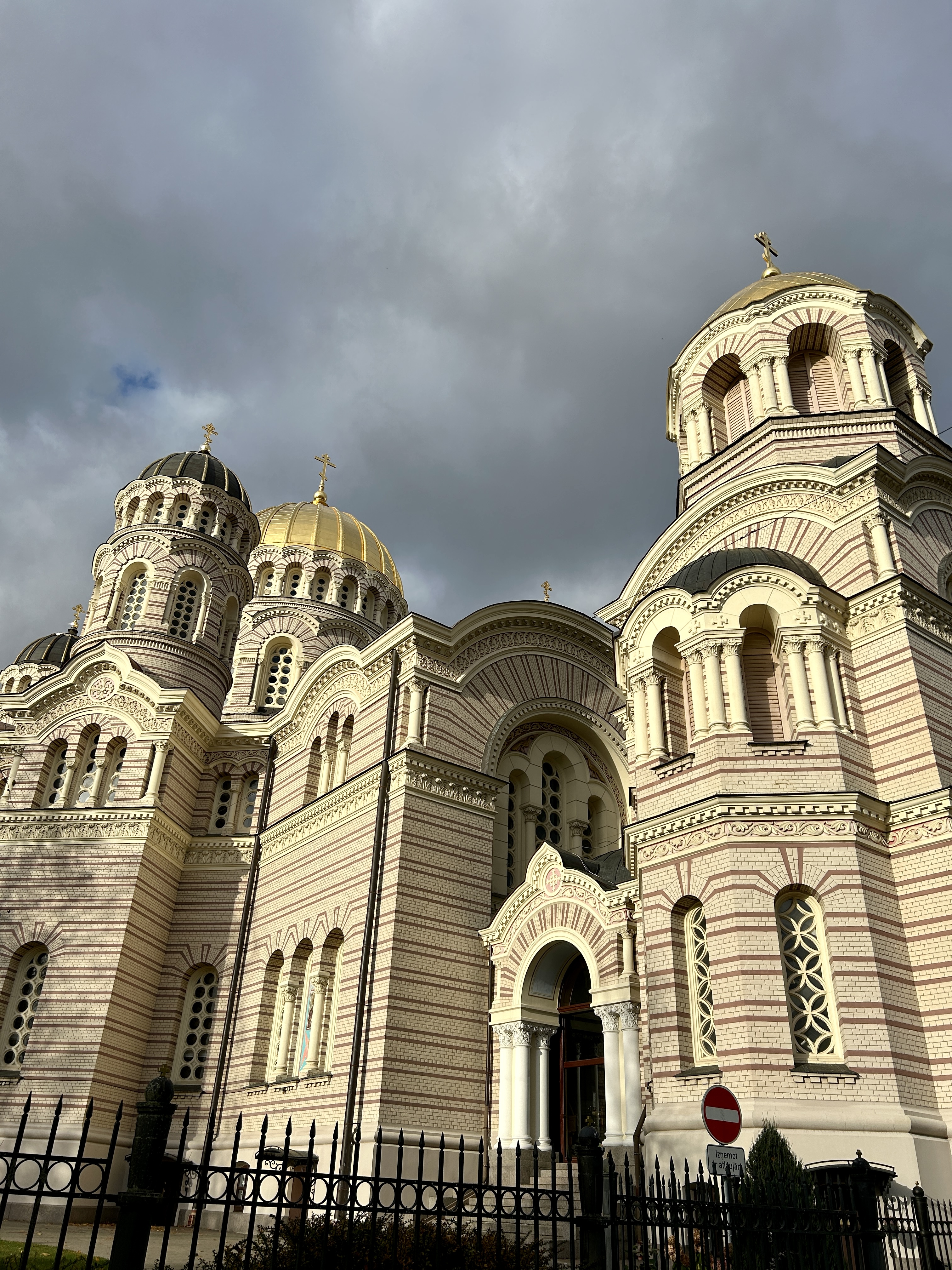
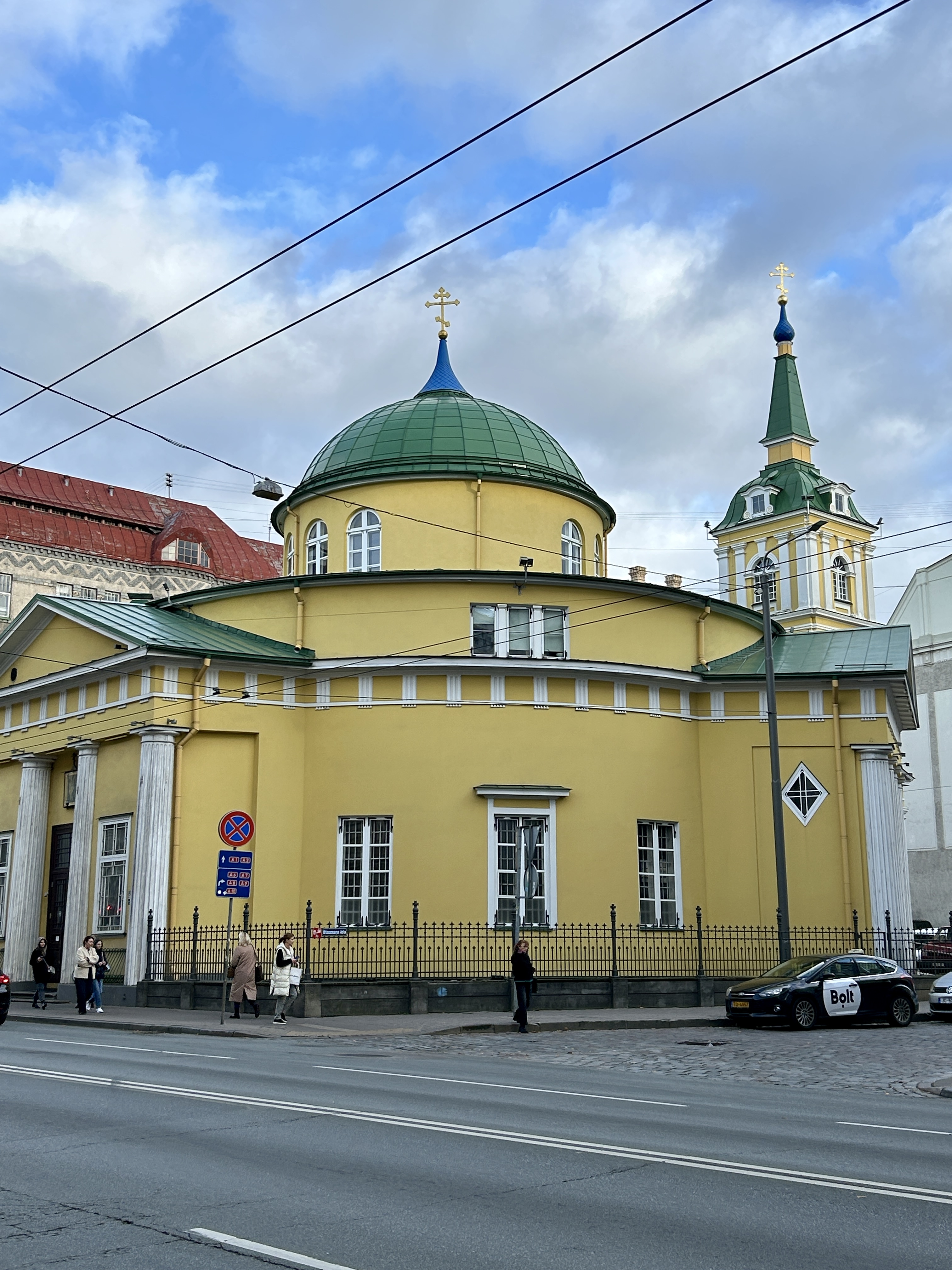
From there I could see the beautiful golden onion domes glinting in the sun, so I knew our next stop was near. The Russian Orthodox cathedral had again called to me; and this one did not disappoint. The outside looked like a beautiful fancy cake, whereas inside was a riot of gold and blue. Photos were again forbidden inside, but it was incredible, with a huge high blue dome with Jesus looking down at you from it. The walls were lined with ornate gold icons. I think it was even more beautiful than the one in Tallin.
We carried on our way to our next stop. This one was time bound as we had a tour booked at 3pm. Our timing was just right as we had twenty minutes to spare which we used in a coffe shop from the chain Caffeine which I had been desparate to try. An Americano, a citron tart and a sit down hopefully was enough to revive me for the next dark part of our day. Two coffees and two cakes only cost us 10E!
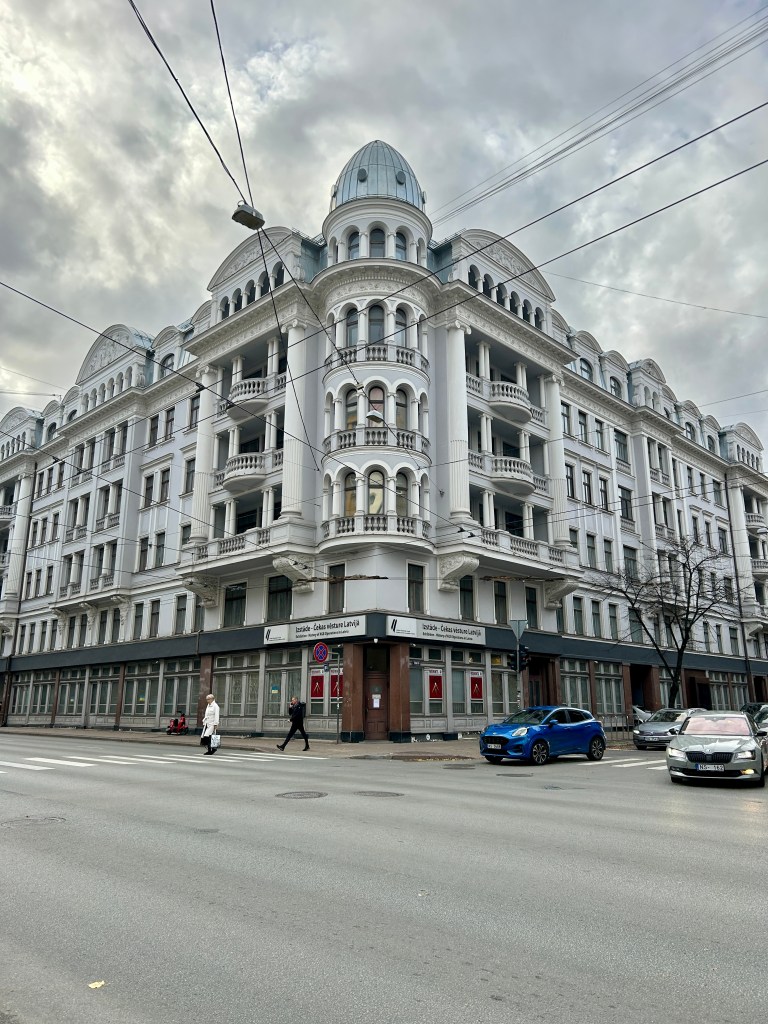
We crossed the busy road to the Corner House building opposite. This was going to be interesting. We had a guided tour of the KGB headquarters and cells in Riga. This building is a stark reminder of the brutality of the Soviet occupation and became infamous as a site of interrogation, torture and imprisonment between 1940 to 1941 and from 1944 to 1991.
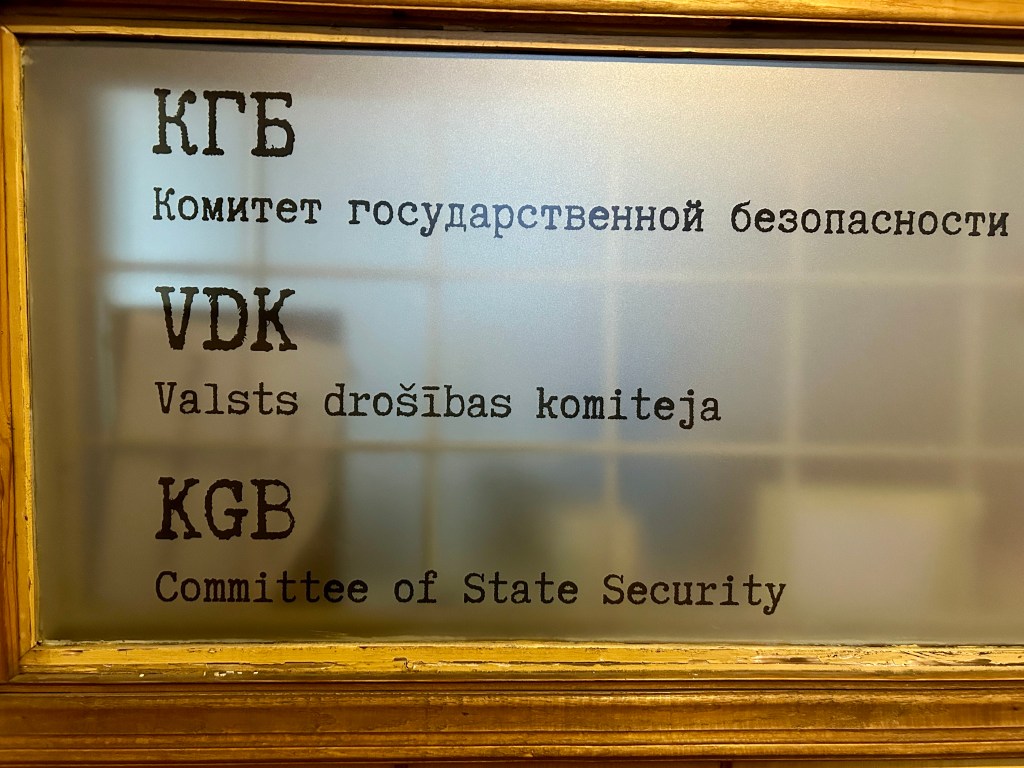
The KGB targeted those it considered enemies of the state, including Latvian nationalists and anyone considered guilty of anti Soviet sentiments.
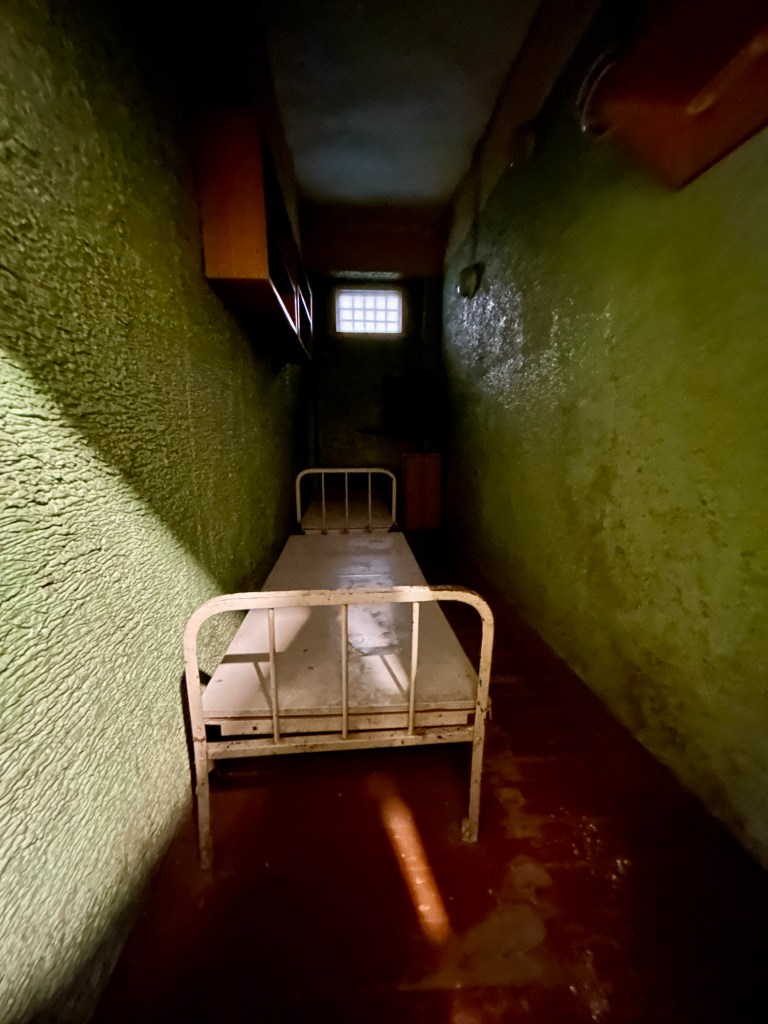
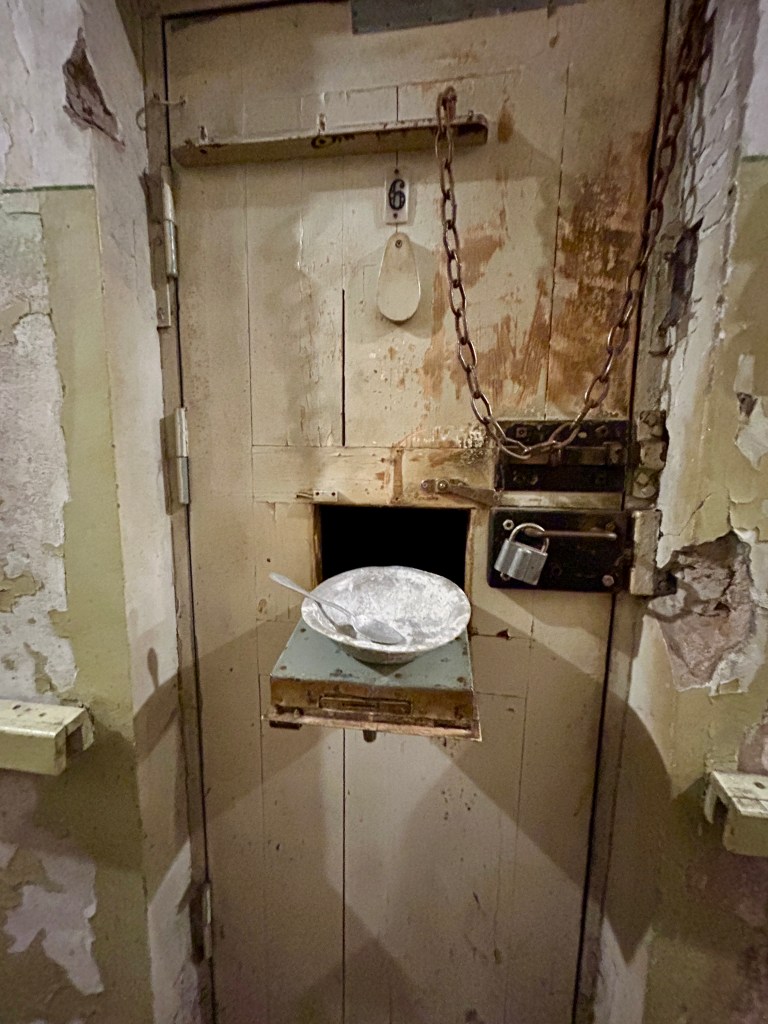
The first room we got to see was the booking in room. Photos lined the wall, of those who had never found freedom. The whole point of the prison was to get signatures confessing to crimes, so that these documents could be sent to Moscow. There were around 40 cells, which could hold hundreds of priosners at a time. There were 22 of us on the tour, and we sat cramped in one of the biggest cells. This cell would sometimes hold thirty men, who would spend all day and night there, apart from their half hour of excercise in the tiny exercise yard. The lights were kept on permanently, and there was one toilet bucket in the corner. The temperature was kept at 35 degrees, summer and winter. Everything was designed to break the prisoners into confessing. There was a red carpet outside the cells, so that the prisoners could not hear the footsteps of the guards approaching. It was red so that the blood didn’t show so much. The conditions were horrendous, especially in the standing cells where prisoners were unable to sit or lay down.

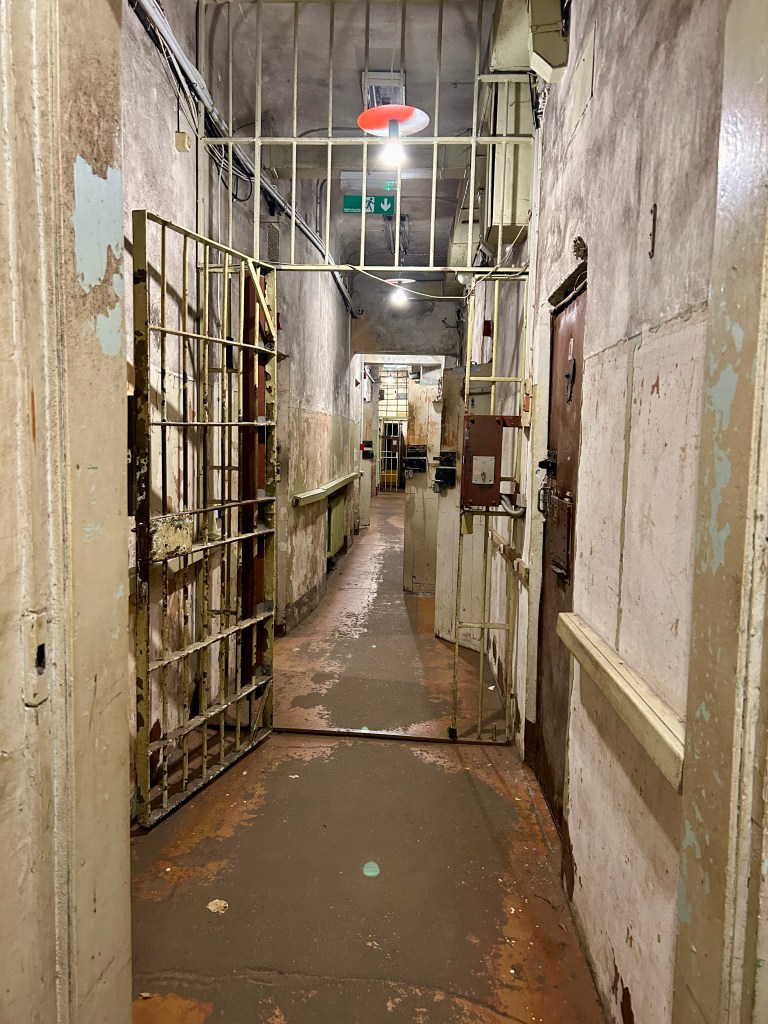

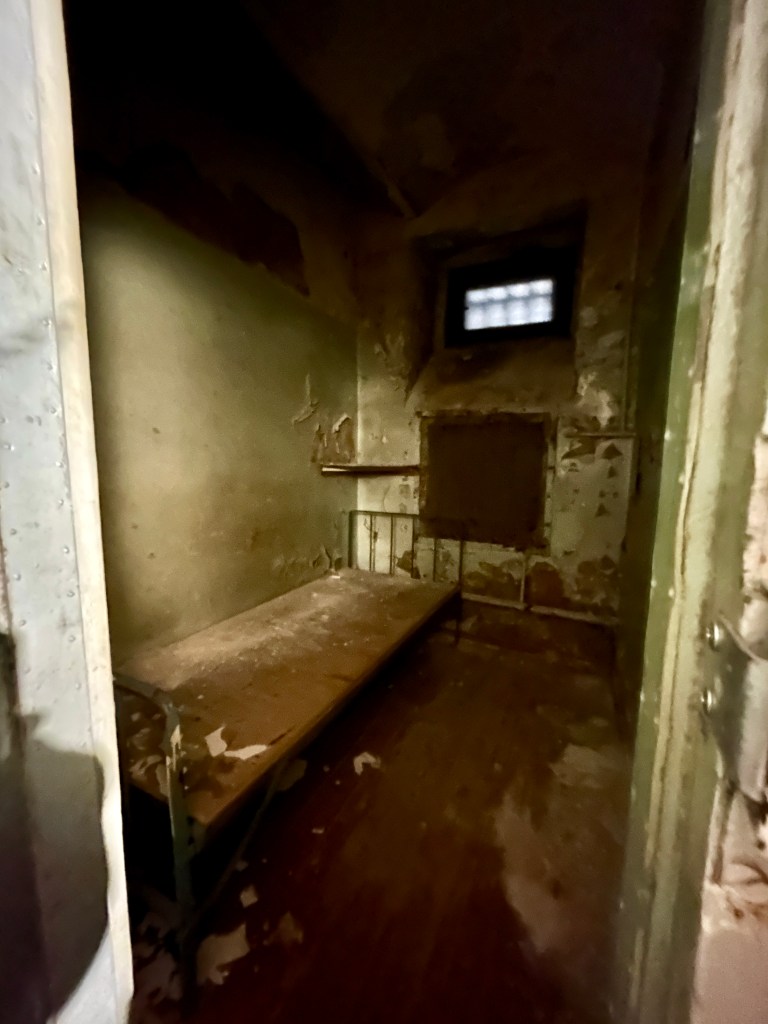
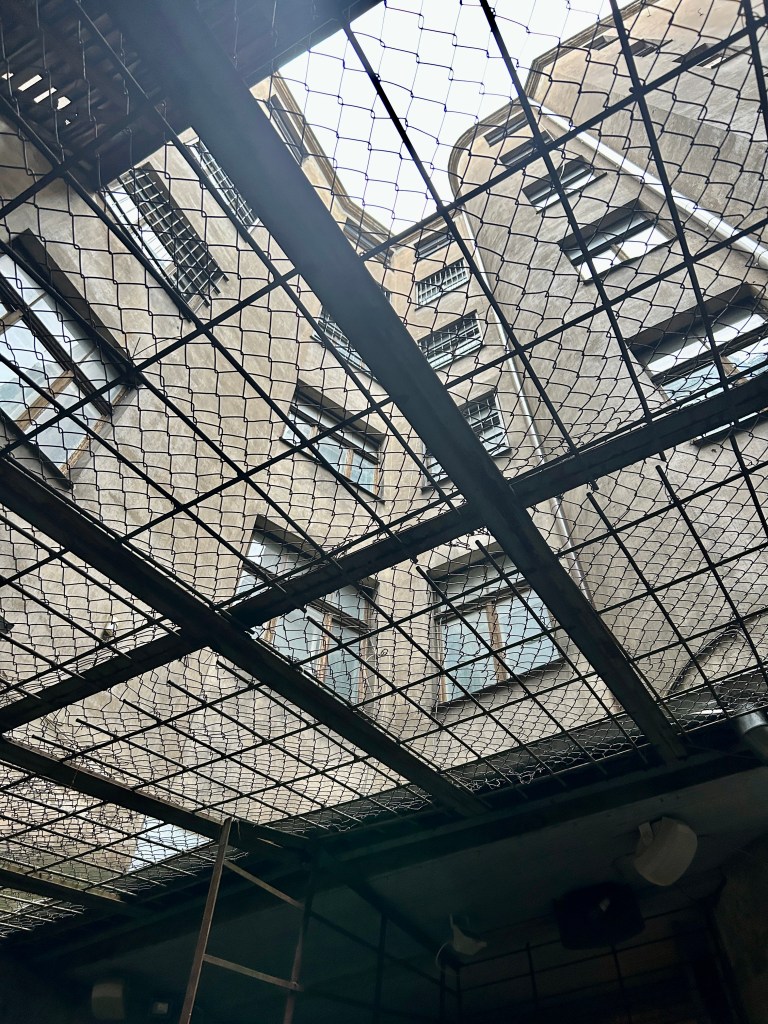
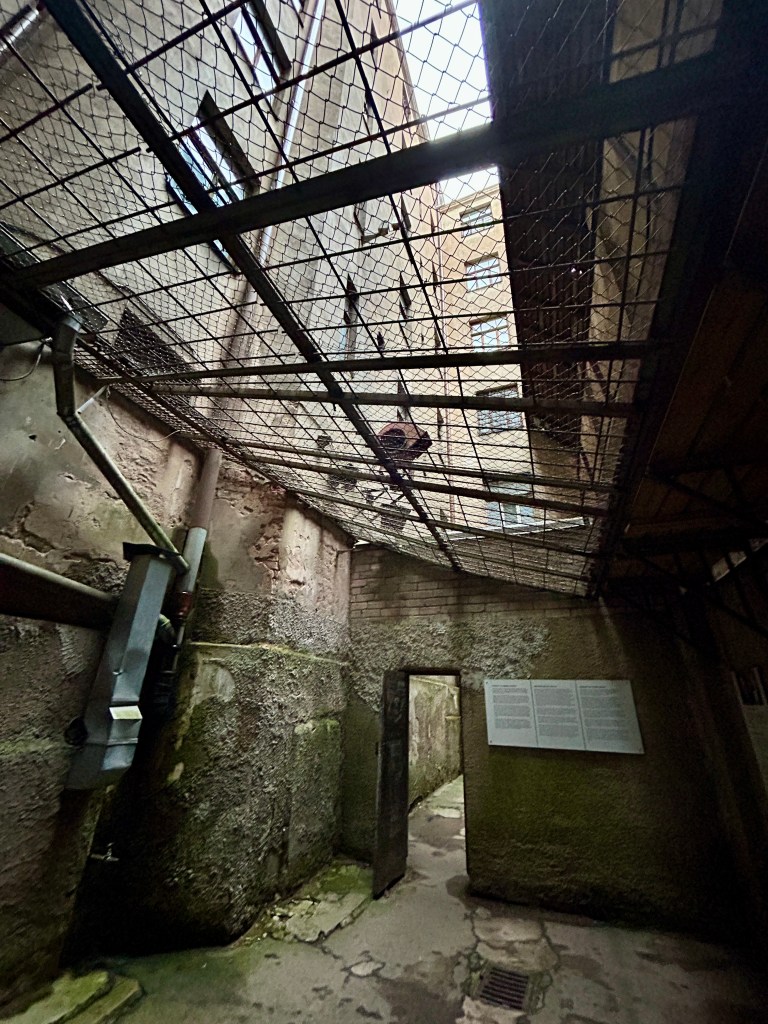
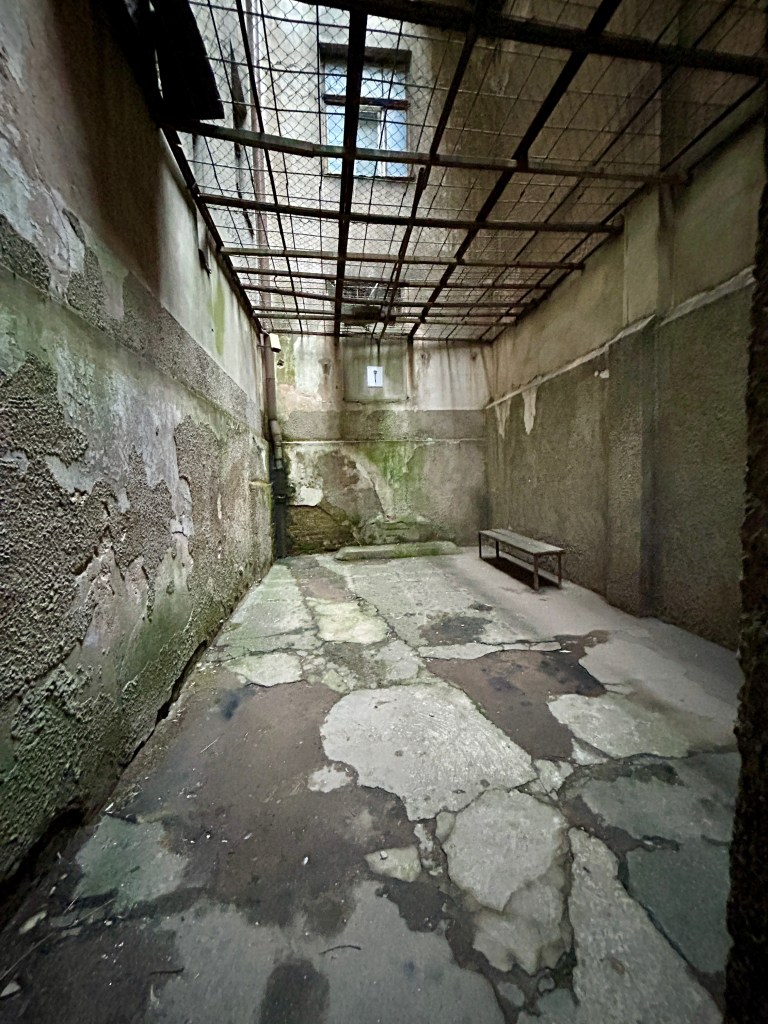
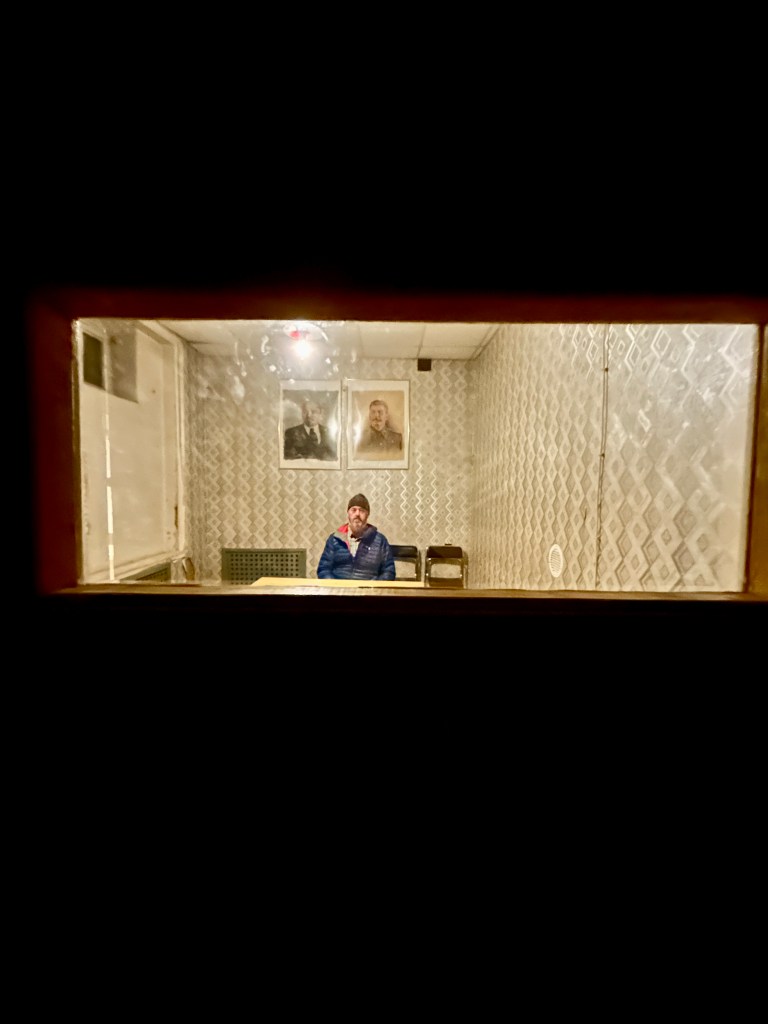
The walls of the interrogation room must hold such horrors. We were able to go in to a little dark annexe and look through the one way mirror into the room. Prisoners were expected to confess; 7 months is the longest they would be kept for without being killed anyway. Often confessions were forced under extreme duress. Once they confessed they were either imprisoned, deported or executed.
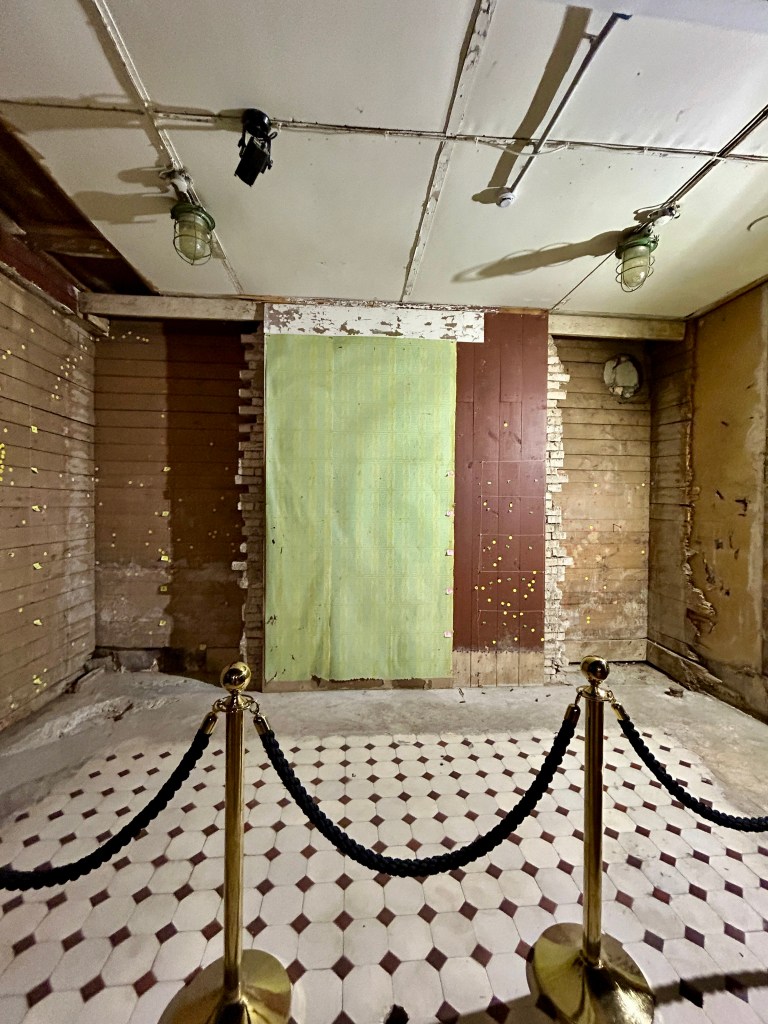
Our last stop on the tour was the worst. We stood in silence in the execution room, where you can clearly see the bullet marks in the wall. The prisoners were taken in, and shot in the back of the head. The bodies were then loaded into trucks and dumped out in the forests. . Families often never learnt what happened to their loved ones as records were kept secret or destroyed.
I

It is almost unfathomable to think these imprisonments were happening until recent years. Maris Ruks was a Latvian dissident who was among the last political prisoners to be held there. He was arrested in the 1980s for speaking out against the Soviet regime, but endured intense interrogations and mistreatment. He survived his time at the Corner House and went on to become a symbol of resilience following Latvia’s independence in 1991. Our guide told us that the KGB officers never faced trial for their crimes. They just filtered back into society. It was hard to look at the photo of some of the KGB guards. I asked how they were recruited; were they forced into this role? The guide said that some were recruited and forced into it, some were coerced, some saw it as a great honour and some relished it. There are some darknesses we can never hope to understand.

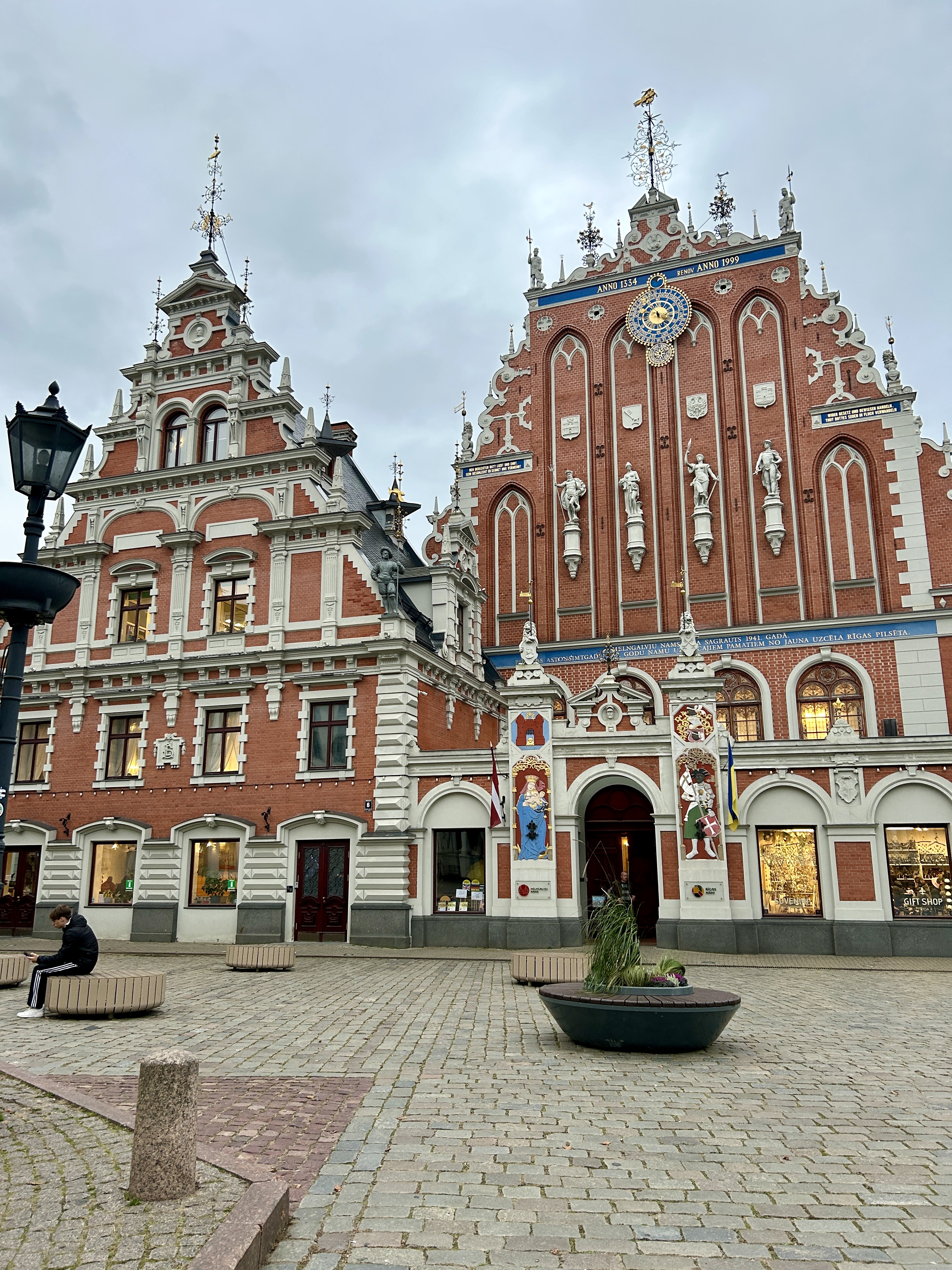
Trying to comprehend all we had seen and heard we caught an Uber to our final museum of the day, the Latvian Museum of the Occupation. This is a beautiful new building in Town Hall Square in the Old Town, and tells the story of Latvia’s troubled past. The winding tour around the musueum, with its immersive story was fantastic, but after about an hour we needed a total break from darkness, and went back to the Folkklub where we had booked a table the night before.

Our last morning in Riga was spent at Riga’s largest shopping centre, where I had found a chain of hair dressing salons based there. The website was in English and it was unique in that they operate a no appointment system. You just take a number like you are buying some cheese! Two hours later my grey roots were no more, despite my stylist speaking no English and me speaking no Latvian!
We were sorry to say goodbye to Riga and its beautiful buildings this morning, but our heads and livers need a little break, and we have lots more interesting things to see further down the road!


 Dwti Draig
Leave a comment